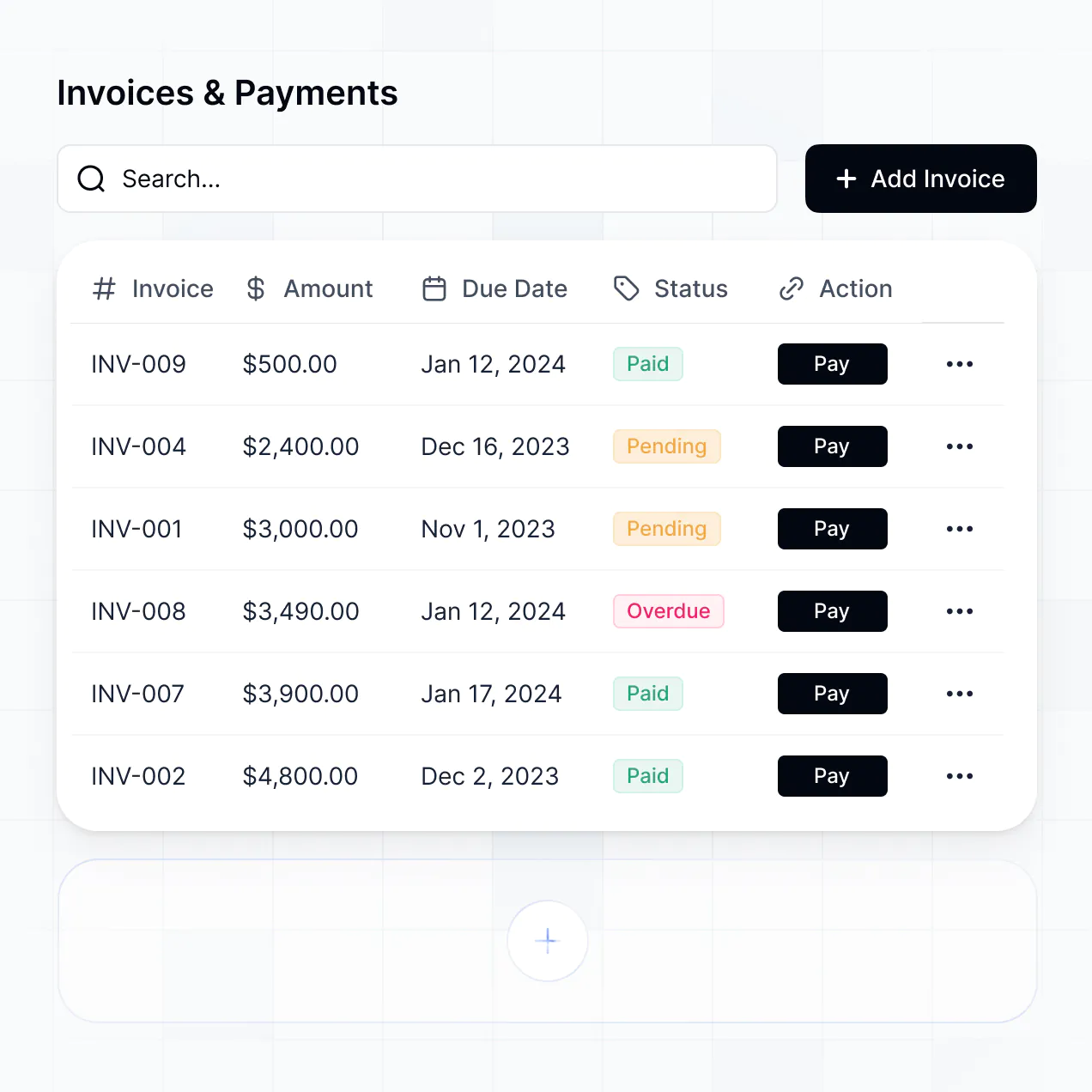
Manage vessel arrivals, track cargo, and optimize berths in an AI-powered system built with AI to fit your logistics team's workflow.



Customize your ERP with the exact scheduling and tracking views your crew needs. Add features as port operations evolve—no code ever required.


Connect vessel manifests, cargo schedules, and maintenance logs with real-time sync—or manage everything in Softr Databases. Create one source of truth for your port.
Give dock managers, scheduling teams, and billing clerks the right access. Set up secure logins and granular permissions—no IT support needed.
Give different port staff tailored dashboards, so dock teams see vessel schedules while finance sees billing and automated invoices.
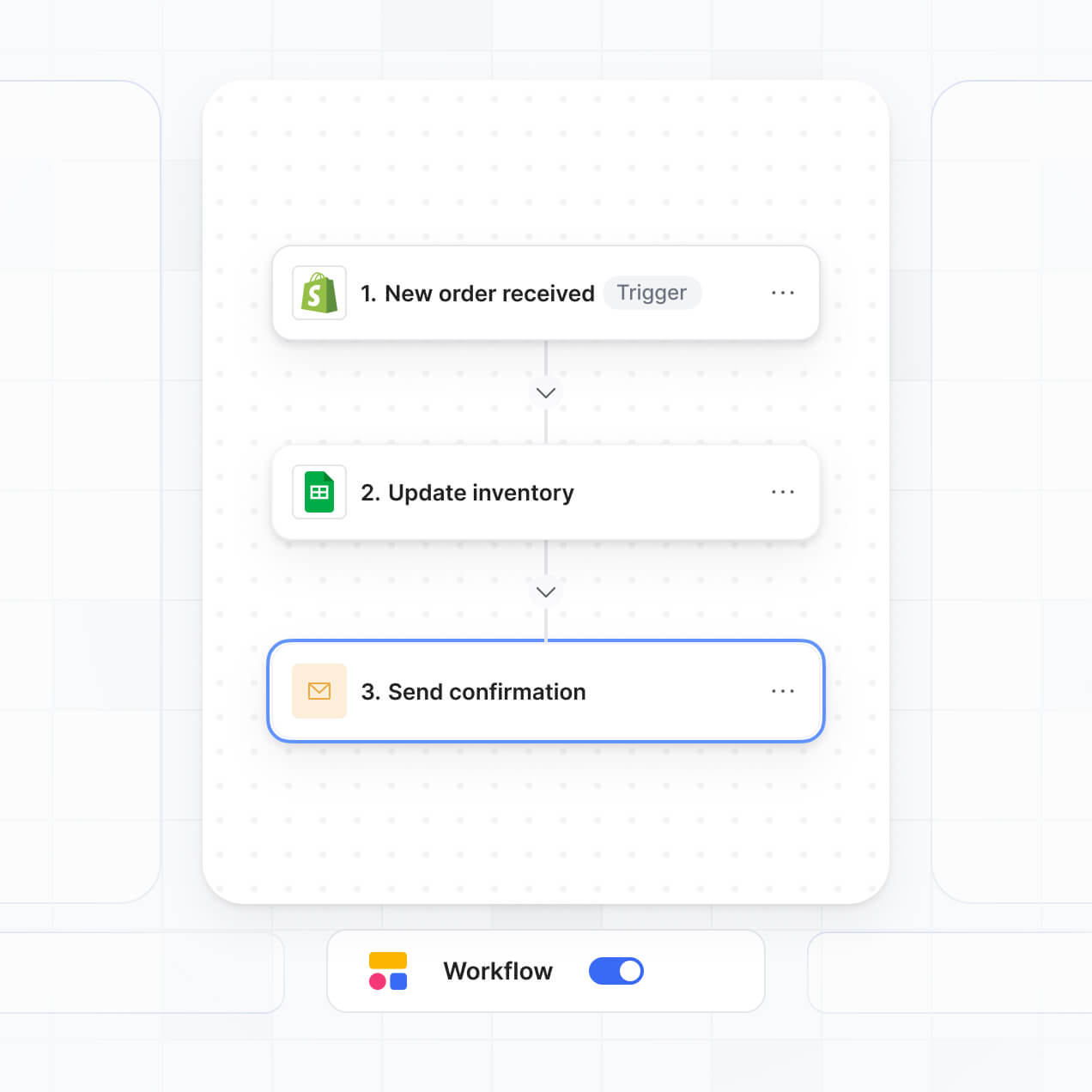
Streamline operations with Softr Workflows. Trigger native notifications for vessel arrivals or send automated maintenance alerts based on data changes.
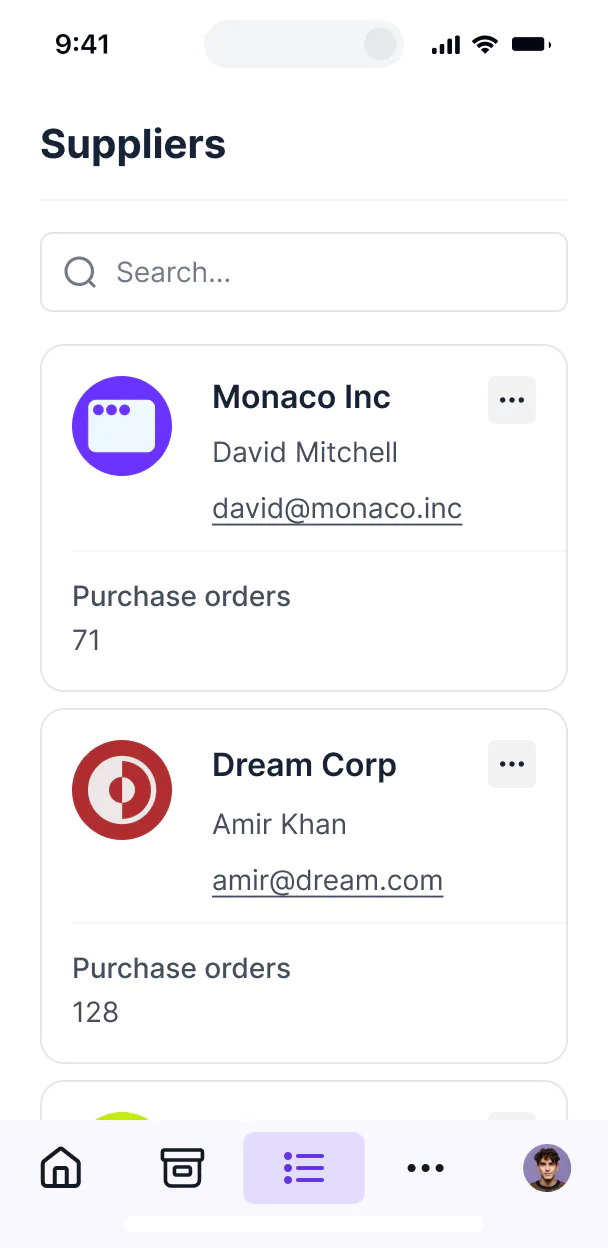
Access and update your port management tools on the dock or in the office. All warehouse and vessel tracking apps are mobile-ready out of the box.
Use Google, email, or SSO logins to give your logistics team fast, secure access to the ERP—no IT support tickets needed.
Keep sensitive logistics and cargo data safe with SOC2 and GDPR compliance, plus fine-tuned access control at every level of your system.
No more one-size-fits-all tools or costly custom builds. Softr is easy to use and fully customizable, so you can launch faster, adapt as you grow, and skip the complexity of traditional software.

Build your port management system in minutes with AI—no manual configuration or coding required.

Add features like automated billing or maintenance tracking as your port grows—without starting from scratch.

Start with berth management, then add cargo tracking and ops dashboards—all in one place with no extra tools.
Co-build with AI
Simply describe what you need. Let Softr handle everything - Interface, database, workflows.
Iterate with AI or visually
Control most critical parts of your app yourself - roles, permissions, security.
Ship the same day
Invite team members or external clients and partners right away. No developer handover.
Use drag-and-drop blocks to build a portal that looks sleek and modern out of the box. Add only the features you need, and iterate as your workflows evolve.




A port management system is a secure, centralized ERP platform where port authorities, terminal operators, and logistics providers can manage maritime operations, vessel schedules, and cargo logistics. It keeps all port-related documentation and real-time data in one place, so you don't have to rely on fragmented radio communications, endless emails, or manual spreadsheets. This makes it easier to track berth allocations and provide a streamlined experience for shipping lines and ground transport teams.
Softr is the first AI-native platform for building business software like an ERP. It makes it easy to build a port management system that fits the unique logistical requirements of your harbor. You can describe your operational needs to the AI Co-Builder to instantly generate your vessel database, terminal maps, and logistics logic—already connected and secure.
You don't need to code anything. You can start by generating with AI, using a maritime template, or building from scratch. Everything runs on Softr Databases, the native, relational database built into the platform, or you can connect external data like port authority APIs, Google Sheets, or HubSpot. You have full control to adjust the layout visually, decide who sees sensitive cargo manifests, and brand it to match your port authority's identity. It's quick to get up and running, simple to update for new regulations, and flexible enough to scale with increasing shipping traffic.
You can include a wide range of features in your port management system, depending on your maritime workflow. A great ERP for ports usually mixes classic functional blocks with AI-powered intelligence:
- AI-Powered Intelligence – Use Ask AI to let harbor masters query vessel arrivals conversationally, or set up Database AI Agents to automatically summarize cargo manifests or flag potential customs delays.
- Vibe Coding Blocks – Build complex, custom UI elements—like a real-time berth status map—using the AI Code block to "vibe code" exactly the visual interface your team needs.
- Softr Workflows – Build native automations (like automatic email alerts for vessel clearance) that trigger notifications or sync data whenever a dock status is updated.
- User Portals & Logins – Securely manage access so shipping agents only see their specific vessel files while terminal staff maintain a full view of port capacity.
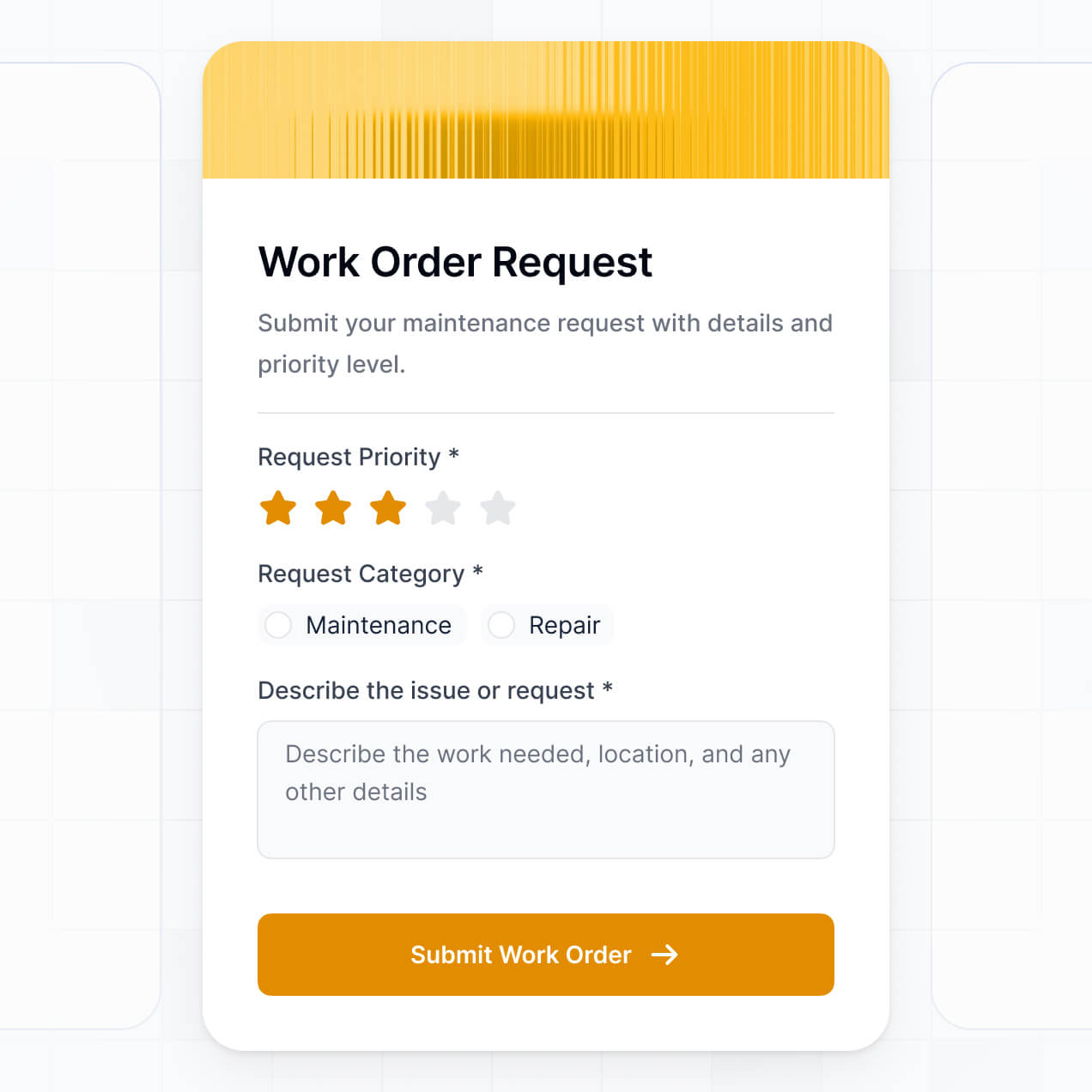
- Forms & Data Collection – Capture inspection reports and crew manifests with custom forms and file uploads.
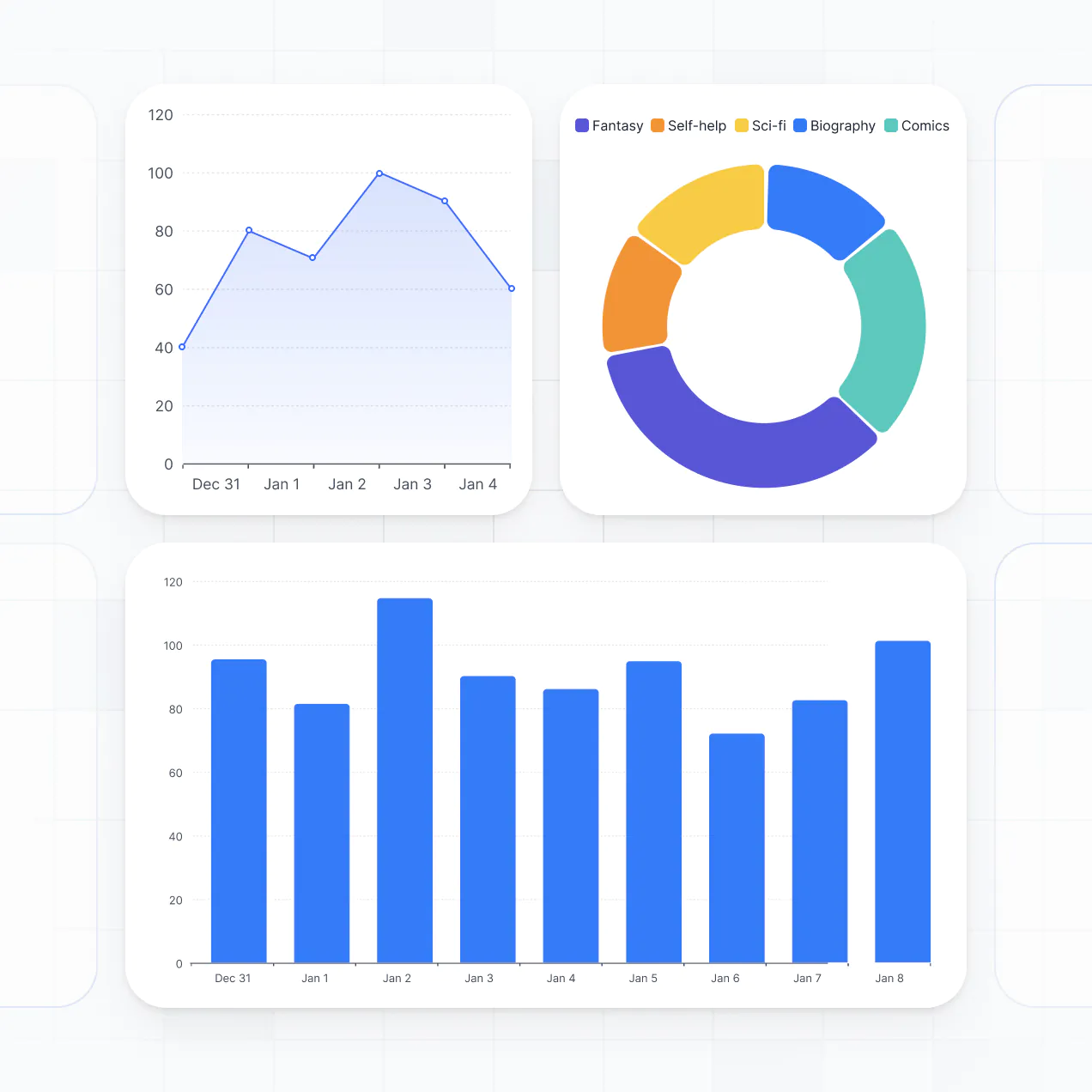
- Dashboards & Charts – Visualize port throughput, container dwell times, and port metrics with real-time charts.
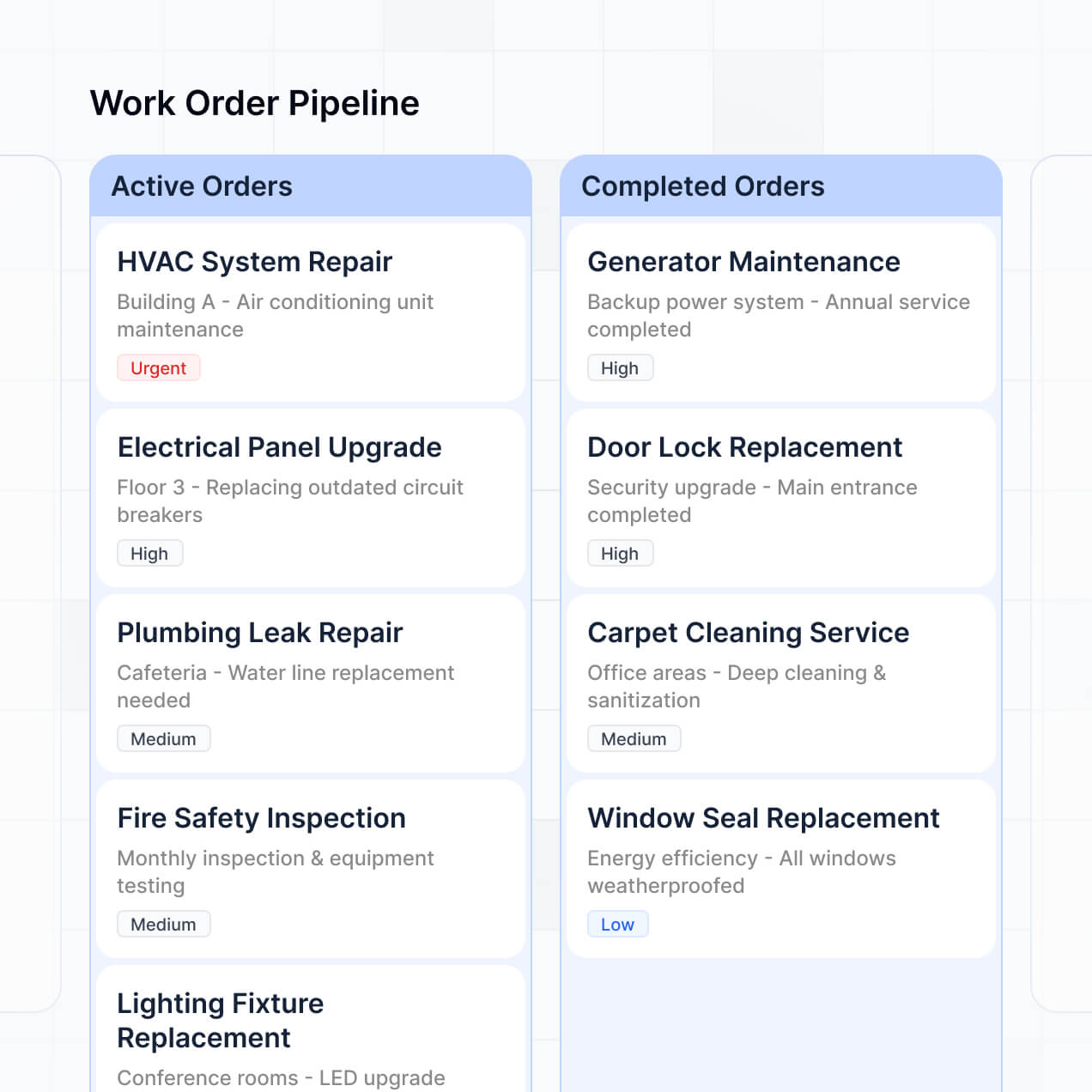
- Lists & Advanced Filtering – Display and manage your inventory with searchable tables and kanban boards for cargo processing.
Everything is built using Softr's drag-and-drop blocks, so you can create these features without writing code.
Vibe coding is all about moving fast and using AI to build exactly the maritime ERP you need. You can "vibe code" a port management system in Softr by simply describing your operational requirements—such as vessel docking logic or cargo tracking—to the AI Co-Builder. Softr then generates a production-ready app on top of a stable, secure foundation.
Unlike other tools that just generate raw, fragile code for a terminal dashboard, Softr handles the "boring 80%"—like authentication, database logic, and security—natively. This means you get the speed of vibe coding without the "Day Two" headaches of managing raw code in a critical infrastructure setting. You describe it, Softr builds it, and it’s ready for your harbor team instantly.
Yes. You can manage multiple shipping lines, customs agents, or third-party logistics teams in a single portal. Each user only sees the vessel schedules, cargo manifests, and billing data assigned to them, based on their login and role. This is essential for a port ERP working with multiple international stakeholders simultaneously.
Yes, you can. You don't need to bring your vessel or cargo data from somewhere else to start building with Softr. If you're starting from scratch, you can use Softr Databases, which is built into the platform and handles relational shipping data perfectly for any ERP you build.
But if you already have port data in tools like Airtable, SQL servers, or Monday.com, you can connect those too. You can also use the REST API connector to bring in live AIS vessel tracking data. Either way, you have full control over how your terminal and logistics data is structured and displayed.
Softr Databases is the recommended native, relational data source for your port management system. It is built explicitly for business apps, offering the highest performance for tracking high-frequency cargo movements and instant automation triggers for time-sensitive maritime operations.
If you already have your logistics data elsewhere, Softr also connects to 17+ external data sources. You can connect to Airtable, BigQuery, SQL, and more. You can even integrate multiple data sources—so your port ERP could pull in crew lists from Softr Databases and billing data from HubSpot at once. Most sources support real-time, two-way sync, so vessel arrivals and cargo status updates stay in sync automatically.
Yes, Softr gives you full control over how different maritime staff experience your port management system. You can customize the layout and content to match your specific terminal workflows. Each block can be shown or hidden based on roles: dock workers might only see task lists, while port directors see high-level financial dashboards.
You can set up different user roles—such as Harbor Master, Shipping Agent, or Terminal Operator—and define exactly what each role can view or edit. For example, agents can only see their own cargo certificates, while admins can manage the entire port schedule. This level of customization keeps your ERP clean, secure, and tailored to the high-stakes environment of maritime logistics.
Yes, you can fully white-label your port management system in Softr. You can use your port authority logo, brand colors, fonts, and a custom portal domain to make the platform feel like a proprietary internal tool. You can remove all Softr branding, so shipping lines and contractors only see your official branding throughout the vessel registration and billing process.
Yes, you can. Softr gives you a lot of flexibility to control both the design and layout of your port ERP. You can adjust colors to match safety standards, choose clear fonts for operational readability, and set page structures for efficiency.
To display your maritime data, you can add different types of blocks:
- Table blocks – to show structured data like vessel arrival logs and billing history.
- List or Card blocks – to highlight active terminal projects or cargo zones.
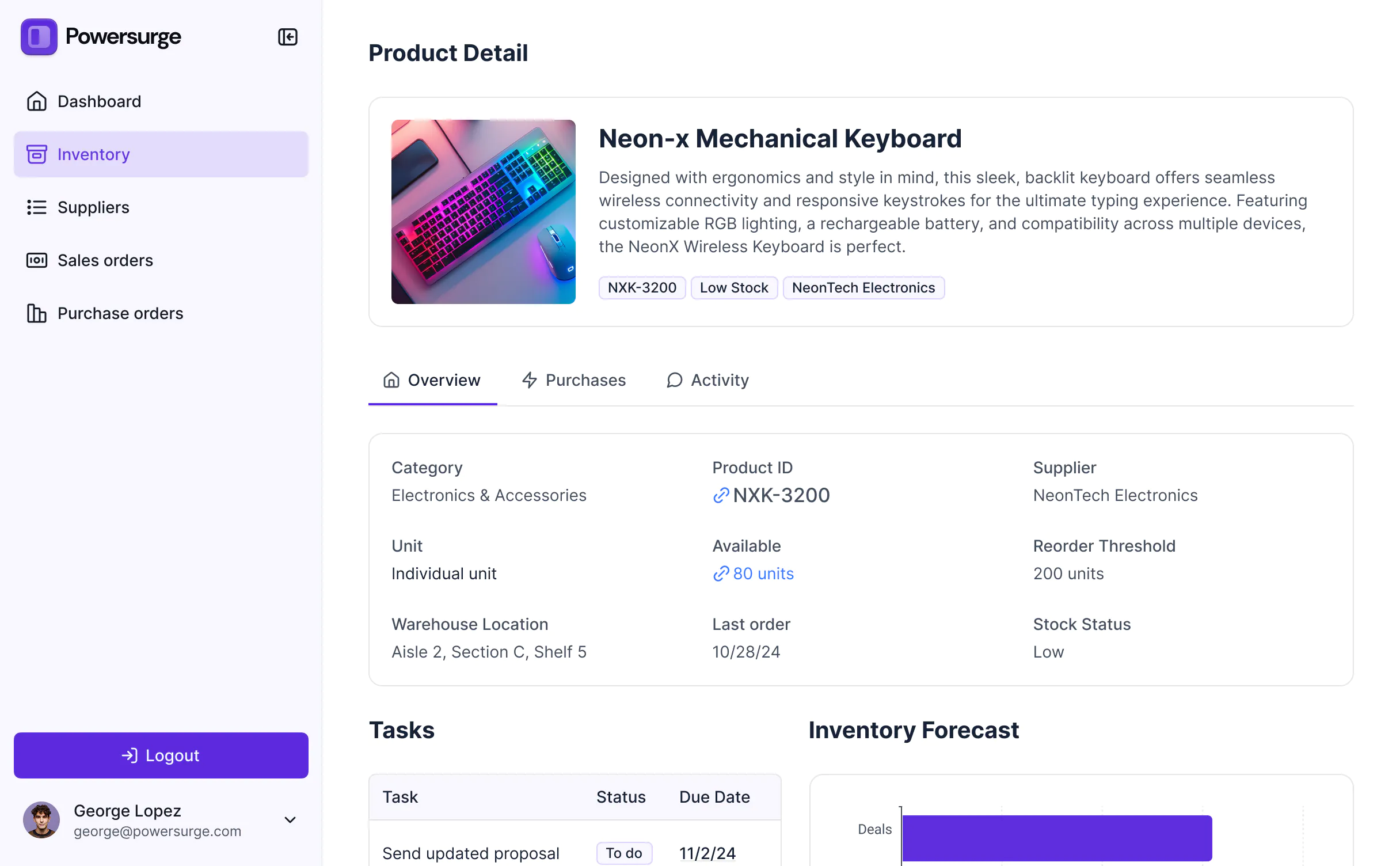
- Detail View – to show individual vessel profiles, including crew manifest and draft requirements.
- Forms – for cargo declarations and incident reporting.
- Charts – to show port occupancy and container volume.
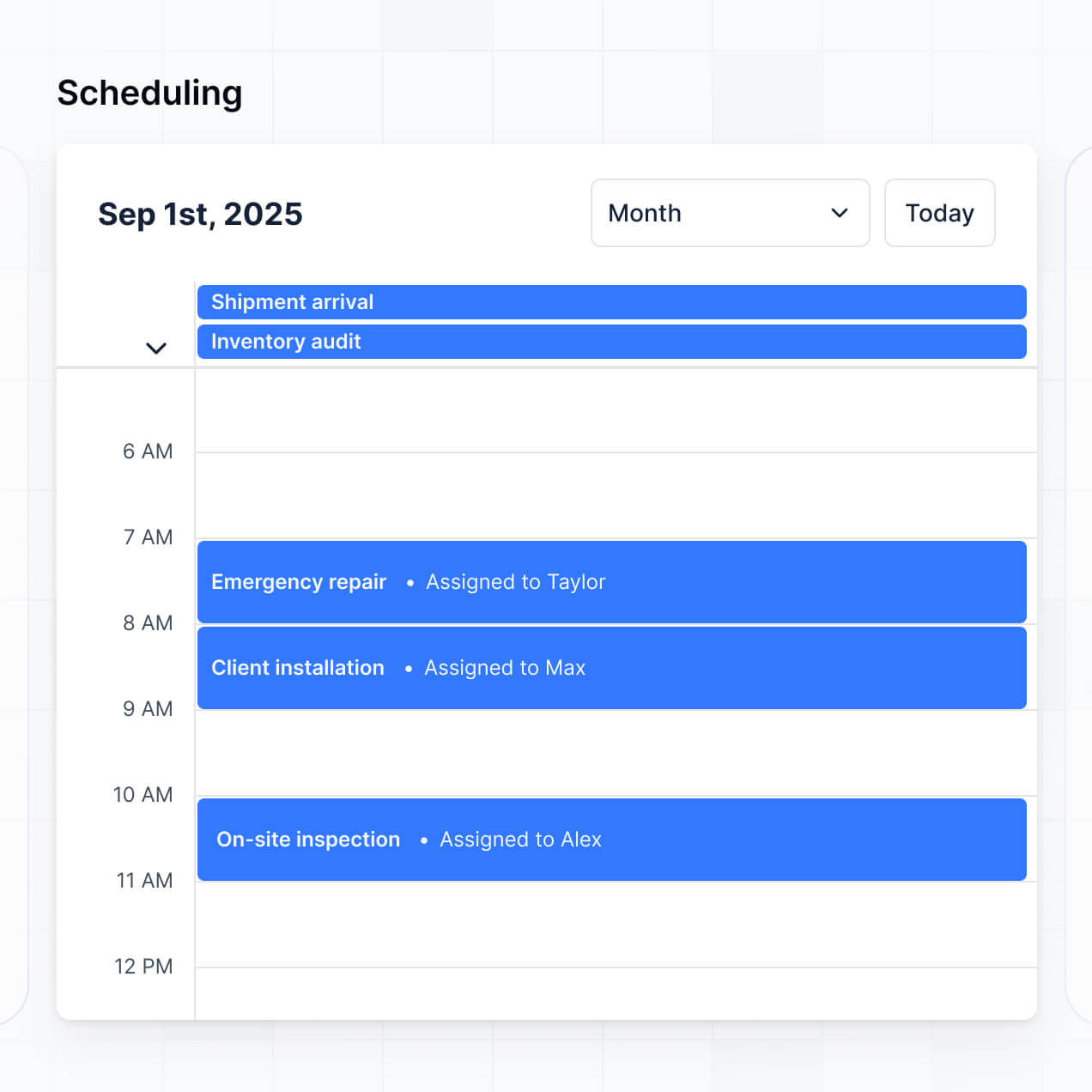
- Calendar blocks – to display docking schedules and maintenance windows.
If port regulations change, it's easy to update the layout right in the visual builder.
Softr is built with enterprise-grade security for critical systems. All maritime data is encrypted in transit and at rest. You have full control over role-based permissions, ensuring sensitive customs documents and port financials are only accessible to authorized personnel.
For apps using Softr Databases, your data is stored in a secure environment with SOC 2 Type II compliance and European hosting. For port systems connected to external databases like SQL or BigQuery, Softr doesn't store your data locally; it displays it in real-time based on your strict access settings. You are always in control of your port infrastructure data.
It is fully production-ready. Unlike many AI tools that generate fragile code for simple prototypes, Softr builds your port management system on top of a stable, business-grade ERP foundation.
We handle the critical infrastructure needs—like secure authentication for port staff and granular data permissions—natively. This solves the "Day Two" problem for port operators: you get the speed of instant AI generation without the risk of managing raw, unreliable code in an environment where operational uptime is vital. Your app is scalable and ready for high-volume terminal management from day one.
Softr is the first AI-native platform for building business software. Unlike pure "vibe coding" tools that generate code that is difficult to secure for port operations, or traditional no-code tools that require months of manual setup, Softr's AI Co-Builder creates a maritime ERP on top of a secure foundation.
The hybrid advantage allows you to use AI to generate your vessel database and logic in minutes, then use visual controls for precise harbor management. You get the speed of AI with the reliability of business-grade infrastructure already built-in. It's designed for logistics teams who need to move from a manual port process to a digital ERP on day one.
Yes. Softr supports powerful native workflows and a wide range of integrations so you can connect your port management system to the rest of your logistics stack. You can automate tasks using Softr Workflows—like triggering a customs notification when cargo is marked 'cleared'—or sync with tools like Stripe for port dues. Softr also supports REST API for connecting to maritime IoT and vessel tracking systems. Whether you need to sync with external shipping APIs or trigger automated cargo alerts, you can build it all without writing code.
Describe what you need. Softr's AI builds your custom logistics system in minutes.