



Softr vs. Bubble
Finding Bubble too complex for your team? Try Softr, the easiest way to build custom business apps without code.
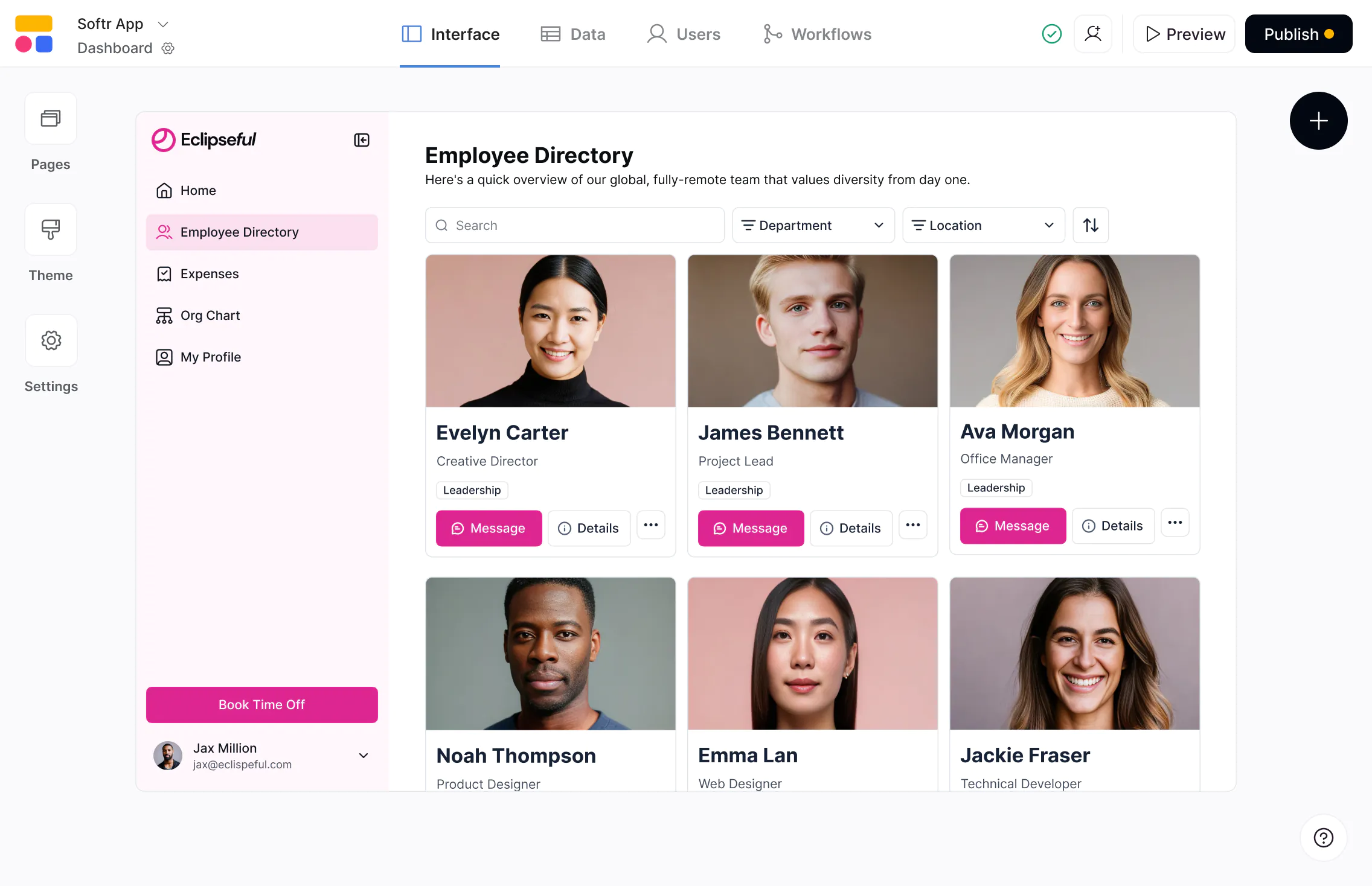










The #1 Bubble alternative for business apps
Build scalable, full-stack apps on real business data—with predictable pricing and full control as you grow.

Faster to build, easier to maintain.
Bubble assumes technical experience and requires more setup to keep apps running smoothly. Softr lets non-technical teams build and maintain full apps and portals without engineering support.

Built for both internal and external users.
Bubble is powerful but is primarily designed for MVP or SaaS-style apps where user permissions must be built manually. Softr includes built-in authentication, granular permissions, and utility pages.

Predictable pricing with more value built in.
Bubble’s workload-based pricing can be difficult to estimate and increases sharply as usage grows. Softr offers predictable plans with generous user and record limits, making it easier to scale apps for teams or clients.

Why businesses are choosing Softr over Bubble
Better-looking interfaces, less effort
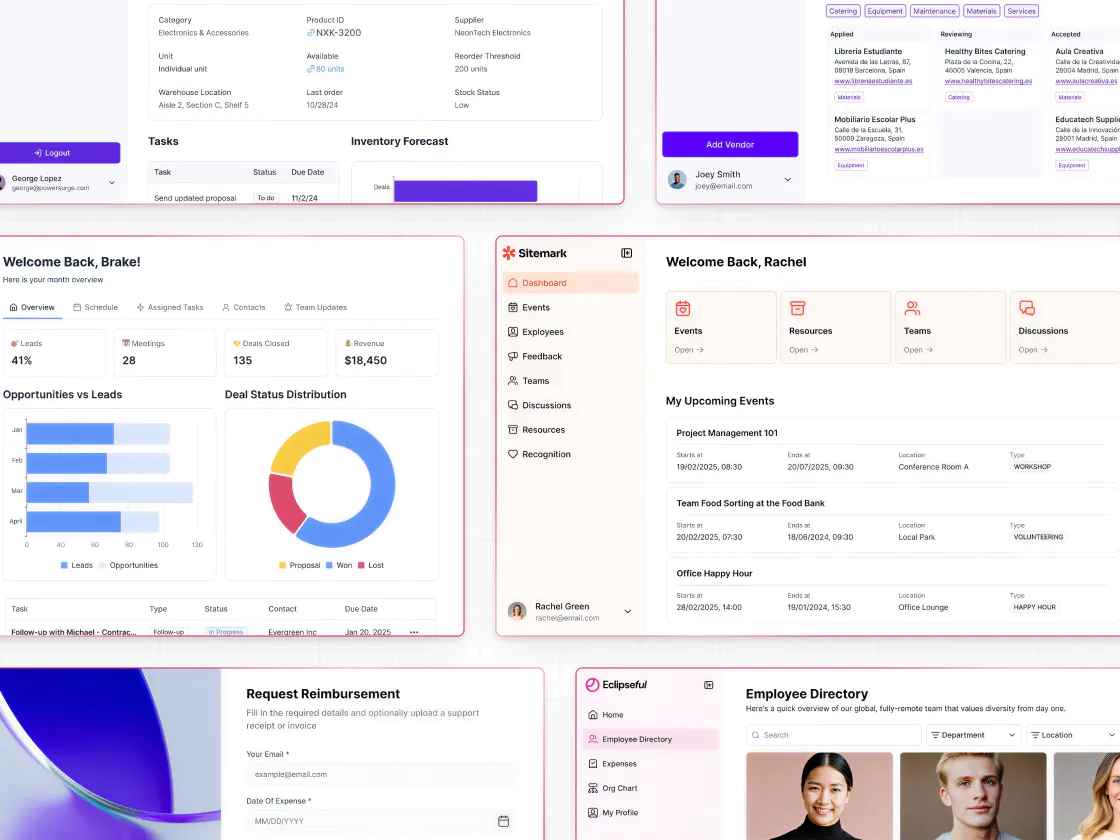
Bubble offers pixel-level control but requires design experience to create polished UIs. Softr provides flexible, modern building blocks (and 90+ templates), so your apps look professional without coding.
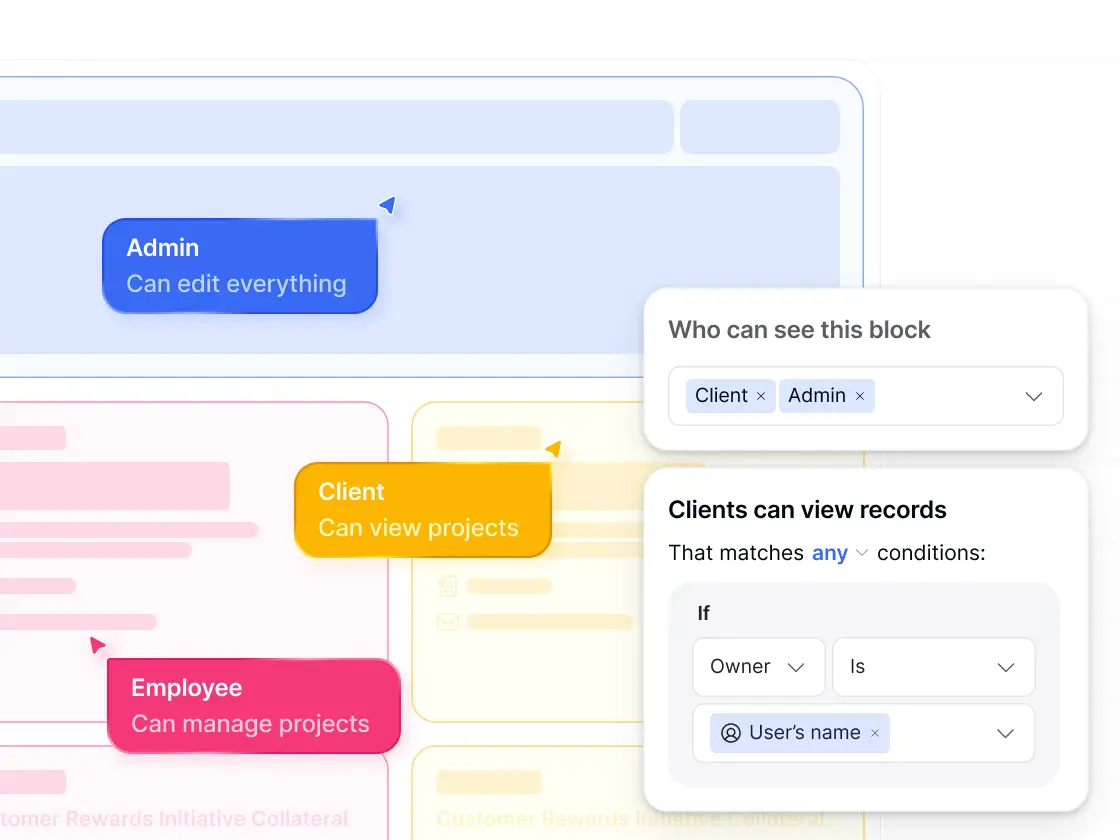
Granular, server-side permissions
Bubble permissions often rely on client-side rules and custom workflows. Softr offers custom user groups, granular permissions, and global data restrictions, making it easier to protect sensitive business data.
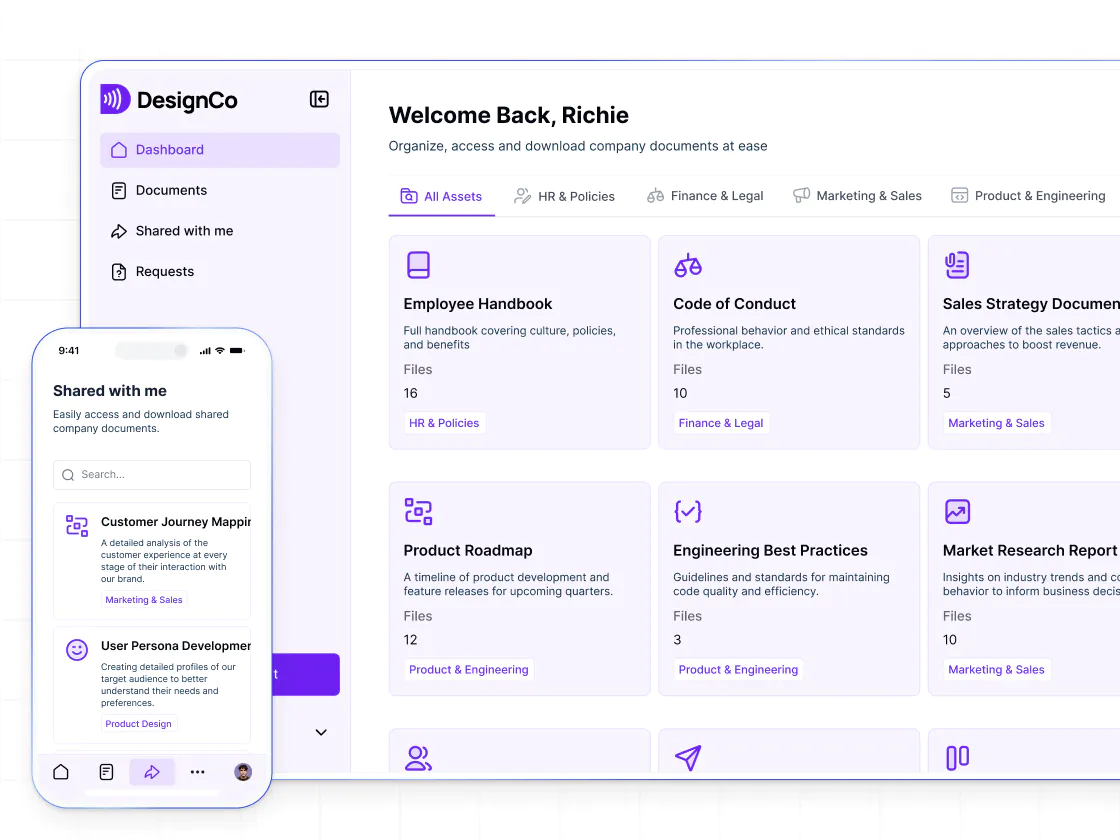
Built-in user management
Bubble requires you to build login, signup, password, and onboarding flows manually. Softr provides user authentication, utility pages, and custom onboarding right out of the box.
15+ native data source integrations
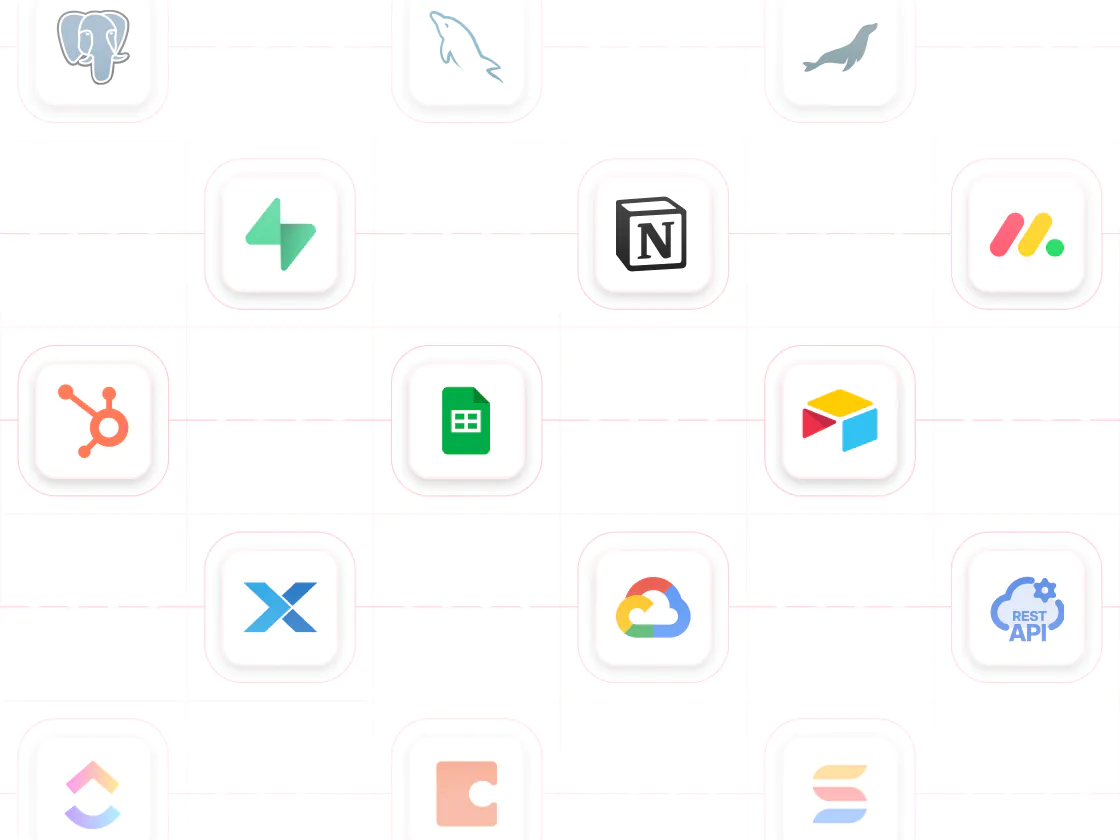
Bubble centers apps around its own database and requires API setup to connect external systems. Softr connects natively to Airtable, HubSpot, Google Sheets, Notion, SQL, Supabase, and more—so your apps stay in sync with the tools your business already uses.
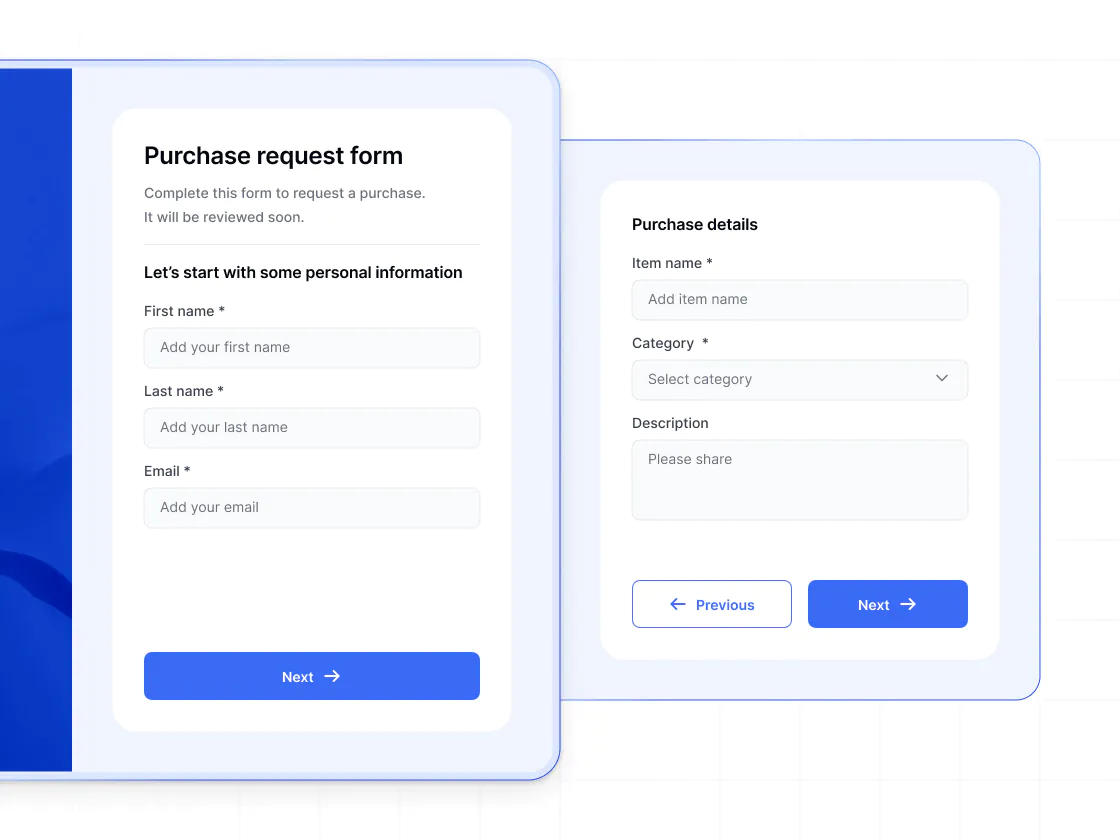
Advanced conditional forms
Bubble can support complex forms, but usually requires custom workflows or plugins. Softr’s multi-step, conditional forms work natively with your data and can trigger workflows directly in your apps.
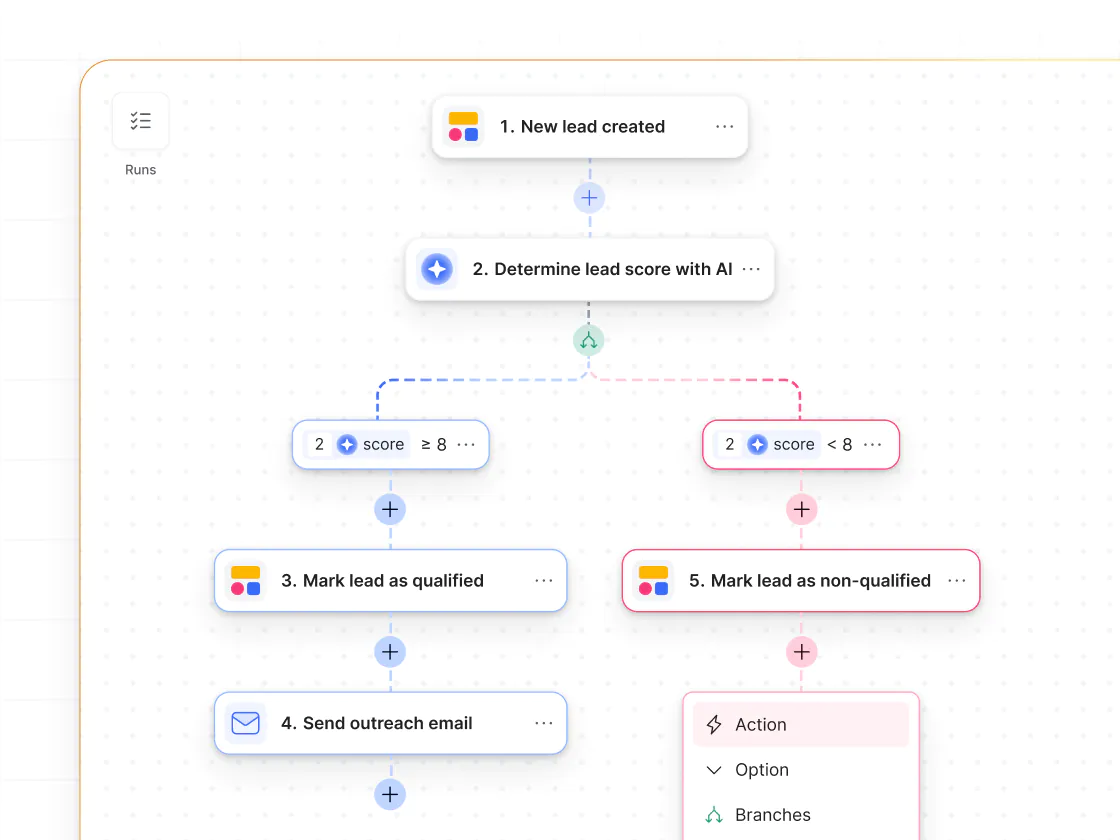
Easier, more visual workflows
Bubble’s workflows are powerful, but harder for non-technical teams to set up. Softr Workflows offer a clean visual builder with triggers, actions, and AI Agents—plus, an AI Co-builder that can generate workflow steps for you.
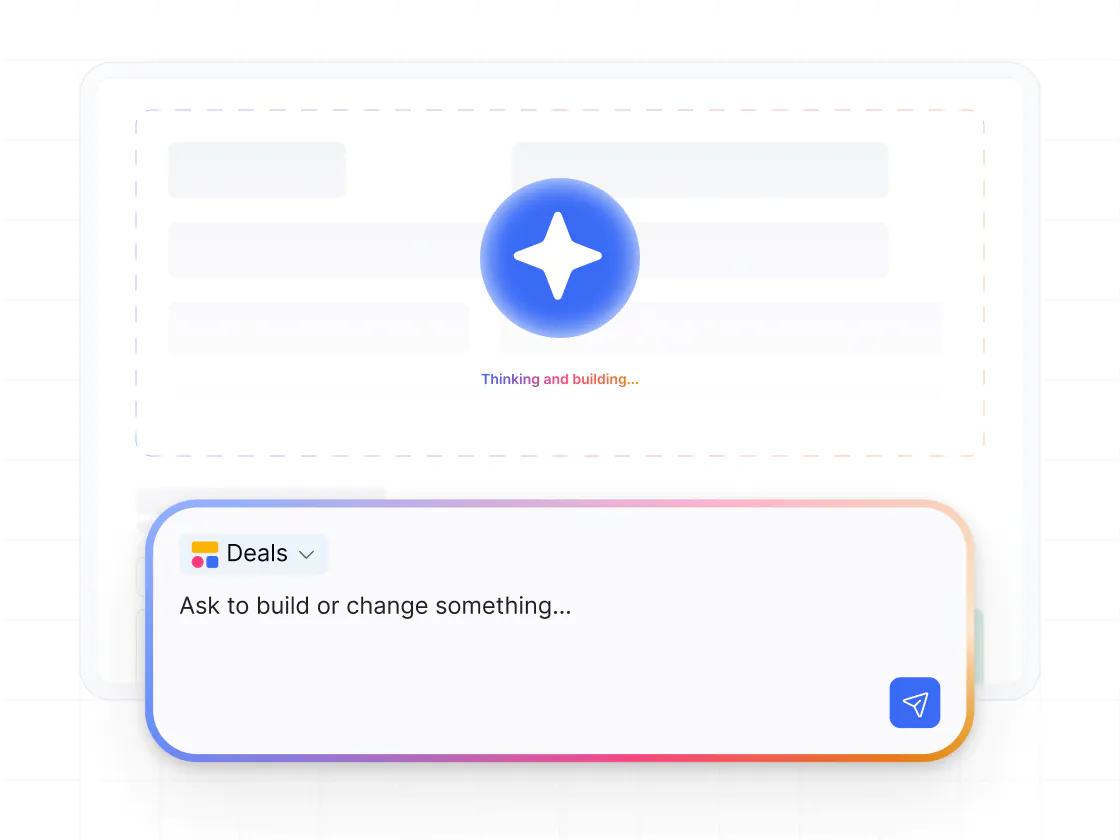
Vibe coding for custom tools and UI
Vibe coding in Softr lets you generate custom tools and UIs from a prompt—inside a real app. Vibe-coded blocks connect to live data, support CRUD actions, follow data permissions, and include version history.
.svg)
See how Softr compares to Bubble
Deciding between Bubble and Softr? With Softr, you get more ease of use and flexibility, with faster performance—and a better price.
Functionalities | | Bubble |
|---|---|---|
Ease of use | Visual, AI app builder | Steep learning curve |
Design flexibility | Modern blocks, flexible layouts | Design control via complex setup |
Templates | 90+ business app templates | Template marketplace available |
Data flexiblity | Native databases, plus build on top of 15+ external data sources (Airtable, Notion, HubSpot) | Bubble Databases + APIs to connect external data |
Permissions & access | Custom user groups, granular permissions, and global data restrictions | Requires custom setup |
External users | Supports secure access for external users | Supports external users but requires custom logic |
Forms | Multi-step forms with conditional logic | Requires plugins |
Workflow automation | Built-in workflows (includes app UI triggers) | Built-in workflows, more complex to set up |
AI Agents | AI Agents for databases and workflows | Via plugins or APIs |
Mobile experience | Responsive web apps with PWA support | Manual responsive setup |
Pricing model | Predictable pricing with generous user and record limits | Less predictable pricing, heavily based on "workload units" |

Go from zero to app, incredibly fast
Co-build with AI
Simply describe what you need. Let Softr handle everything - Interface, database, workflows.
Iterate with AI or visually
Control most critical parts of your app yourself - roles, permissions, security.
Ship the same day
Invite team members or external clients and partners right away. No developer handover.


Frequently asked questions
What’s the key difference between Softr and Bubble?
Is Softr easier to use than Bubble?
Is Softr more affordable than Bubble?
Can Softr support both internal and external facing apps?
Which platform is better for portals, CRMs, and internal tools?
Can I migrate from Bubble to Softr?
What kinds of apps can I build with Softr?
Join 1M companies building apps with Softr
See how easy it is to automate and run your business.