



Softr vs. Airtable Interface Designer
Hitting limits with Airtable Interfaces? Try Softr, the fastest way to build custom apps with logins, permissions, and workflows.
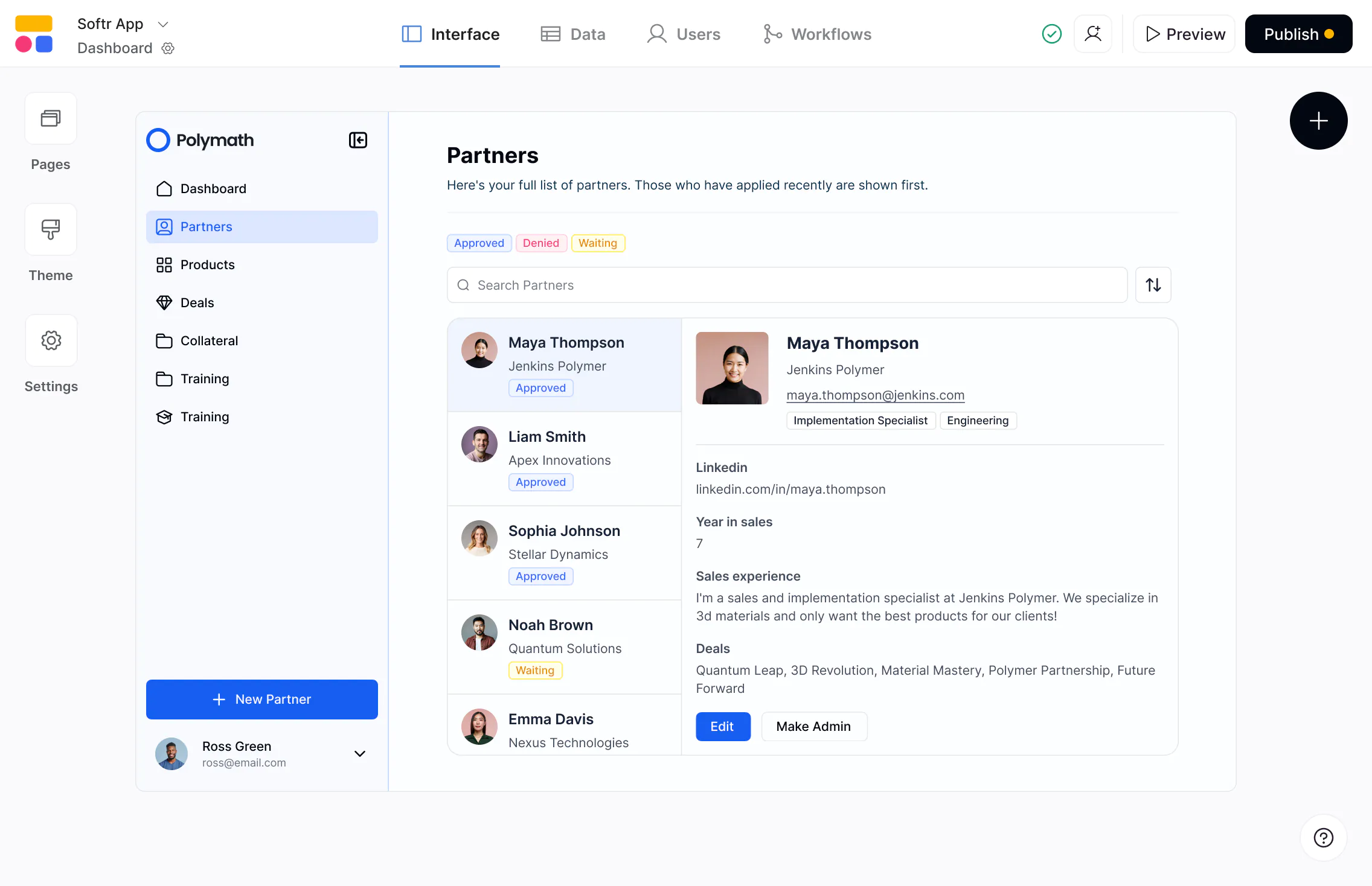










The #1 Airtable Interface Designer alternative
Build custom apps with drag-and-drop blocks, built-in workflows, and AI—all easy to iterate on as your business grows.

Full-stack apps, not just interfaces.
Airtable Interface Designer helps teams create internal views of their data. Softr is a full-stack app builder that turns that data into real software, with user management, custom design, and workflow automation.

Built for real users and real access control.
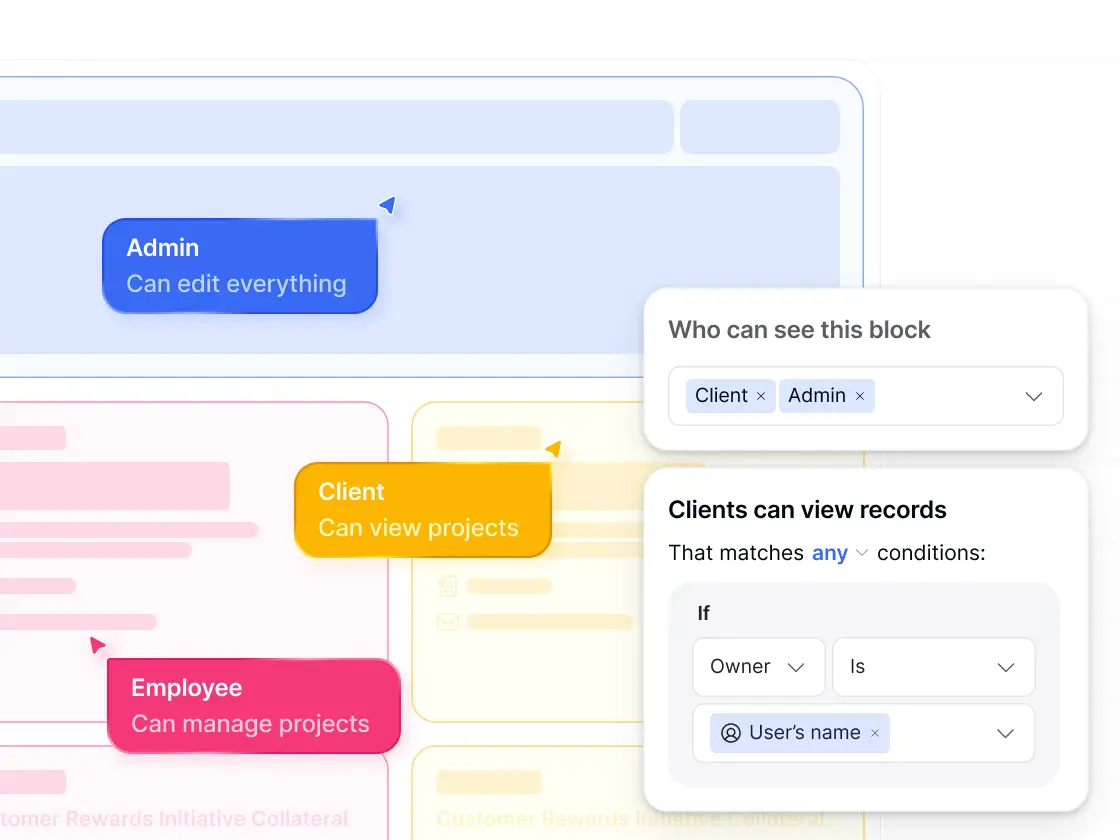
Airtable offers limited permission controls. Softr supports custom user groups and granular permissions, so employees, clients, and partners can safely access the same app with different levels of visibility.

Scale without seat-based pricing.
Airtable charges per-seat pricing, even for collaborators, and has strict record limits. Softr offers more generous user and record limits across plans, making it easier to scale databases and apps without escalating costs.

Why businesses are choosing Softr over Airtable Interface Designer
Build real business software
Interfaces are designed for simple internal views of Airtable data. Softr lets you build internal tools, client portals, partner hubs, CRMs, and more—all with logins, user authentication, and custom logic and design.
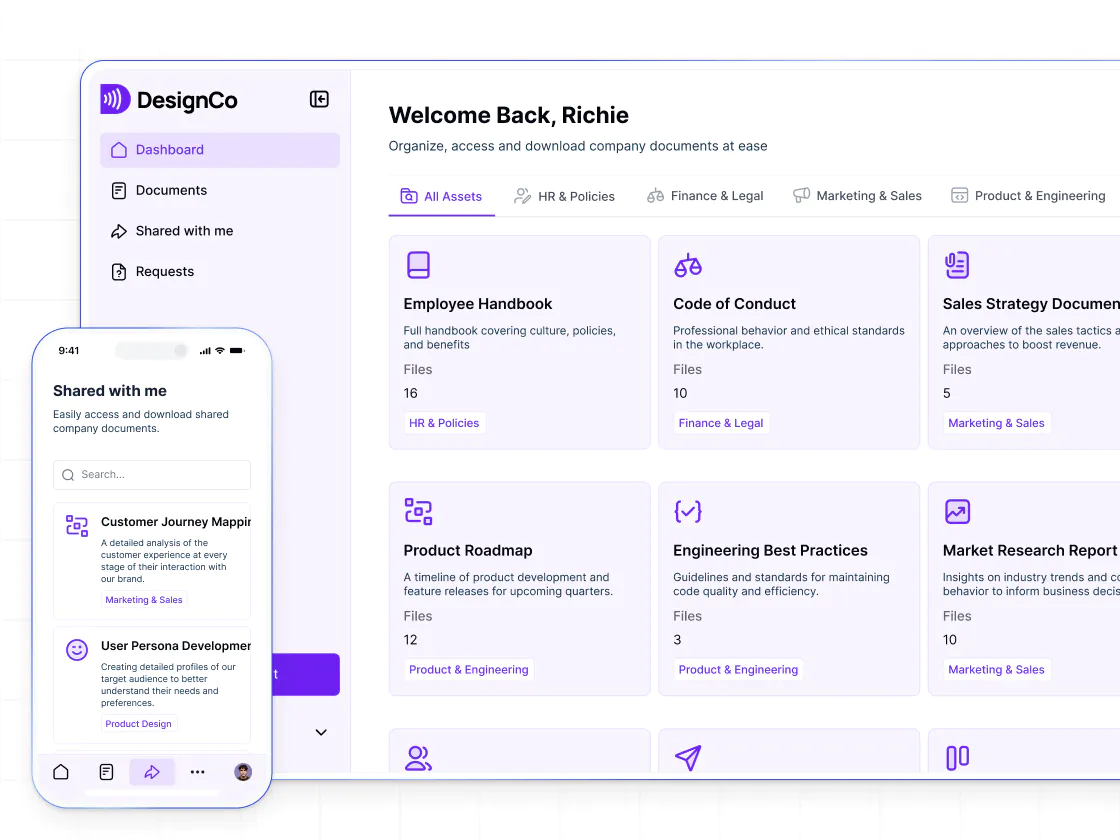
Granular user permissions
Interfaces rely on base-level Airtable roles. Softr supports custom user groups, global data restrictions, and conditional filters to control exactly who can see or edit specific data.
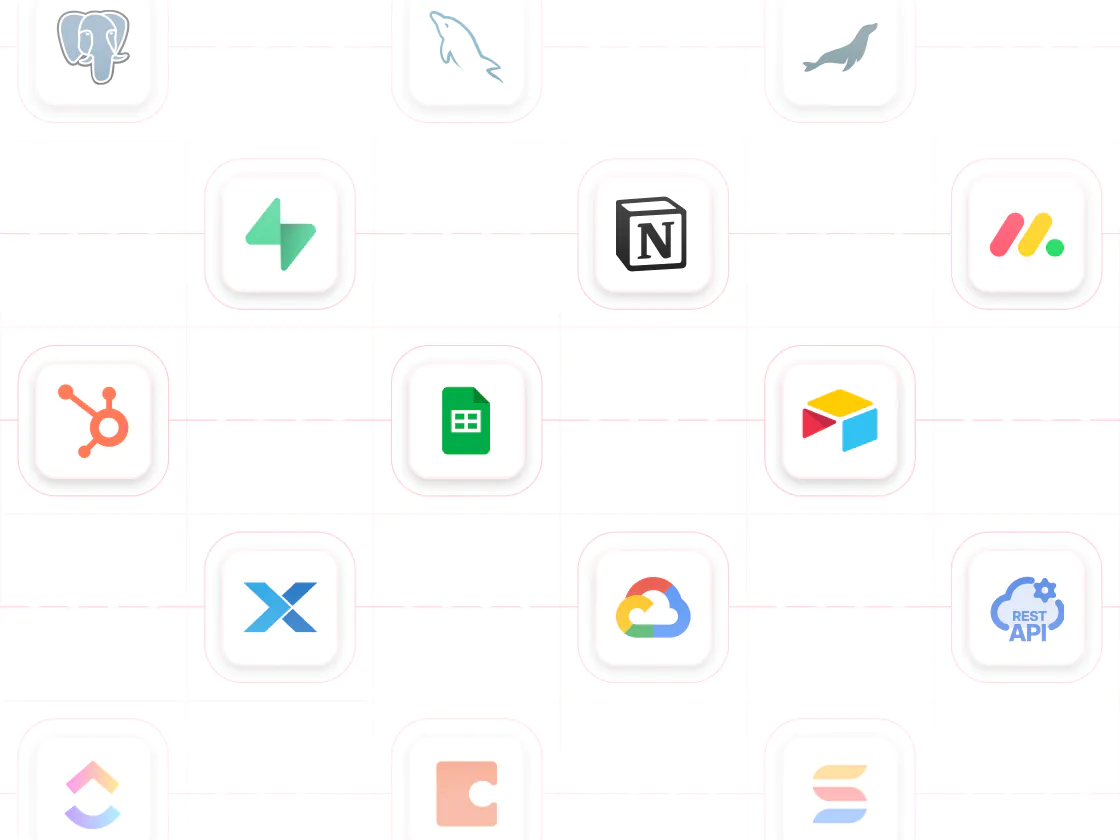
Multiple data sources, one app
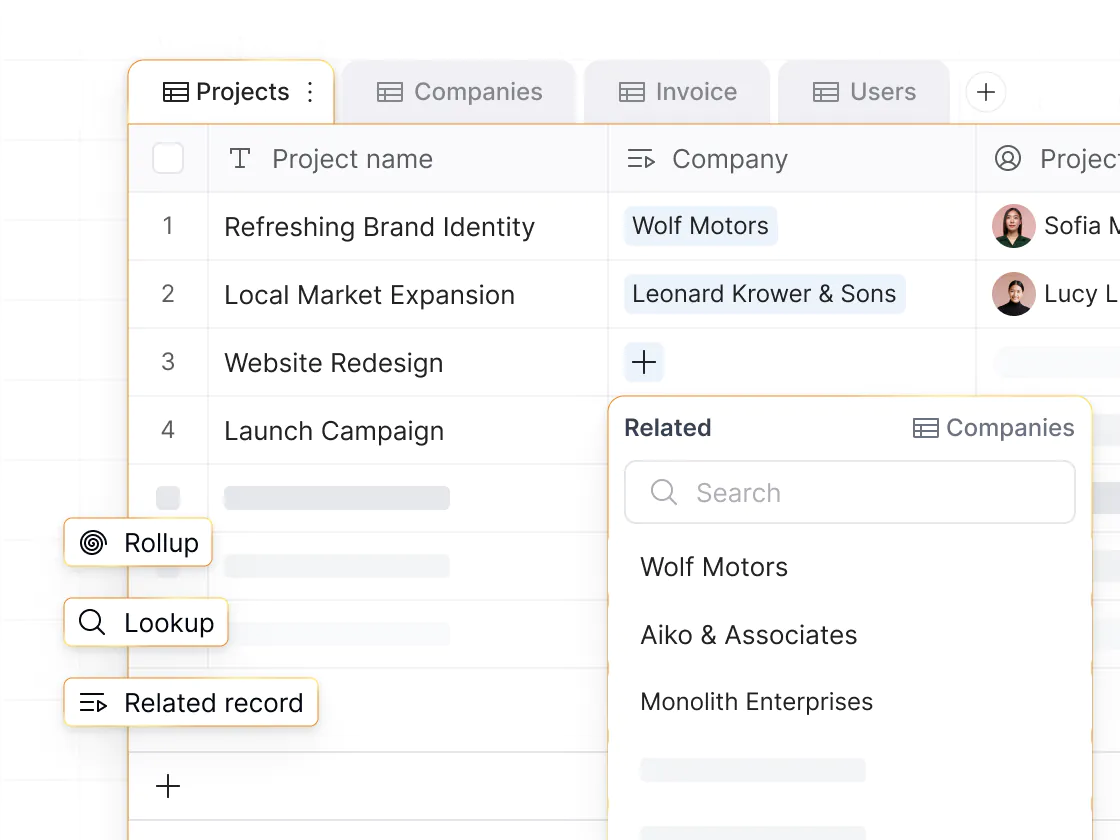
Interfaces only work with Airtable. Softr connects to 100+ data sources, including Airtable, Notion, Google Sheets, HubSpot, and Softr Databases, so you can combine data from multiple sources in one app.
Forms that power workflows
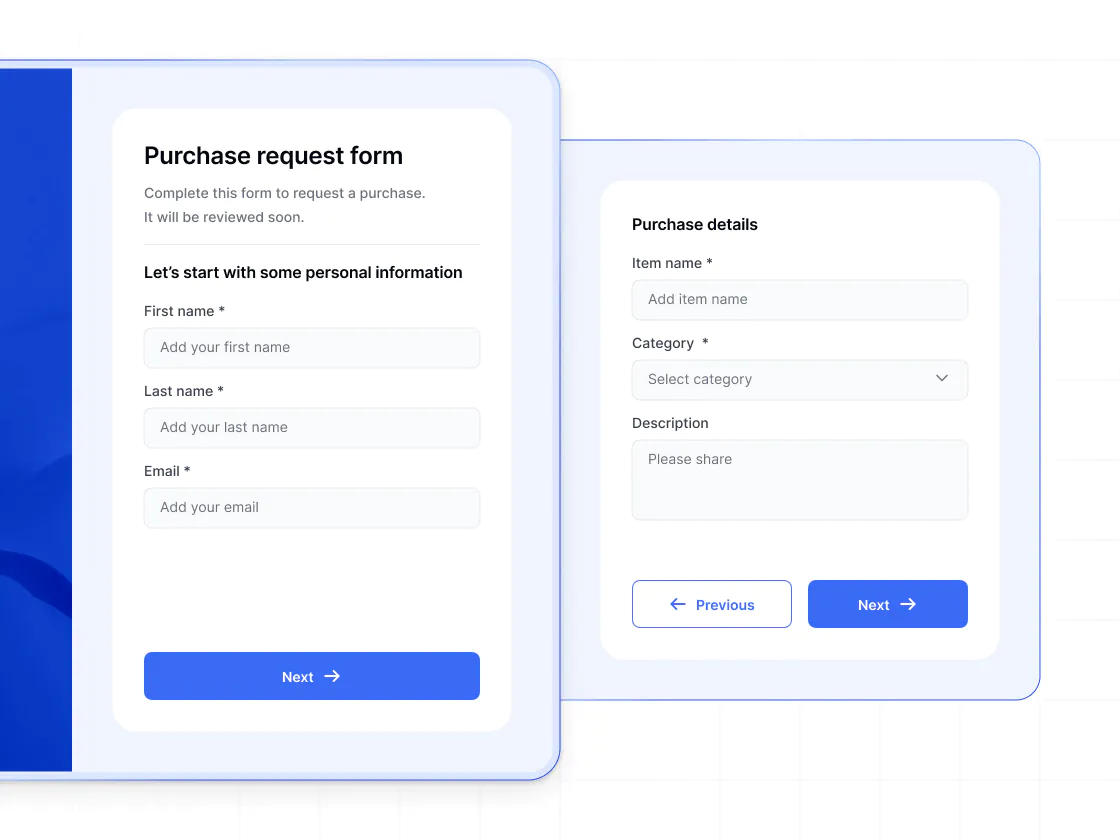
Airtable Forms are limited to basic data collection. Softr supports multi-step forms with conditional logic and advanced customization. You can even trigger workflows directly from in-app form submissions.
Speedy, scalable databases
Airtable runs into performance issues at scale, and when you add more linked records, formulas, or automations. Softr Databases are built for speed, supporting up to 1M records per workspace—with no lag and no API rate limits.
AI built into the app experience
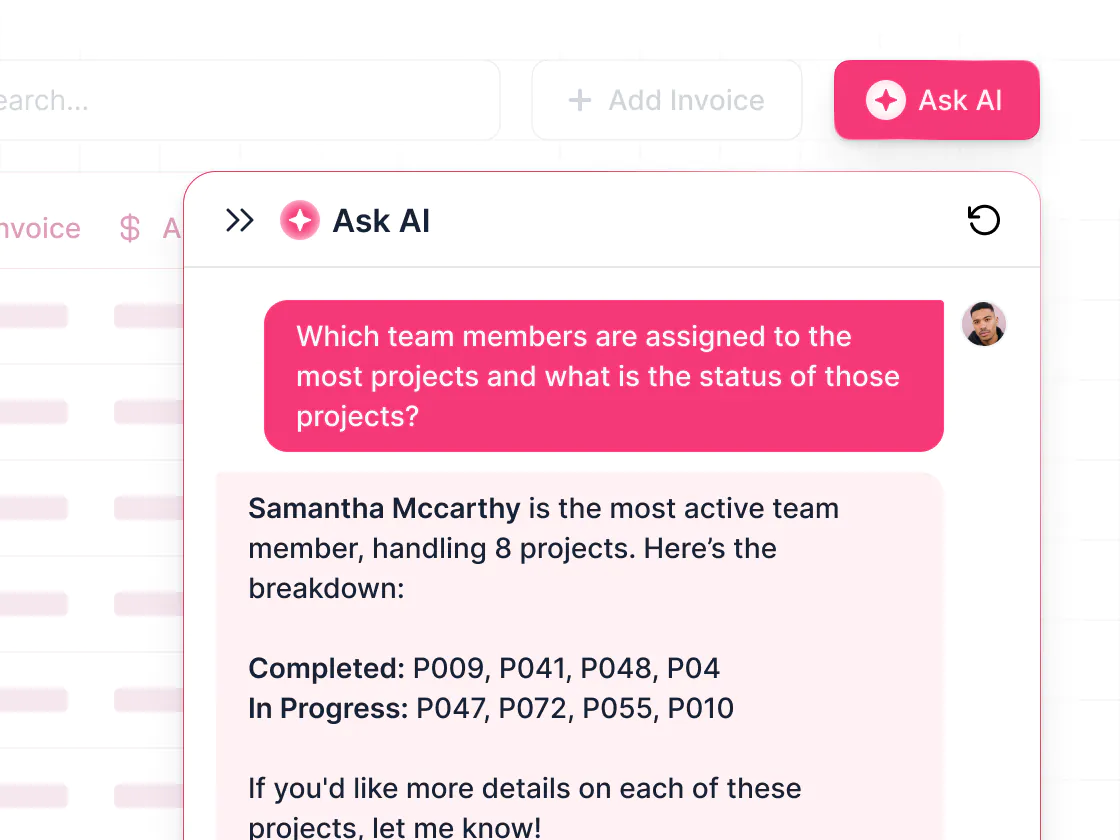
Airtable AI helps generate fields and formulas. Softr does that and more—letting you add AI directly into your apps, including Ask AI for querying live data while respecting user permissions.
.svg)
See how Softr compares to Airtable Interface Designer
Deciding between Airtable Interfaces and Softr? With Softr, you get more customization, better performance—and a much better price.
Functionalities | | Airtable |
|---|---|---|
Core focus | Full-stack app builder with databases & workflows | Interface layer for Airtable bases |
Ease of use | Visual, no-code builder with vibe coding option | Easy for internal views of data |
Data flexibility | Native databases, plus build on top of 15+ external data sources | Airtable only |
Database record limits | Up to 200K records per database (plan-based) | 50K–125K per base (plan-based) |
Design flexibility | Customizable layouts, navigation, and branding | Rigid layouts with limited customization |
Permissions & access | Custom user groups, granular permissions, and global data restrictions | Base-level roles with limited granularity |
External users | Supports secure access for external users | Paid guests via Portals or Interfaces |
Forms | Multi-page forms with conditional logic | Basic single-page forms |
Workflow automation | Built-in workflows (includes app UI triggers) | Built-in automations for bases |
Vibe coding | Prompt-based UI generation (connected to data) | Basic AI assistant |
AI Agents | AI Agents for databases and workflows | AI fields and basic AI in automations |
Mobile experience | Strong responsive layouts and PWA | Not optimized for mobile |
White label | Fully white-label apps on Pro plan and higher | Apps always carries Airtable branding |
Pricing | No per-seat pricing on paid plans; generous user and record limits | Per-seat pricing; paid guest packs for external users |

Go from zero to app, incredibly fast
Co-build with AI
Simply describe what you need. Let Softr handle everything - Interface, database, workflows.
Iterate with AI or visually
Control most critical parts of your app yourself - roles, permissions, security.
Ship the same day
Invite team members or external clients and partners right away. No developer handover.


Frequently asked questions
What’s the difference between Airtable Interface Designer and Softr?
Why do teams switch from Airtable Interface Designer to Softr?
Is Softr easier to use than Interface Designer?
How do Softr Databases perform at scale compared to Airtable?
How does Softr work with external data sources?
How do permissions compare between Softr and Airtable Interface Designer?
Are Softr apps mobile-friendly? How does this compare to Airtable Interfaces?
Can I build client or partner portals with Softr?
Does Softr include AI features that Airtable Interfaces don’t?
How does pricing compare between Softr and Airtable Interface Designer?
Can I easily move my data from Airtable to Softr Databases?
Join 1M companies building apps with Softr
See how easy it is to automate and run your business.