Coordinate launches, manage approvals, and track updates in an AI-powered system built with AI to fit your team's shipping workflow.
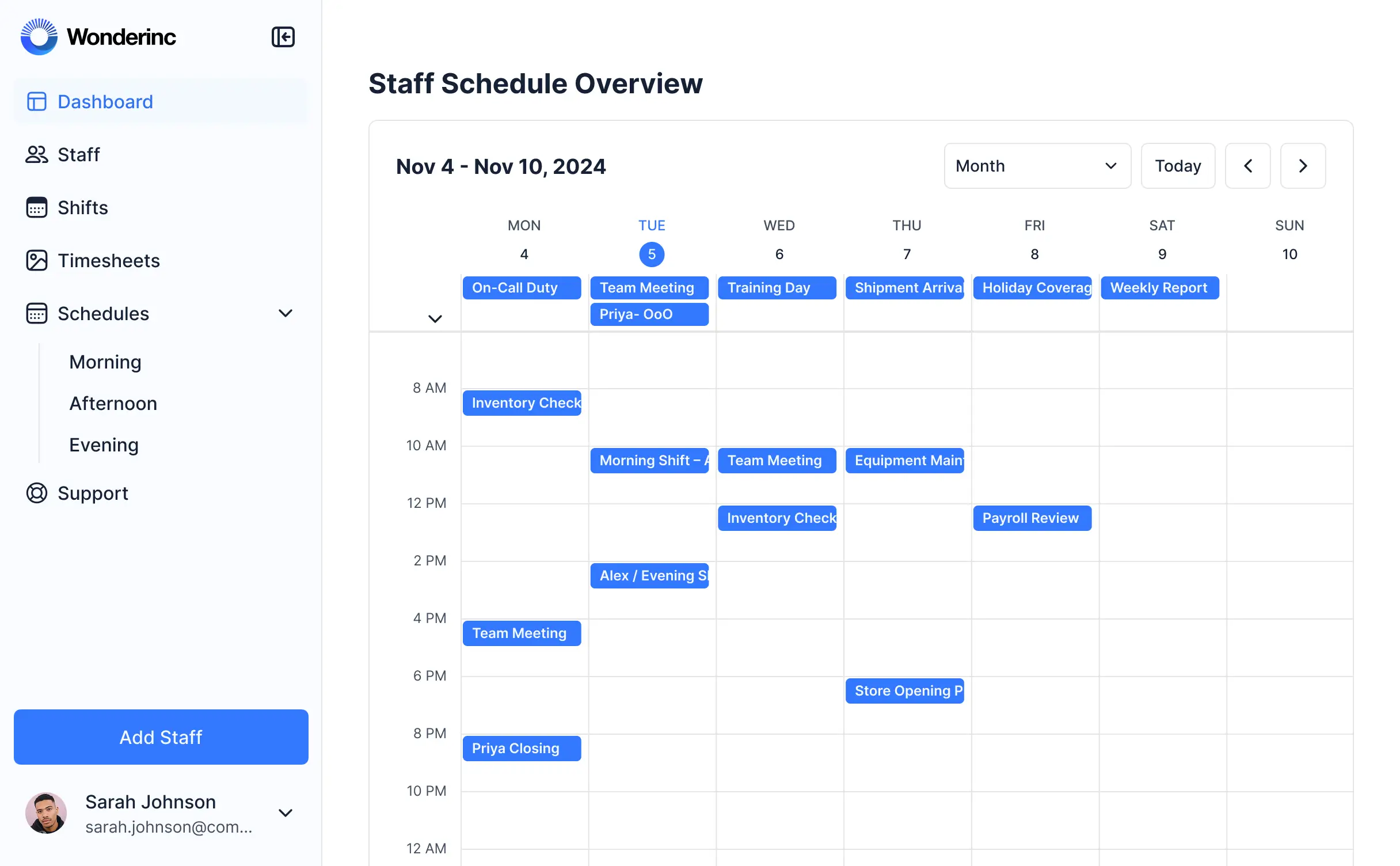



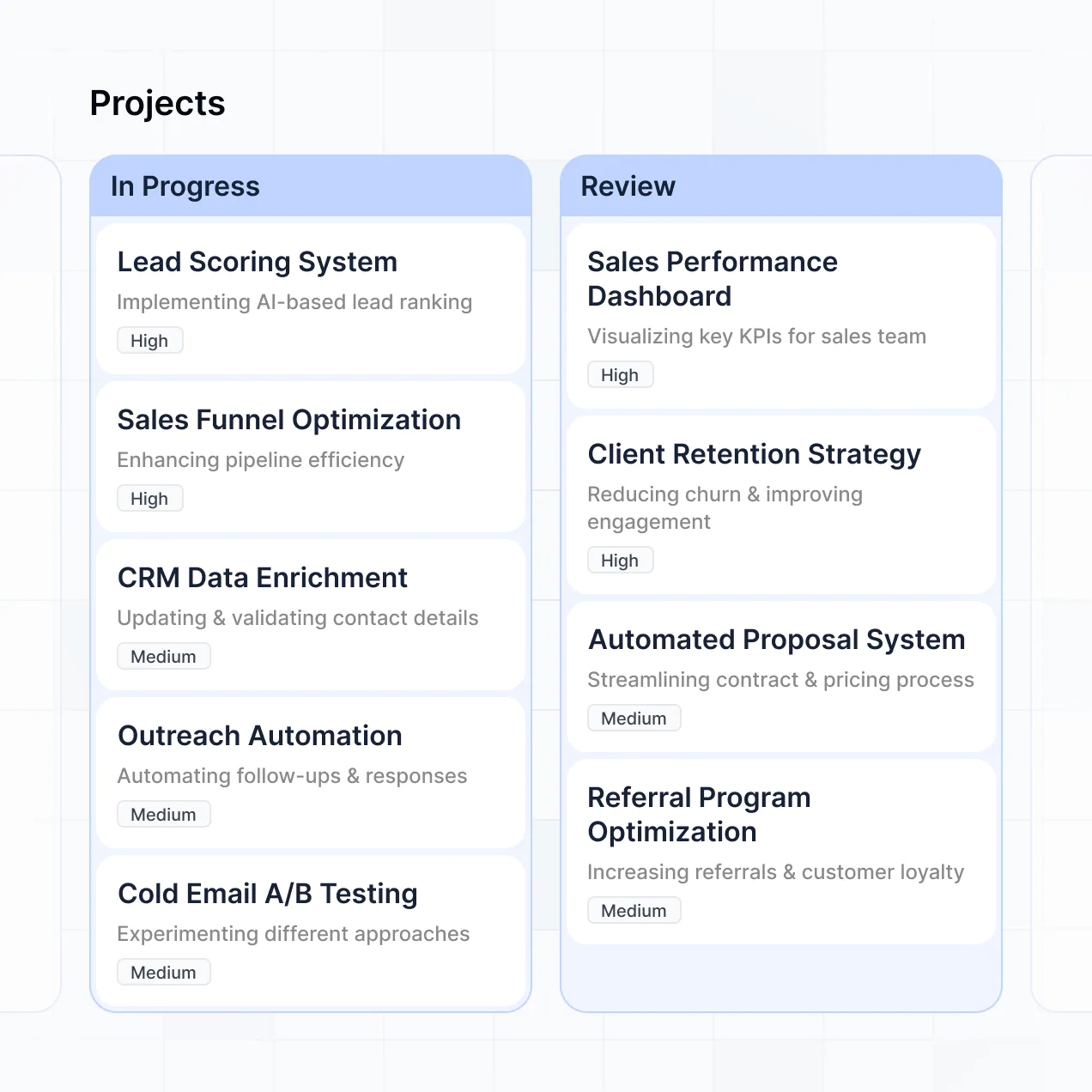
Customize your product release calendar setup with the exact steps and views your team needs. Add features as processes evolve—no code needed.


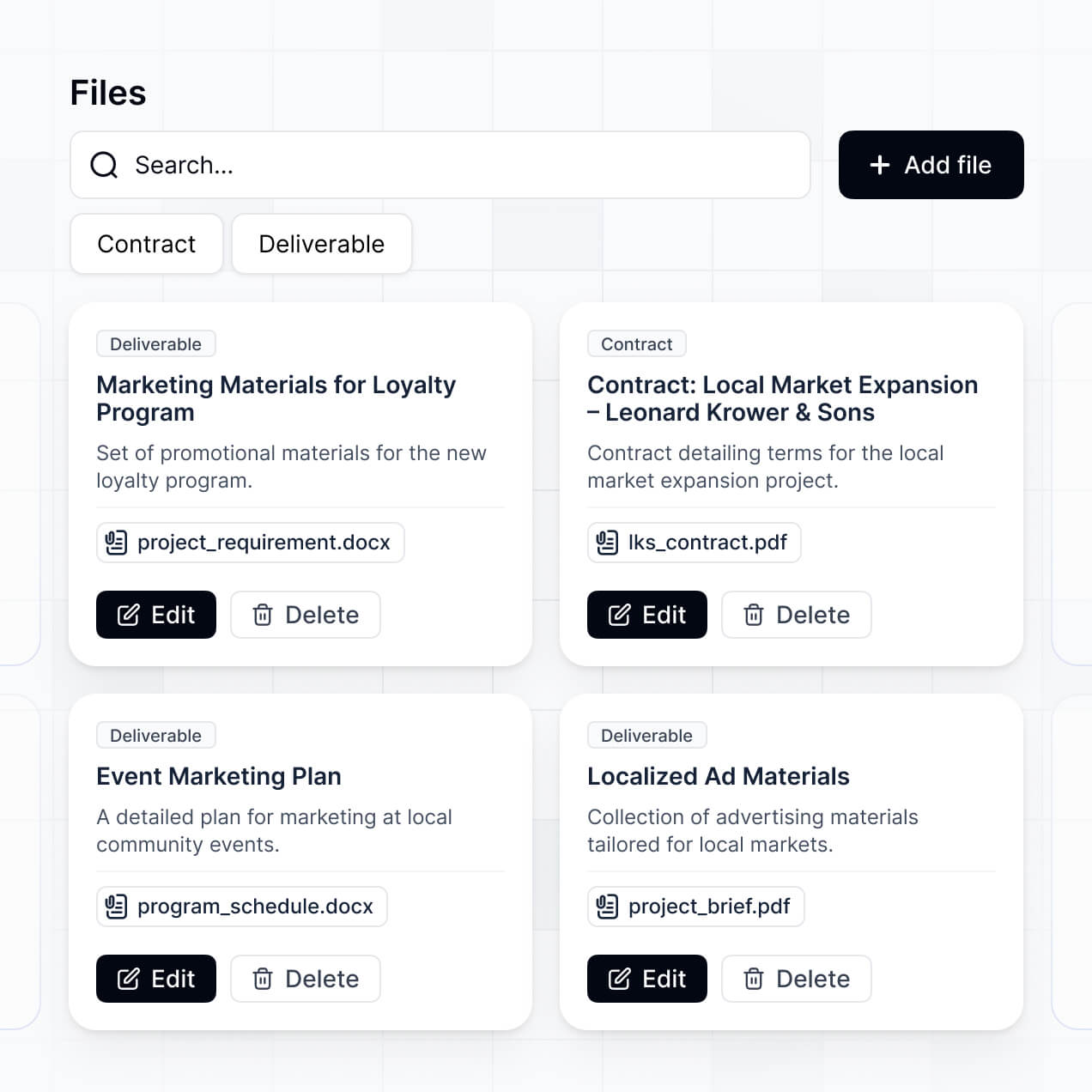
Connect product specs, roadmaps, and feature lists from multiple tools—or manage everything in Softr Databases. Create a single source of truth for your release cycle.
Give each teammate the right tools and access. Set up secure logins, user groups, and granular permissions—no IT support or dev work needed.
Give different team members tailored access and dashboards, so product managers and stakeholders see just what they need.
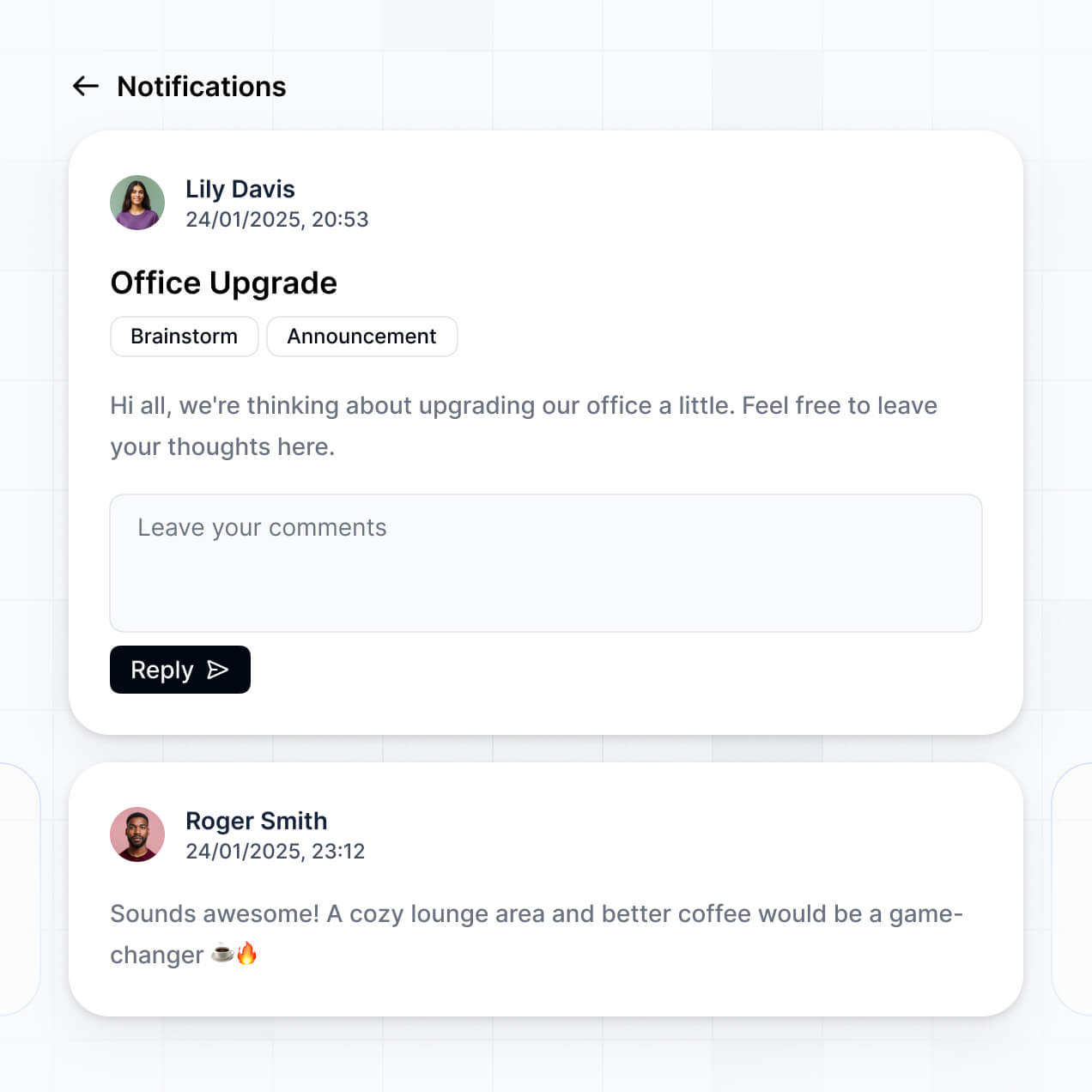
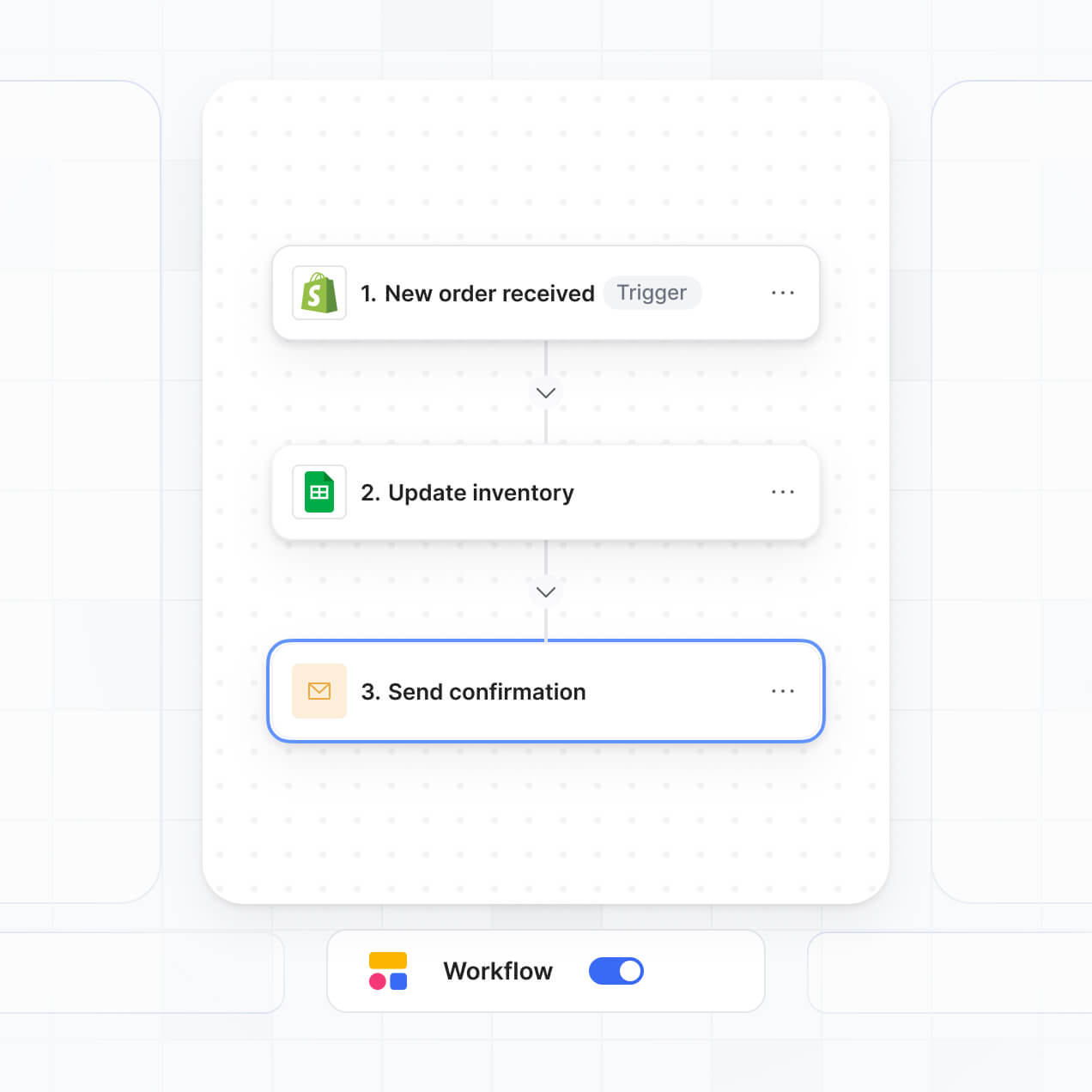
Streamline your launch processes with Softr Workflows. Trigger native notifications based on status changes to keep the whole team informed.
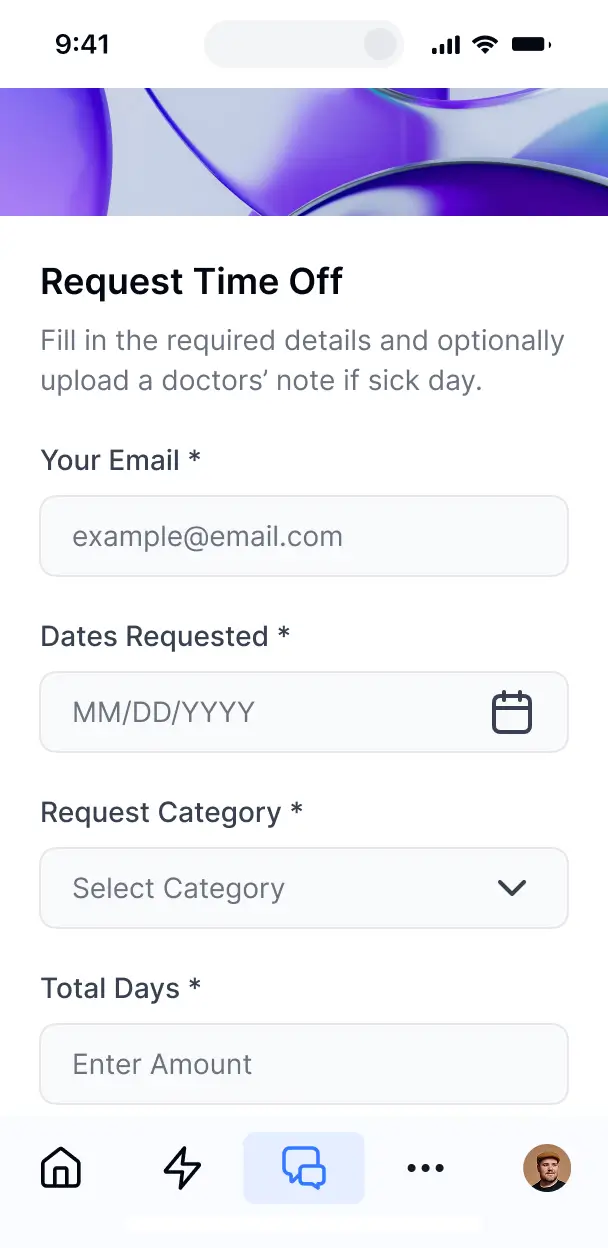
Access and update your product release calendar on the go. All roadmaps and timelines are mobile-ready out of the box.
Use Google, email, or SSO logins to give your internal team fast, secure access to the release schedule—no IT tickets needed.
Keep sensitive roadmap data safe with SOC2 and GDPR compliance, plus fine-tuned access control at every level of the calendar.
No more one-size-fits-all tools or costly custom builds. Softr is easy to use and fully customizable, so you can launch faster, adapt as you grow, and skip the complexity of traditional software.

Generate your product release calendar in minutes with AI—no manual configuration or manual setup required.

Add features like approval workflows, reporting, or notifications as your launches grow—no rebuild needed.

Start with a release calendar, then add feature wikis, feedback forms, or dashboards—all in one place.
Co-build with AI
Simply describe what you need. Let Softr handle everything - Interface, database, workflows.
Iterate with AI or visually
Control most critical parts of your app yourself - roles, permissions, security.
Ship the same day
Invite team members or external clients and partners right away. No developer handover.
Use drag-and-drop blocks to build a portal that looks sleek and modern out of the box. Add only the features you need, and iterate as your workflows evolve.




A product release calendar is a secure scheduling space where your product and engineering teams can track upcoming launches, feature updates, and release milestones. It keeps all stakeholders in one place, so you don't have to rely on disjointed slack messages or static slide decks. This makes it easier to stay organized and provide a clear roadmap for your marketing, sales, and customer success teams.
Softr is the first AI-native platform for building business software. It makes it easy to build a product release calendar that fits the way your product team works. You can describe your roadmap needs to the AI Co-Builder to instantly generate your launch database, calendar views, and notification logic—already connected and secure.
You don't need to code anything. You can start by generating with AI, using a roadmap template, or building from scratch. Everything runs on Softr Databases, the native, relational database built into the platform, or you can connect external tools like Airtable, Google Sheets, or Jira. You have full control to adjust the calendar layout visually, decide which departments see which launch details, and brand it to match your company. It's quick to get up and running, simple to update as sprint dates shift, and flexible enough to grow with your product line.
You can include a wide range of features in your product release calendar, depending on what your shipping workflow looks like. A great product release app usually mixes scheduling blocks with AI-powered intelligence:
- AI-Powered Intelligence – Use Ask AI to let users query launch dates conversationally, or set up Database AI Agents to automatically generate release notes or summarize technical specs for the marketing team.
- Vibe Coding Blocks – Build complex, custom UI elements—like a custom progress tracker for feature flags—using the AI Code block to "vibe code" exactly what you need.
- Softr Workflows – Build native automations (like an auto-alert for the sales team when a feature is marked as 'Released') that trigger notifications whenever a record is updated.
- User Portals & Logins – Securely manage access so internal teams can see the full roadmap while beta partners only see specific feature previews.
- Forms & Data Collection – Capture feature requests or bug reports with custom forms, file screenshots, and priority logic.
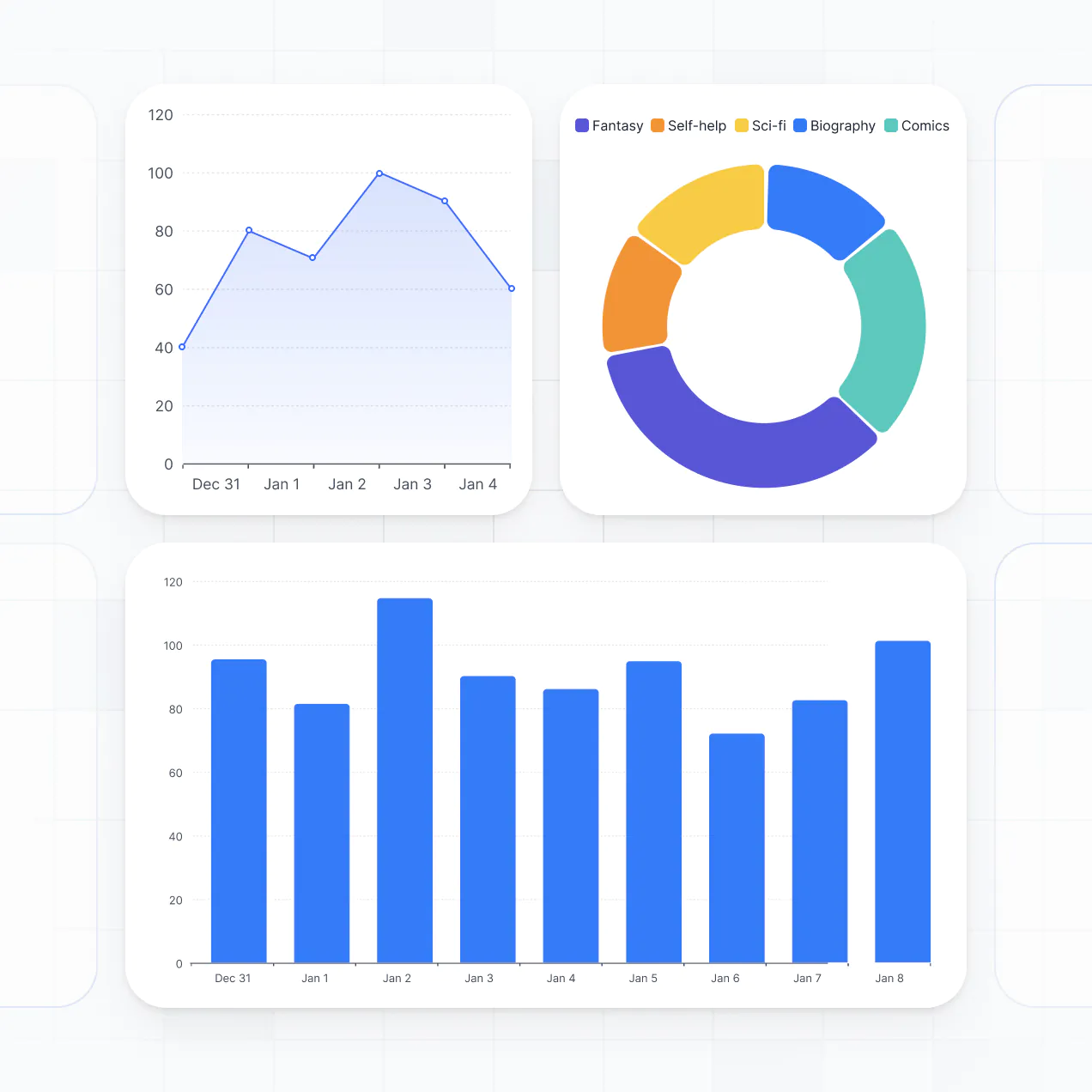
- Dashboards & Charts – Visualize your shipping velocity and developer capacity with real-time charts and launch summaries.
- Lists & Advanced Filtering – Display and manage your backlog with searchable tables, kanban boards for dev stages, and detailed calendar views for launch deadlines.
Everything is built using Softr's drag-and-drop blocks, so you can create these features without writing code. Need something more custom? Use the Vibe Coding block to generate a tailored Gantt chart with AI. And if your release process changes, it's easy to update the calendar later.
Vibe coding is all about moving fast and using AI to build exactly what you need. You can "vibe code" a product release calendar in Softr by simply describing your launch stages and scheduling requirements to the AI Co-Builder. Softr then generates a production-ready scheduling app on top of a stable, secure foundation.
Unlike other tools that just generate raw, fragile code, Softr handles the "boring 80%"—like developer authentication, roadmap database logic, and security—natively. This means you get the speed of vibe coding without the "Day Two" headaches of managing raw scripts for dates and timezones. You describe your product hierarchy, Softr builds the calendar, and it’s ready for your team or stakeholders instantly.
Yes. You can manage multiple product lines or cross-functional teams in a single calendar. Each team member only sees the launch schedules and feature specs assigned to their department, based on their login and role. This is useful for large organizations, product studios, or any business working with multiple squads and release cycles.
Yes, you can. You don't need to bring your feature list from somewhere else to start building with Softr. If you're starting from scratch, you can use Softr Databases, which is built into the platform and integrates perfectly with the scheduling application you build.
But if you already have roadmap data in tools like Jira, Airtable, Google Sheets, or GitHub, you can connect those too. You can also use the REST API connector to bring in sprint data from other sources. Either way, you have full control over how your product milestones are structured and displayed in your calendar.
Softr Databases is the recommended native, relational data source for Softr. It is built explicitly for business apps, offering high performance for date-heavy scheduling, instant automation triggers for deadlines, and a lightning-fast experience because the roadmap data is native to the platform.
If you already have your dev tasks elsewhere, Softr also connects to 17+ external data sources. You can connect to Airtable, Google Sheets, HubSpot, SmartSuite, BigQuery, and more. You can even integrate multiple data sources into the same app—so your release calendar could pull in feature specs from Softr Databases and customer tickets from Zendesk at once. Most sources support real-time, two-way sync, so changes to launch dates in your app or database stay in sync automatically.
Yes, Softr gives you full control over how users experience your product release calendar. You can customize the scheduling layout, navigation, and detail views to match your product team's workflow. Each launch block or technical spec can be shown or hidden based on who's logged in, so every stakeholder sees only the release information relevant to them.
You can also set up different user roles, such as Product Manager, Developer, or Stakeholder—and define exactly what each role can view or edit. For example, PMs can edit launch dates, while external clients or sales reps can only view the final release timeline. You can also create personalized views by filtering the roadmap based on the logged-in user's assigned features.
This level of customization is especially useful when you're managing complex product suites with multiple agile teams in the same app. It helps keep the roadmap experience clean, secure, and tailored to each department.
Yes, you can fully white-label your product release calendar in Softr. You can use your own logo, company brand colors, fonts, and a custom domain (e.g., roadmap.yourcompany.com) to make the calendar feel like a natural extension of your internal tools. You can also remove all Softr branding, so your teammates and executives only see your product team's identity throughout the scheduling experience.
Yes, you can. Softr gives you a lot of flexibility to control both the design and layout of your product release calendar. You can adjust theme colors, typography, and page structure to match your corporate identity. You can also choose how each roadmap page is laid out, decide which scheduling blocks go where, and set what different teams see upon logging in.
To display your release data, you can add different types of blocks depending on what you need:
- Calendar blocks – to display launch events, release windows, or sprint deadlines.
- Table blocks – to show structured data like feature backlogs, versioning history, or bug lists.
- List or Card blocks – to highlight specific features, upcoming milestones, or product modules.
- Detail View – to show one record at a time, like a deep dive into a specific feature's technical specs.
- Forms – for submitting new product ideas or QA feedback.
- Charts – to show release velocity or workload balance.
If your release cycle or design needs change later, it's easy to go back and make updates right in the visual builder.
Softr is built with security in mind. All product data is encrypted in transit (TLS) and at rest, and your release calendars are hosted on secure, reliable infrastructure. Softr apps also give you full control over who can see sensitive IP in your app. You can set up role-based permissions, manage users directly within your roadmap data source, set visibility rules for unannounced features, and apply global restrictions to protect proprietary information across your entire app.
For apps using Softr Databases, your launch data is stored in Softr's secure environment in Europe (Germany) with SOC 2 Type II compliance. For apps connected to external data sources like Jira or Airtable, Softr doesn't store your roadmap data—it just displays it in real time based on your access settings. You're always in control of your data and who can view or edit sensitive product plans.
It is fully production-ready. Unlike many AI tools that just "vibe code"—generating fragile, custom scripts for dates that are hard to maintain—Softr builds your product release calendar on top of a stable, business-grade foundation.
We handle the "boring 80%" (like team authentication, secure roadmap hosting, and granular permissions for features) natively, so you don't have to. This solves the "Day Two" problem of AI: you get the speed of instant calendar generation without the headache of managing raw, unreliable code. Your scheduling app is secure, scalable, and ready for your product team or executive board to use from day one.
Softr is the first AI-native platform for building business software. Unlike pure "vibe coding" tools that generate fragile code for calendars, or traditional project management tools that offer limited customization, Softr's AI Co-Builder creates custom calendars on top of a secure, production-ready foundation.
What sets it apart is the hybrid advantage: you can use AI to generate your release database, scheduling interface, and logic in minutes, then use visual controls for precise editing of your roadmap. You get the speed of AI with the reliability of business-grade infrastructure (auth, roles, and version history) already built-in. It's designed for product teams who want to move from a basic spreadsheet to a custom production roadmap on day one.
Yes. Softr supports powerful native workflows and a wide range of integrations so you can connect your product release calendar to the rest of your dev stack. You can automate tasks using Softr Workflows, such as pinging Slack when a release date shifts, or sync with tools like Jira and Intercom. Softr also supports REST API and webhooks for more advanced CI/CD workflows.
Whether you need to send launch data to a marketing dashboard, trigger email updates to beta testers based on status changes, or display dev progress from other tools, you can build it into your calendar without writing code.
Describe what you need. Softr's AI builds it in minutes. Get started for free, no dev time required.