


The vibe coding platform for business apps
Describe the internal tool or portal you need. Softr builds it with a real database, logins, and permissions that already work.









Everything a vibe-coded app needs to go live
Vibe code the whole app, including the backend
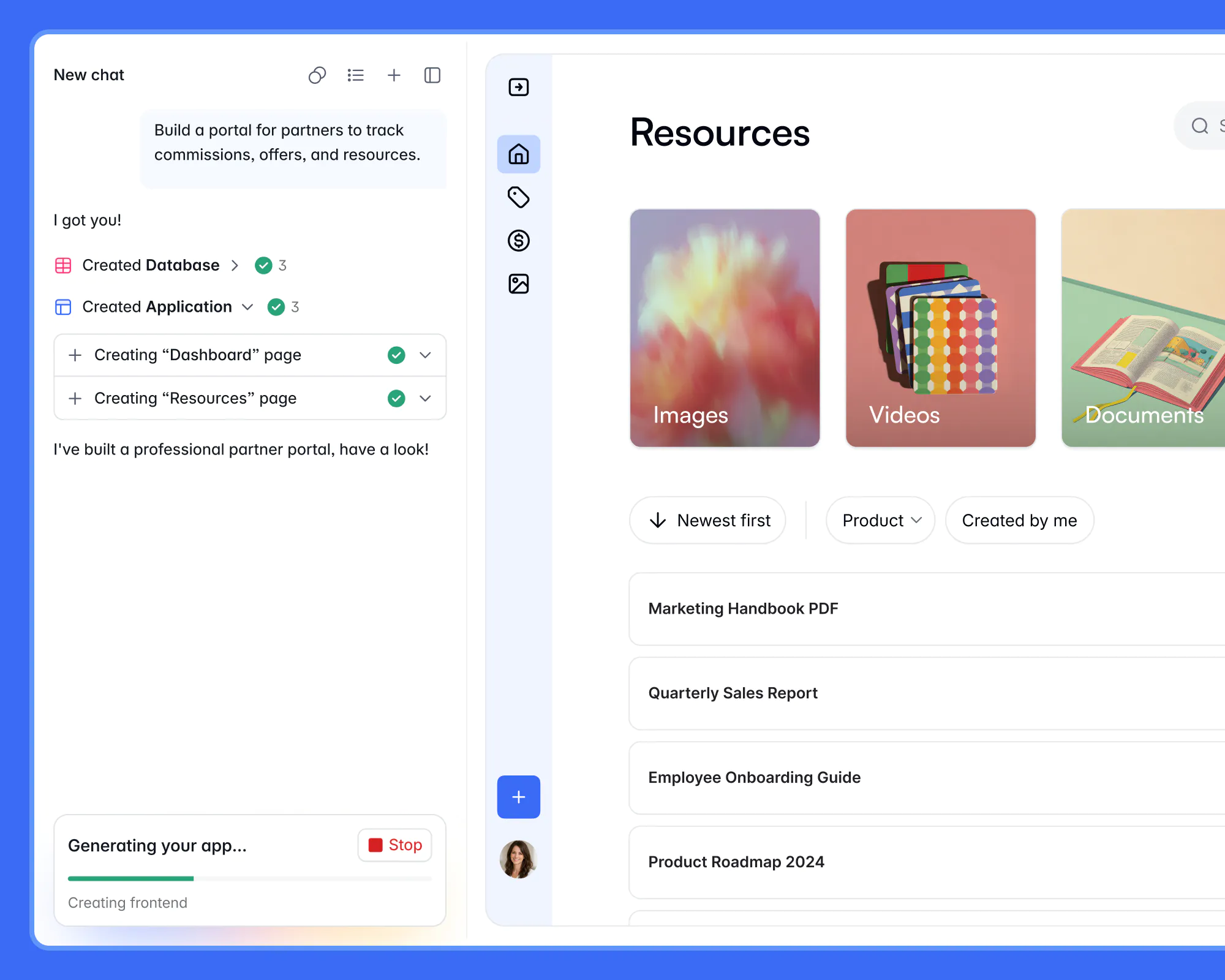
Application (Design & UI)
Application (Design & UI)
One prompt creates the pages, navigation, and user flows for each role. Every layout is responsive, so you don't re-prompt to fix mobile. You set your branding once in the global theme.
Database
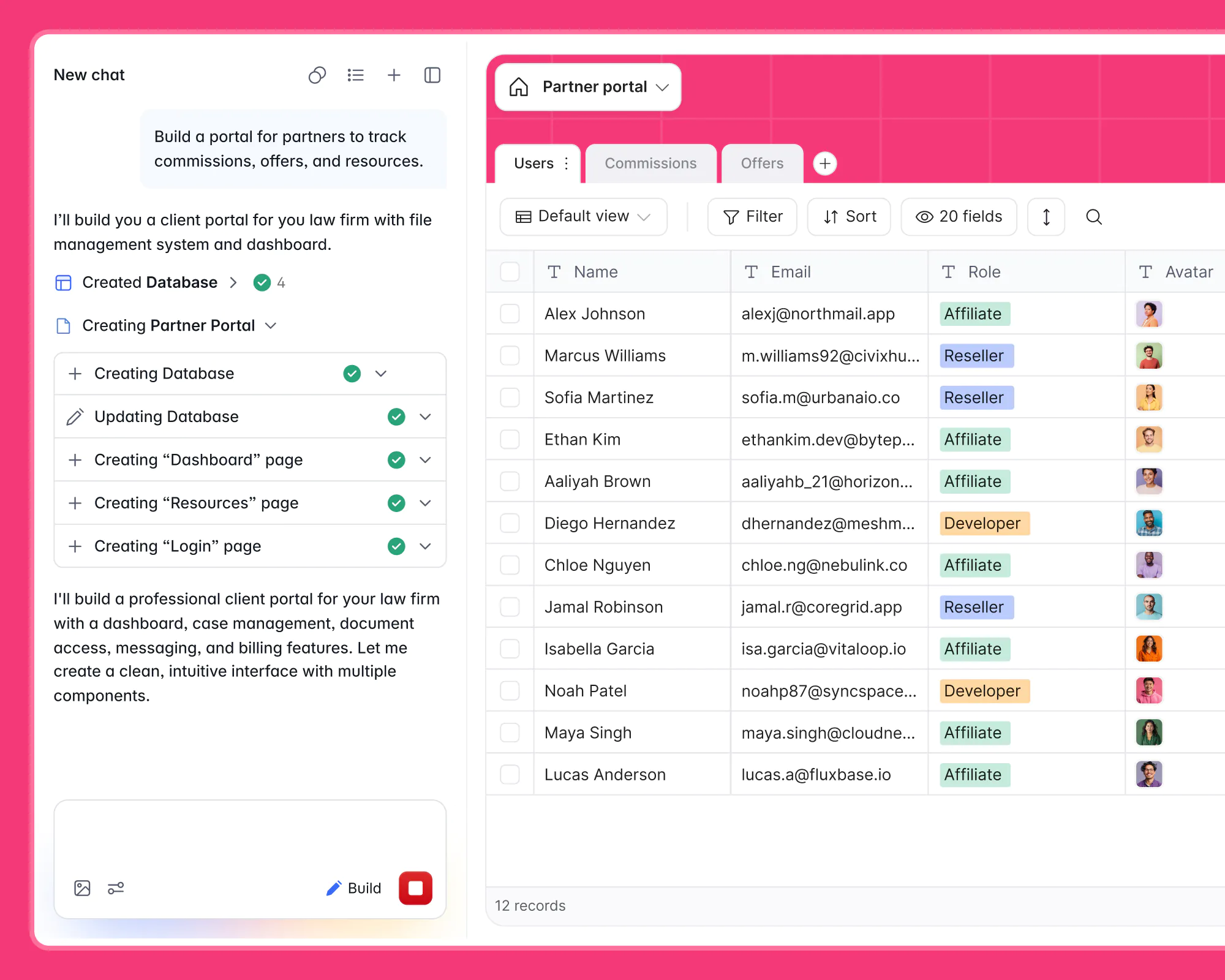
Database
The AI Co-Builder creates the tables, fields, and relationships in Softr Databases. Prefer your current data? Connect Airtable, Google Sheets, PostgreSQL, or any of 21+ data sources, with no API keys in your app.
Business logic
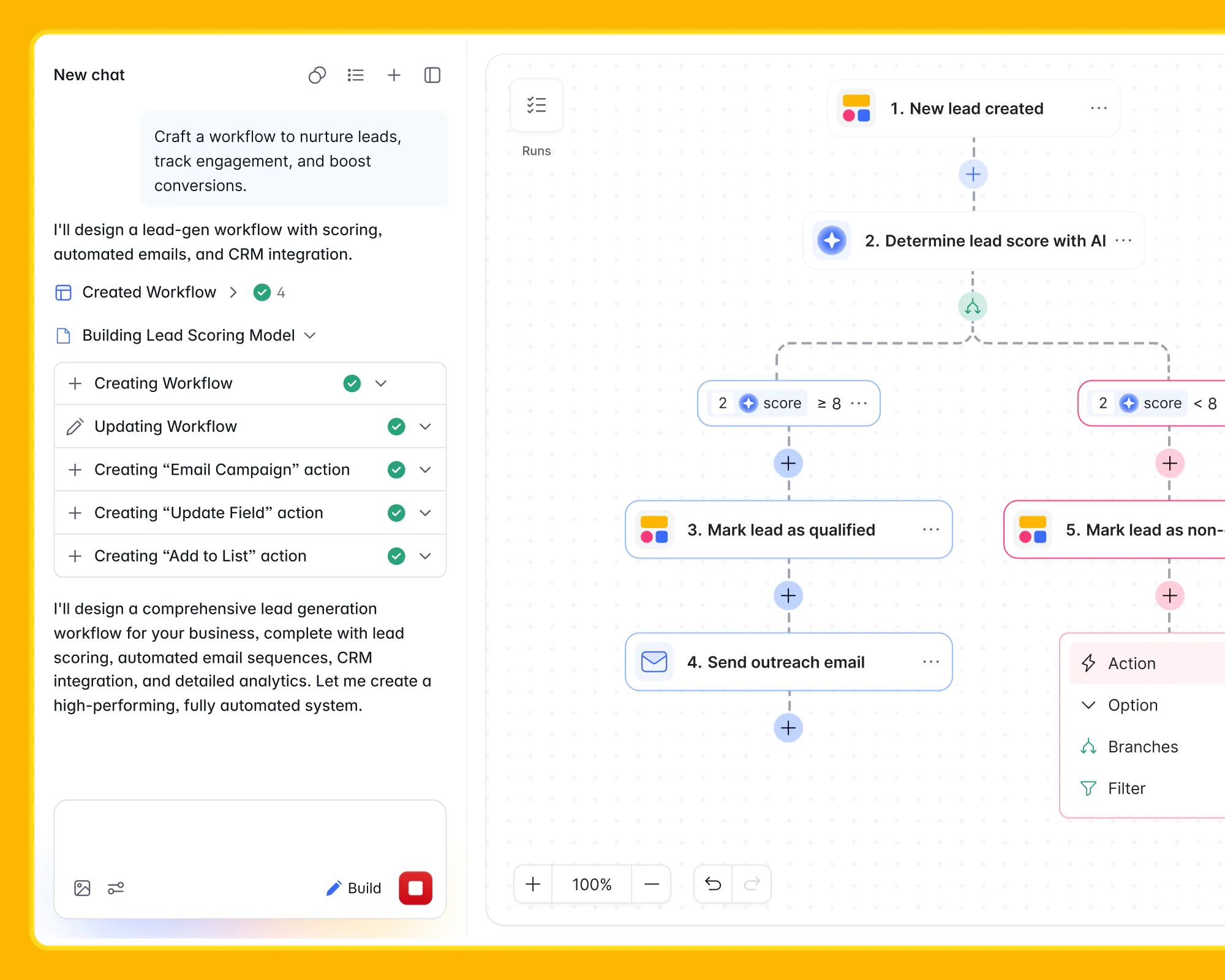
Business logic
The AI Co-Builder sets up user actions, user groups, and Softr Workflows. It also creates the pages vibe coding tools tend to skip: sign-up, login, and password reset.
Use AI for speed, then edit by hand for precision
Vibe code your own
Vibe code your own
Use the Vibe Coding block for the custom 20%, like a CSV importer or a drag-and-drop planner. Each block inherits your theme, data, and permissions, and keeps a version history you can roll back.
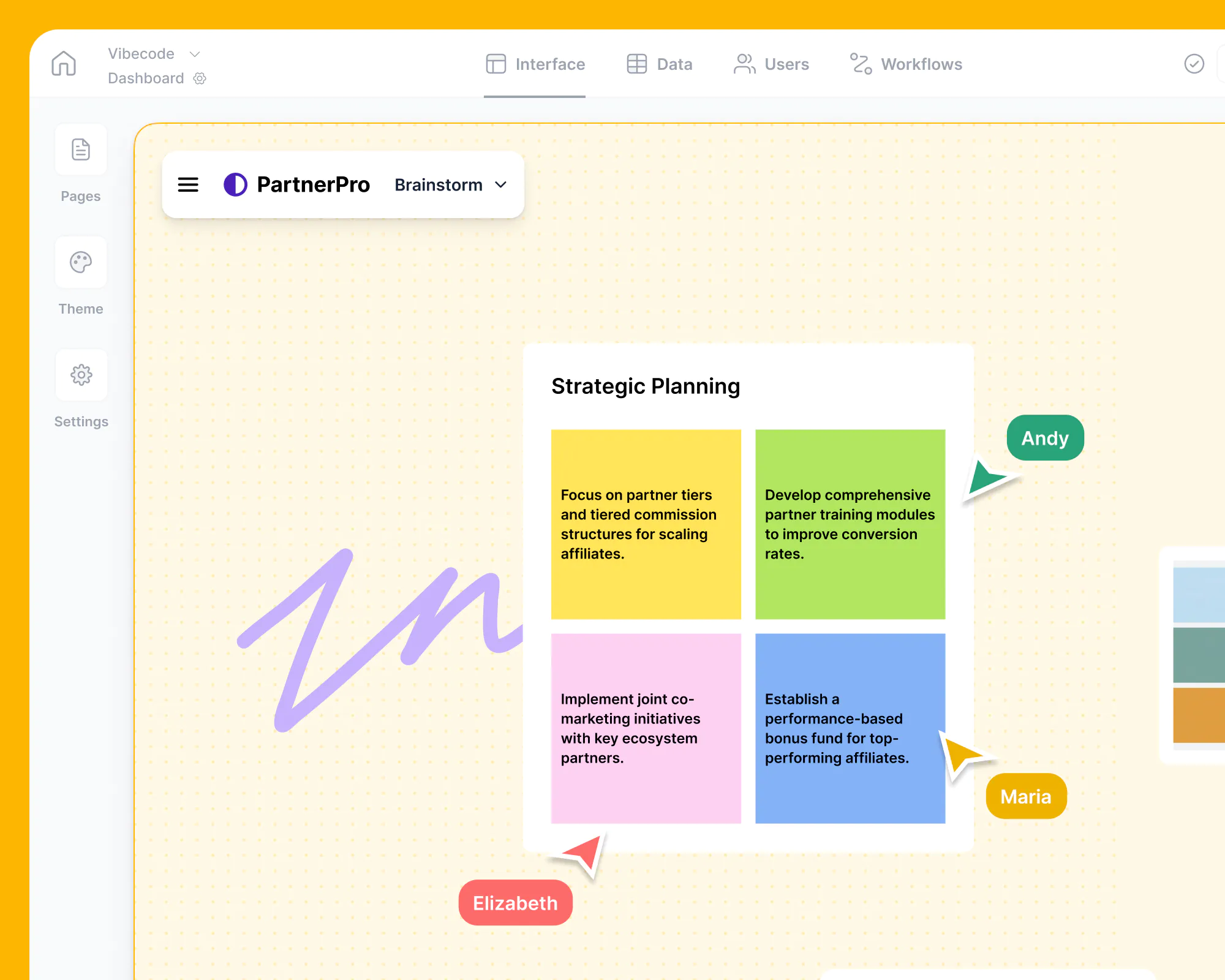
Purpose-built flexible blocks
Purpose-built flexible blocks
Tables, kanbans, calendars, charts, and forms cover the standard 80%. They're tested across millions of users and are responsive by default.
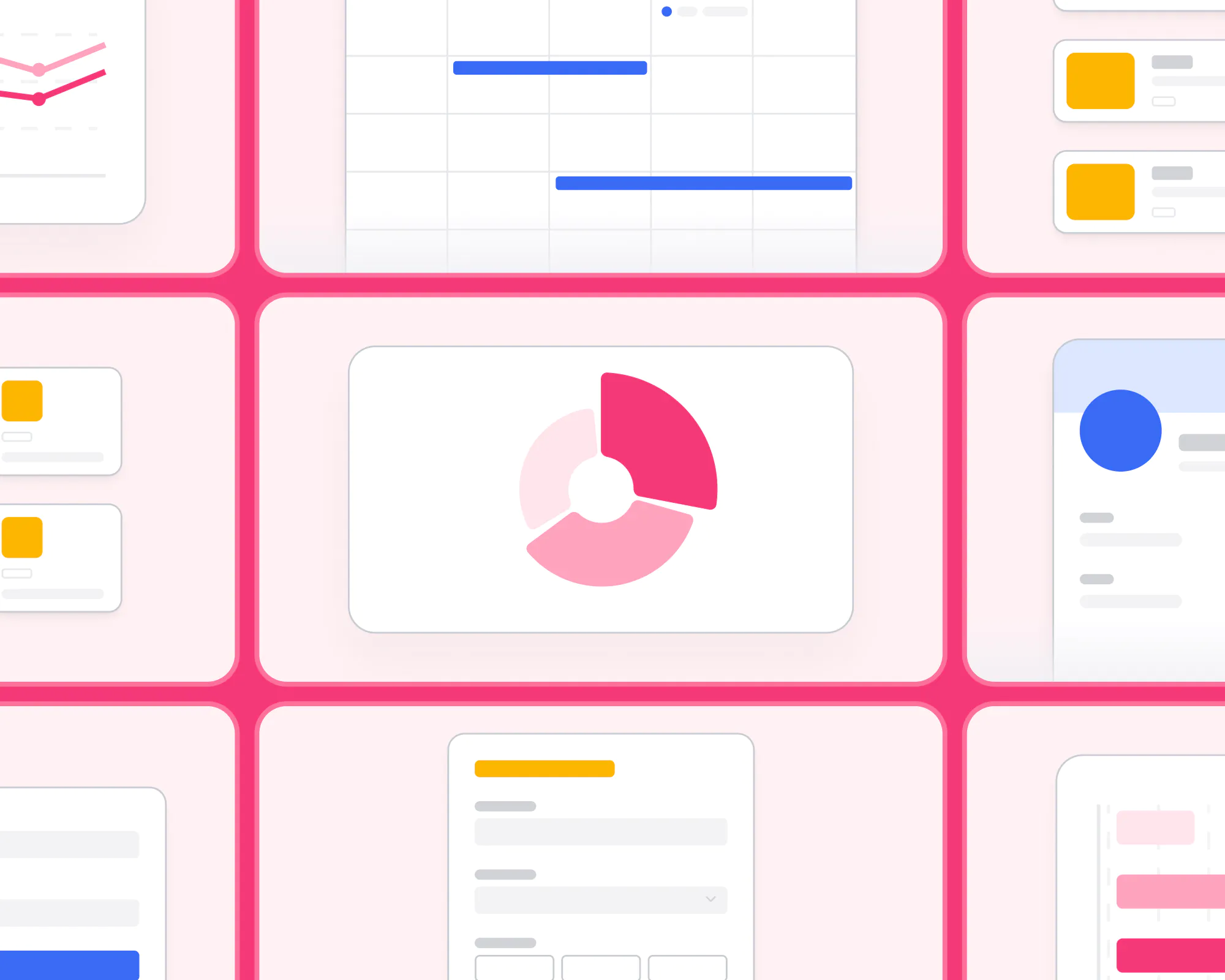
No generated code
No generated code
Softr's AI builder assembles tested components instead of writing a codebase. When you need a change, you edit the field, permission, or page directly.
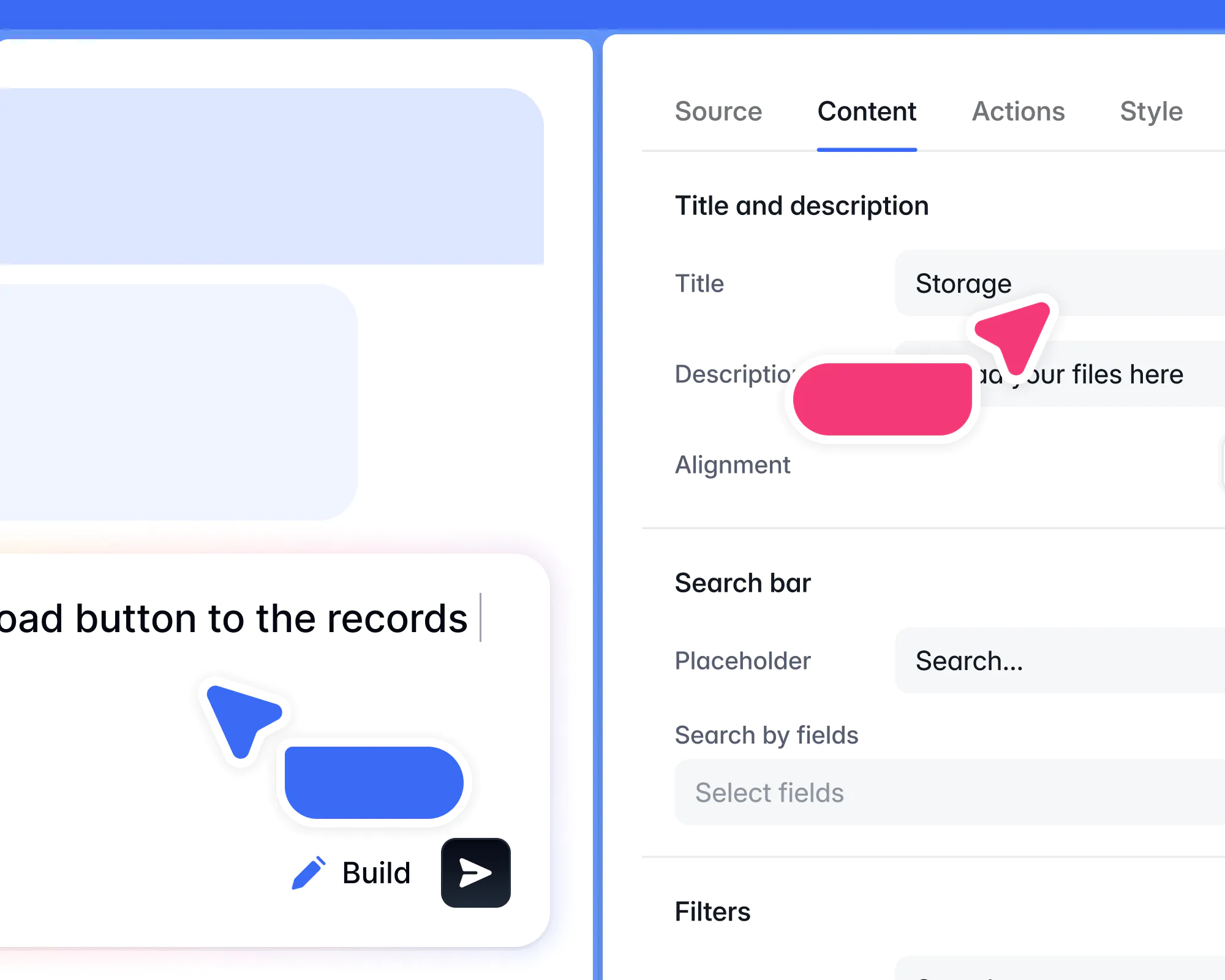
Security, not left to a prompt
Built-in login & Authentication
Built-in login & Authentication
Email and password, one-time codes, magic links, Google sign-in, or SSO. Login, sign-up, and password reset pages come ready, so the AI never writes your auth flow.
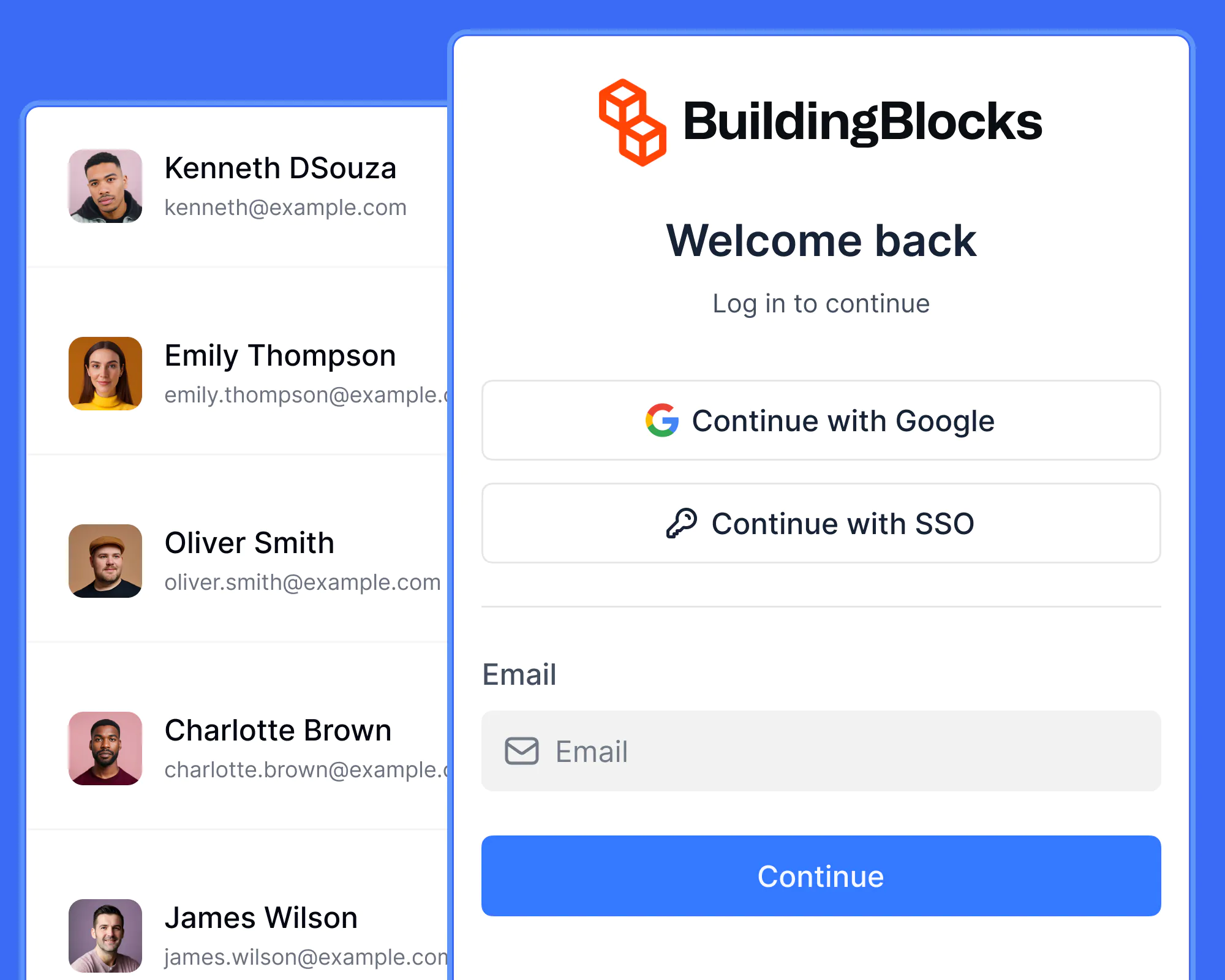
User groups & Permissions
User groups & Permissions
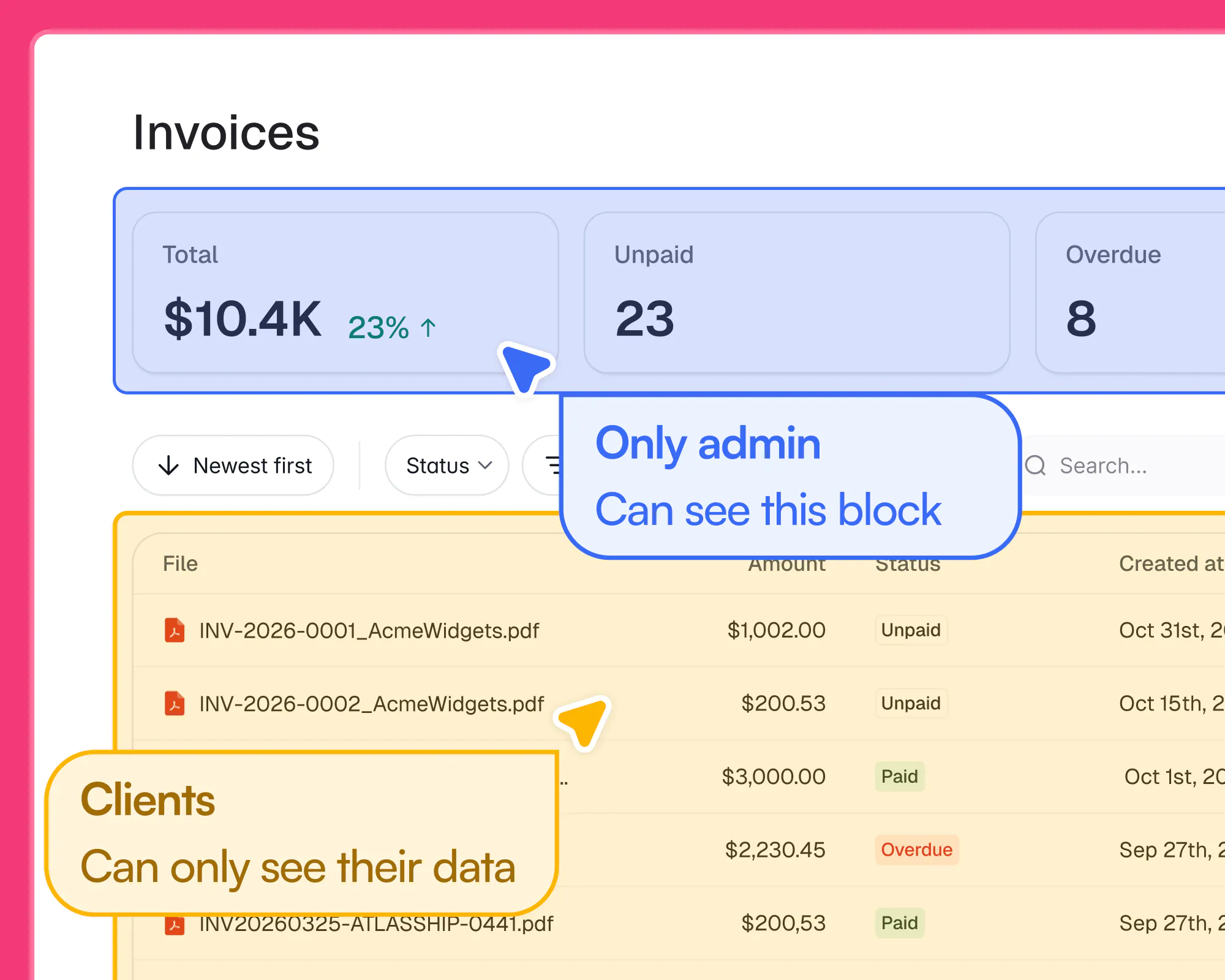
Give admins, staff, and clients different pages, data, and actions in one app. Preview the app as any user before you publish, and see exactly what that user sees.
Enterprise-grade Security
Enterprise-grade Security
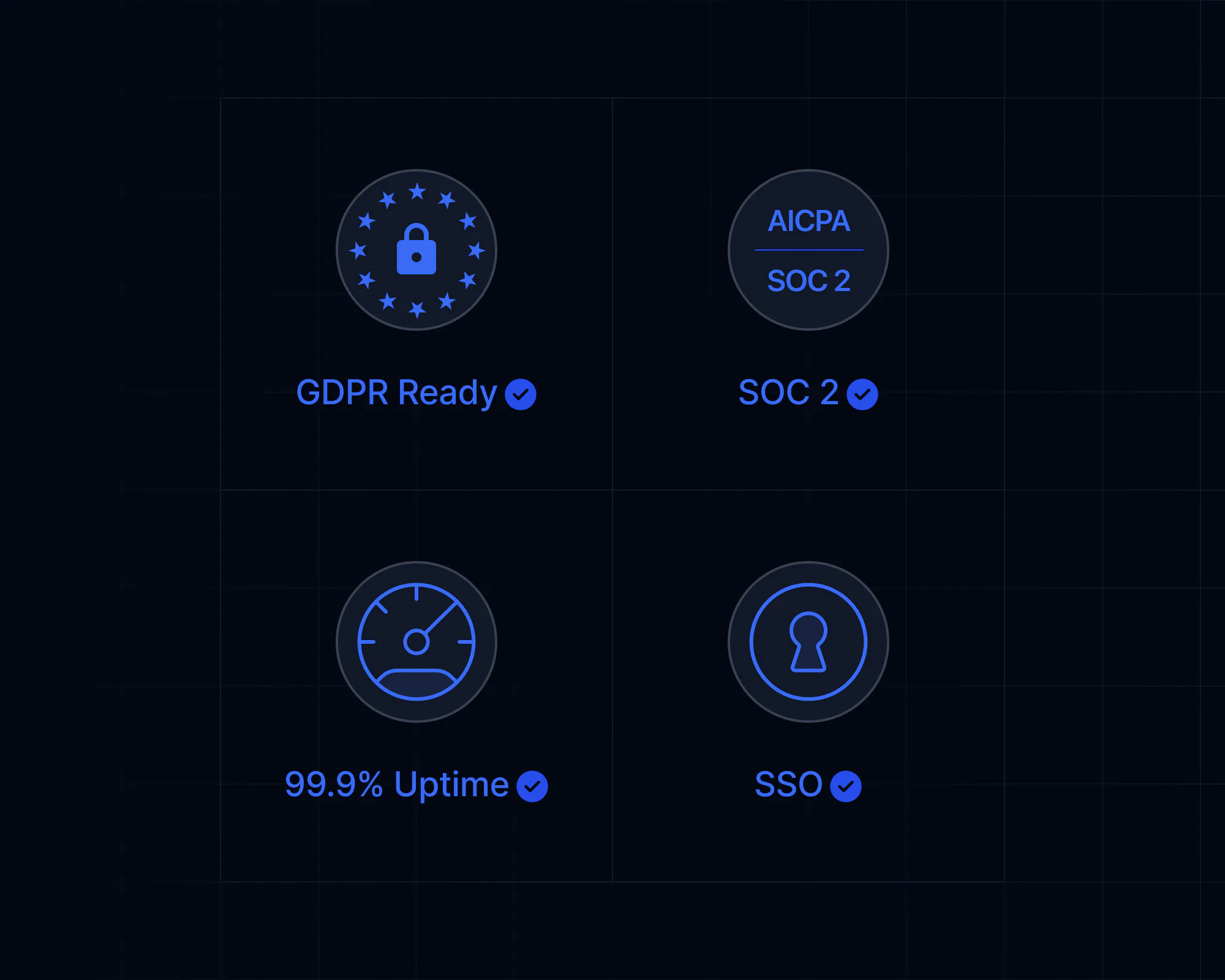
SOC 2 Type II and GDPR compliant, with data hosted in Germany. Database queries run on Softr's servers, so no API key or query is exposed in the browser.

Vibe coding that still works on day two

Secure and functional, from day one
Most vibe-coded apps work in the demo and break when real users log in. On Softr, login, permissions, and hosting are part of the platform, so they work for your first user.

Nothing to debug or maintain
Code tools hand you thousands of generated lines to host, patch, and secure. Your Softr app runs on a managed stack that we keep updated, so there's no deploy step to break.

Easy to maintain and evolve
Add a field, a user group, or a workflow step in the editor. Changes never ripple into code you can't read, so the app grows with the team.

Vibe code on top of the data you already use
















Vibe code internal tools and client portals
Replace spreadsheets and overpriced software with apps that fit how your team works. Start from a prompt, then keep changing the app as the process changes.
Portals
Portals
Build secure portals for clients, vendors & more. No code required.

CRM
CRM
Build a custom CRM that fits your exact workflows. No code required.

Inventory Management
Inventory Management
Track and manage inventory with ease. No code required.
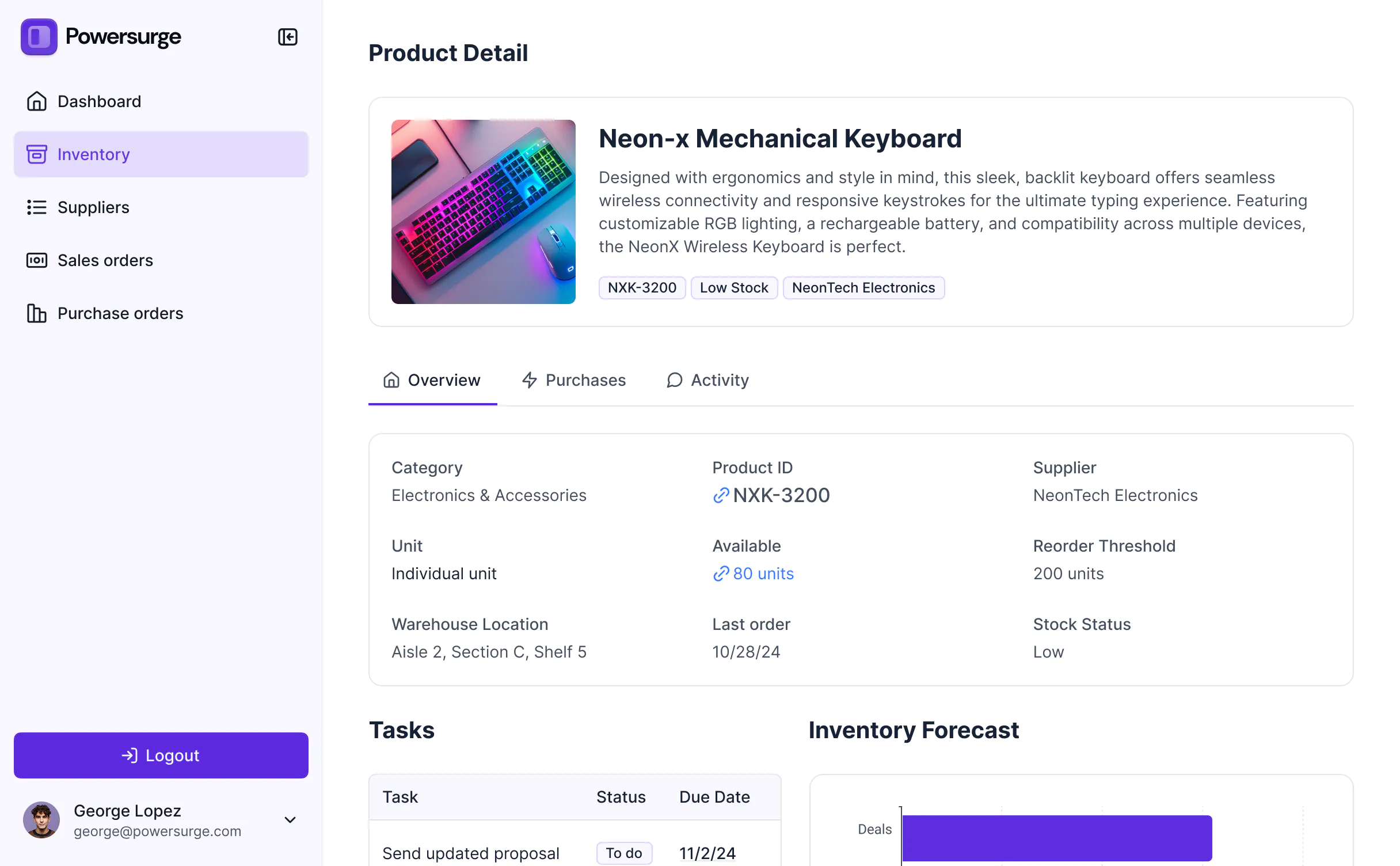
Company Intranet
Company Intranet
Build a modern, self-serve intranet that keeps your team connected. No code required.

Dashboards & Reporting
Dashboards & Reporting
Turn your data into clear, actionable dashboards. No code required.
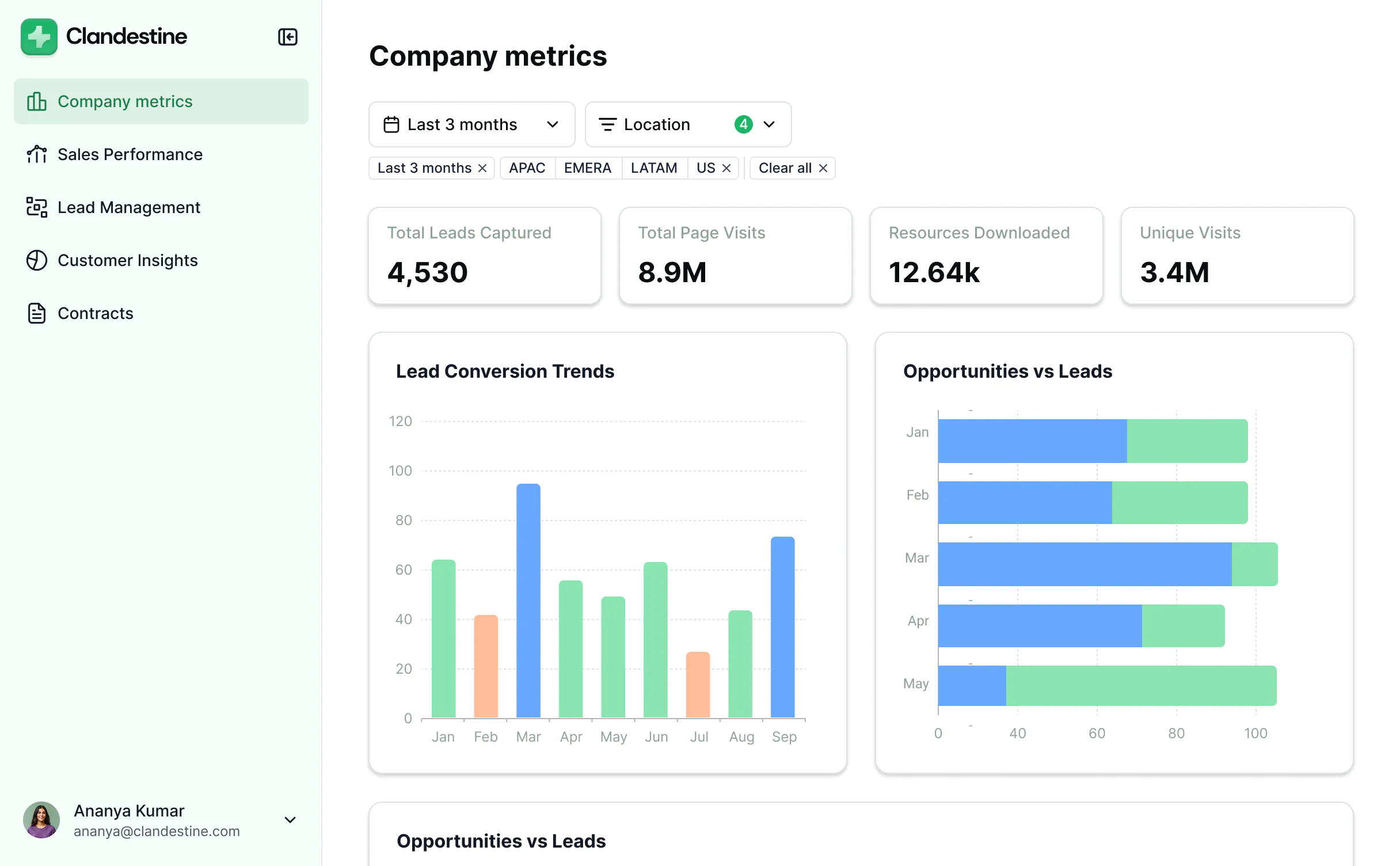
ERP
ERP
Bring together tools and data in one flexible system. No code required.
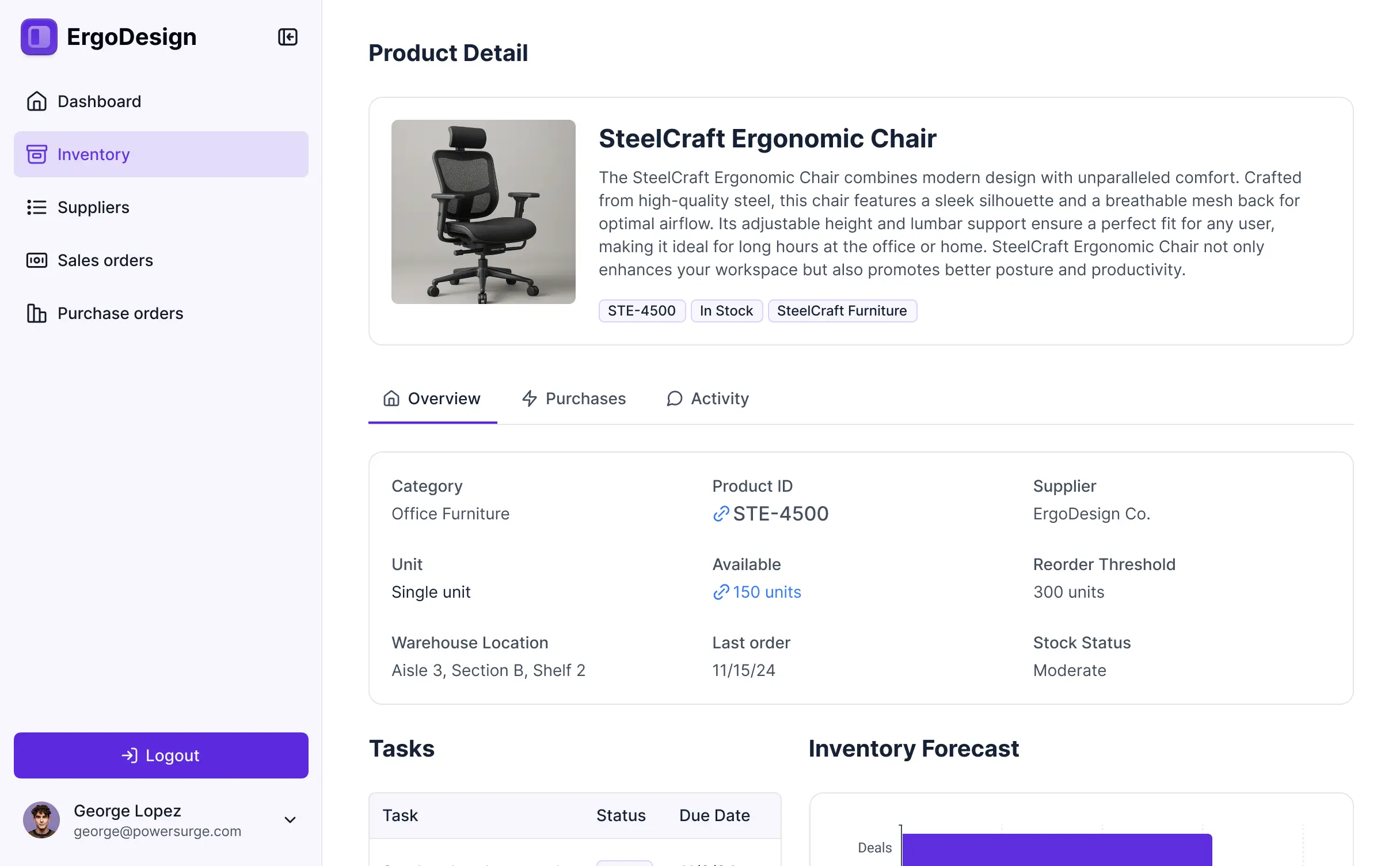
Knowledge Management
Knowledge Management
Help your team and clients find answers faster. No code required.


Production apps, built without a developer
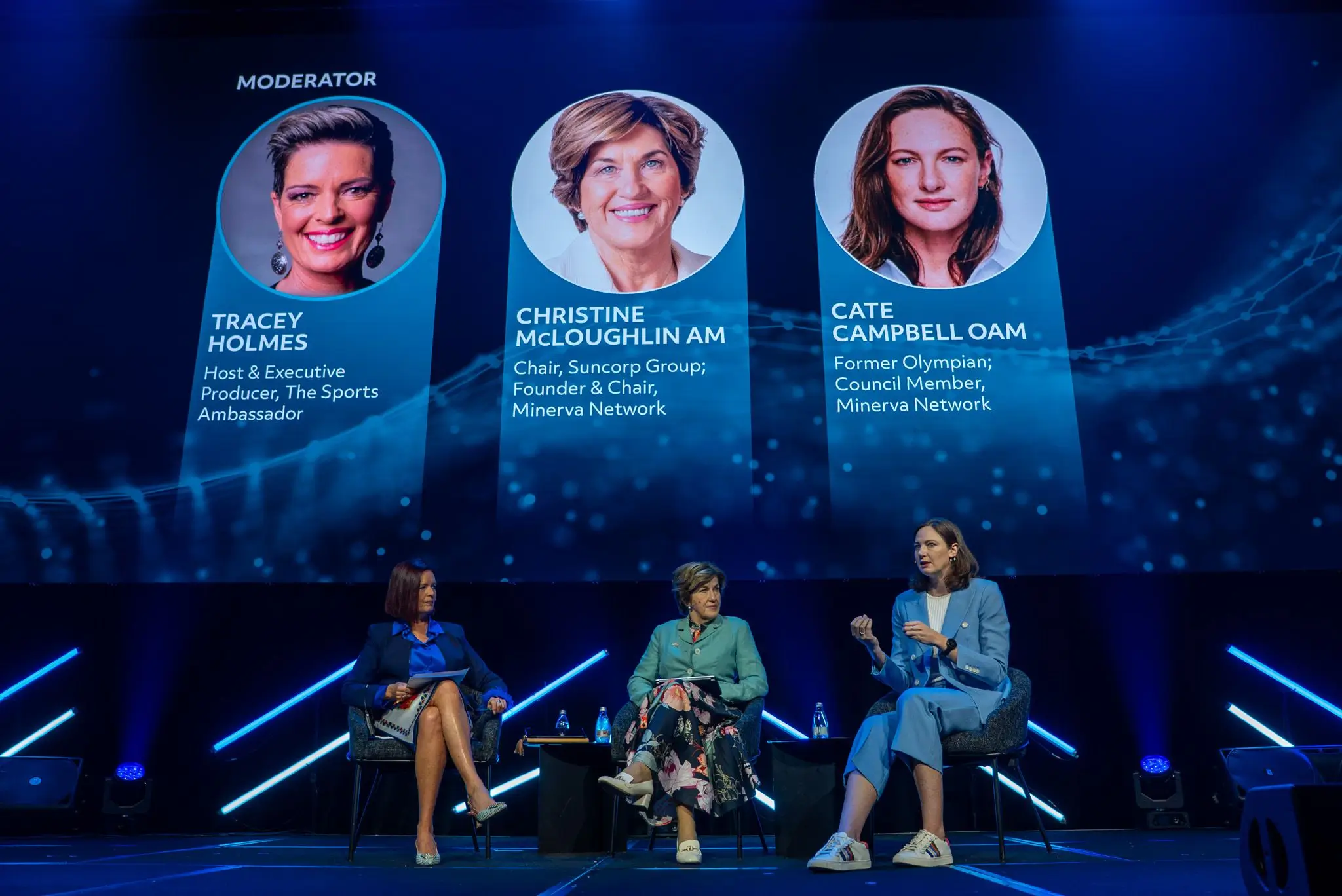

Minerva Network increased athlete registrations by 50% with a custom CRM and portal
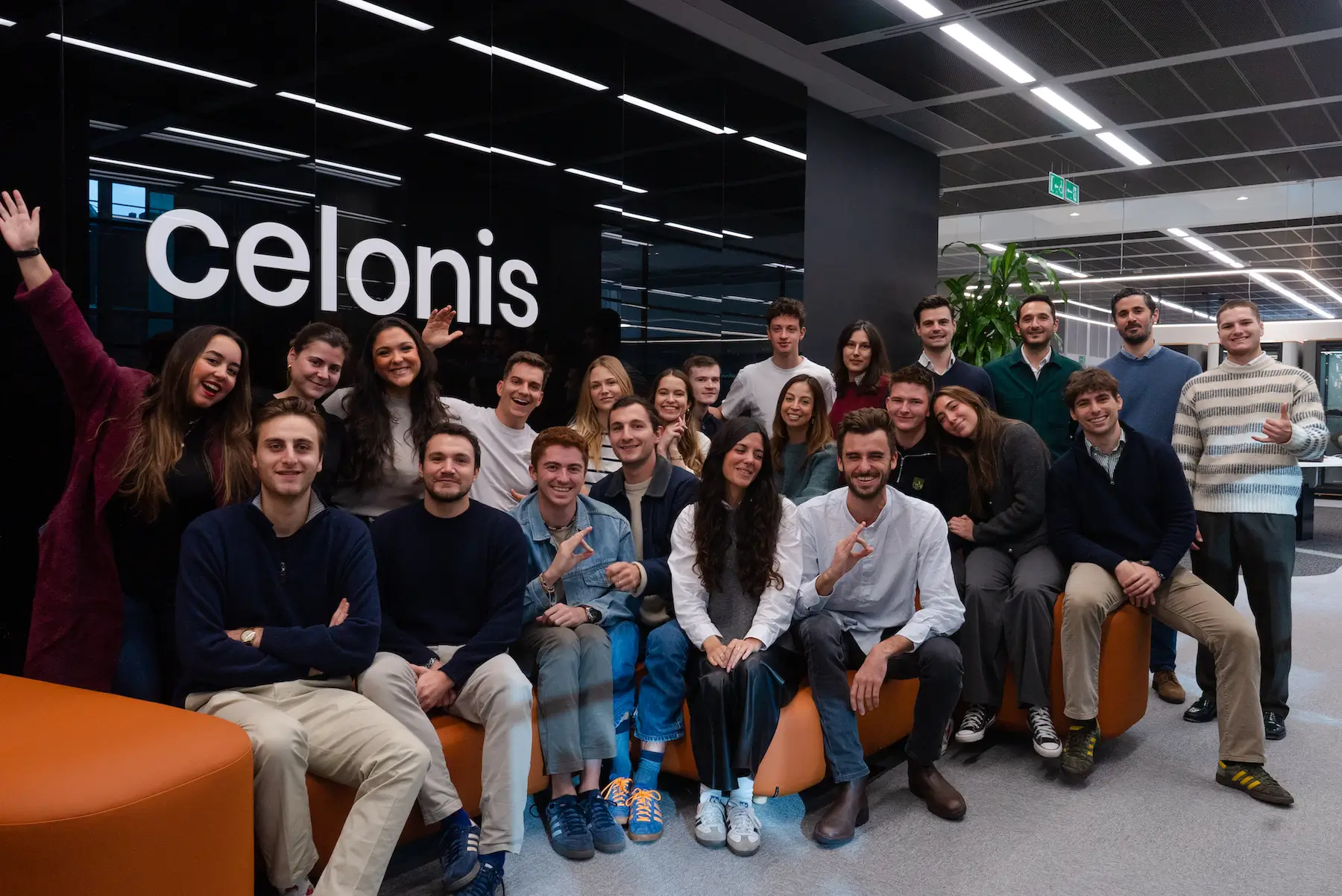
Celonis built a GTM knowledge base for 1,500+ team members
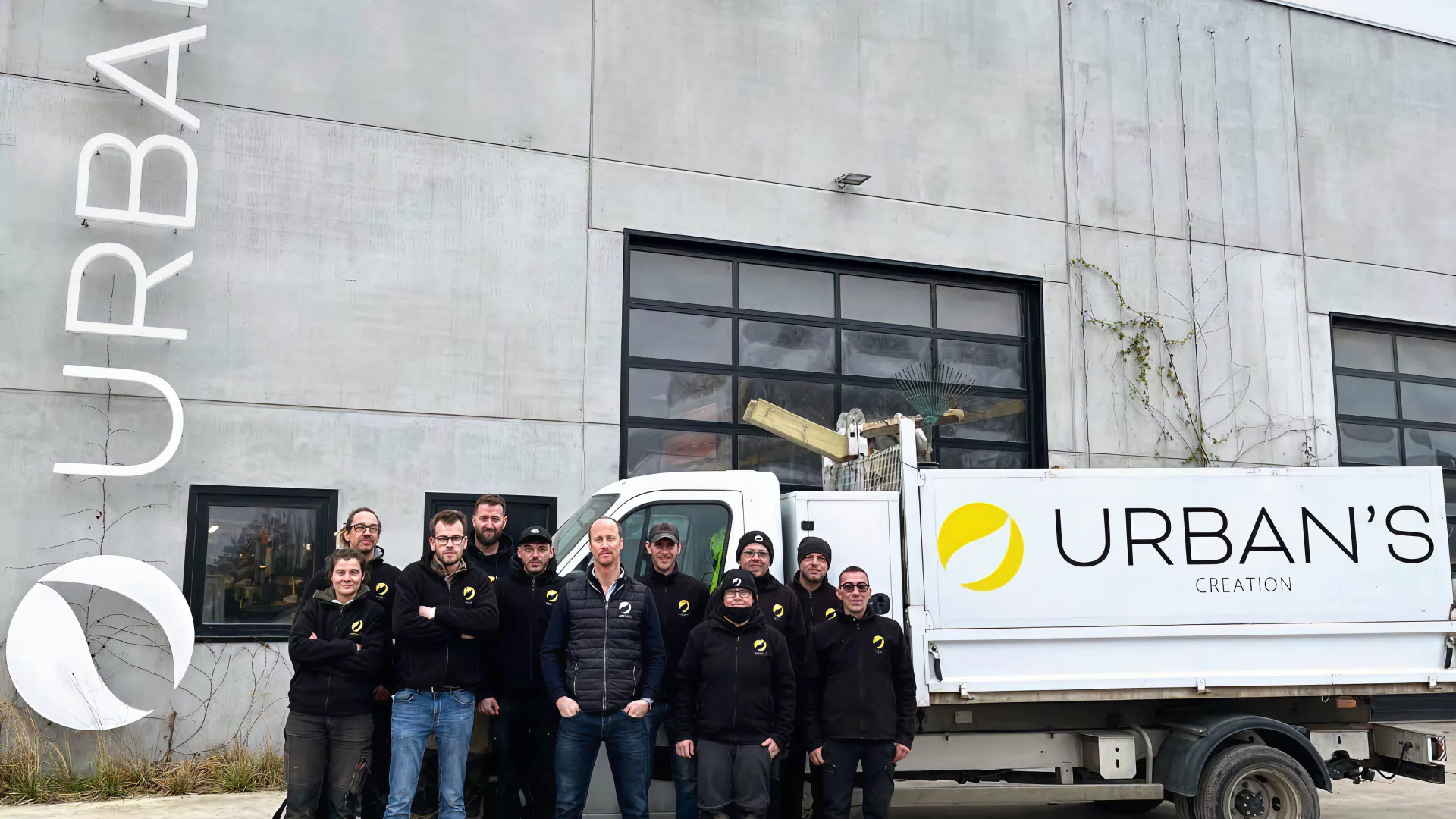

Urban's Group increased productivity by 25% with a custom ERP system
Frequently asked questions
What's the best vibe coding platform for internal tools?
Can non-developers use vibe coding to build a production business app?
Which vibe coding platform has a built-in database?
Softr vs Lovable, Bolt, or Replit: which should I choose?
How do logins and role-based access work in a vibe-coded Softr app?
Can I build a Softr app from Claude, Cursor, or ChatGPT?
Start vibe coding today. It's free!