Build lead pipelines, contact records, and follow-up workflows in minutes, then refine every view and permission as your CRM grows.

Choose the views and workflows your CRM needs today, then adapt them as lead stages, account records, and follow-ups change over time too.


Manage leads, accounts, and deal stages in Softr Databases, or connect Airtable, Notion, Google Sheets, and other systems with real-time sync. Keep one source of truth for your CRM.
Give each CRM user the right views and access. Set up secure logins, user groups, and field-level permissions in minutes.
Give sales reps, managers, and other CRM users tailored dashboards and access to the records they need.
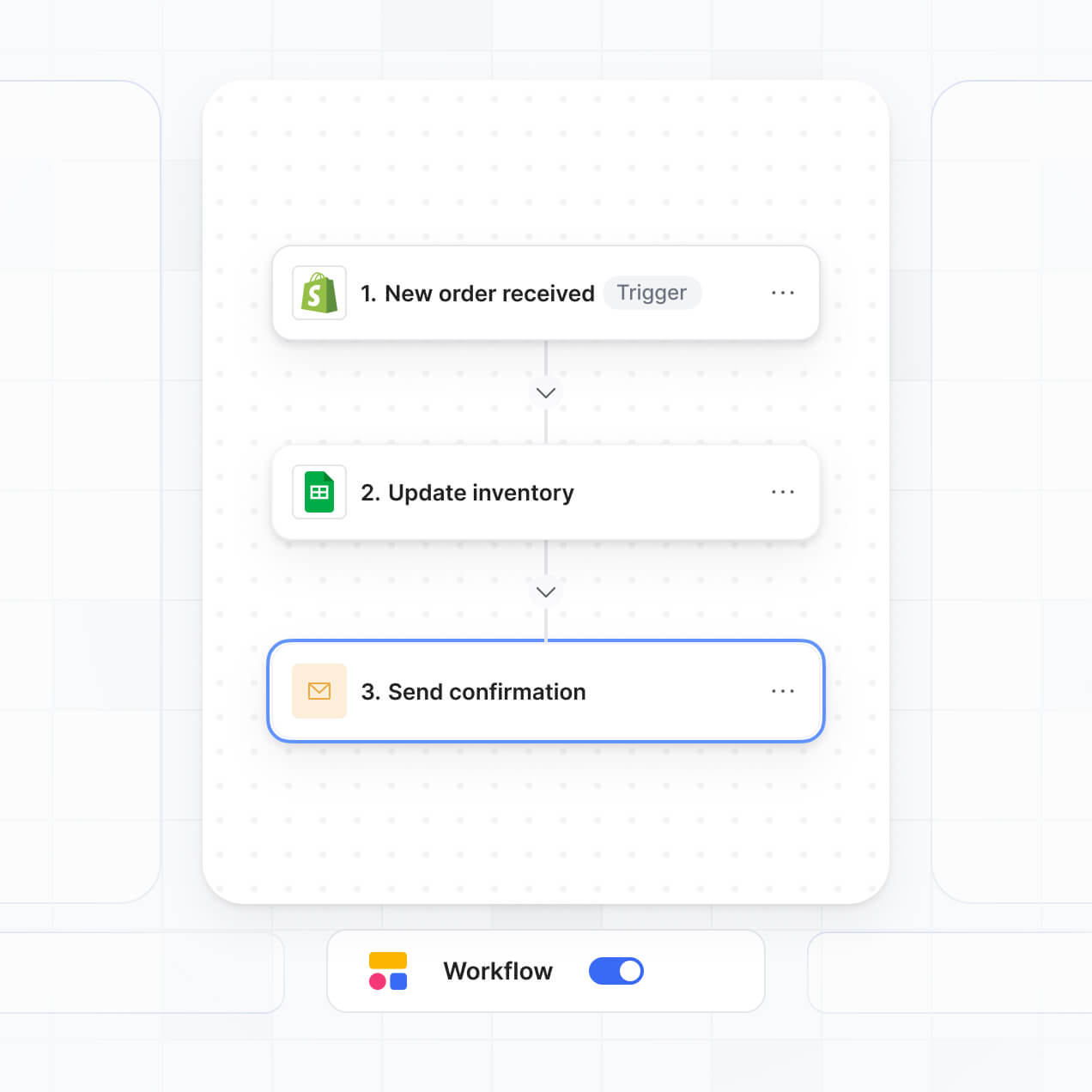
Trigger lead assignments, reminders, and status updates with Softr Workflows when a CRM record changes or a button is clicked.
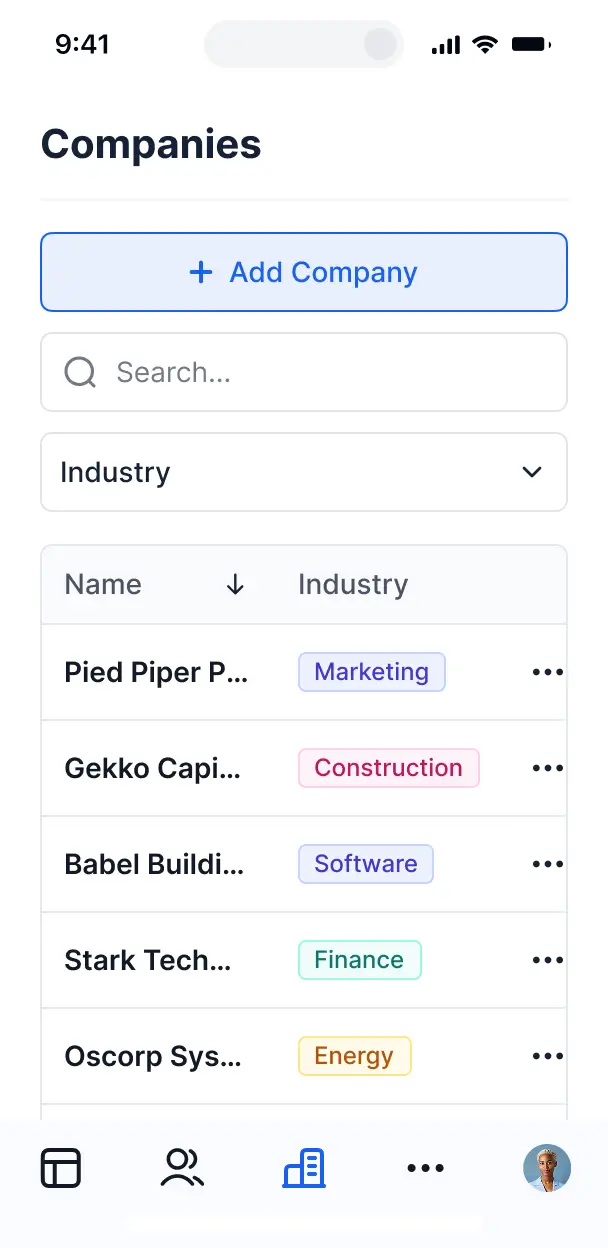
Review deal stages, update contact records, and add follow-up tasks from any device with a mobile-ready CRM.
Let sales reps log in with email, Google, or SSO, then show each person only the CRM records their role allows.
Protect lead and account data with TLS in transit, encryption at rest, and granular permissions across your CRM.
No more one-size-fits-all tools or costly custom builds. Softr is easy to use and fully customizable, so you can launch faster, adapt as you grow, and skip the complexity of traditional software.

Describe your lead stages, records, and reminders, then generate a working CRM in minutes with AI.

Add pipeline views, qualification steps, and follow-up workflows as your sales process changes.

Keep lead capture, pipelines, dashboards, and follow-ups in one CRM instead of stitching together separate tools.
Co-build with AI
Simply describe what you need. Let Softr handle everything - Interface, database, workflows.
Iterate with AI or visually
Control most critical parts of your app yourself - roles, permissions, security.
Ship the same day
Invite team members or external clients and partners right away. No developer handover.
Use drag-and-drop blocks to build a portal that looks sleek and modern out of the box. Add only the features you need, and iterate as your workflows evolve.




A CRM is a secure workspace where sales reps, account managers, and leaders log in to manage customer relationships. It brings together contact records, company profiles, deal stages, sales activities, meeting notes, follow-ups, and account timelines. Instead of searching through email threads and separate spreadsheets, your team gets one place to track every lead from first conversation through renewal.
Sales teams get a usable CRM without waiting for a long implementation project. Softr is an AI app builder for business software: describe your pipeline, contact records, and follow-up process in plain language, and it generates the database, pages, and logic, already connected and secure. No code is needed at any point.
You can start by generating the CRM with AI, choosing a template, or building it from scratch. Run the data on Softr Databases, or connect tools such as Airtable and Google Sheets. You keep visual control over pipeline views, sales permissions, navigation, and branding, so the result fits how your reps actually work.
A CRM can cover the full sales process, from lead capture to account expansion. With Softr, you can add:
- **AI inside the app:** Ask AI can answer questions about open opportunities, while Database AI Agents can classify inbound leads by industry or buying intent.
- **Custom interface components:** Vibe Coding blocks can create a pipeline health widget showing stalled deals by stage and owner.
- **Automations:** Softr Workflows can assign a new lead to a sales rep when a record changes, or send a follow-up when a button is clicked.
- **Access control:** Logins and permissions ensure each rep sees the right accounts and activities.
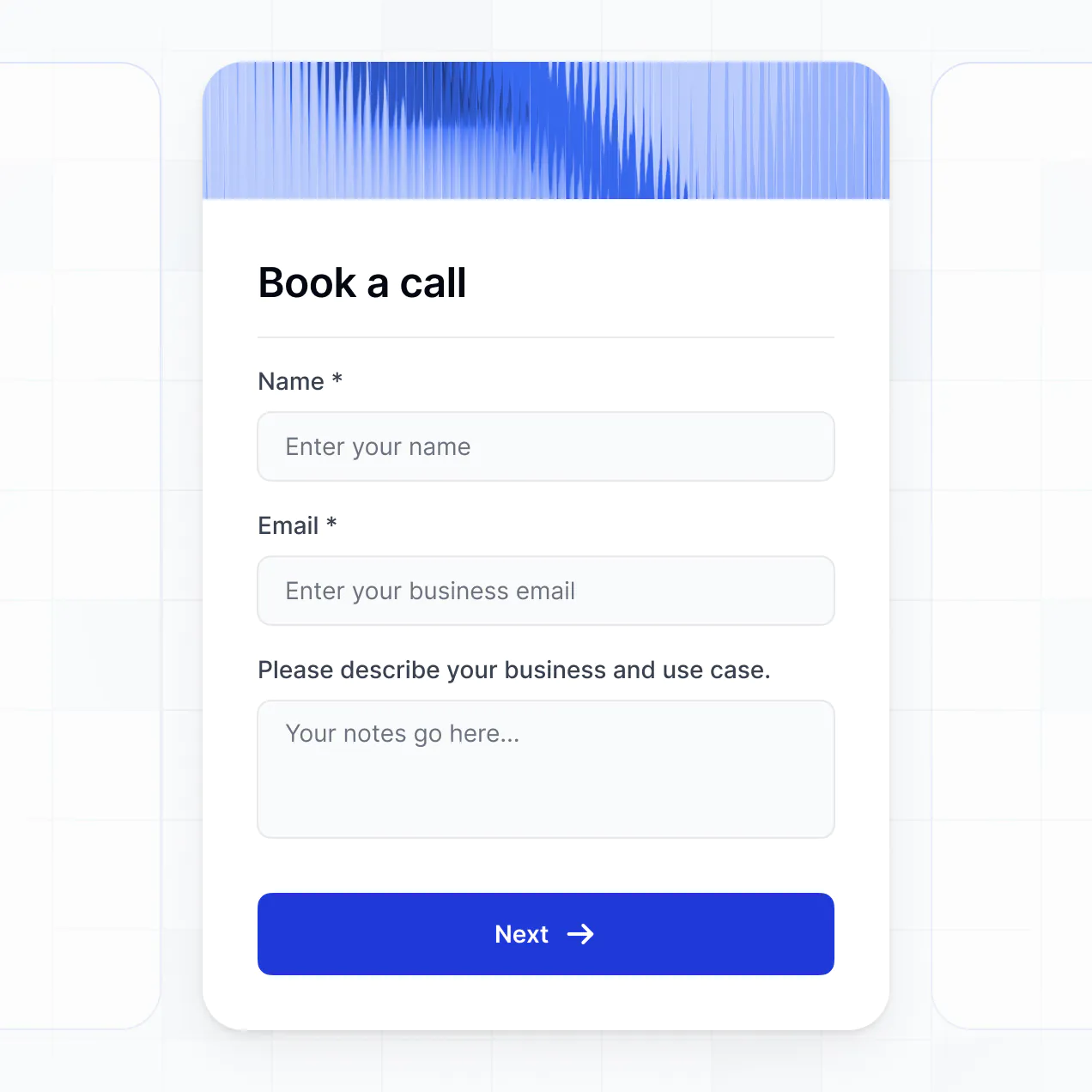
- **Forms:** Capture leads, meeting notes, and file uploads with conditional logic.
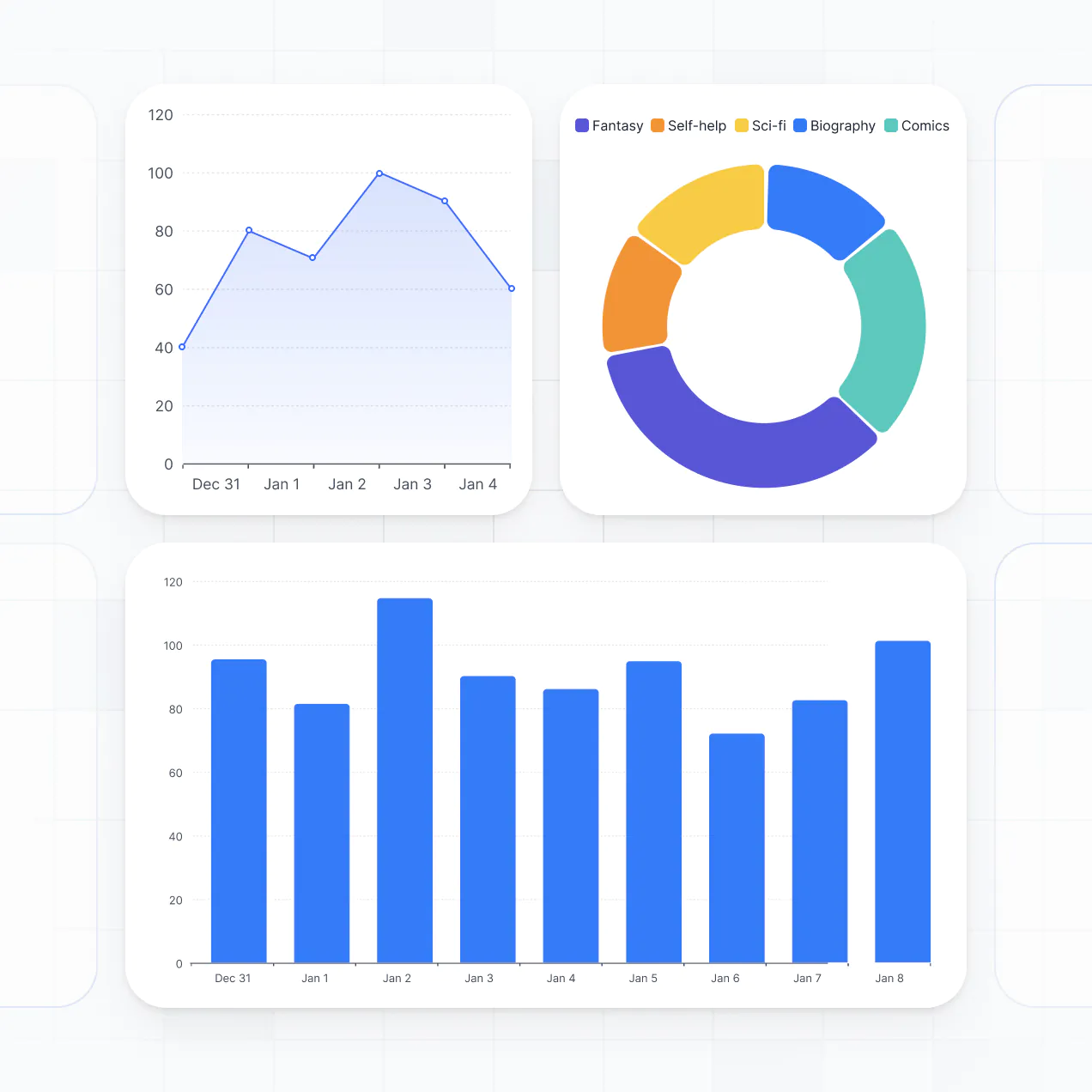
- **Reporting:** Show revenue forecasts and conversion rates in dashboards and charts.
- **Record management:** Use lists, filters, tables, kanban boards, and detail views for contacts, companies, and opportunities.
Everything is drag-and-drop and remains editable later.
Vibe coding means describing the CRM you want and letting AI build it. You might ask for lead records, an opportunity pipeline, account timelines, and separate views for sales reps and managers. Softr produces that app on a production-ready foundation, rather than handing you raw code to maintain.
That distinction matters on Day Two. A fragile CRM can lose activity notes, expose the wrong customer records, or leave broken assignment logic after a small change. Softr handles authentication, database logic, and security natively. When a Vibe Coding block is involved, every prompt and edit is versioned, so you can roll back a broken pipeline widget or account view instead of trying to re-prompt your way back to a working version.
Yes. Keep sales, customer success, and leadership in one CRM while each person sees the accounts, contacts, and opportunities assigned to their role. Login-based permissions can give reps access to their own deals, managers a team-wide pipeline, and executives a broader revenue view without creating separate systems.
You can start without an existing CRM or data source. Softr Databases is built into the platform, so you can create tables for contacts, companies, opportunities, activities, and account owners directly in Softr. If your sales data is currently in a spreadsheet, you can also connect Google Sheets or Airtable and decide how those records appear in the app. Other options include HubSpot, Notion, Coda, monday.com, Supabase, SQL databases, and the REST API connector, with availability depending on the plan. In either setup, you control the structure and display of your pipeline.
Softr Databases is the recommended starting point for a CRM. It is a native relational database built for business apps, giving you high performance, instant automation triggers, and fast access because the data runs inside Softr.
Softr also connects to 21+ external sources, including Airtable, Google Sheets, HubSpot, SmartSuite, and BigQuery. A sales app can draw on several sources at once, such as contacts from Airtable and support context from HubSpot. Most connections support real-time two-way sync, so updates to opportunities, accounts, and activities can flow between systems. Some sources, including HubSpot and BigQuery, are available on higher plans.
Sales operations teams can control the CRM down to individual views and actions. For example, sales reps may view and edit their own leads, contacts, and opportunities, while sales managers can review every rep's pipeline and edit deal stages. You can also hide revenue forecasts from reps or restrict account changes to managers.
Pages and blocks can be shown or hidden based on who is logged in, and views can filter records by the current user. Define precise view and edit rights for each role, then use Softr's built-in preview to open the CRM as a rep or manager before publishing. That lets you confirm who sees which customer records without creating test accounts.
Yes. Your sales reps, customers, and account managers can use a CRM branded with your logo, colors, fonts, and custom domain. You can remove Softr branding so the opportunity pipeline, contact directory, and account workspace feel like part of your company.
You can arrange the CRM around the moments your sales team handles every day. Adjust colors, fonts, spacing, navigation, and page structure, then decide what each role sees after login.
- **Table:** Compare opportunity owners, close dates, values, and stages.
- **List or Card:** Give reps a quick view of leads, companies, or overdue follow-ups.
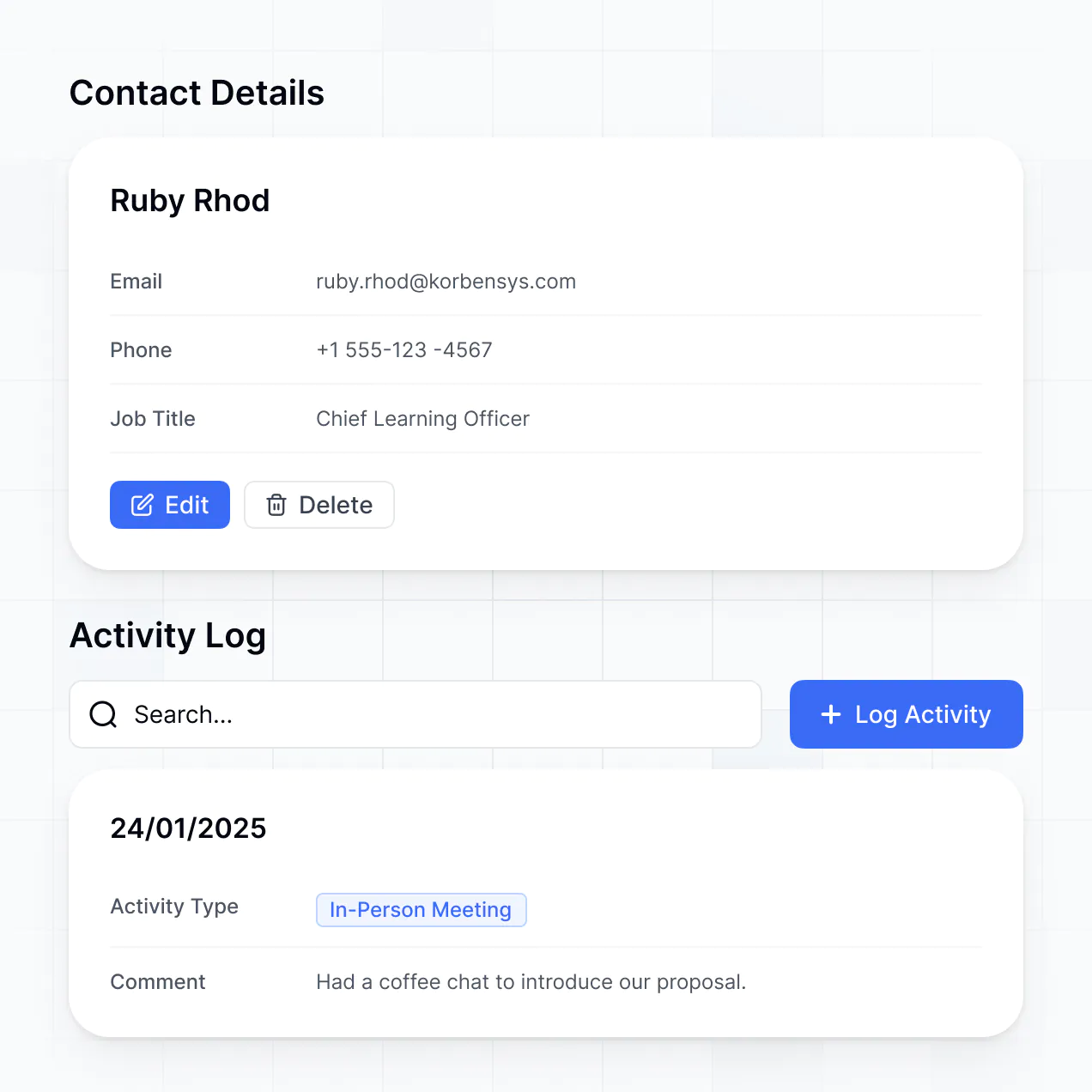
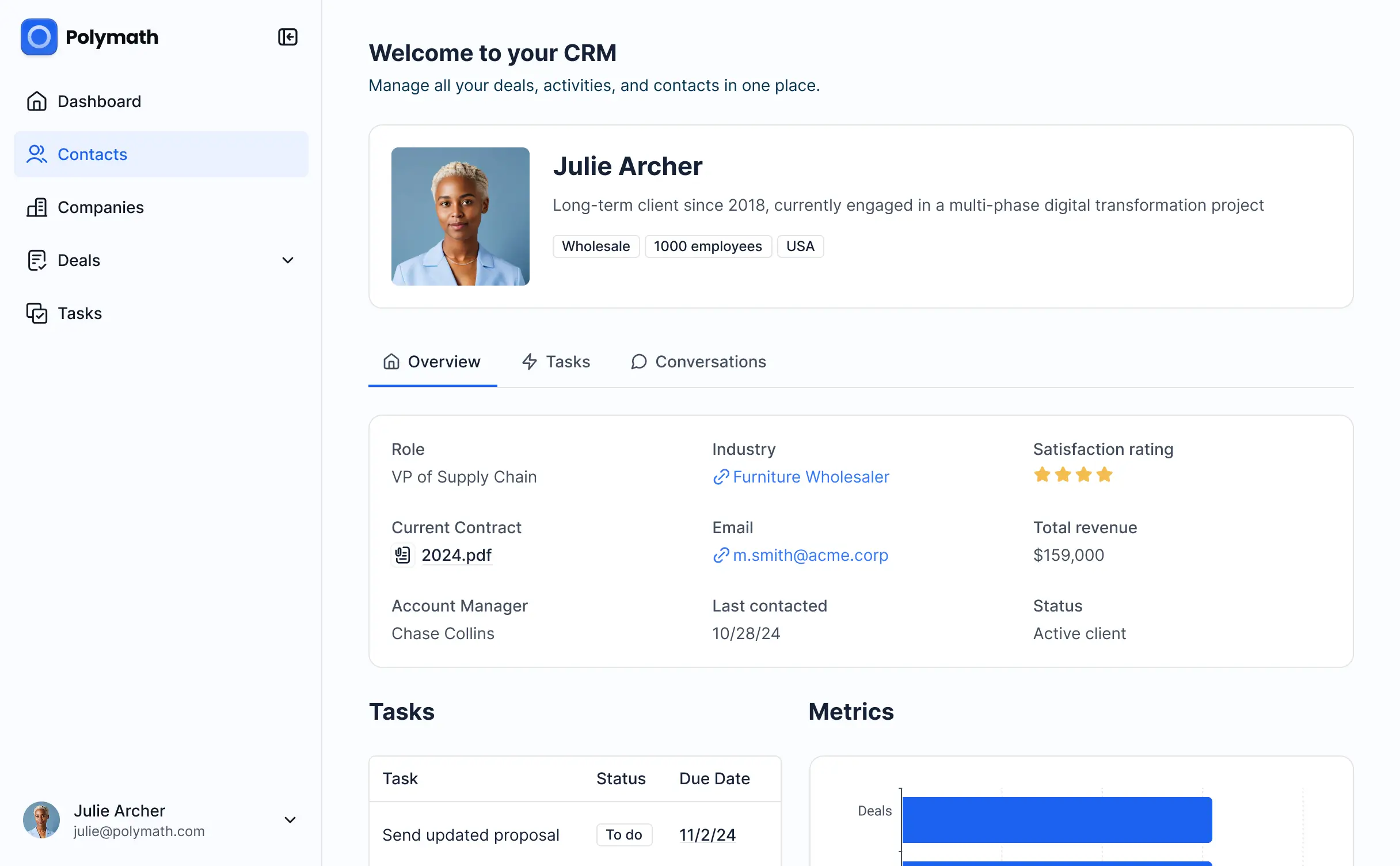
- **Detail View:** Show a complete account record with contacts, notes, activities, and deal history.
- **Forms:** Capture new leads, meeting notes, qualification details, or deal updates.
- **Charts:** Track conversion rates, pipeline value, and revenue by rep.
- **Calendar:** Display demos, calls, renewals, and customer meetings.
Everything remains editable in the visual builder, so you can change a manager dashboard or rep workspace as your sales process evolves.
CRM records often include sensitive customer contacts, deal values, contract details, and sales notes, so access needs to follow each person's role. Softr encrypts data in transit with TLS and at rest on secure infrastructure. Authentication, role-based permissions, visibility rules, global restrictions, and users managed in your data source help control who can view or edit accounts and opportunities.
With Softr Databases, CRM data sits in Softr's secure environment, hosted in Europe, Germany, and Softr Databases is SOC 2 Type II compliant. When you use an external source, Softr stores nothing and displays live data according to your access settings. These controls support authentication, access control, and monitoring practices for teams managing customer relationships.
An AI-generated CRM can be production-ready when it is built on infrastructure designed for real users and records. For a sales team, production means reps can update contacts and opportunities daily, managers can trust pipeline totals, and account histories remain available when a deal changes hands.
Many AI tools generate fragile custom code that becomes difficult to secure or maintain. Softr uses a stable business-grade foundation instead, with authentication, secure hosting, and granular permissions handled natively. That reduces the Day Two problem of broken access rules or abandoned automation logic. You can generate the CRM with AI, then refine its pipeline, account views, and sales workflows visually before putting it in front of your team.
Pure vibe coding tools generate raw code that can become fragile around authentication, permissions, and pipeline logic. Traditional no-code tools require teams to configure much of the database and app manually. Softr takes a hybrid approach: describe your CRM in plain language, generate the database, pages, and logic in minutes, then refine the opportunity board, contact views, and manager dashboard visually.
The business-grade foundation already includes hosting, authentication, roles, and permissions, so non-technical teams can move from an initial sales workflow to a production app without rebuilding the basics. Softr apps are also agent-ready. A logged-in rep can operate the CRM through an AI assistant over MCP, but only within the same account and action permissions used in the app. There is no second permission model to build or audit.
Softr Workflows can automate routine CRM actions when a record changes or a user clicks a button. A useful first workflow is assigning a new lead to the right sales rep and updating its status when qualification is complete. You can also trigger follow-up tasks after a meeting note is added or send data from a closed opportunity to another system.
Softr connects with tools such as Stripe and Intercom, while REST API connections and webhooks cover advanced cases. That lets your CRM display customer context from other tools, react to rep actions, and send account or opportunity updates where they are needed. These workflows do not require code.
Describe your CRM, then customize lead stages, records, and reminders without code.