Describe IT support flows, get a working internal tool with tickets, asset records, approvals, and permissions covered for IT teams.
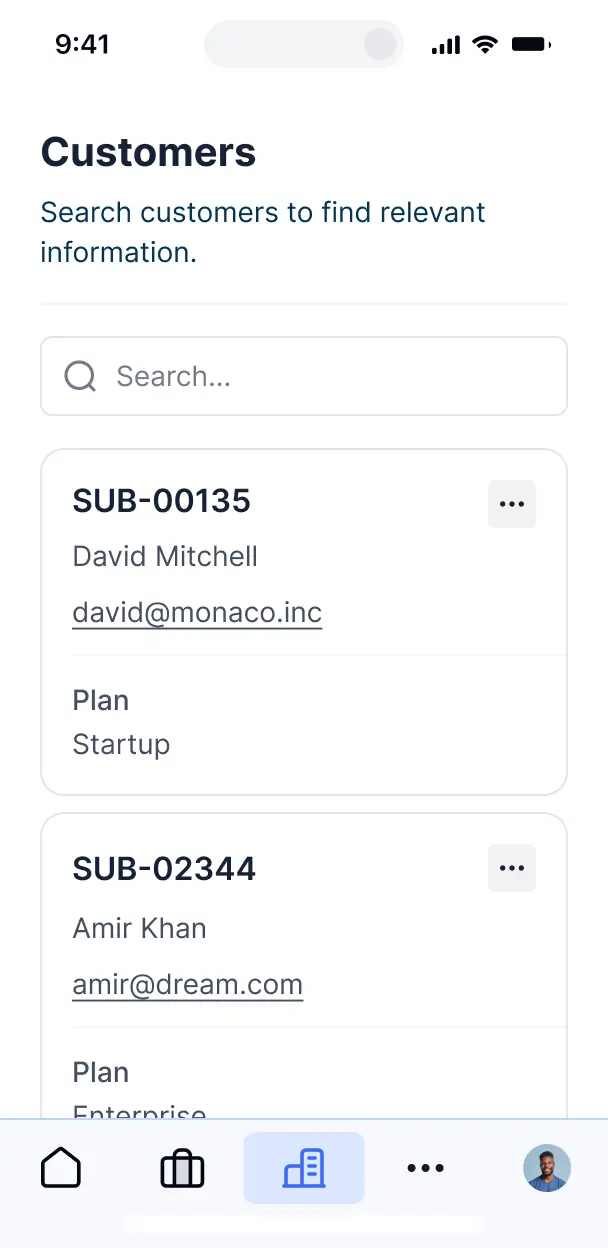



Choose only the views and workflows your IT team needs today, then adapt the app as ticket queues, approvals, and incident work evolve over time.


Manage tickets, assets, approvals, and incidents in Softr Databases, or connect Airtable, Notion, Google Sheets, and REST API, with real-time sync where supported.
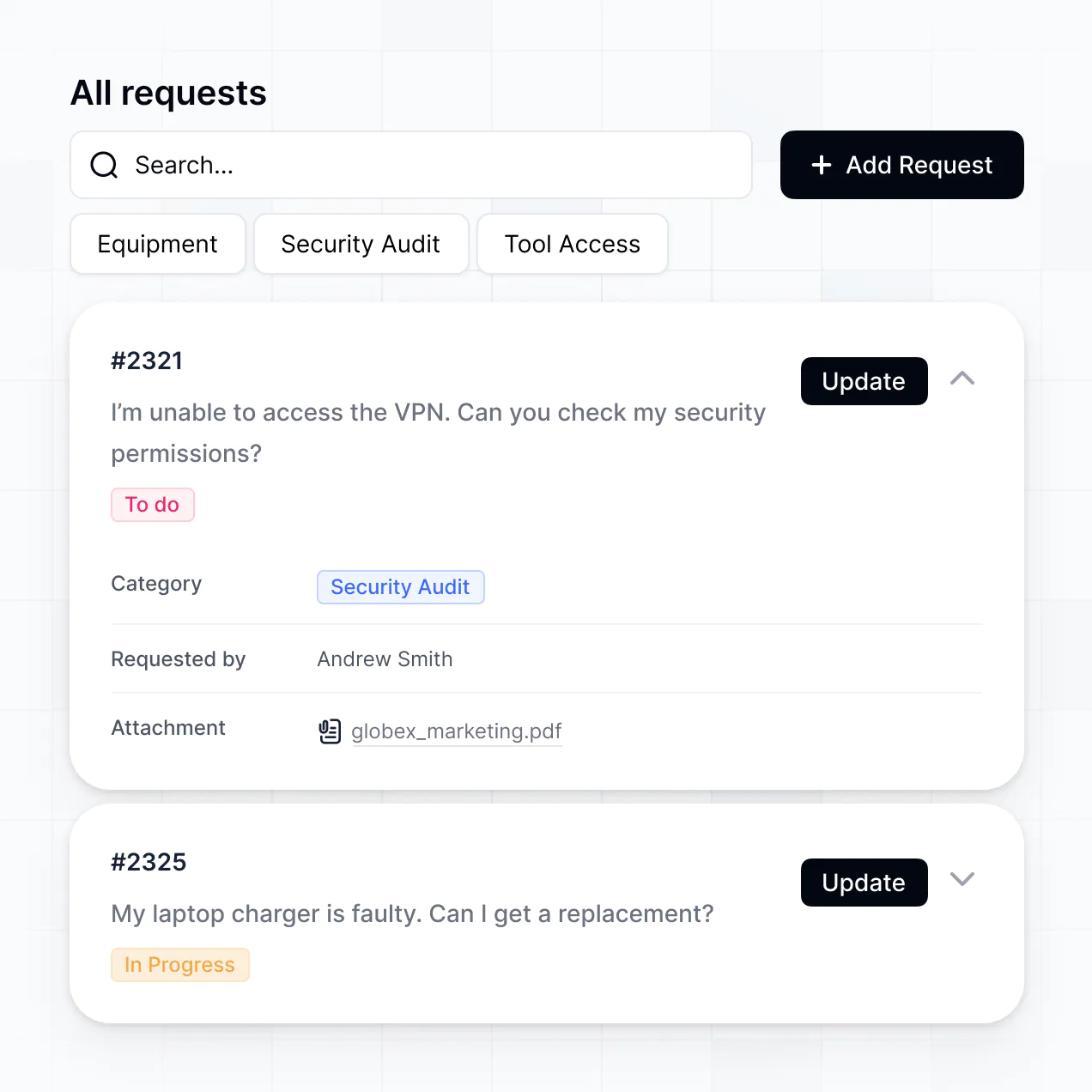
Give IT teams secure access to tickets, assets, approvals, and incidents. Set up logins, user groups, and granular permissions with no dev work needed.
Give service desk agents, IT managers, and administrators tailored access to the records and dashboards they need.
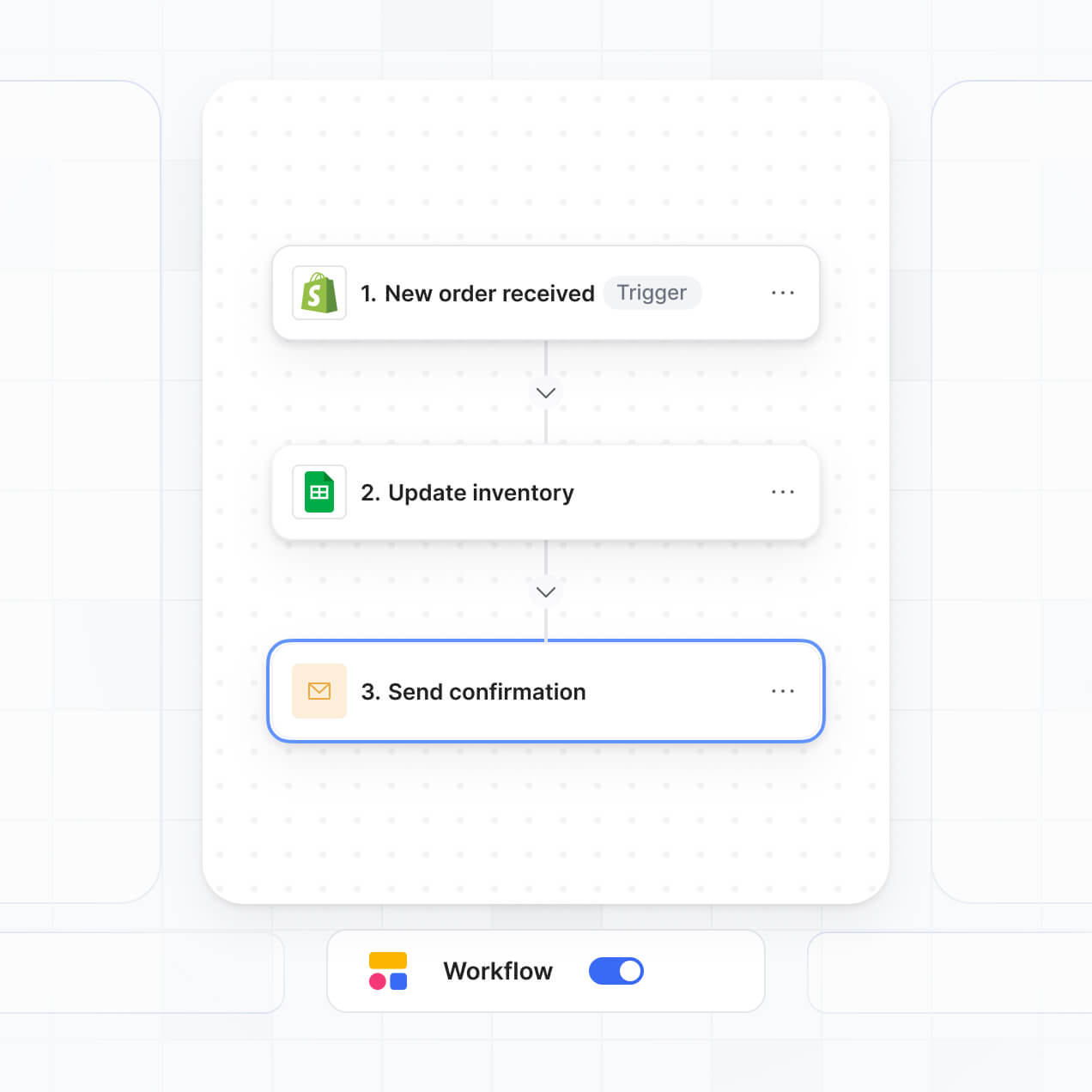
Trigger ticket routing, access approval updates, incident notifications, and summaries when records change or actions occur.
Let IT teams review tickets, update asset records, and respond to access requests from any device.
Use Google, email, or SSO logins to give IT teams fast, secure access to their internal support tool.
Protect tickets, asset records, and access requests with encryption, granular permissions, and SOC 2 Type II compliant Softr Databases.
No more one-size-fits-all tools or costly custom builds. Softr is easy to use and fully customizable, so you can launch faster, adapt as you grow, and skip the complexity of traditional software.

Generate IT support workflows in minutes, then refine ticket intake and approvals visually, with no dev configuration.

Add incident views, asset workflows, and access steps as IT operations change, without starting over.

Bring tickets, assets, approvals, and incident tracking into one internal tool instead of scattered systems.
Co-build with AI
Simply describe what you need. Let Softr handle everything - Interface, database, workflows.
Iterate with AI or visually
Control most critical parts of your app yourself - roles, permissions, security.
Ship the same day
Invite team members or external clients and partners right away. No developer handover.
Use drag-and-drop blocks to build a portal that looks sleek and modern out of the box. Add only the features you need, and iterate as your workflows evolve.




An IT team internal tool is a secure workspace where help desk agents, system administrators, and employees log in to manage technical operations. It can bring together support tickets, device assignments, access requests, incident updates, knowledge base articles, and resolution timelines. Instead of searching through email threads and disconnected spreadsheets, the team works from one place with the records and status updates needed to keep service requests moving.
IT teams get a central place to manage tickets, assets, access requests, and incidents without waiting for a long software project. Softr is an AI app builder for business software. Describe the workflows you need, and it generates the database, pages, and logic, already connected and secure, with no code required. You can also start from a template or build from scratch, then switch between AI generation and visual editing whenever you need. Store records in Softr Databases, or connect tools such as Airtable, Google Sheets, or HubSpot. Your team keeps control over the layout, permissions, and branding, so agents see the queues they need while employees get a simpler request experience.
You can combine standard blocks with AI and automation for day-to-day IT operations, including:
- **AI inside the app:** Ask AI can answer questions about open incidents or device assignments, while Database AI Agents can classify incoming tickets by category and urgency.
- **Custom interface:** A Vibe Coding block can create a service health panel showing incident impact, affected systems, and escalation status when a standard block is not enough.
- **Automations:** Softr Workflows can notify an IT lead when a high-priority ticket is created, or update a request after an agent changes its status.
- **Access controls:** Give employees access to their own requests, agents access to assigned queues, and administrators broader visibility.
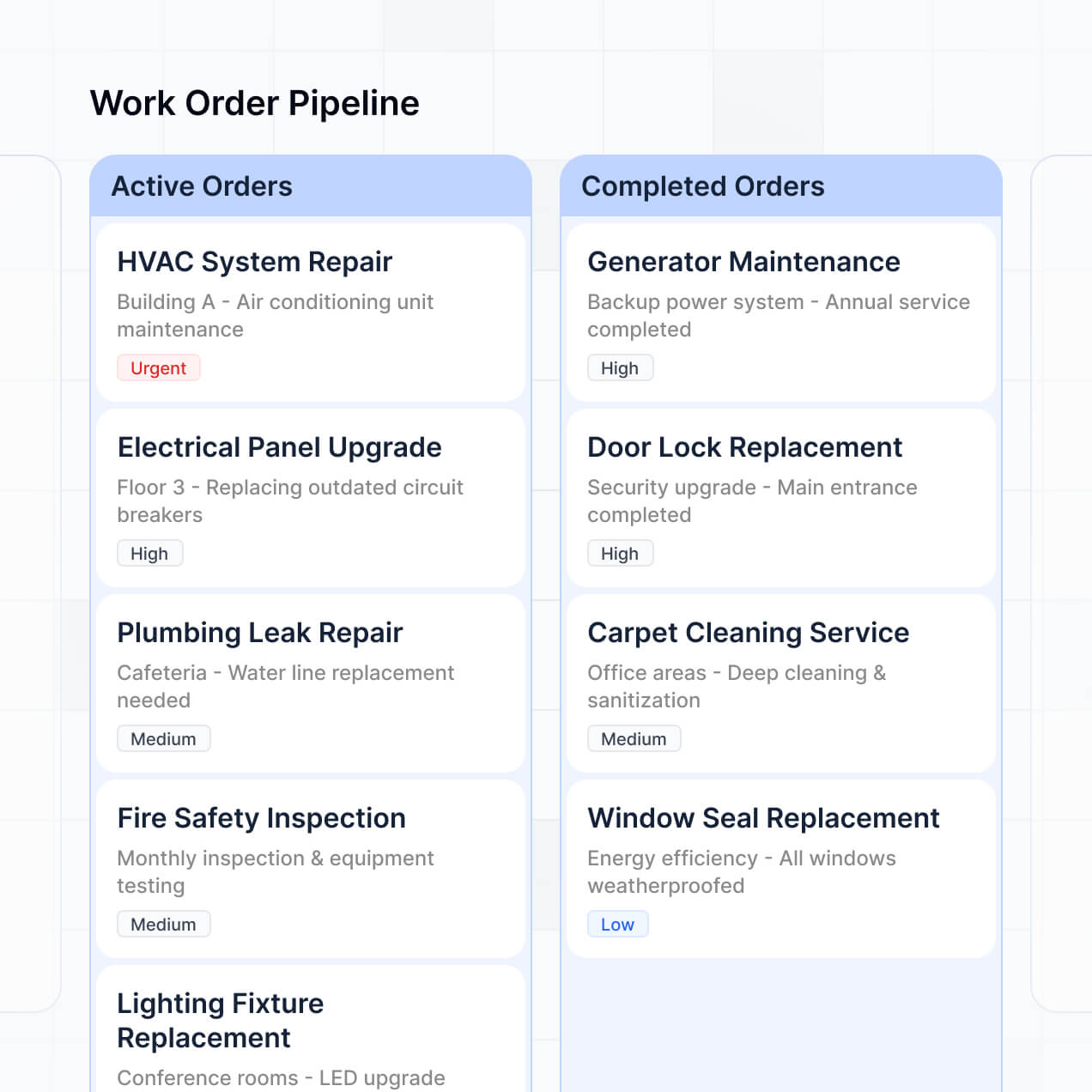
- **Operational blocks:** Build forms with file uploads and conditional logic for access requests, dashboards and charts for ticket volume, and filtered tables, kanban boards, lists, and detail views for incidents and assets.
Everything is drag-and-drop and remains editable later.
Describe the IT workflow in plain language, such as an employee request form, an agent ticket queue, and an incident dashboard, and Softr uses AI to generate the app. The result runs on a production-ready foundation with authentication, database logic, and security handled natively. That differs from tools that leave your team maintaining fragile generated code after launch. For IT operations, the Day Two risk could mean broken ticket routing, exposed device records, or an access request that disappears. Where a Vibe Coding block is used, every prompt and edit has a version history, so a faulty change can be rolled back instead of repeatedly re-prompted.
Yes. Keep service desk agents, infrastructure engineers, security staff, and department coordinators in one app. Login and role-based access determine which ticket queues, incident records, device inventories, or access requests each person can view and edit. That lets several IT functions share a system without exposing every operational record to every team.
A spreadsheet is not required to get started. Softr Databases is built into the platform, so you can create tables for support tickets, devices, incidents, users, and access requests before importing anything. If your IT records already live elsewhere, connect Airtable, Google Sheets, HubSpot, Notion, Coda, monday.com, Supabase, or SQL, and use the REST API connector for other sources. You decide how ticket fields, asset details, and request statuses are structured and displayed, whether you begin with a blank database or move over an existing spreadsheet.
Softr Databases is the recommended starting point for an IT team internal tool. It is a native relational source built for business apps, with high performance, instant automation triggers, and fast access because the data is native to Softr. If your service records already live in another system, Softr connects to 21+ external sources, including Airtable, Google Sheets, HubSpot, SmartSuite, and BigQuery. One app can draw on several sources at once, such as a ticket queue from Airtable and an asset list from Google Sheets. Most supported sources provide real-time two-way sync, so ticket updates and device changes can stay aligned.
IT administrators can control the navigation, page layout, and content shown to each role. For example, an employee may submit and track their own access request but not browse the security queue, while a service desk agent can view assigned tickets and update resolution status without editing infrastructure incidents. Views can also filter records by the logged-in user, such as showing an agent only their ticket queue. Built-in preview lets you open the app as an employee, agent, or administrator before launch, so you can verify visibility and edit rights without creating test accounts.
Yes. Apply your company logo, brand colors, fonts, and custom domain, then remove Softr branding. That gives employees, service desk agents, and department managers a consistent place to submit tickets, review incidents, and request access under the identity they already recognize.
You can adjust colors, fonts, spacing, page structure, and the blocks each role sees after login. For example:
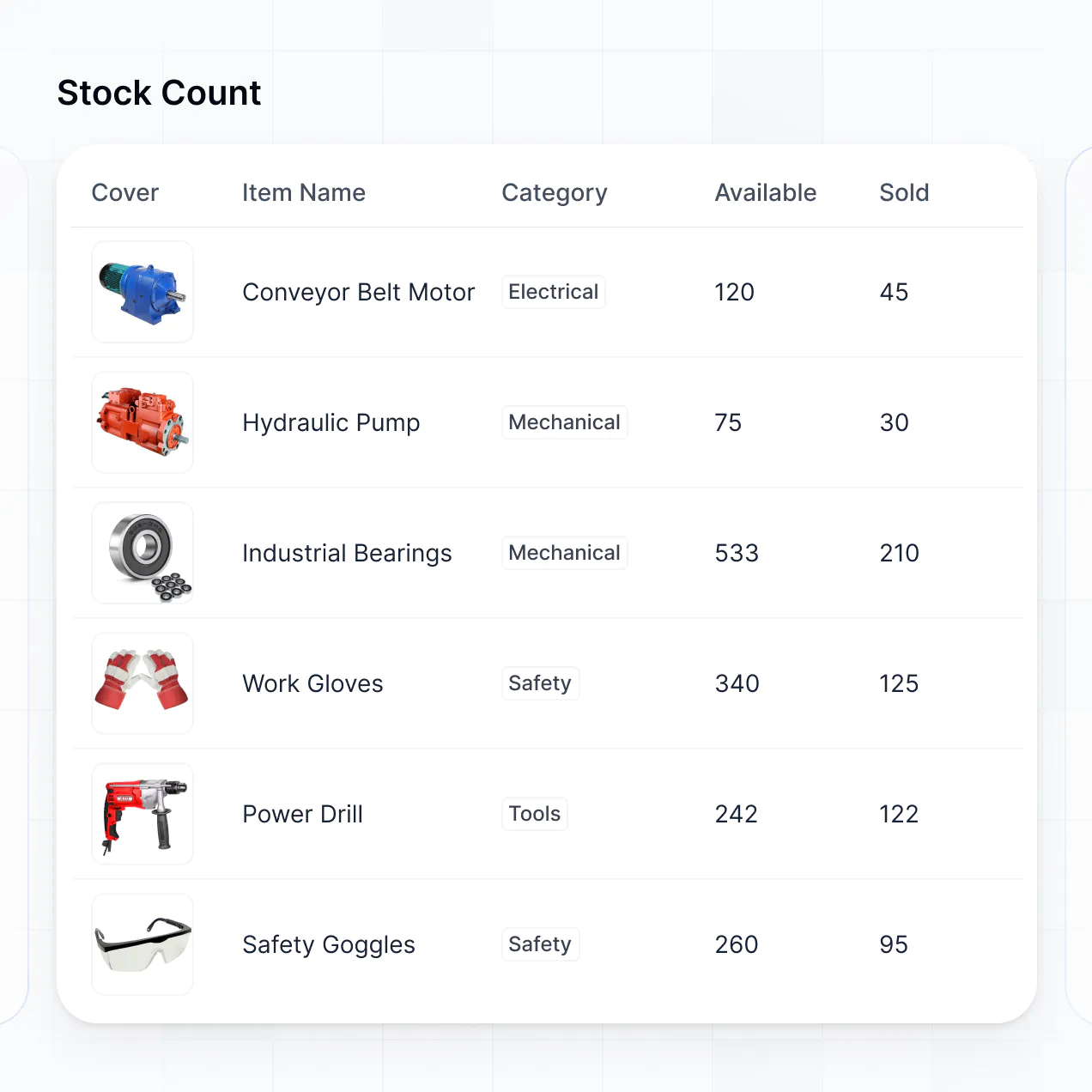
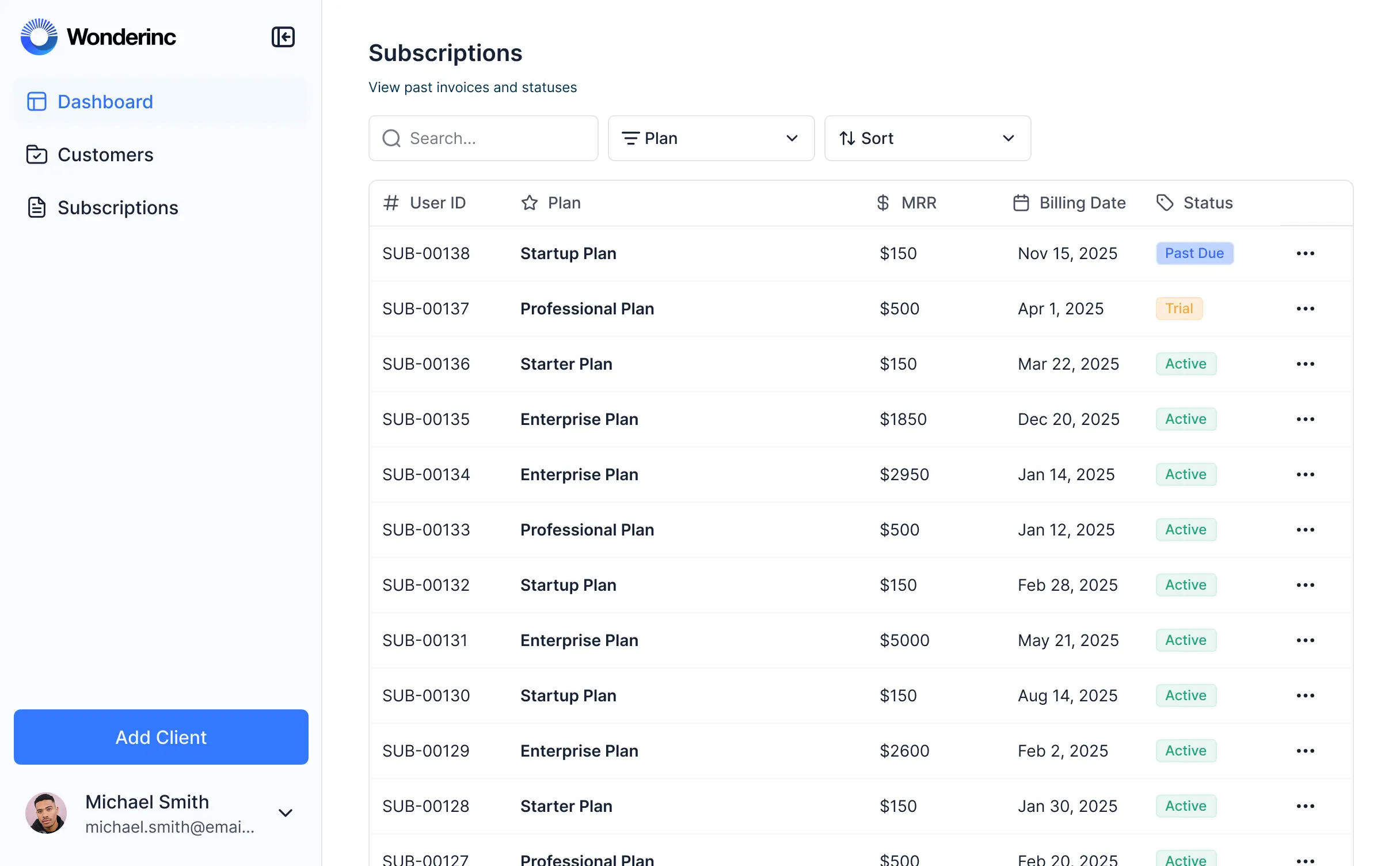
- Use a **Table** for ticket priority, assignee, SLA status, and last update.
- Use a **List** or **Card** layout for employees browsing knowledge base articles or tracking their own requests.
- Add a **Detail View** for the full incident timeline, affected service, attachments, and resolution notes.
- Use **Forms** for access requests, hardware returns, and software installation needs, with file uploads and conditional fields.
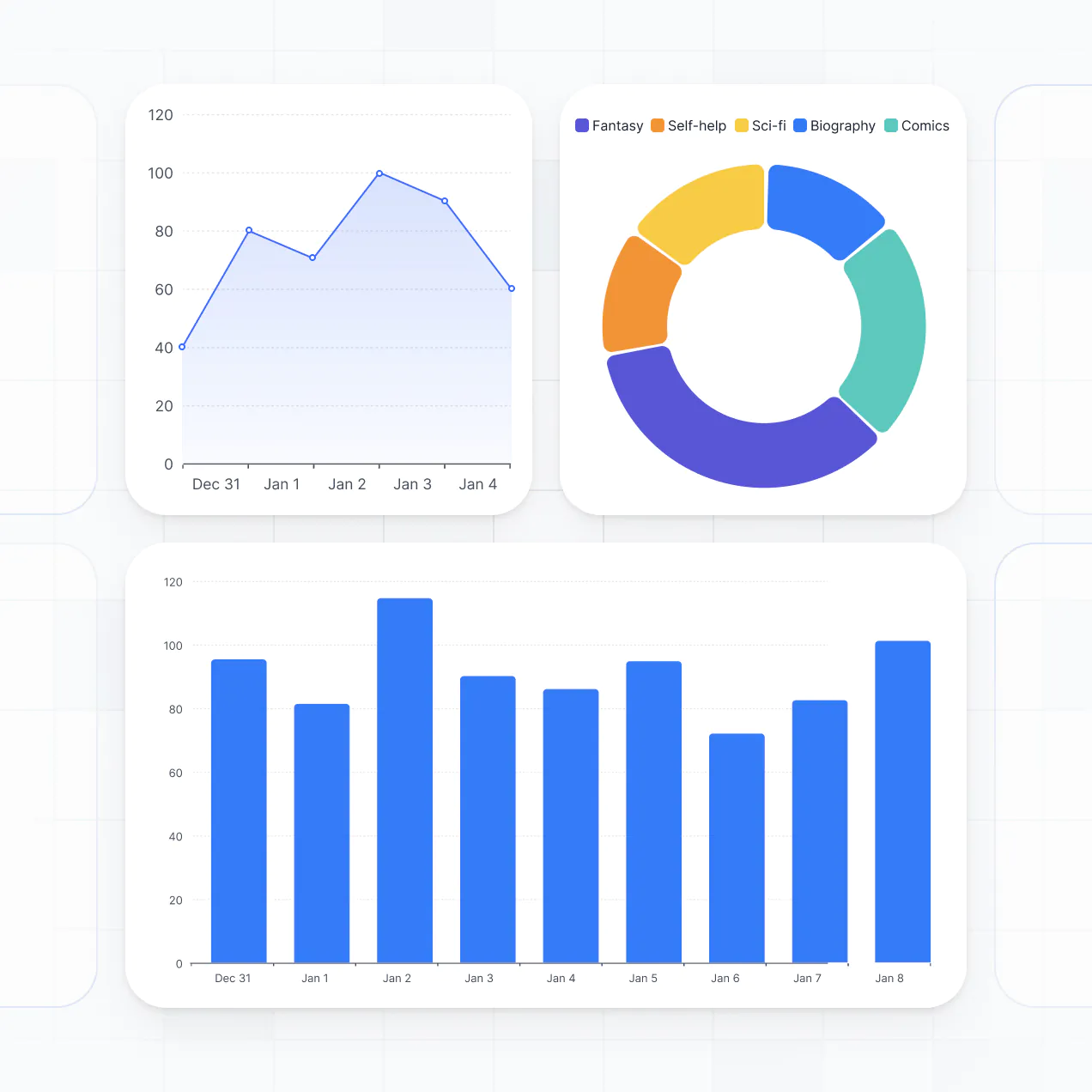
- Add **Charts** for ticket volume by category, response time, or open incidents by department.
- Use a **Calendar** for maintenance windows, on-call rotations, and planned system changes.
You choose where each block appears and can keep editing the app visually as the IT workflow changes.
IT teams often handle sensitive records such as access requests, employee device assignments, incident notes, and security investigations. Softr encrypts data in transit with TLS and at rest on secure infrastructure, with authentication, access controls, visibility rules, and global restrictions. User groups can limit an employee to their own requests, an agent to assigned tickets, and a security administrator to investigation records. With Softr Databases, data stays in Softr's secure environment in Germany, which is SOC 2 Type II compliant. When you connect an external source, Softr stores nothing and displays live data according to your access settings. This keeps permissions tied to the records and roles your IT team already manages.
It is production-ready for real employees, tickets, devices, and access requests, not limited to a demo. Softr builds on a stable business foundation where authentication, secure hosting, and granular permissions are handled natively. That matters on Day Two, when a broken ticket queue can delay a repair or an exposed access request can create a security issue. Rather than leaving your IT team with fragile custom code to maintain, Softr provides the operational foundation from the start, so real users can work in the app as soon as it is configured.
Pure vibe coding tools generate raw code that can become difficult to secure and maintain. Traditional no-code tools often require hours of manual configuration before an IT team can manage tickets, assets, or incidents. Softr takes a hybrid approach: describe the workflow and AI generates the database, app, and logic, then refine queues, forms, and permissions visually. Authentication, roles, secure hosting, and business data foundations are already in place, helping non-technical teams move from an initial service desk tool to production use.
Softr apps are also agent-ready. A logged-in IT user can operate the app through an AI assistant over MCP, but only within the actions and records allowed by the app. The same user groups and permissions apply, so there is no second permission model to build or audit.
Start with a workflow such as notifying the service desk lead when a critical incident is logged, or routing a new access request to the right approver. Softr Workflows runs native automations when a ticket record changes or a user clicks a button. The app can also sync with tools such as Stripe and Intercom, while REST API connections and webhooks support advanced cases. Use these options to send ticket data to another system, trigger an approval from a user action, or display employee and incident information from an external source. IT teams can configure these flows without code.
Describe your ticket flows and launch a working internal tool in minutes, with no code needed.