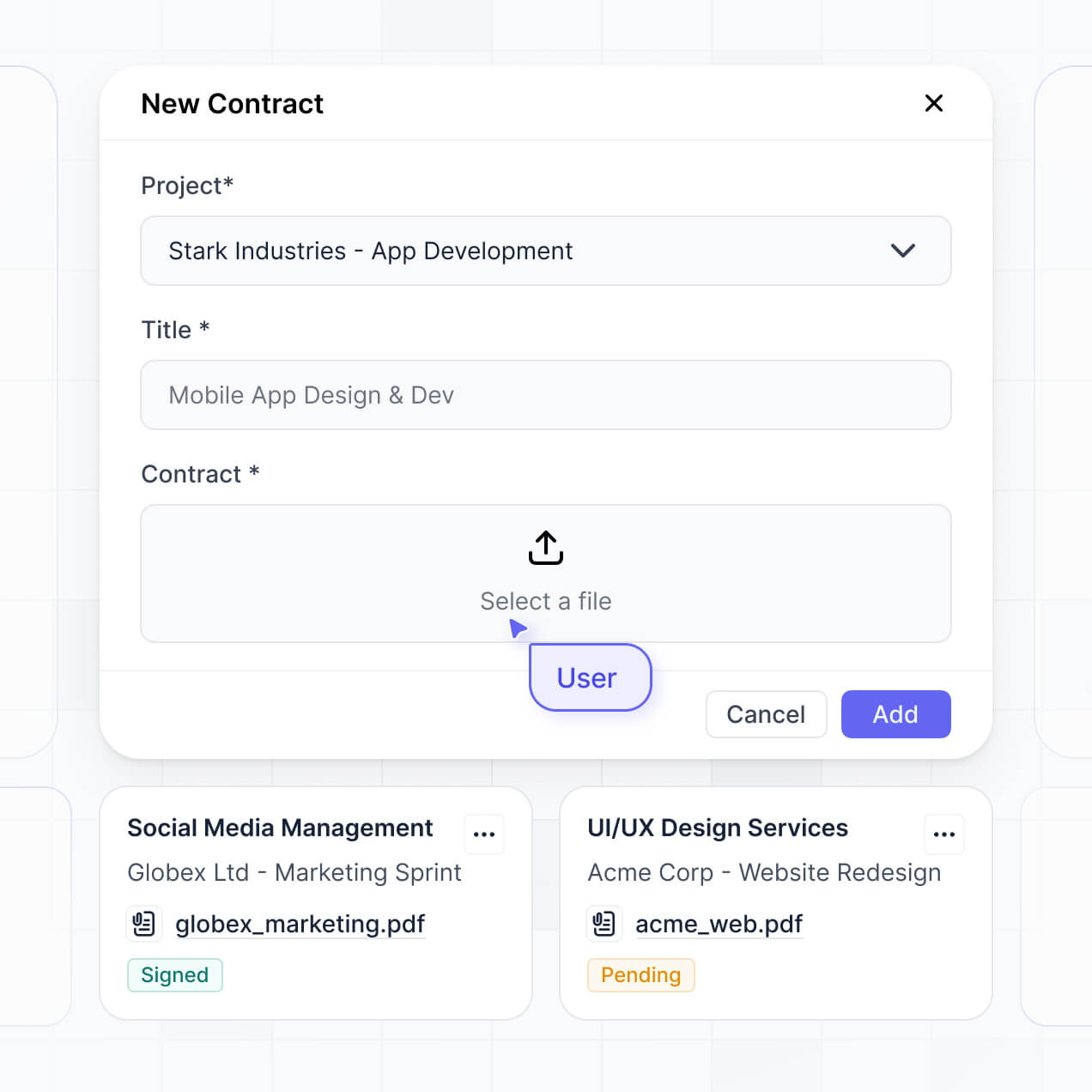
Build healthcare operations apps in minutes, connect patient workflows, and keep permissions ready for medical teams and departments.
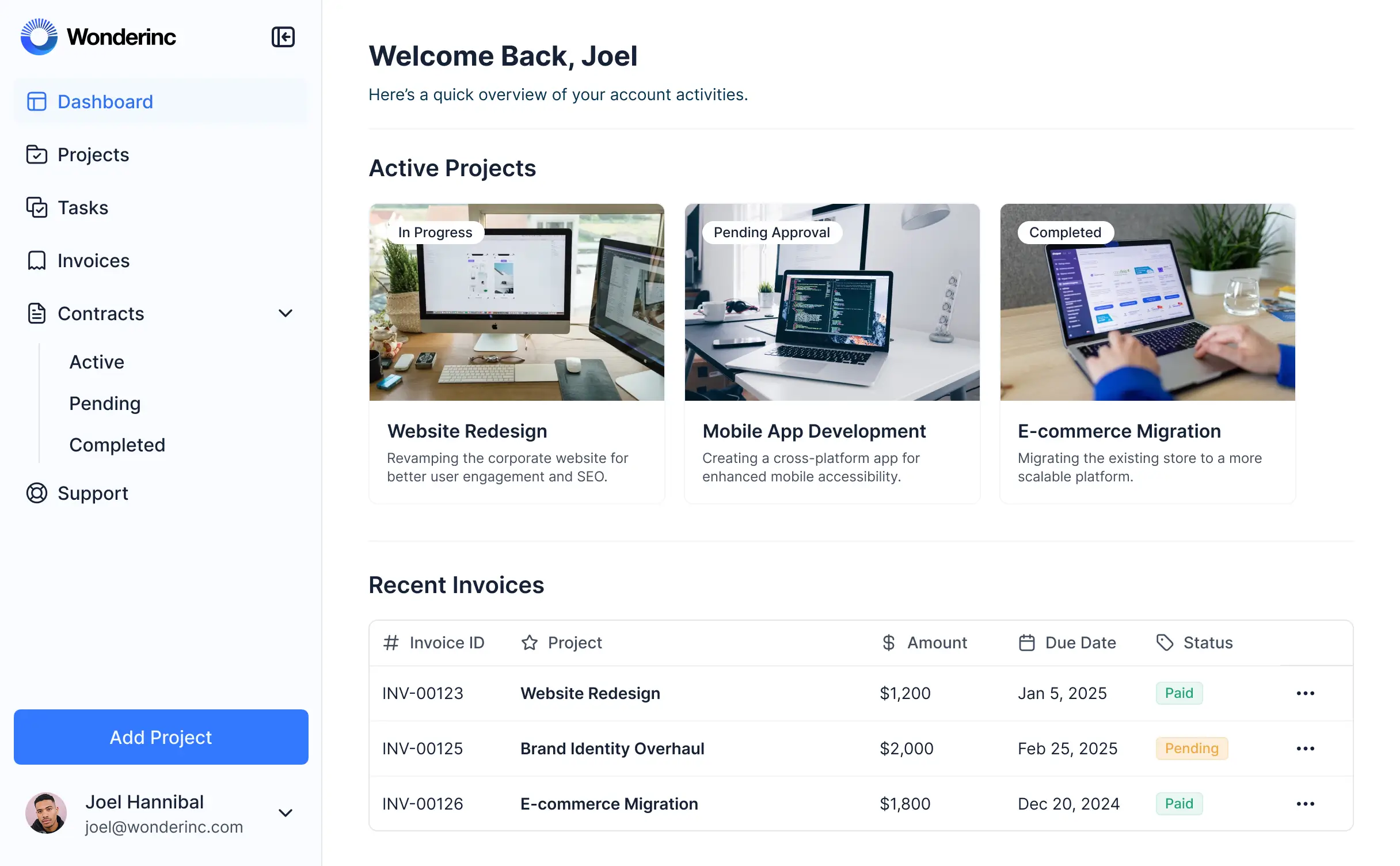



Choose only the views and workflows your care operations require, then adapt intake, task, and referral processes as needs change over time.


Manage patient and referral data in Softr Databases, or connect Airtable, Google Sheets, Notion, and other systems with real-time sync. Keep healthcare operations in one place.
Give care coordinators, clinicians, and operations teams the right tools and access. Set up secure logins, user groups, and granular permissions.
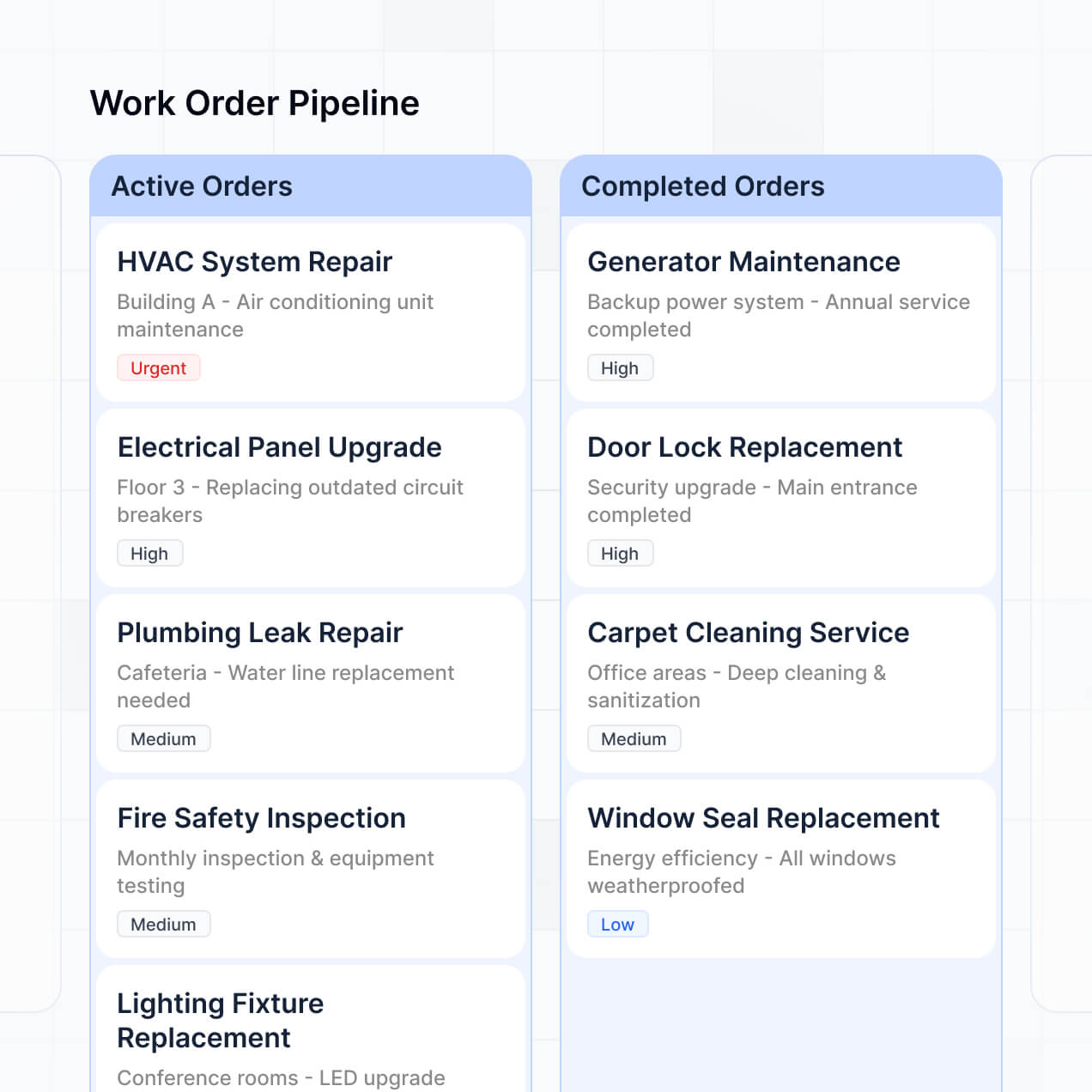
Give care teams, coordinators, and administrators tailored dashboards so each role sees the healthcare records they need.
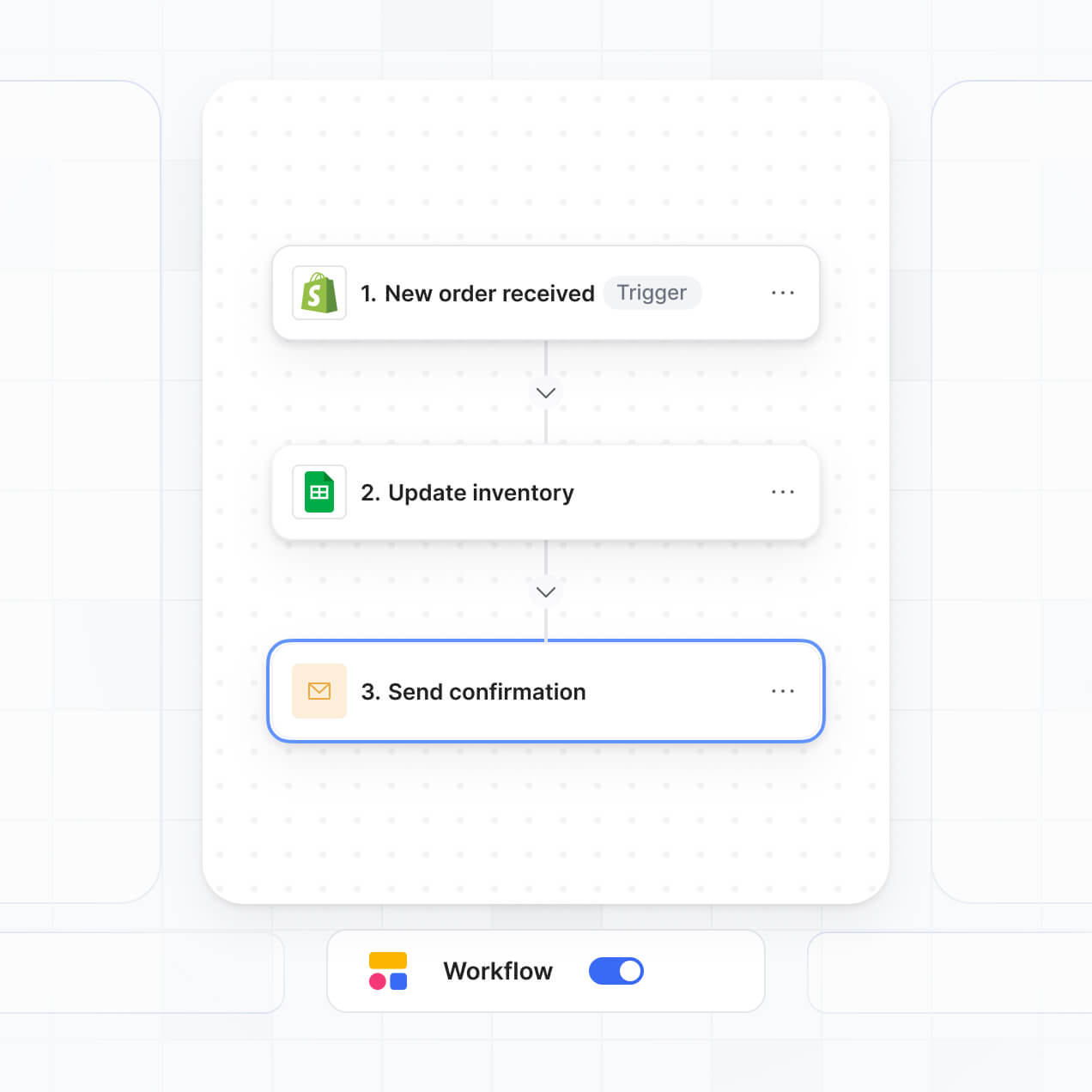
Trigger native workflows when intake requests arrive, tasks change status, or referral documents need approval.
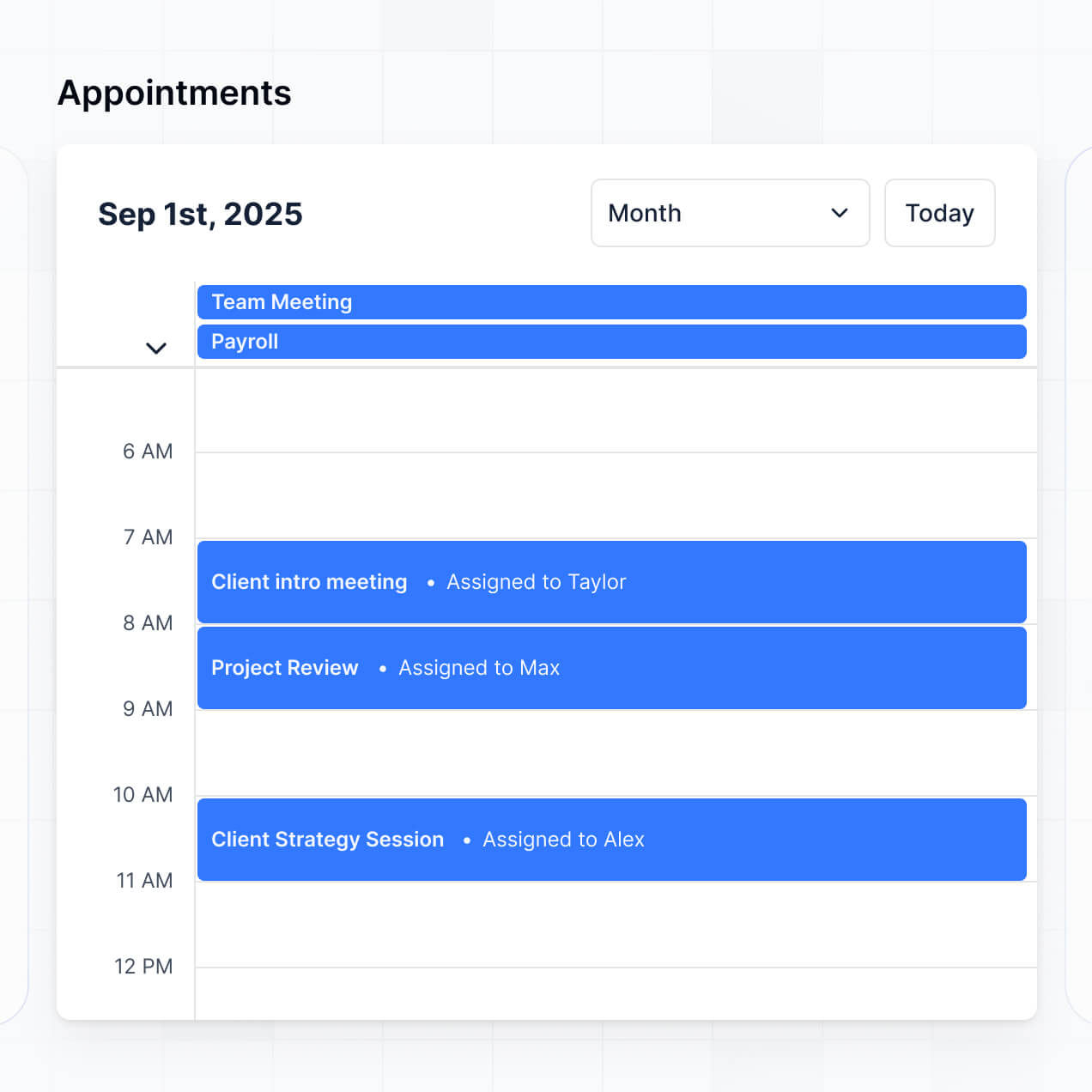
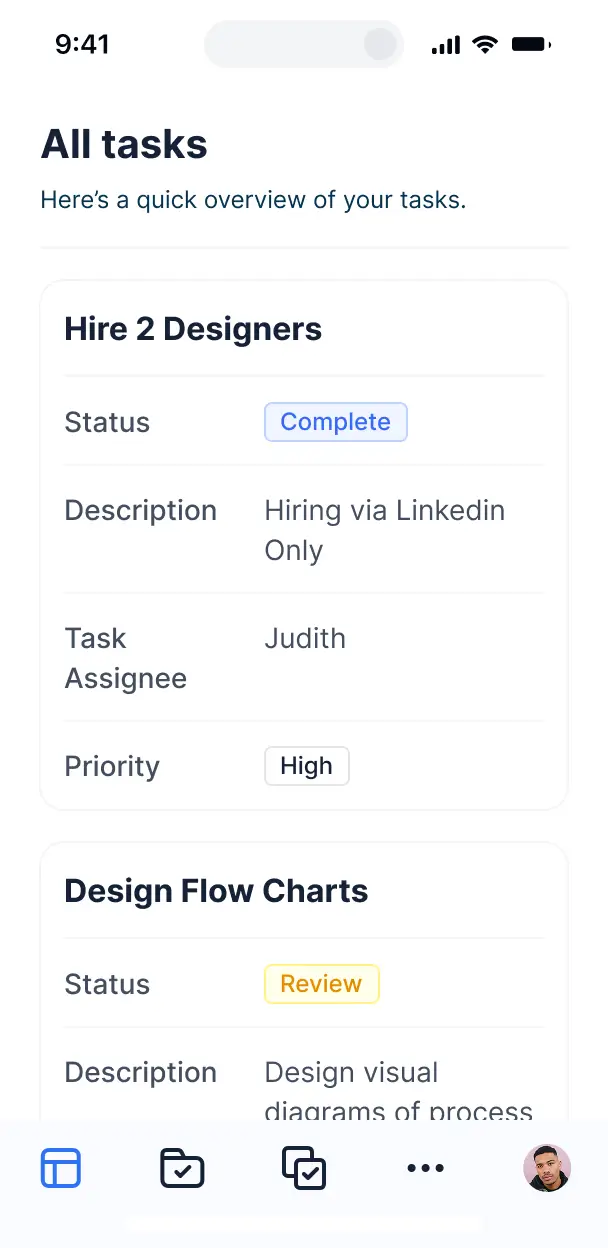
Access appointment calendars, care team queues, and patient intake records from any mobile-ready device.
Use email, Google, or SSO logins to give healthcare teams secure access to their internal tools.
Protect healthcare operations data with SOC 2 Type II compliance, encryption, and granular access controls.
No more one-size-fits-all tools or costly custom builds. Softr is easy to use and fully customizable, so you can launch faster, adapt as you grow, and skip the complexity of traditional software.

Describe patient intake and care coordination needs, then generate a working internal tool in minutes.

Add appointment views, referral approvals, or task workflows as care operations change.

Bring intake requests, care tasks, appointments, and referrals into one healthcare operations app.
Co-build with AI
Simply describe what you need. Let Softr handle everything - Interface, database, workflows.
Iterate with AI or visually
Control most critical parts of your app yourself - roles, permissions, security.
Ship the same day
Invite team members or external clients and partners right away. No developer handover.
Use drag-and-drop blocks to build a portal that looks sleek and modern out of the box. Add only the features you need, and iterate as your workflows evolve.




A healthcare management app is a secure workspace where clinicians, care coordinators, and operations staff log in to manage patient referrals, appointment updates, care plans, and follow-up timelines. Instead of searching through email threads and spreadsheets, teams can centralize the records, files, and status changes they need for daily care operations. Each person reaches the information relevant to their role, helping staff coordinate work without exposing unrelated patient details.
Care teams get one place to coordinate referrals, appointments, care plans, and follow-ups without waiting for a long software project. Softr is an AI app builder for business software: describe the workflows you need, and it generates the database, pages, and logic, already connected and secure, with no code required. You can start by generating with AI, choosing a template, or building from scratch, then move between those approaches and visual editing at any time. Use Softr Databases or connect tools such as Airtable, Google Sheets, or HubSpot. You retain control over the layout, which roles see each patient record, and how your organization is branded.
You can assemble a healthcare management app from editable drag-and-drop blocks, including:
- **AI inside the app:** Ask AI can answer questions about referral status or overdue follow-ups, while Database AI Agents can classify incoming referrals by specialty or urgency.
- **Custom interfaces:** A Vibe Coding block can create a care-team handoff panel or an appointment capacity view when standard blocks do not fit.
- **Automations:** Softr Workflows can notify a coordinator when a referral record changes or create a follow-up task after a clinician clicks a button.
- **Access controls:** Give physicians, nurses, and administrators different access to patient records, attachments, and operational views.
- **Forms:** Collect referral details, intake files, and review notes with file uploads and conditional logic.
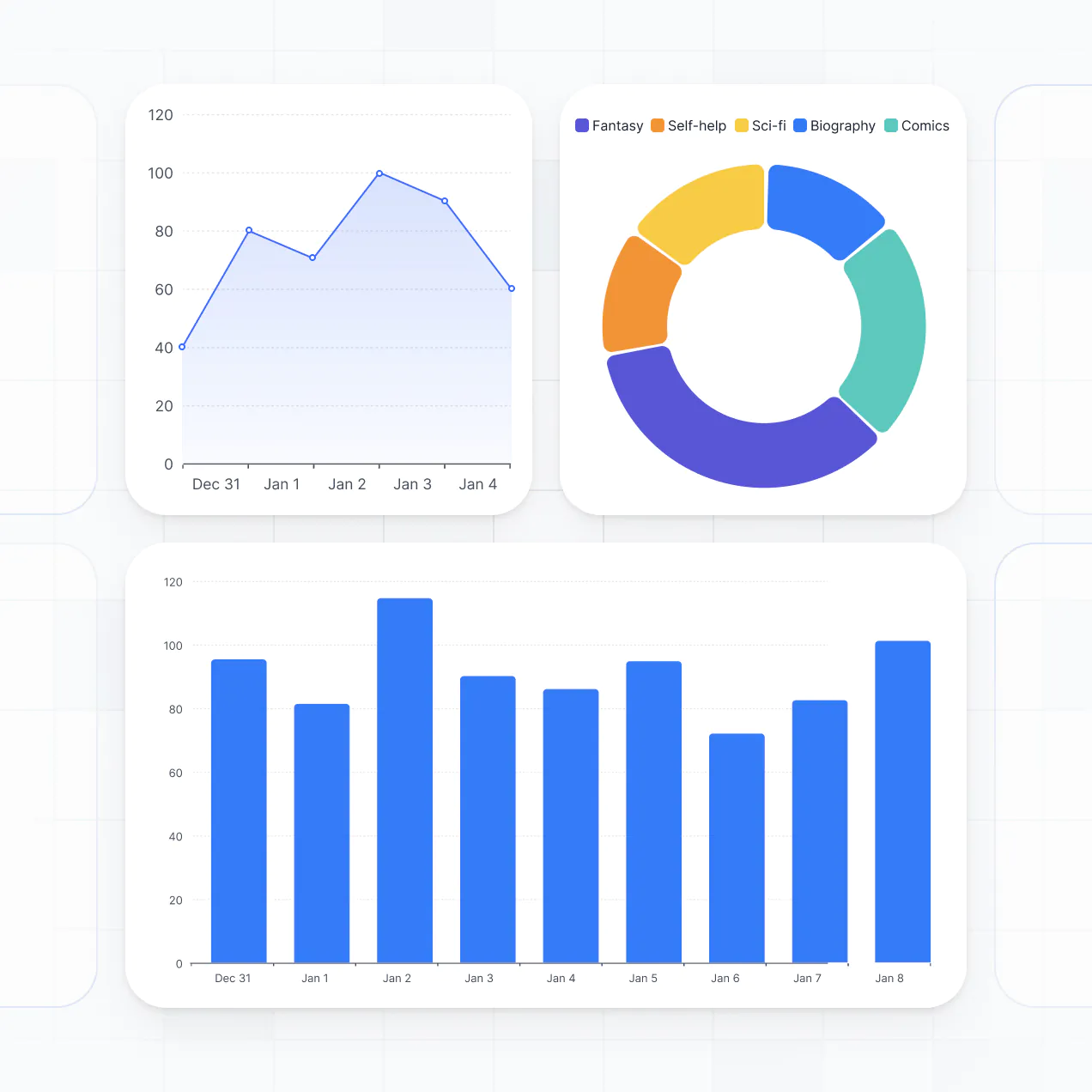
- **Reporting:** Use dashboards and charts for referral volume, appointment wait times, and follow-up completion.
- **Data views:** Present referral lists, appointment tables, kanban pipelines, and patient detail views with filters.
Everything remains editable later, so the app can change as your care workflows change.
Vibe coding means describing the healthcare management app you need and letting AI build it. You might ask for a referral queue, clinician review page, patient intake form, and follow-up tracker in plain language. Softr produces the app on a stable, secure foundation rather than leaving you with raw code to maintain. Authentication, database logic, and security handle the boring 80%, so a broken referral status or missing appointment update does not become a Day Two maintenance problem. When a Vibe Coding block is involved, every prompt and edit is versioned, allowing your team to roll back a change instead of repeatedly prompting around the issue.
Yes. A single app can separate primary care, specialty care, and operations teams. Each logged-in user sees only the patient records, referrals, appointments, or tasks assigned to their role and team. That lets several departments share one system while keeping their working queues distinct.
A spreadsheet is not required to get started. Softr Databases is built into the platform, so you can create tables for patients, referrals, appointments, and care tasks before importing any existing records. If information already lives in Airtable, Google Sheets, HubSpot, Notion, Coda, monday.com, Supabase, or SQL, those sources can connect instead. The REST API connector covers other systems. Either way, you decide how patient records and operational fields are structured and displayed.
Softr Databases is the recommended starting point for a healthcare management app. It is a native relational database built for business applications, with high performance, instant automation triggers, and fast access because the data is native to Softr. You can also connect 21+ external sources, including Airtable, Google Sheets, HubSpot, SmartSuite, and BigQuery. One app can draw on several sources at once, such as combining referral records from Airtable with staffing data from Google Sheets. Most supported sources offer real-time two-way sync, so updates to appointments and care tasks can stay aligned across systems.
You can control navigation, page layouts, and the content shown to each logged-in role. For example, a physician may view assigned patient profiles, clinical notes, and referral status, while an operations coordinator may edit appointment schedules and capacity records but not see clinical notes. Views can also filter records by the logged-in user, so each clinician sees their own caseload. Softr lets you define precise view and edit rights, then preview the app as any user group before publishing. That makes it possible to check physician, nurse, and administrator access without creating test accounts.
Yes. Add your organization’s logo, brand colors, fonts, and custom domain, then remove Softr branding. This gives clinicians, care coordinators, and administrators a consistent workspace for referrals, appointments, and care plans that matches the identity of the healthcare organization using it.
Colors, fonts, spacing, and page structure can all be adjusted around the way healthcare teams work. You choose which blocks appear on each page and what a clinician, coordinator, or administrator sees after login. Useful options include:
- **Table:** Track referral details, appointment dates, assigned clinicians, and follow-up status.
- **List or Card:** Give coordinators a quick view of open referrals or patients awaiting outreach.
- **Detail View:** Show a patient’s care plan, attached files, and timeline in one place.
- **Forms:** Collect intake information, referral updates, and care-team notes.
- **Charts:** Monitor referral volume, appointment wait times, or completed follow-ups.
- **Calendar:** Display consultations, review meetings, and scheduled follow-up calls.
The visual builder keeps every page editable as your workflows and team needs develop.
Healthcare teams often need to protect sensitive patient records, referral details, and care notes while keeping operational work accessible. Softr encrypts data in transit with TLS and at rest on secure infrastructure. Role-based permissions, visibility rules, global restrictions, and users managed in your data source help limit access to the right clinicians, coordinators, and administrators. With Softr Databases, data remains in Softr’s secure environment, hosted in Europe in Germany, and the database is SOC 2 Type II compliant. When you use an external source, Softr stores nothing and displays live data according to your access settings. Authentication, access control, and monitoring follow industry best practices.
Production means clinicians and operations teams can use the app with real referral records, appointment schedules, and follow-up tasks without relying on a fragile codebase. Softr builds on a stable, business-grade foundation rather than generating custom code that is difficult to secure or maintain. Authentication, secure hosting, and granular permissions are handled natively, which addresses the Day Two problems that can appear after launch. You can start with an AI-generated care coordination workflow, test access by role, and refine it visually before real users depend on it.
Pure vibe coding tools generate fragile code, while traditional no-code platforms can require extensive manual configuration. Softr takes a hybrid approach for healthcare operations: describe a referral workflow, appointment tracker, or care-team dashboard in plain language, then refine the generated database, pages, and logic with visual controls. Authentication, roles, permissions, and hosting are already part of the foundation, helping non-technical teams move from an initial workflow to a production app. Softr apps are also agent-ready through MCP. A logged-in user can operate the app through an AI assistant and do exactly what the interface allows, no more, because the same user groups and permissions apply. There is no second permission model to build or audit.
A healthcare team could automate its first referral handoff: when a new referral is submitted, Softr Workflows can assign it to a coordinator, update its status, and trigger the next internal task. Workflows can run when a record changes or when someone clicks a button, helping staff manage appointments, follow-ups, and care-plan updates. Softr also syncs with tools such as Stripe and Intercom. REST API connections and webhooks cover advanced cases, including sending referral data to another system, triggering an external automation after intake, or displaying scheduling data from a connected source. These workflows do not require code.
Set up your first healthcare internal tool in under 30 minutes