Describe onboarding steps and get a working portal with permissions, document collection, and approvals covered for every new hire.
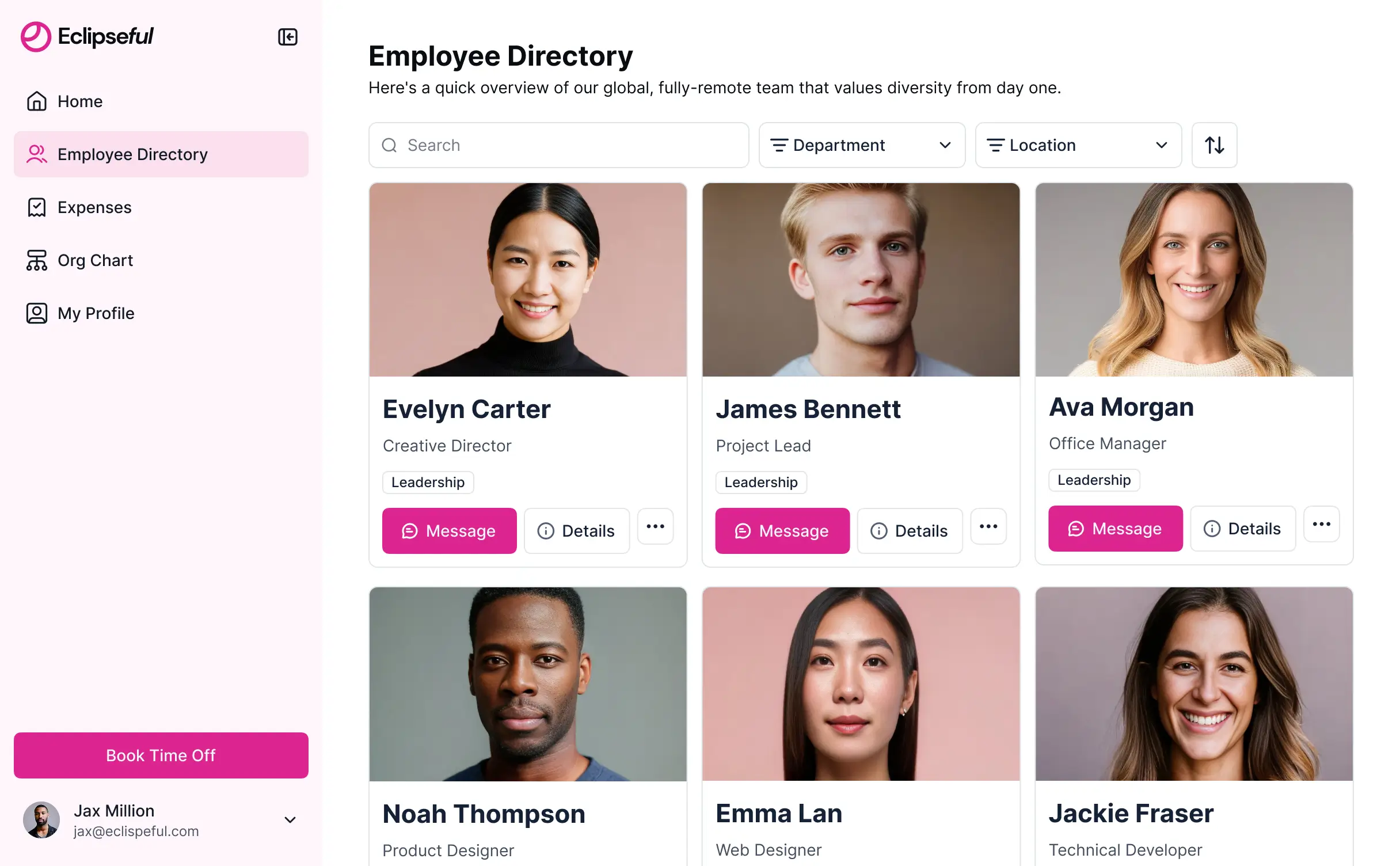
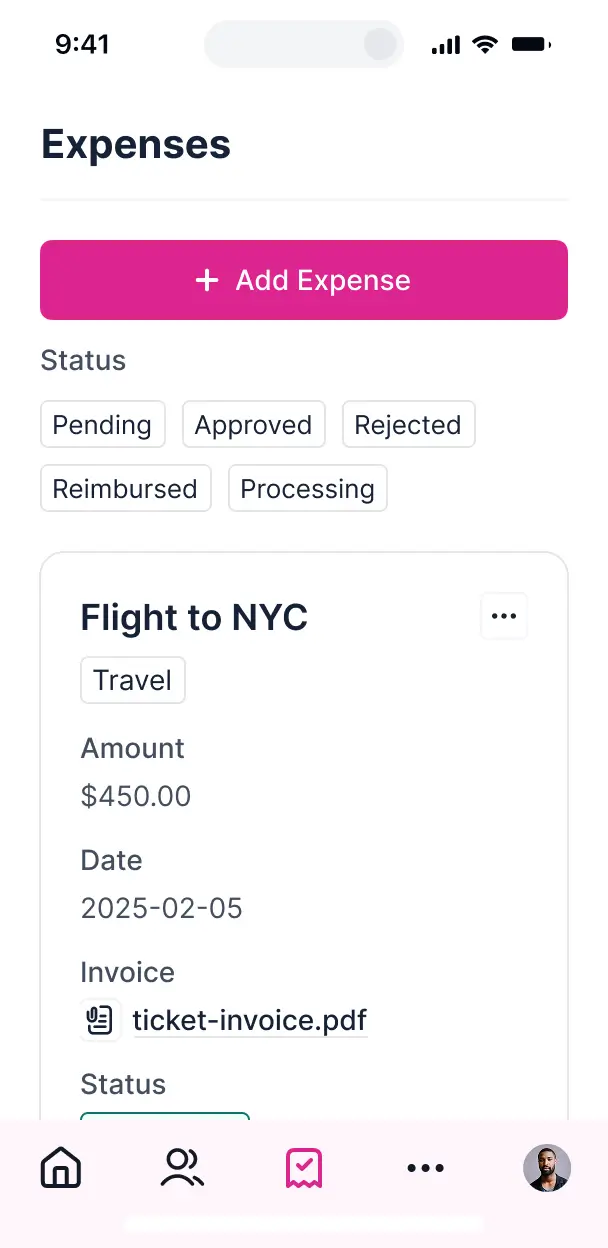



Set up the exact onboarding steps and views you need. Add only the workflows required today, then adapt the portal as hiring processes change.


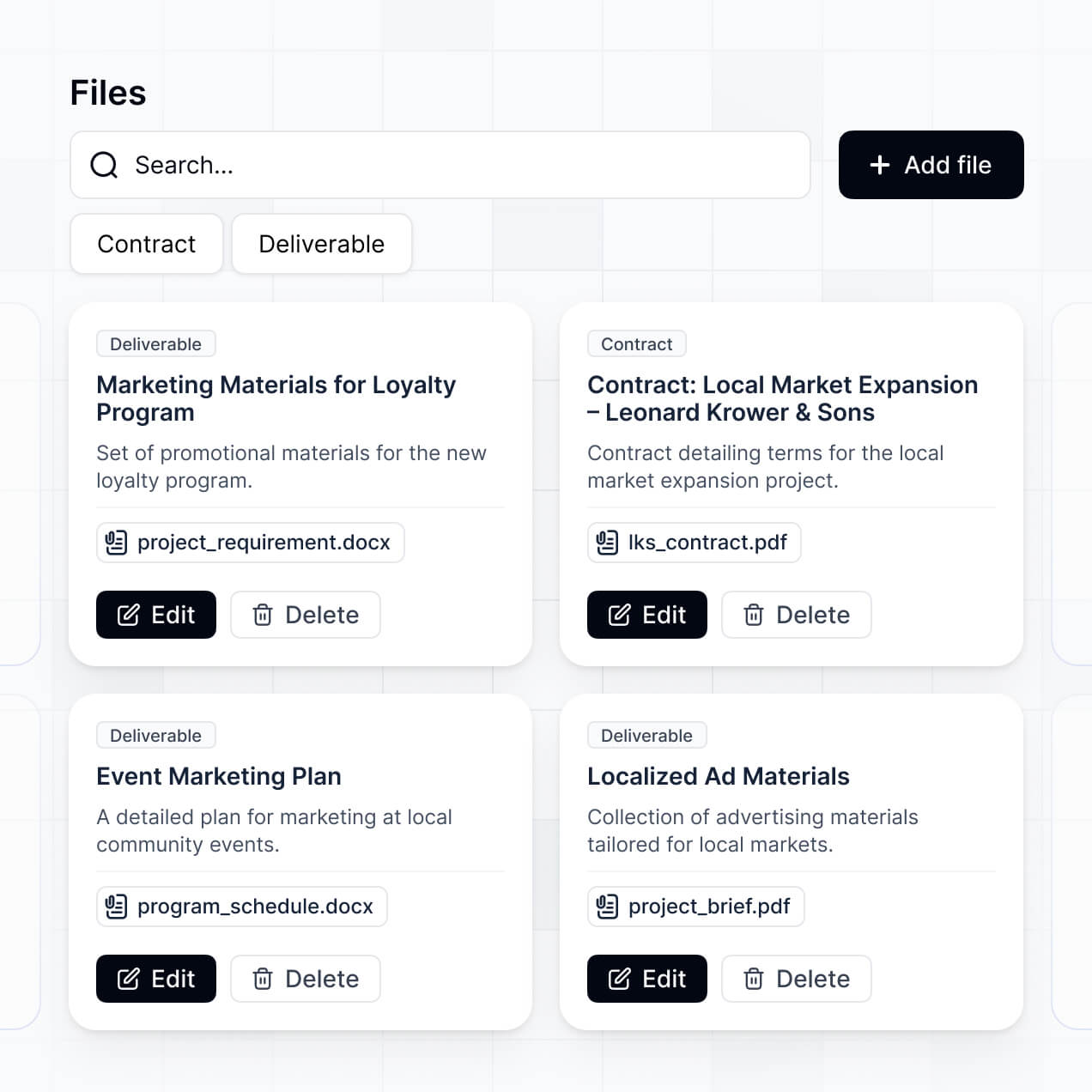
Manage onboarding records in Softr Databases, or connect Google Sheets, Airtable, and other systems with real-time sync. Keep one source of truth for every new hire.
Give each employee the right views and access in a fully branded portal. Set up secure logins, user groups, and permissions in minutes.
Let employees complete checklists, upload documents, and review tasks from any device. Turn the portal into a PWA in one click.
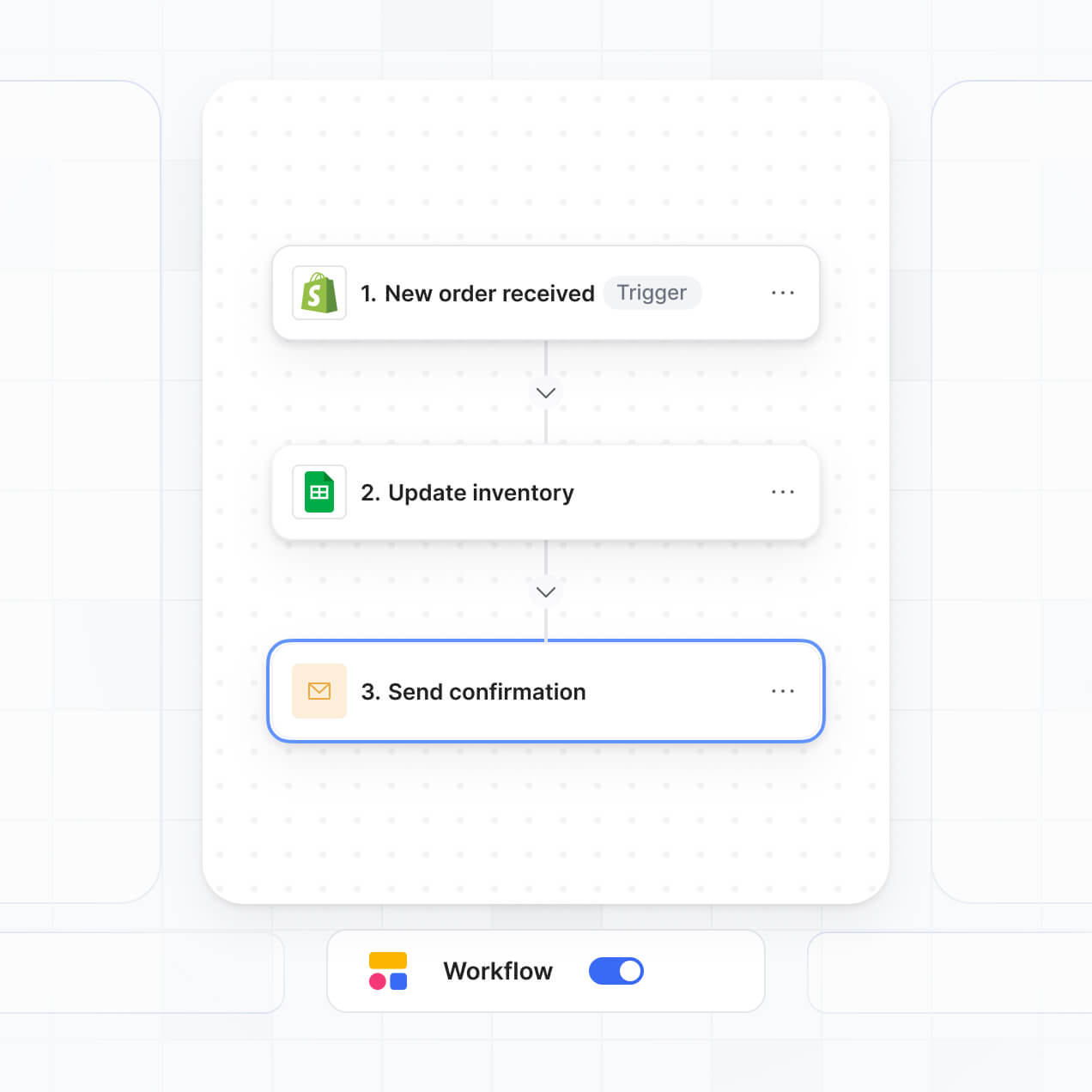
Trigger onboarding notifications, checklist updates, document reviews, and manager approvals when records change.
Give employees and managers separate dashboards, so each role sees the onboarding tasks, records, and requests relevant to them.
Control who can view employee profiles, upload documents, approve requests, or manage onboarding records down to the field level.
Protect employee profiles and documents with encrypted data, granular permissions, and SOC 2 Type II and GDPR compliance.
No more one-size-fits-all tools or costly custom builds. Softr is easy to use and fully customizable, so you can launch faster, adapt as you grow, and skip the complexity of traditional software.

Describe your onboarding portal and get profiles, checklists, documents, and approvals in minutes.

Add new onboarding steps, views, and workflows as hiring processes change, without starting over.

Keep profiles, checklists, documents, approvals, and onboarding views in one employee portal.
Co-build with AI
Simply describe what you need. Let Softr handle everything - Interface, database, workflows.
Iterate with AI or visually
Control most critical parts of your app yourself - roles, permissions, security.
Ship the same day
Invite team members or external clients and partners right away. No developer handover.
Use drag-and-drop blocks to build a portal that looks sleek and modern out of the box. Add only the features you need, and iterate as your workflows evolve.



An onboarding portal is a secure space where new hires, managers, HR, and IT log in to complete and track the onboarding process. It can bring together employee profiles, offer documents, policy files, training tasks, equipment requests, and start-date updates. Instead of scattering instructions across email threads and spreadsheets, the portal centralizes each employee’s checklist, files, and progress timeline in one place.
HR teams get a clearer way to move each new hire from signed offer to first-day readiness. Softr is an AI app builder for business software: describe your onboarding requirements in plain language, and it generates the database, pages, and logic, already connected and secure, with no code at any point. You can also start with a template or build the portal from scratch. Store employee profiles, onboarding checklists, and training records in Softr Databases, or connect tools such as Airtable, Google Sheets, or HubSpot. You still control the layout, permissions, and branding, so HR, managers, IT, and new hires each get the experience they need.
You can shape the portal around the tasks HR and new hires handle every week:
- Use Ask AI to answer questions about benefits policies or first-day instructions, while Database AI Agents classify equipment requests or flag incomplete tax forms.
- Add a Vibe Coding block for a custom onboarding progress component that shows checklist completion, upcoming training, and outstanding approvals.
- Use Softr Workflows to create an IT equipment task when a new hire submits their start-date form, or notify a manager when required documents are uploaded.
- Give HR, managers, IT, and new hires separate logins and access to the records assigned to them.
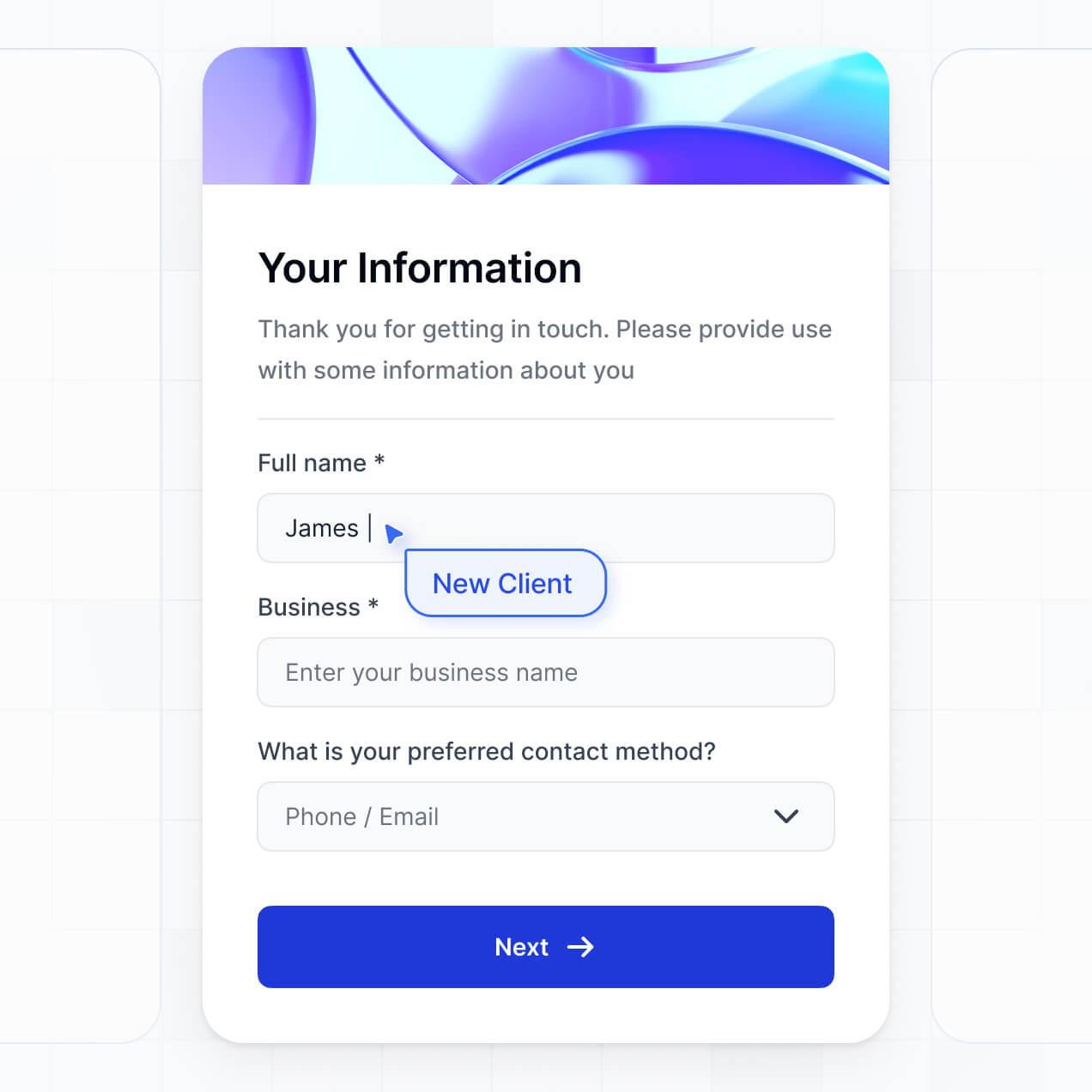
- Build forms with file uploads and conditional logic for tax forms, policy acknowledgments, and equipment details.
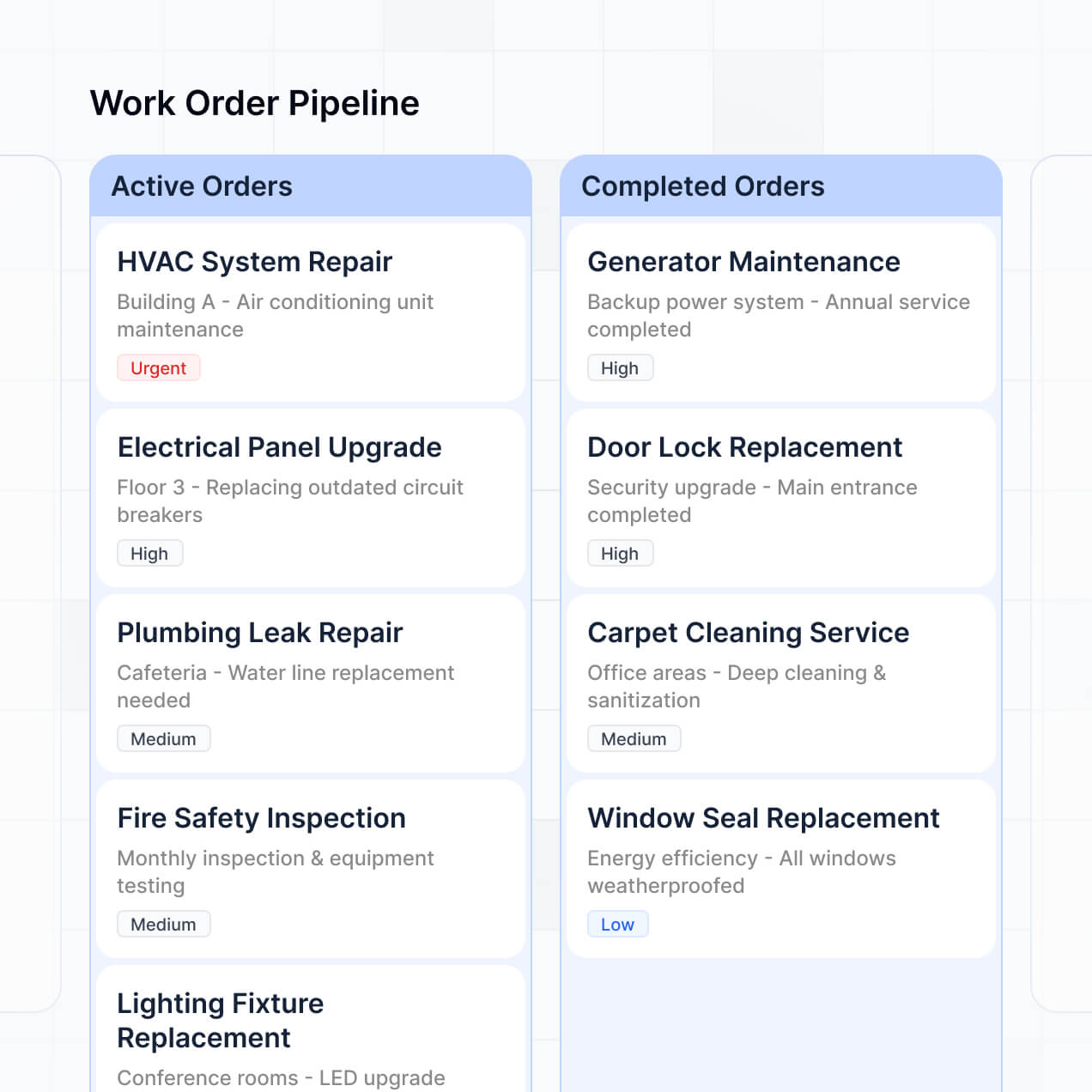
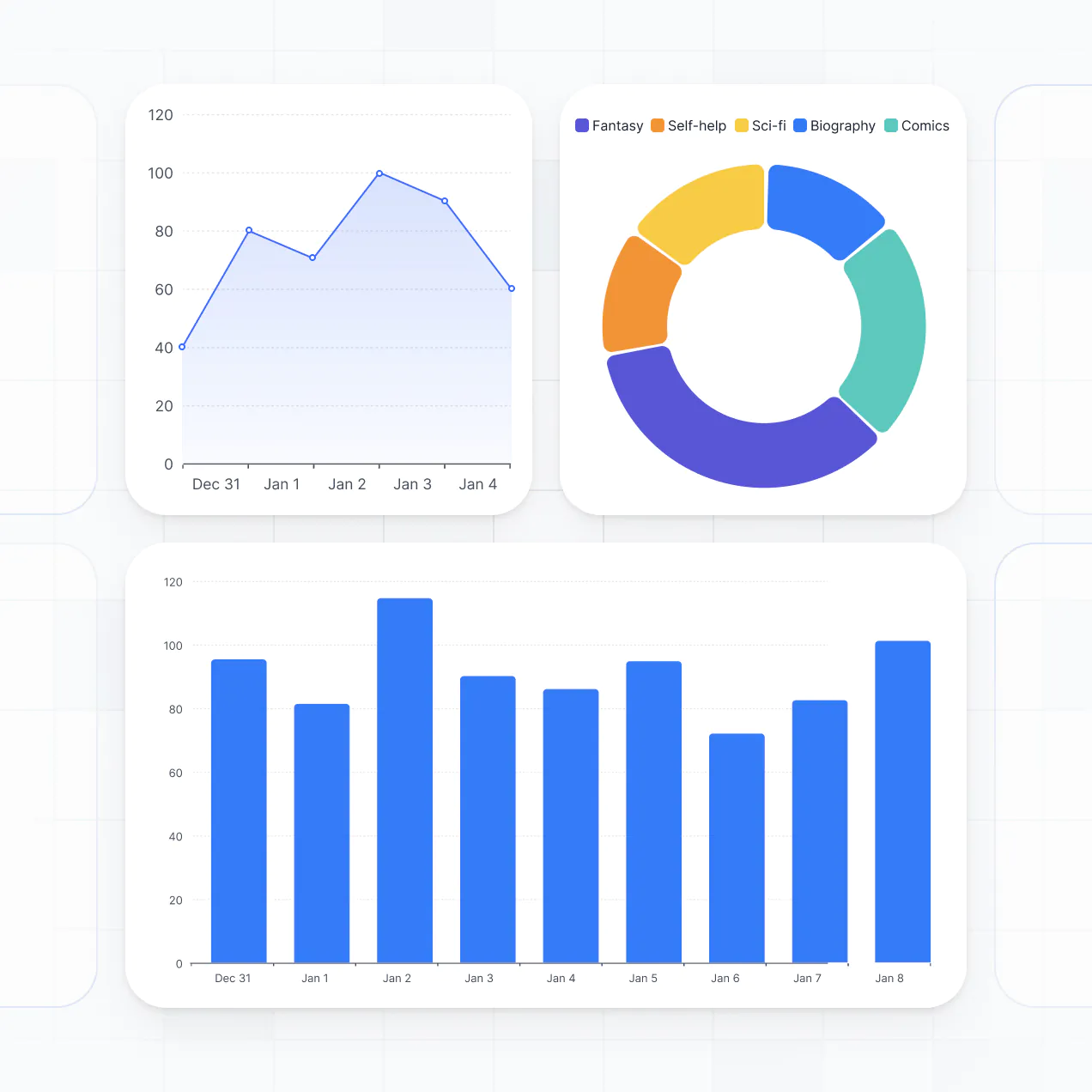
- Display start dates, training completion, and department readiness in dashboards and charts, with lists, filters, tables, kanban boards, and detail views.
Everything uses drag-and-drop blocks and remains editable later.
Describe the onboarding process in plain language, including employee checklists, manager approvals, IT equipment requests, and policy acknowledgments, and Softr’s AI can build the portal. Unlike tools that return raw, fragile code, Softr provides a production-ready app on a stable, secure foundation. Authentication, database logic, and security handle the boring 80%, so a broken generated component does not leave HR repairing access rules on Day Two. If you use a Vibe Coding block for a custom progress tracker or approval panel, every prompt and edit is versioned, letting you roll back a change instead of re-prompting from scratch.
Yes. HR can manage one onboarding portal for departments such as engineering, sales, and finance, while each manager sees the new hires and checklists assigned to their team. New hires see their own forms, training tasks, and policy files, while HR retains the broader view needed to monitor start dates and completion.
You do not need an existing database to start. Softr Databases is built into the platform, so HR can create tables for employee profiles, start dates, onboarding checklists, training records, and equipment requests without first preparing another system. If your current spreadsheet is in Airtable or Google Sheets, you can connect it instead, and HubSpot, Notion, Coda, monday.com, Supabase, SQL, and other sources are also supported. The REST API connector covers additional systems. Either approach lets you decide how employee records are structured and how each role sees them.
Softr Databases is the recommended starting point for an onboarding portal because it is a native relational source built for business apps. Your employee profiles, start dates, checklists, and training records run natively for high performance, and record changes can trigger automations instantly. Softr also connects to 21+ external data sources, including Airtable, Google Sheets, HubSpot, SmartSuite, and BigQuery. You can use several sources in one portal, such as employee data from Airtable and training records from another system. Most supported sources offer real-time two-way sync, so updates remain available where HR and managers already work.
HR can control the layout, navigation, and content for every role in the onboarding portal. For example, a new hire may view only their employee profile, tax forms, training tasks, and equipment request, while a department manager can see assigned hires and approve team checklists but not private compensation files. Pages and blocks can be shown or hidden based on the logged-in user, with precise view and edit rights. You can also filter lists by the current employee or manager. Before launch, the built-in preview lets you open the portal as any user group, so you can verify access without creating test accounts.
Yes. Apply your company logo, brand colors, fonts, and custom domain, then remove Softr branding. New hires, managers, HR staff, and IT coordinators see a portal that matches your employer brand, which helps the onboarding experience feel like part of the company’s internal operations rather than a separate tool.
You can adjust colors, fonts, spacing, page structure, navigation, and the content shown when each user logs in. Match each block to a real onboarding task:
- A Table can show HR every new hire, department, start date, and completion status.
- A List or Card layout can present a new hire’s checklist, benefits tasks, and policy acknowledgments.
- A Detail View can hold one employee’s profile, uploaded documents, and equipment request.
- Forms can collect emergency contacts, tax details, and workstation preferences, with file uploads where needed.
- Charts can show completion rates by department or training module.
- A Calendar can display start dates, orientation sessions, and manager check-ins.
The visual builder keeps every page editable later, so HR can change the layout as the process develops.
Onboarding portals often contain sensitive records such as tax forms, compensation details, employee profiles, and identity documents. Softr encrypts data in transit with TLS and at rest on secure infrastructure, while authentication, role-based permissions, visibility rules, and global restrictions control access. Users can be managed in your data source, and HR can limit private records to the appropriate people. With Softr Databases, data stays in Softr’s secure environment, hosted in Europe, Germany, and the database is SOC 2 Type II compliant. With external sources, Softr stores nothing and displays live data according to your access settings. These controls support authentication, access control, and monitoring practices for real onboarding work.
An AI-generated onboarding portal can be production-ready for real HR teams, managers, IT coordinators, and new hires handling live employee records. Softr builds on a stable, business-grade foundation rather than leaving you with fragile custom code that becomes difficult to secure or maintain. Authentication, secure hosting, and granular permissions are handled natively, addressing the Day Two problems that can affect a portal after launch. That means employees can complete forms, managers can approve checklists, and HR can track training and equipment readiness from day one.
Pure vibe coding tools generate fragile code that can leave HR teams maintaining authentication, employee permissions, and database logic themselves. Traditional no-code tools avoid that code but often require extensive manual configuration. Softr combines both approaches: describe the onboarding process, employee checklist, manager approval flow, and IT equipment workflow, then refine the generated database, pages, and logic visually. Authentication, roles, permissions, and hosting are already part of the business-grade foundation, so non-technical teams can move from an initial portal to production without rebuilding the basics. Softr apps are also agent-ready through MCP. A logged-in HR user can operate the portal through an AI assistant exactly as the interface allows, with the same user groups and record restrictions, so there is no second permission model to build or audit.
Softr Workflows can automate the first-day tasks that otherwise require HR follow-up. For example, when a new hire submits an equipment request or completes a policy acknowledgment, a workflow can update the onboarding record and trigger the next step for IT or the manager. Softr can also sync with tools such as Stripe and Intercom, while REST API connections and webhooks support advanced cases. Use them to send employee data out, start automations after a form submission or button click, or display training and equipment records from another system. These workflows do not require code.
Describe your onboarding flow and get a working portal in minutes, with permissions and data connected from the start.