Describe intake, assignment, and job updates to get a work order system with permissions, reporting, and automations for field teams.
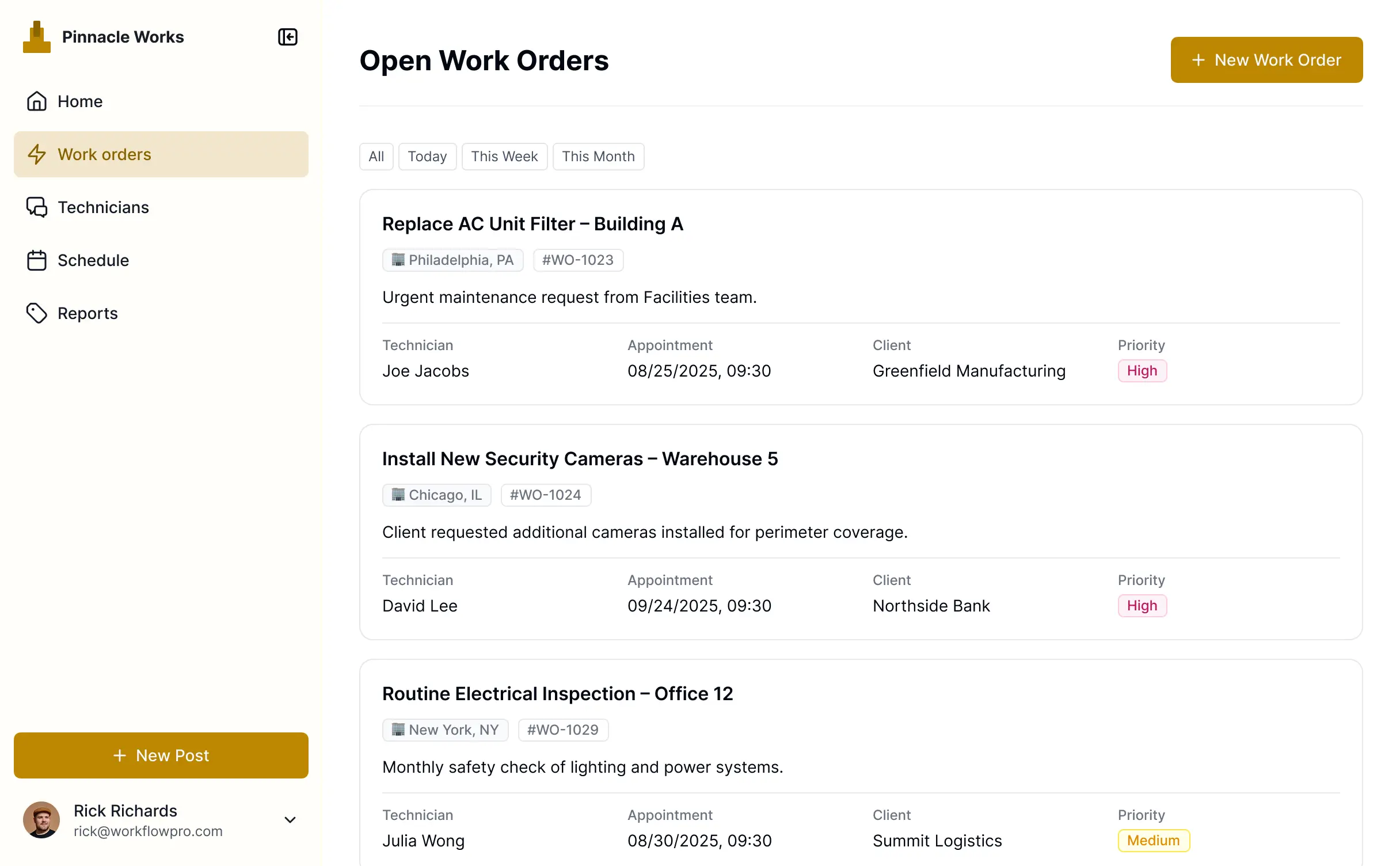
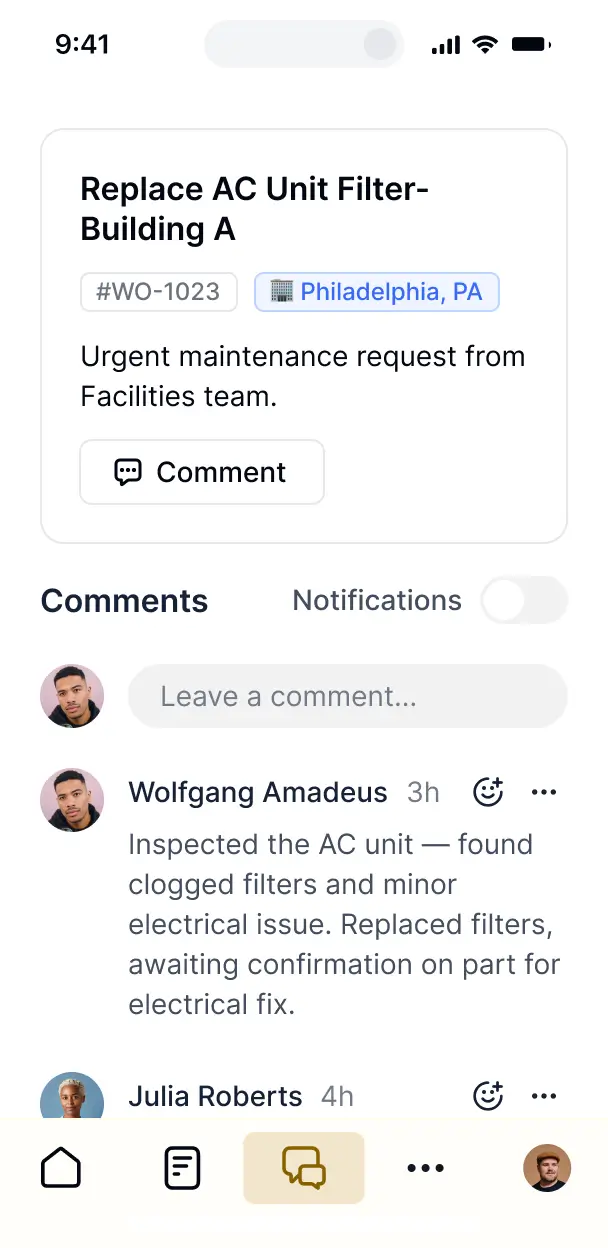



Set up views and workflows your work orders require. Customize the system now, then adapt it as assignments, statuses, and job updates change.


Manage work order data in Softr Databases, or connect Google Sheets, Airtable, and other systems with real-time sync. Create a single source of truth for operations.
Let technicians and managers log in to a branded work order system. Set up permissions and personalized access in minutes, no code needed.
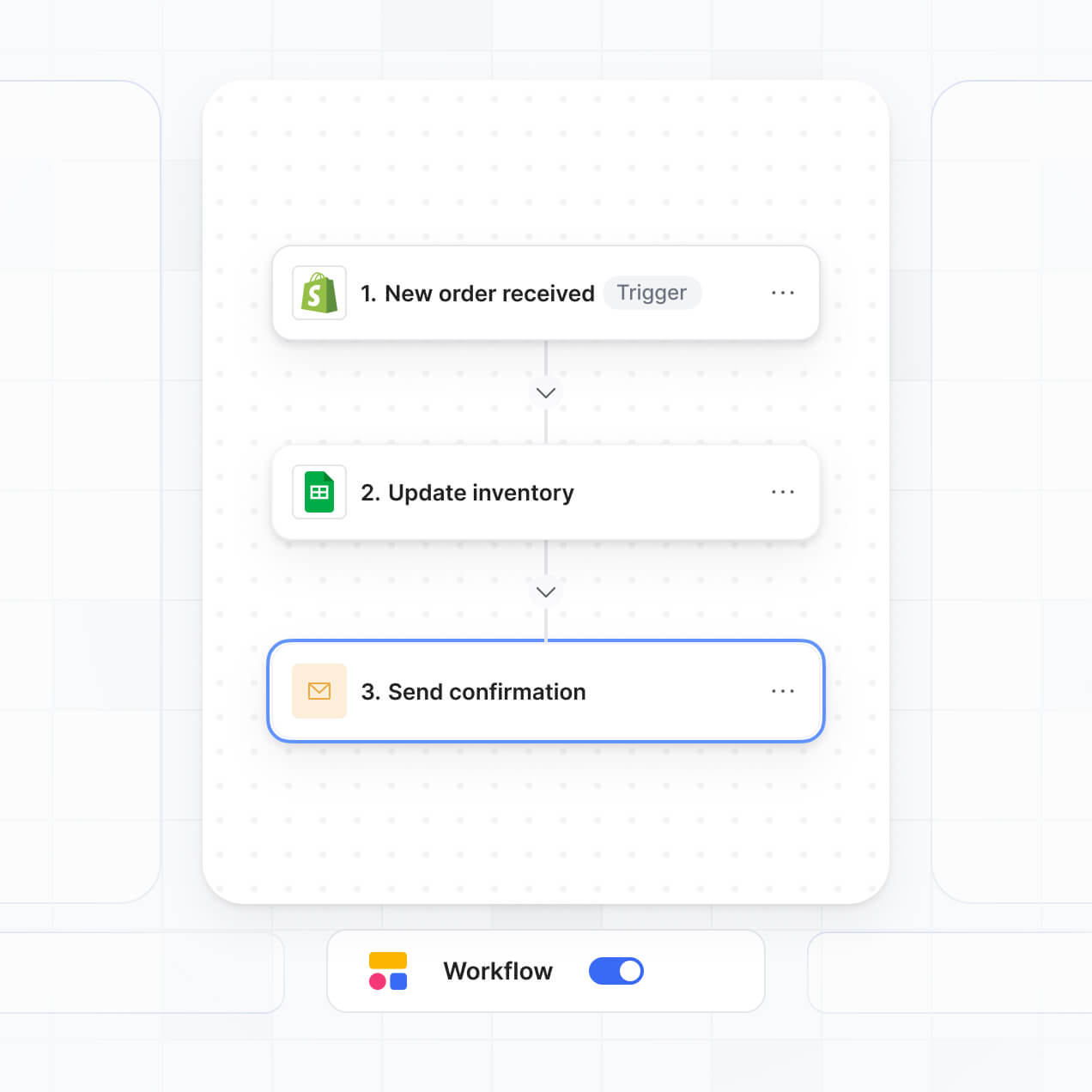
Use Softr Workflows to trigger technician notifications, assignment updates, and status changes when work order records change.
Give technicians, dispatchers, and managers access to the work orders and dashboards each role needs.
Control who can view, assign, update, or close work orders, with permissions down to the field level.
Protect work order data with encryption in transit and at rest, plus granular access controls for every user group.
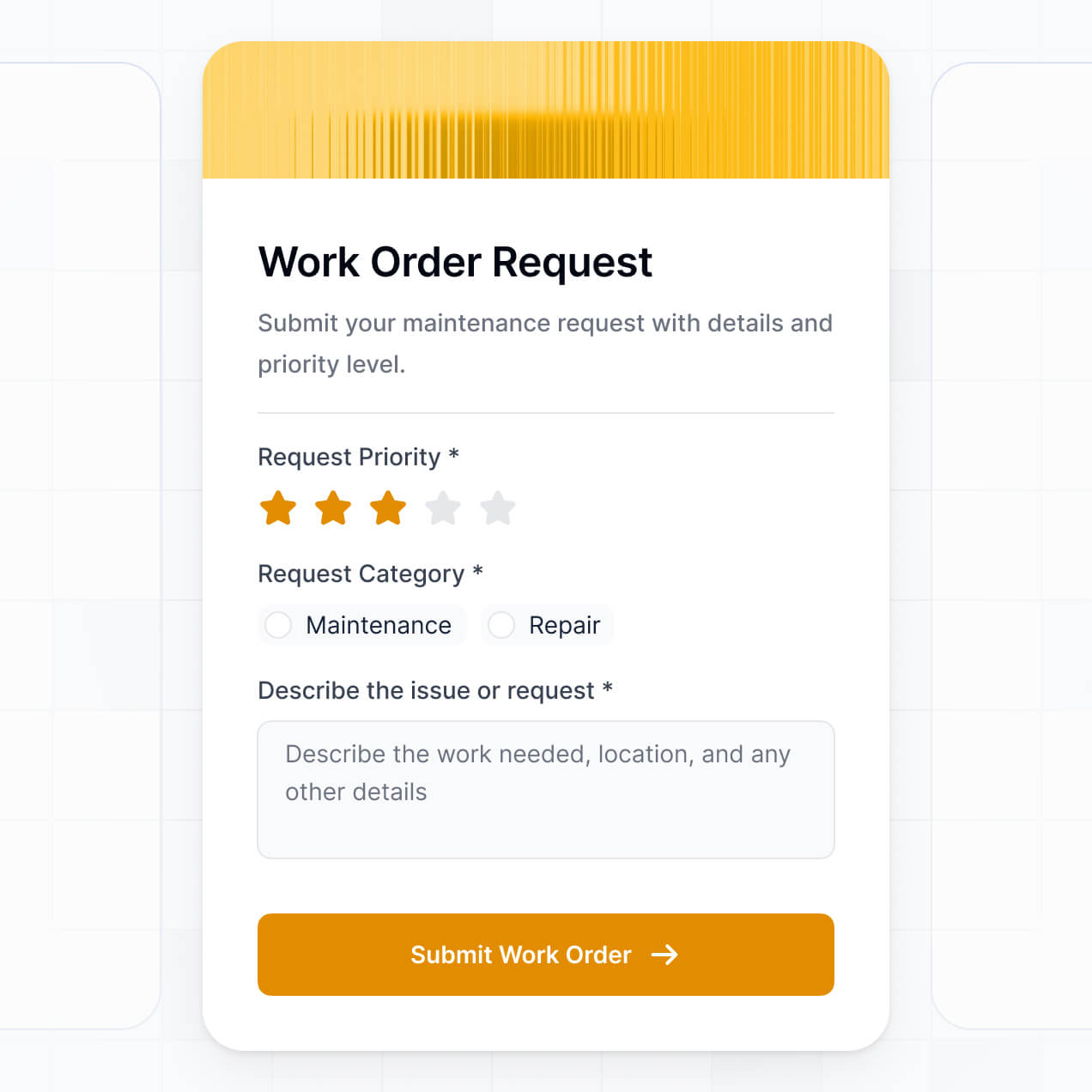
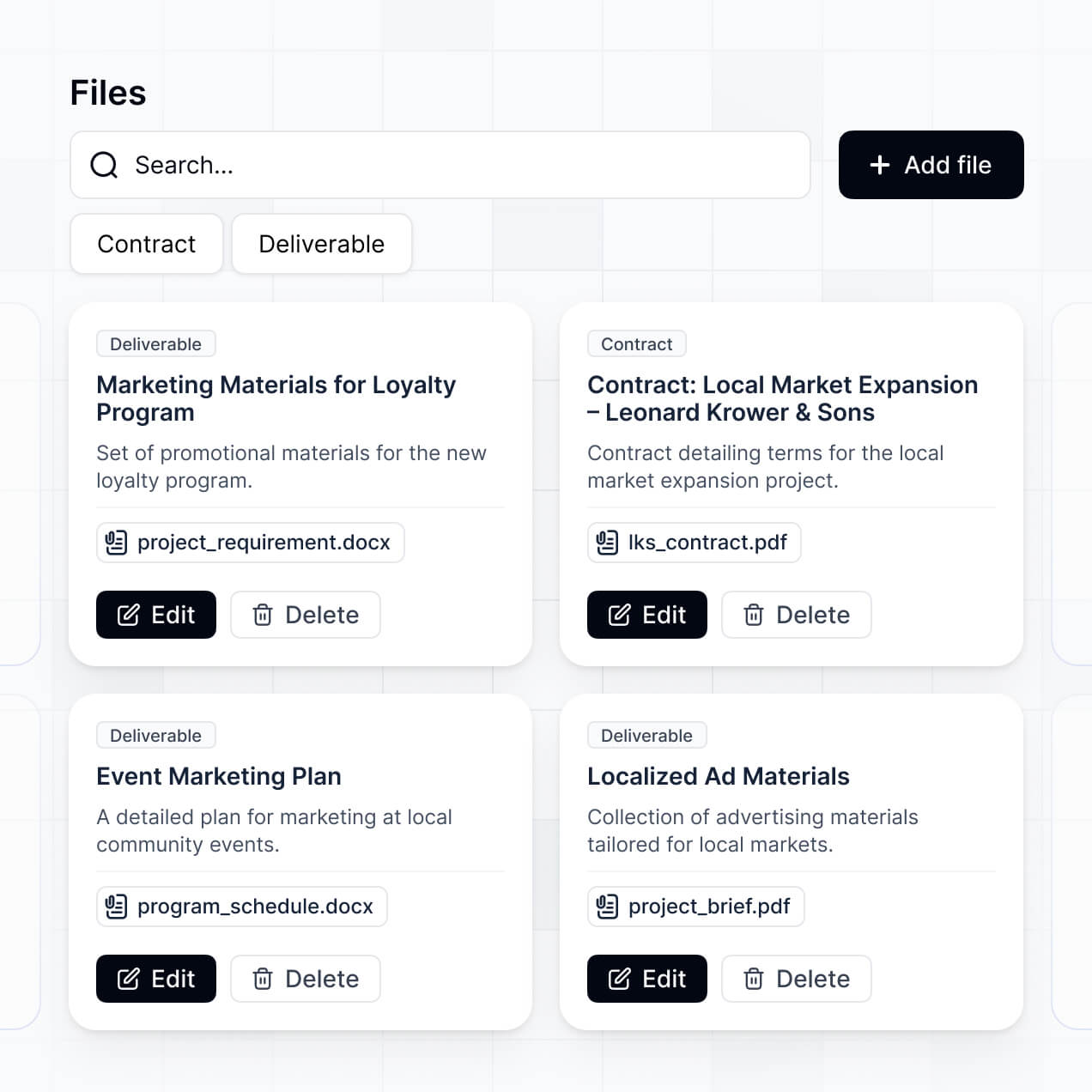
Capture service requests, job details, technician notes, and completion updates with forms tailored to each work order.
No more one-size-fits-all tools or costly custom builds. Softr is easy to use and fully customizable, so you can launch faster, adapt as you grow, and skip the complexity of traditional software.

Describe intake, technician assignment, and status tracking to generate a working system in minutes.

Add workflows for priority triage, job updates, and reporting as your work order process evolves.

Bring requests, assignments, updates, and reports into one work order system.
Co-build with AI
Simply describe what you need. Let Softr handle everything - Interface, database, workflows.
Iterate with AI or visually
Control most critical parts of your app yourself - roles, permissions, security.
Ship the same day
Invite team members or external clients and partners right away. No developer handover.
Use drag-and-drop blocks to build a portal that looks sleek and modern out of the box. Add only the features you need, and iterate as your workflows evolve.




A work order management system gives maintenance teams a secure place to log in, assign jobs, and track work from request to completion. It brings together work orders, asset details, technician assignments, priority updates, inspection files, and completion timelines. Instead of searching through email threads and disconnected spreadsheets, supervisors can see which repairs are open, technicians can update job status, and facilities teams can keep a reliable record of maintenance activity in one system.
Maintenance teams get a single view of open repairs, technician workloads, asset histories, and completion dates without waiting for a custom software project. Softr is an AI app builder for business software. Describe the work order process in plain language, and it generates the database, pages, and logic, already connected and secure, with no code required. You can also start from a template or build from scratch, then move between AI generation and visual editing at any time. Use Softr Databases or connect sources such as Airtable, Google Sheets, or HubSpot, depending on where your asset and job records live. You retain control over layouts, permissions, and branding, so dispatchers, technicians, and managers each get the right operational view.
A work order management system can include features such as:
- **AI inside the app:** Ask AI can answer questions about overdue repairs or recurring equipment failures, while Database AI Agents can classify incoming maintenance requests by priority or trade.
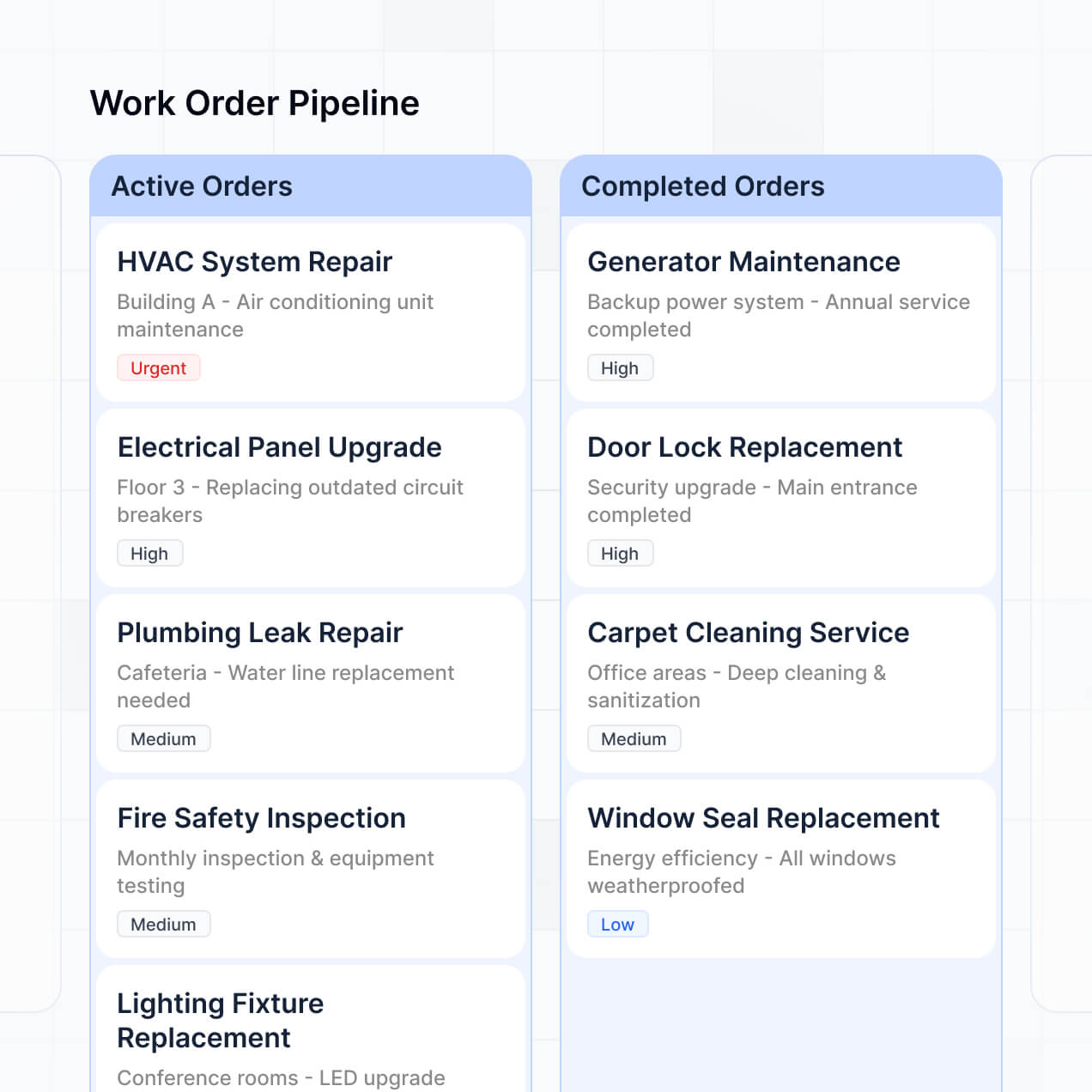
- **Custom UI:** A Vibe Coding block can create a technician dispatch board showing job locations, due dates, and status without forcing the workflow into a standard layout.
- **Automation:** Softr Workflows can assign a new plumbing work order to the facilities team when a request is submitted, or notify a supervisor when a high-priority repair changes status.
- **Access control:** Technicians see their assigned jobs, while managers can view all sites and maintenance records.
- **Forms:** Request forms can include photo uploads and conditional fields for safety issues or equipment type.
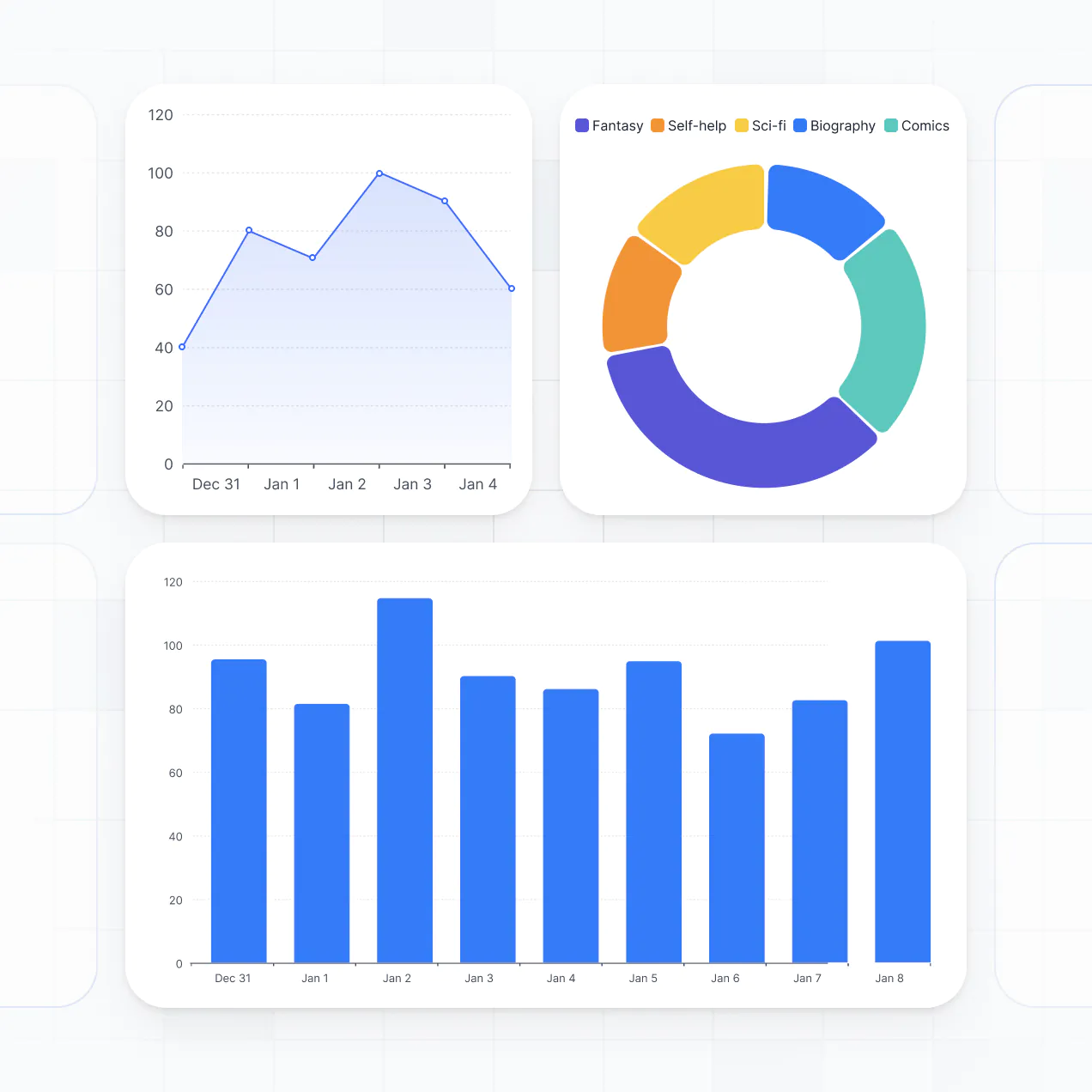
- **Reporting:** Dashboards and charts can show completion times, backlog, and maintenance costs on live data.
Tables, lists, kanban boards, detail views, and filters are all drag-and-drop and remain editable later.
Describe the maintenance workflow in plain language, including how staff submit repair requests, how dispatchers assign technicians, and how supervisors approve completed work. Softr turns those requirements into a production-ready app on a stable, secure foundation. Unlike tools that generate raw, fragile code, Softr handles the boring 80% natively, including authentication, database logic, and security. That means a technician can update a work order without creating a Day Two problem where permissions fail, job histories become inconsistent, or new request types require code maintenance. If you use a Vibe Coding block for a dispatch board or asset status component, every prompt and edit is versioned, so a change that causes trouble can be rolled back.
Yes. One app can separate facilities, electrical, plumbing, and HVAC teams while keeping shared asset and work order records in one place. Each user sees the jobs and records assigned to them based on login and role. Technicians can update their own work orders, dispatchers can manage assignments across departments, and maintenance managers can review the full backlog.
You can start without an existing database. Softr Databases is built into the platform, so you can create tables for assets, work orders, technicians, locations, and inspection records before importing anything. If your maintenance data currently sits in a spreadsheet, you can also connect Google Sheets or Airtable and structure how those job and equipment records appear in the app. Other options include Notion, Coda, HubSpot, monday.com, Supabase, SQL databases, and the REST API connector, with some sources available on higher plans. Either way, you decide how work orders are organized and displayed.
Softr Databases is the recommended starting point for a work order management system. It is a native relational database built for business apps, so asset records, technician assignments, service requests, and work order updates run with high performance and can trigger automations instantly. Softr also connects to 21+ external data sources, including Airtable, Google Sheets, HubSpot, SmartSuite, and BigQuery, with availability depending on the plan. One app can draw on several sources at once, such as combining equipment records from Airtable with service requests from Google Sheets. Most supported sources provide real-time two-way sync, so updates to job status can stay aligned across systems.
Dispatchers, technicians, and maintenance managers can receive different views of the same work order system. For example, a technician may see and edit assigned repair details, upload completion photos, and update job status, but not change technician schedules or view every department's labor costs. A dispatcher can assign work orders and edit due dates, while a manager can review asset histories, backlog reports, and all site records. Softr lets you control navigation, pages, blocks, and content by logged-in user, with precise view and edit rights. You can also filter records by the current technician or team. Built-in preview lets you open the app as each user group before launch, without creating test accounts.
Yes. Facilities teams can present the work order system as their own operational tool to technicians, contractors, and site managers. Add your logo, brand colors, fonts, and custom domain, then remove Softr branding. This keeps maintenance requests, asset records, and completion reports aligned with your organization’s identity.
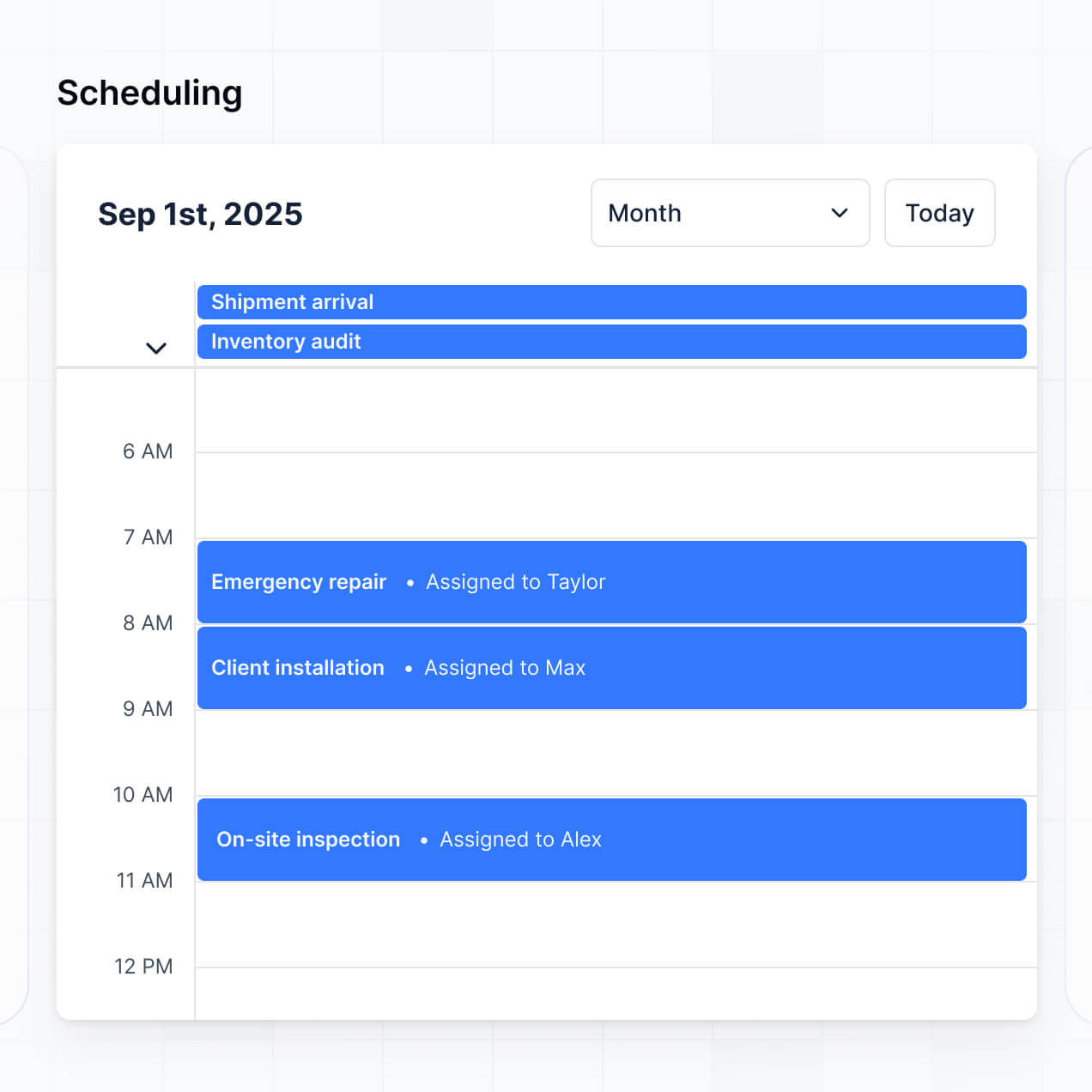
You can tailor the interface to the way maintenance work actually happens. Use a **Table** for dispatchers reviewing work order numbers, priorities, technicians, and due dates. A **List** or **Card** layout can give technicians a quick view of assigned repairs, while a **Detail View** can show an asset’s service history, location, notes, and uploaded photos. **Forms** can capture new maintenance requests and reveal extra fields when someone selects an emergency repair. **Charts** can display backlog by department or average completion time, and a **Calendar** can organize scheduled inspections and planned maintenance. Colors, fonts, spacing, page structure, and login views are adjustable, and everything remains editable later in the visual builder.
Maintenance records can include sensitive details such as facility access notes, equipment failures, inspection files, and contractor information, so access needs to match each role. Softr encrypts data in transit with TLS and at rest on secure infrastructure. You can apply role-based permissions, visibility rules, global restrictions, and controls based on users managed in your data source. With Softr Databases, asset histories and work orders remain in Softr’s secure environment, hosted in Europe, Germany, and the database is SOC 2 Type II compliant. When you connect an external source, Softr stores nothing and displays live data according to your access settings. Authentication, access control, and monitoring follow industry best practices, helping ensure that technicians, dispatchers, and managers see only the records they should.
It is production-ready for real maintenance teams managing live work orders, asset records, technician assignments, and repair deadlines. Many AI tools vibe code fragile custom software that becomes difficult to maintain or secure after launch. Softr builds on a stable business-grade foundation, with authentication, secure hosting, and granular permissions handled natively. That addresses the Day Two problem: supervisors can add real users, technicians can update active jobs, and managers can rely on completion records without maintaining generated code. You can begin with an AI-generated workflow, then refine pages and logic visually as your facilities process changes.
Pure vibe coding tools generate custom code that can be fragile when a maintenance workflow changes. Traditional no-code tools usually require manual configuration before dispatchers can manage assignments, technicians can update repairs, and managers can review asset histories. Softr takes a hybrid approach: describe the work order process and it generates the database, app, and logic in minutes, then refine the result with visual controls. Authentication, roles, permissions, and hosting are already part of the business-grade foundation, so non-technical teams can move from an initial backlog tracker to a production app without rebuilding the basics. Softr apps are also agent-ready through MCP. A logged-in user can operate the app through an AI assistant and do exactly what the interface allows, with the same work order restrictions and permissions applied, so there is no second permission model to audit.
A common first automation is routing a newly submitted emergency repair request to the right dispatcher and notifying the assigned technician when the work order is created. Softr Workflows can run actions when a record changes or a button is clicked, so teams can update job status, trigger follow-up tasks, and move completed inspections through an approval process. Softr also syncs with tools such as Stripe and Intercom. REST API connections and webhooks cover advanced cases, including sending completion data to another system, receiving equipment alerts, or displaying contractor records from an external source. These workflows and integrations can be configured without code.
Describe the jobs you need to manage. Get a working app in minutes, then refine it visually.