Describe your courses and learner flows, get a working LMS with secure access, permissions, and data handled for education and training.
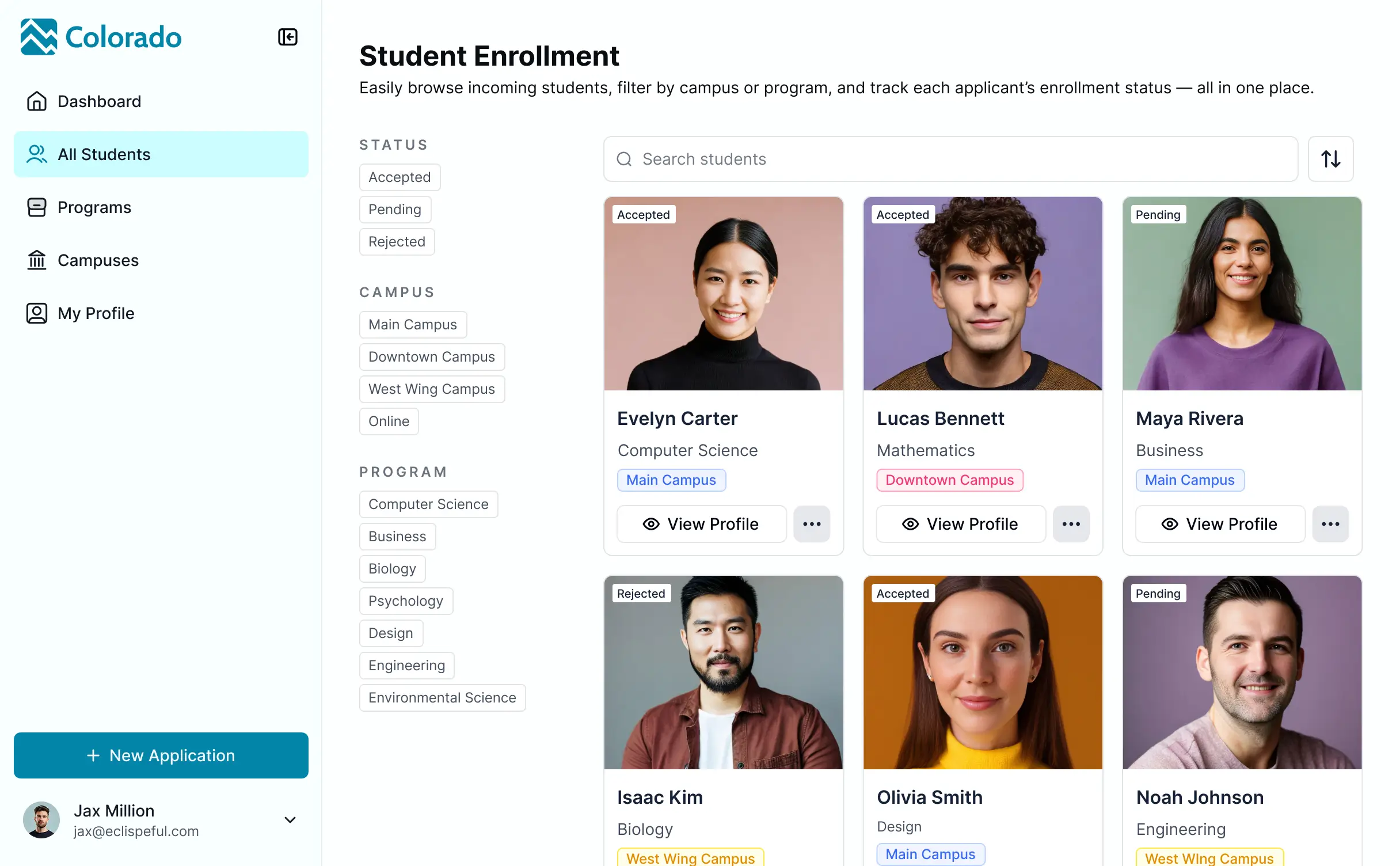

Choose the views and workflows your LMS needs, then adapt course progress and grading as training programs evolve, no code needed.


Manage courses, learners, and progress in Softr Databases, or connect Airtable, Notion, Google Sheets, or REST API with real-time sync for one source of truth.
Give learners and instructors the right views and access in a branded LMS. Set up secure logins, user groups, and permissions in minutes.
Learners can access courses, lessons, and quizzes on any device. Install the LMS as a PWA in one click.
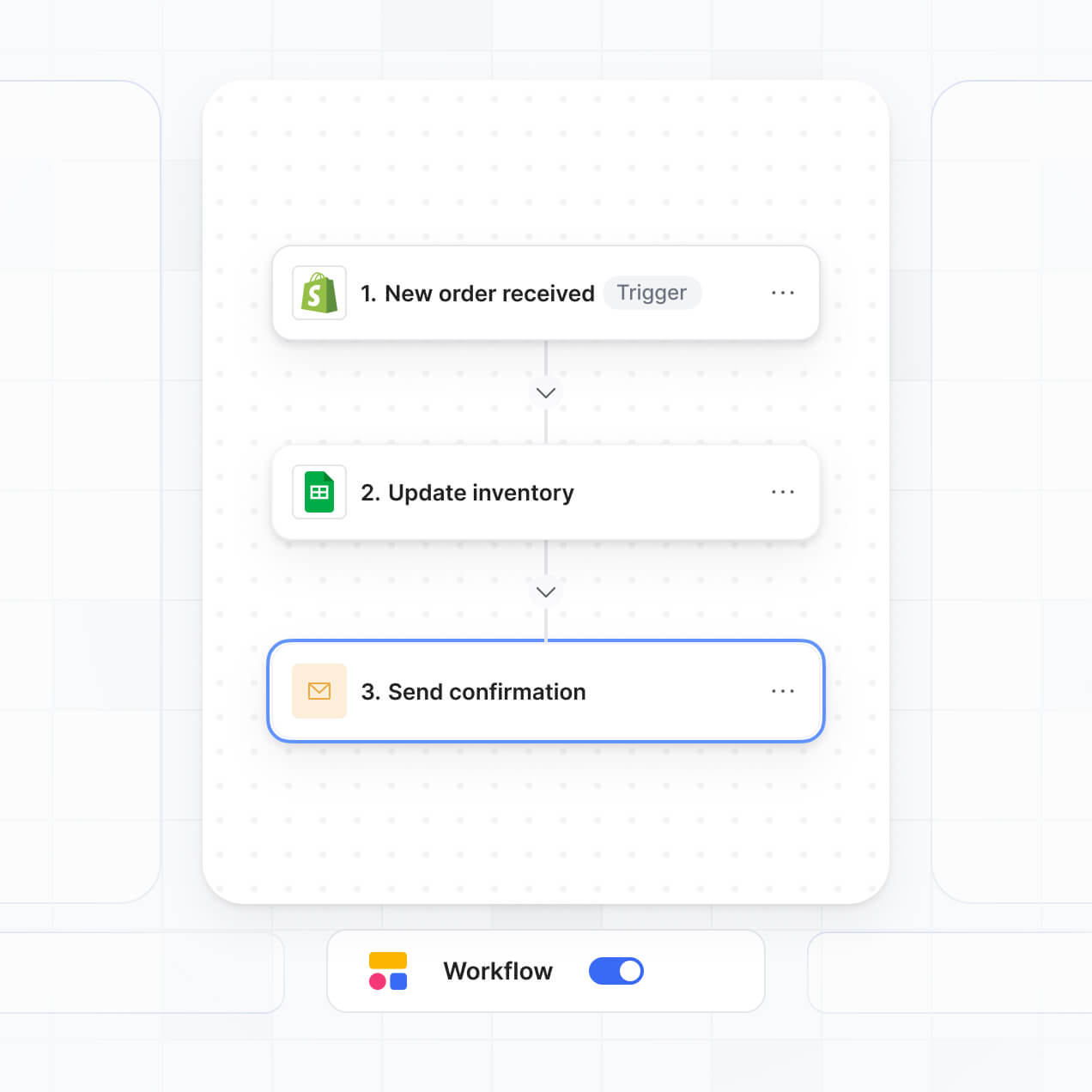
Trigger enrollment updates, grading notices, and completion reports with Softr Workflows when LMS records change.
Give learners, instructors, and administrators separate dashboards, course access, and views tailored to their roles.
Control who can view courses, grade quizzes, edit learner records, or access completion reports down to the field and action level.
Protect learner records with encrypted data, granular permissions, and SOC 2 Type II compliant Softr Databases.
No more one-size-fits-all tools or costly custom builds. Softr is easy to use and fully customizable, so you can launch faster, adapt as you grow, and skip the complexity of traditional software.

Describe your courses and learner flows, then get a working LMS in minutes with no complex configuration.

Add course views, grading workflows, and completion reports as your training programs evolve.

Keep course catalogs, learner records, quizzes, and reports in one place instead of separate tools.
Co-build with AI
Simply describe what you need. Let Softr handle everything - Interface, database, workflows.
Iterate with AI or visually
Control most critical parts of your app yourself - roles, permissions, security.
Ship the same day
Invite team members or external clients and partners right away. No developer handover.
Use drag-and-drop blocks to build a portal that looks sleek and modern out of the box. Add only the features you need, and iterate as your workflows evolve.




An LMS is a secure learning space where learners, instructors, and administrators log in to access the training they need. It can centralize course modules, lesson files, enrollment records, assignment updates, assessment results, and learner progress timelines. Instead of managing completion details across email threads and spreadsheets, an LMS keeps course delivery and learner records together in one place.
For training teams, the main benefit is keeping course delivery, learner progress, and instructor work in one controlled app. Softr is an AI app builder for business software. Describe the LMS you need, and AI generates the database, pages, and logic, already connected and secure, with no code at any point. You can also start from a template or build from scratch, then refine everything visually.
Use Softr Databases or connect external tools such as Airtable, Google Sheets, or HubSpot. You decide how course catalogs, learner profiles, and completion records are structured and displayed. Layout, access rules, and branding remain under your control as the LMS evolves.
An LMS can bring together the tools instructors and learners use every day:
- **AI inside the app:** Ask AI can answer questions about course modules and completion records, while Database AI Agents can classify learner feedback or flag overdue assessments.
- **Custom components:** A Vibe Coding block can create a progress ring or personalized course roadmap when standard blocks do not fit.
- **Automations:** Softr Workflows can enroll a learner when an administrator clicks a button or notify an instructor when an assessment is submitted.
- **Access controls:** Learners, instructors, and administrators can see different records based on login and role.
- **Forms:** Collect assignment submissions, course feedback, and file uploads with conditional logic.
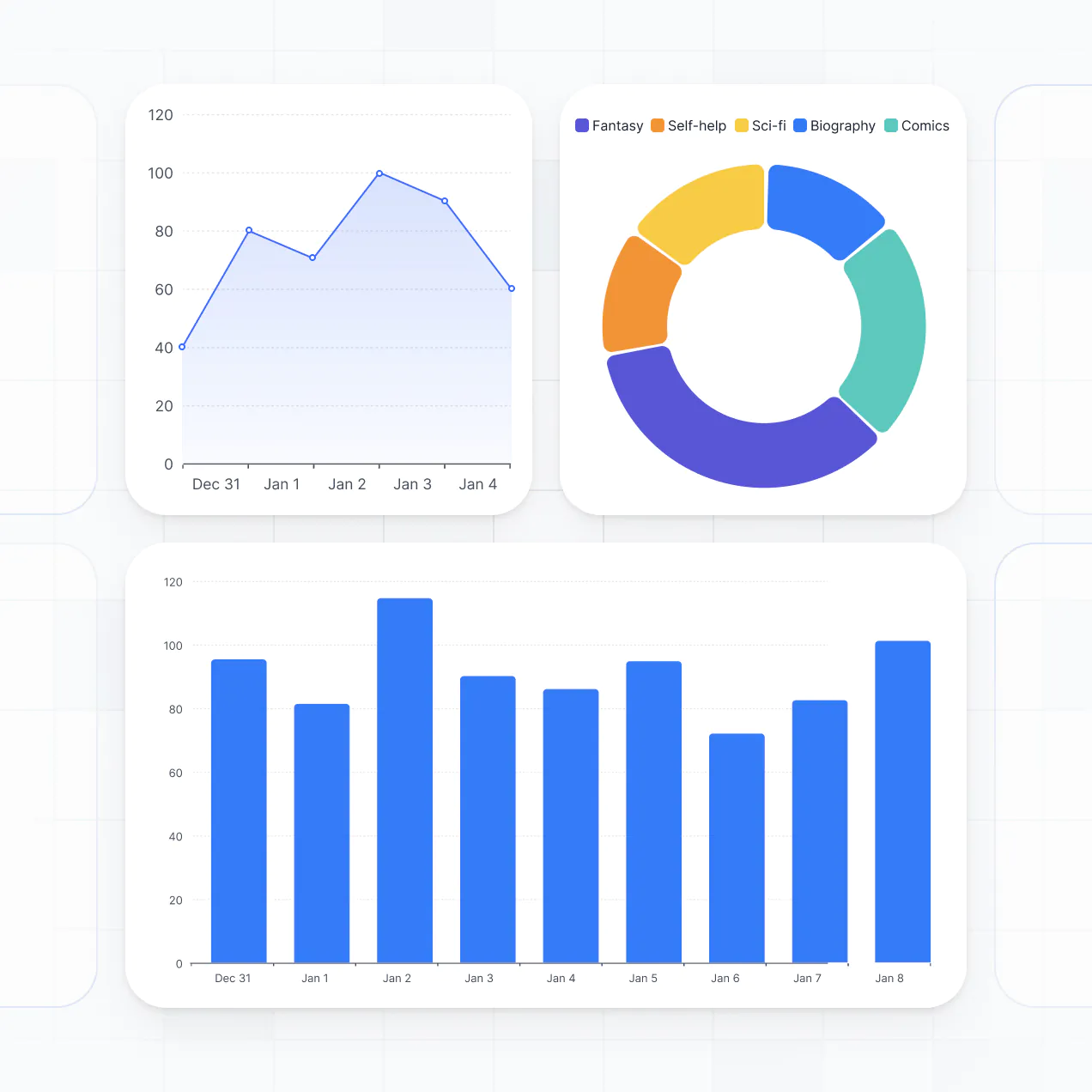
- **Views:** Display completion trends in charts, course catalogs in lists, cohorts in tables, and lesson status in kanban boards or detail views.
All blocks are drag-and-drop and can be edited later.
Describe the training operation in plain language, including learner enrollment, course modules, instructor reviews, and assessment status. Softr turns that request into an LMS on a production-ready foundation. Unlike tools that output raw, fragile code, Softr handles the boring 80% natively, including authentication, database logic, and security.
That matters on Day Two, when a broken enrollment rule could hide a lesson or misreport a learner's completion. If you use a Vibe Coding block for a custom progress view, every prompt and edit is versioned. You can roll back a change that causes trouble instead of repeatedly prompting and hoping the result is fixed.
Yes. A single LMS can separate learners, instructors, and training administrators while keeping shared course records in one app. Each person sees only the courses, cohorts, assignments, and completion records assigned to them, based on login and role. That works well when several departments or learning groups use the same training system.
You do not need an existing course spreadsheet to start. Softr Databases is built into the platform, so you can create tables for learners, courses, lessons, enrollments, and assessment results from the beginning. If your training records already sit in a spreadsheet, you can connect Google Sheets, or use Airtable, HubSpot, Notion, Coda, monday.com, Supabase, or SQL. The REST API connector covers other sources. Either way, you control how course records are structured and how each learner sees them.
Softr Databases is the recommended starting point for an LMS because it is a native relational source built for business apps. Native data provides high performance, instant automation triggers, and fast access to learner enrollments, course modules, and assessment results.
Softr also connects to 21+ external data sources, including Airtable, Google Sheets, HubSpot, SmartSuite, and BigQuery. You can use several sources in one LMS, such as course content from Airtable and learner records from Google Sheets. Most supported sources offer real-time two-way sync, so instructors and administrators can work with current records.
Training administrators can control the LMS layout, navigation, and content shown to each person. For example, learners may view their assigned courses, lesson files, and own assessment results, while instructors can review submissions and progress for their cohorts without accessing administrator settings. Precise view and edit rights can be defined by role, and pages can be filtered by the logged-in user.
The built-in preview lets you open the LMS as a learner, instructor, or administrator before publishing. You can confirm which course records and learner details each role sees, without creating test accounts or setting up another environment.
Yes. A training provider can apply its own logo, brand colors, fonts, and custom domain to the LMS, then remove Softr branding. Learners and instructors see a consistent training environment that matches the organization delivering the courses, whether they are completing compliance modules or reviewing assignment results.
Course administrators can adjust colors, fonts, spacing, page structure, navigation, and the content shown at login. The blocks can match specific learning tasks:
- **Table:** Review enrollment records, assessment scores, or overdue lessons.
- **List or Card:** Browse the course catalog, learning paths, or assigned modules.
- **Detail View:** Open a lesson with its files, instructions, and completion status.
- **Forms:** Submit assignments, register for a cohort, or collect course feedback.
- **Charts:** Track completion rates, assessment results, and progress by department.
- **Calendar:** Show instructor sessions, cohort dates, and scheduled training.
Everything remains editable in the visual builder, so the LMS can change as courses, cohorts, and review processes change.
An LMS may contain sensitive learner profiles, assessment results, training completion records, and compliance evidence, so access controls need to match the consequences of exposing them. Softr encrypts data in transit with TLS and at rest on secure infrastructure. Role-based permissions, visibility rules, global restrictions, and users managed in your data source help limit access to the right learners, instructors, and administrators.
With Softr Databases, records sit in Softr's secure environment, hosted in Europe, Germany, and the database is SOC 2 Type II compliant. When you use an external source, Softr stores nothing and displays live data according to your access settings. Authentication, access control, and monitoring follow industry best practices.
A Softr LMS is production-ready for real learners, instructors, and administrators using real course records, enrollment data, and assessment results. Many AI tools generate fragile custom code that becomes difficult to maintain or secure. Softr builds on a stable business-grade foundation instead, with authentication, secure hosting, and granular permissions handled natively.
That foundation addresses the Day Two problem: an enrollment rule or learner progress view can be refined without rebuilding the whole application. The result is an LMS designed for day-one use by real training teams, not only a prototype for demonstrating a course catalog.
Pure vibe coding tools generate custom code that can become fragile, while traditional no-code tools often require extensive manual configuration. Softr takes a hybrid approach for training teams: describe the LMS in plain language, generate the database, pages, and logic, then refine course catalogs, learner dashboards, and instructor views with visual controls. Authentication, roles, permissions, and hosting are already part of the business-grade foundation.
Softr apps are also agent-ready. A logged-in learner or instructor can operate the LMS through an AI assistant over MCP and do exactly what the interface allows, no more. The same user groups and data restrictions apply to the agent, so there is no second permission model to build or audit.
A useful first automation is enrolling a learner when an administrator submits an enrollment form, then notifying the instructor when the learner completes an assessment. Softr Workflows runs tasks inside the LMS when a record changes or a button is clicked, such as updating completion status or routing learner feedback.
The app can also sync with tools such as Stripe and Intercom. REST API connections and webhooks cover advanced cases, including sending enrollment data to another system, triggering an external automation after course completion, or displaying records from another tool. These workflows require no code.
Describe your courses and learner flows. Get a working LMS in minutes, then refine it visually.