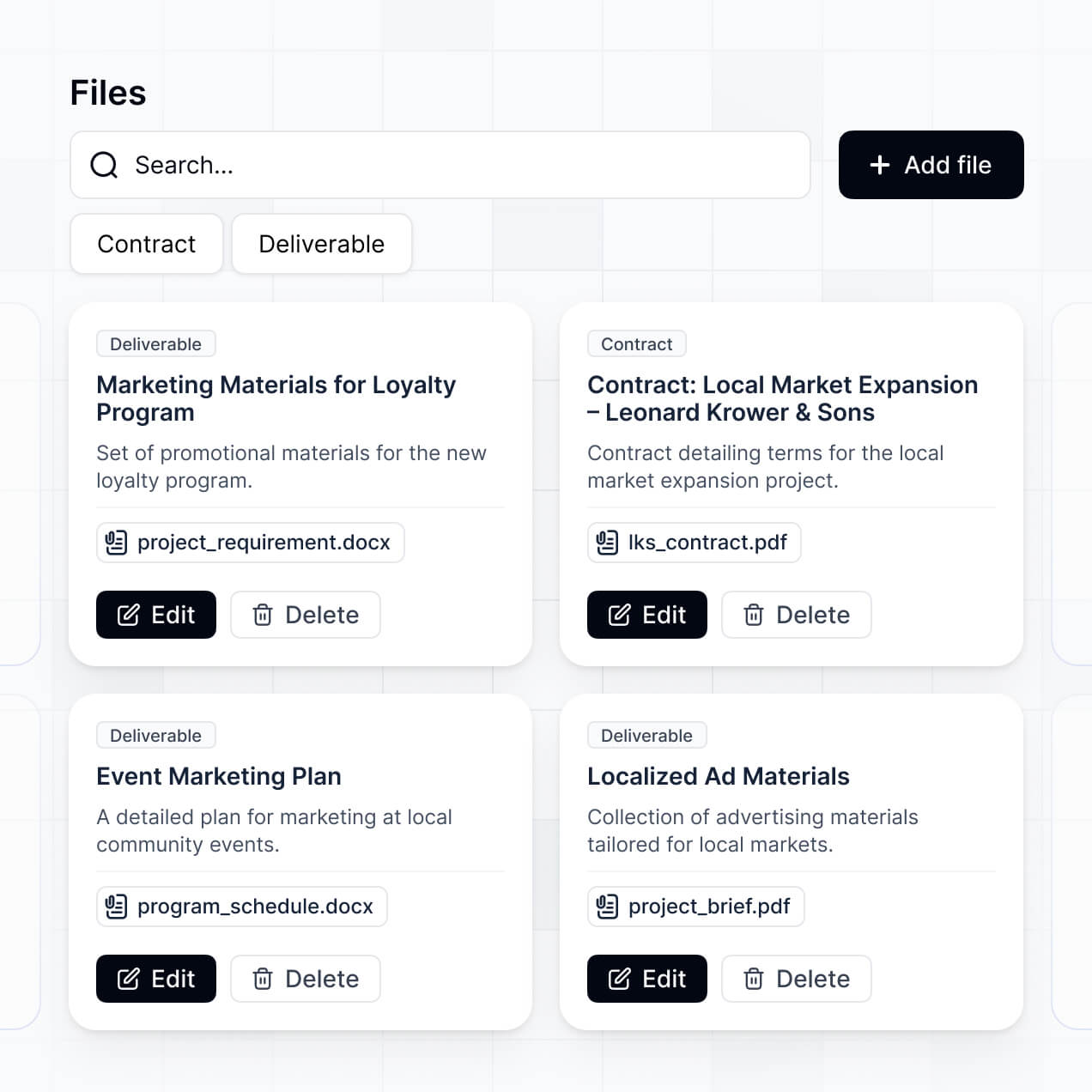
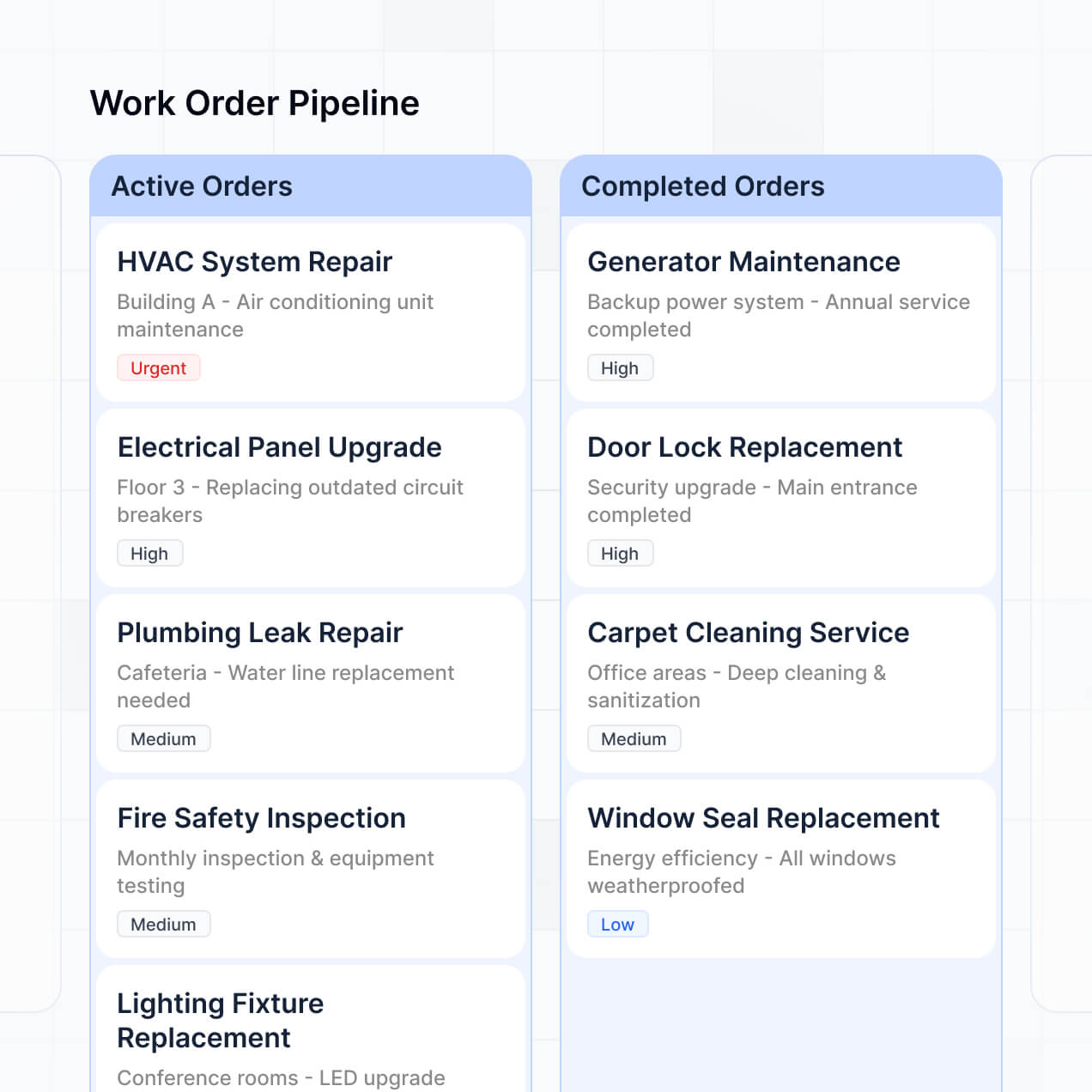
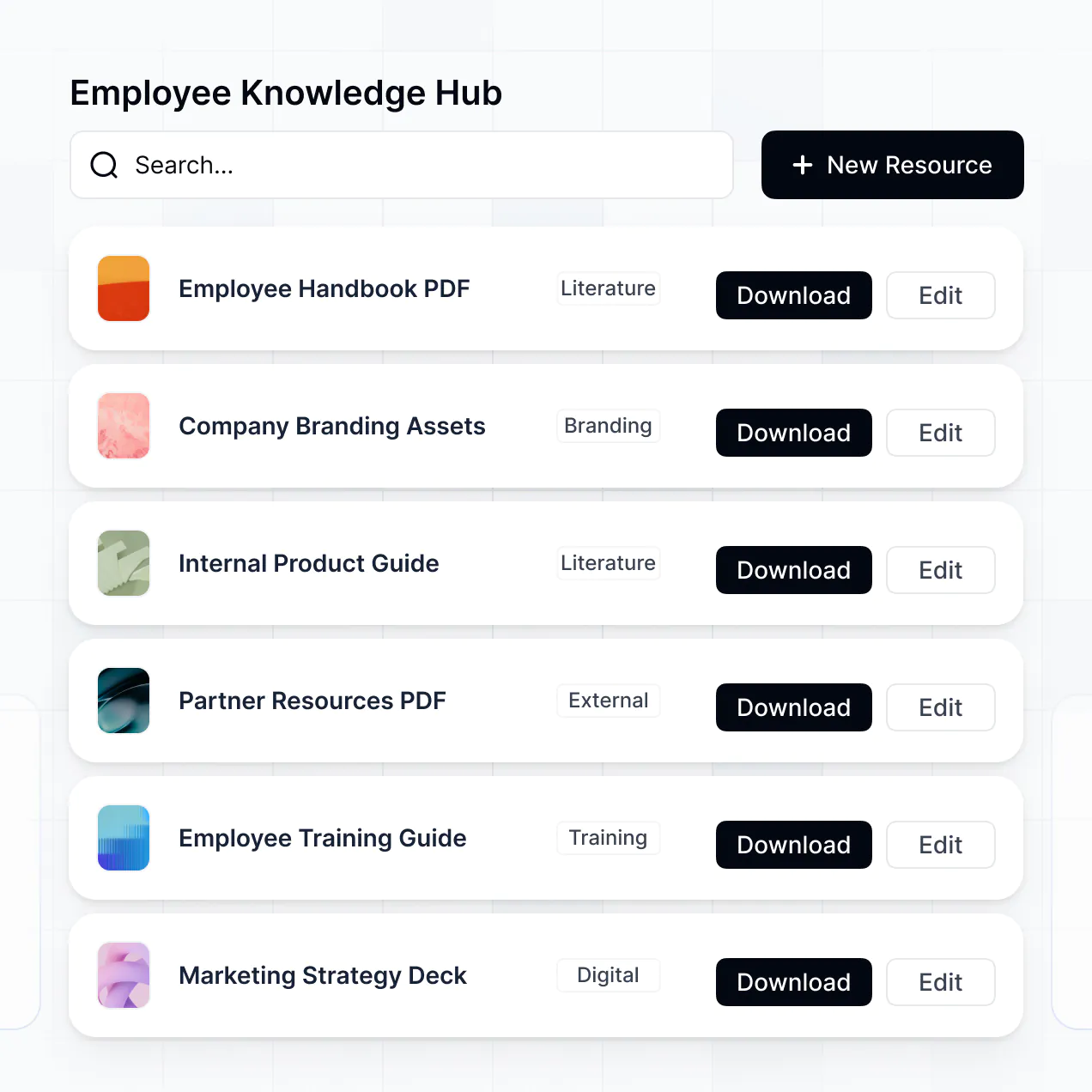
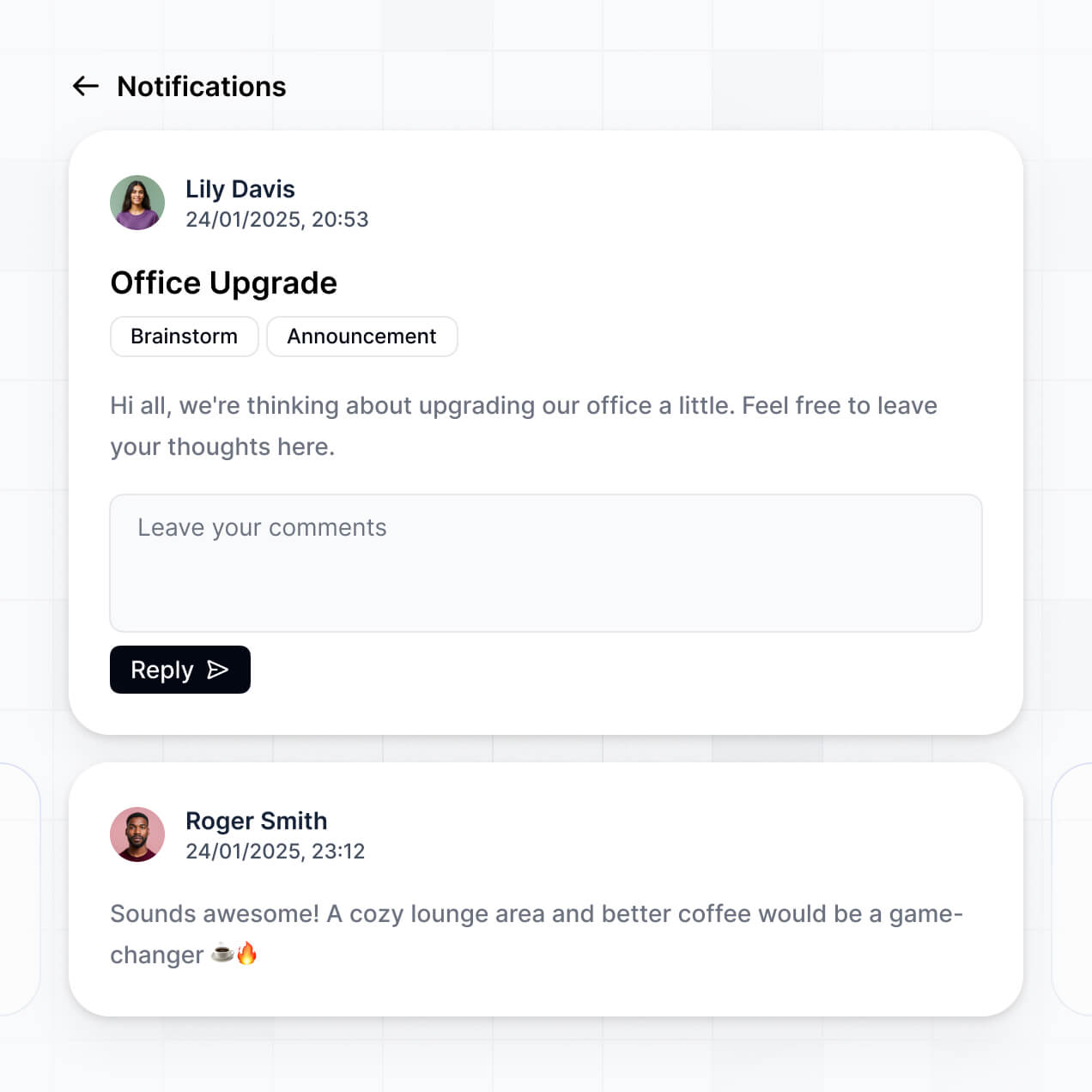
Give clients secure access to files, requests, and updates in a portal that fits your process and runs on connected business data.
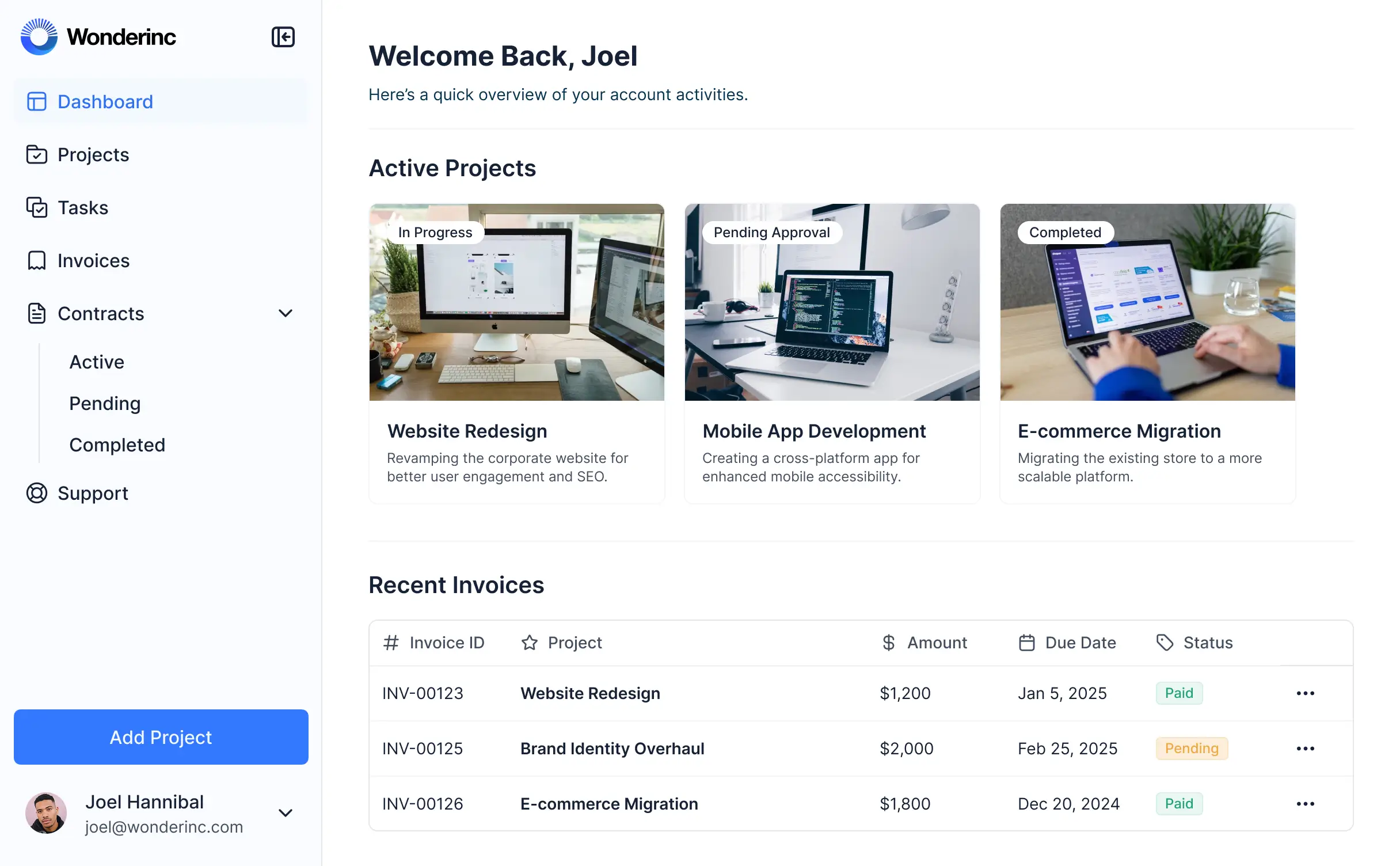
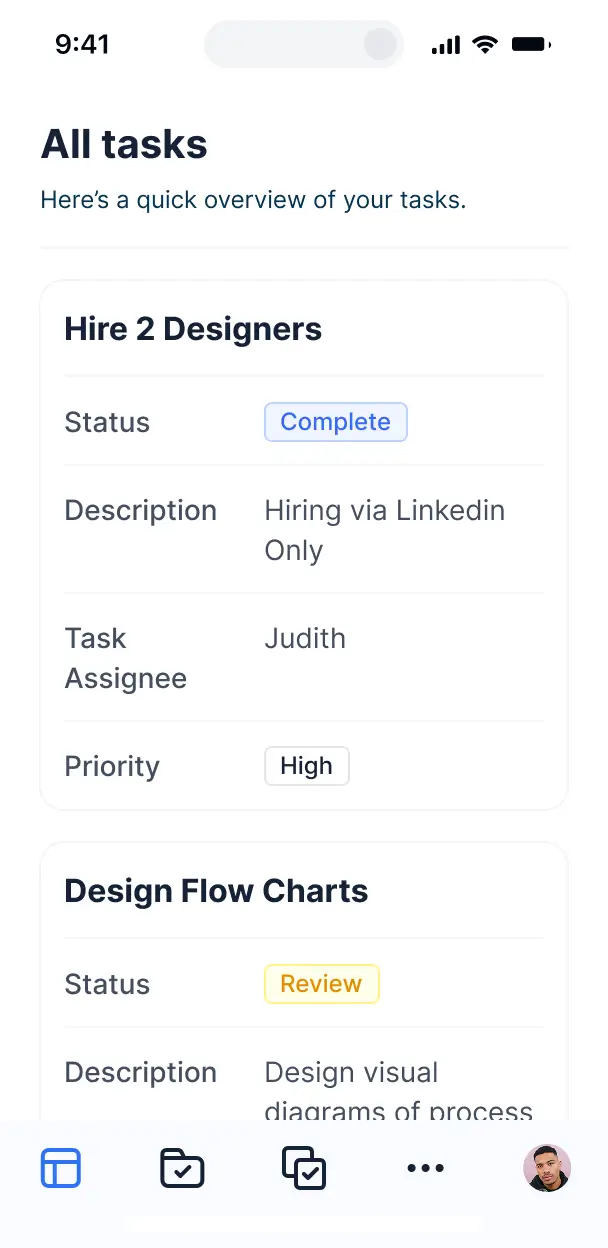



Choose only the views and workflows your client portal needs today, then adapt access, requests, and update flows as your process changes.


Manage client records, requests, and files in Softr Databases, or connect Airtable, Notion, Google Sheets, and other systems with real-time sync.
Give each client the right views and access in a fully branded portal. Set up secure logins, user groups, and permissions in minutes.
Give clients mobile-ready access to shared files, request updates, and portal forms. Install the portal as a PWA in one click.
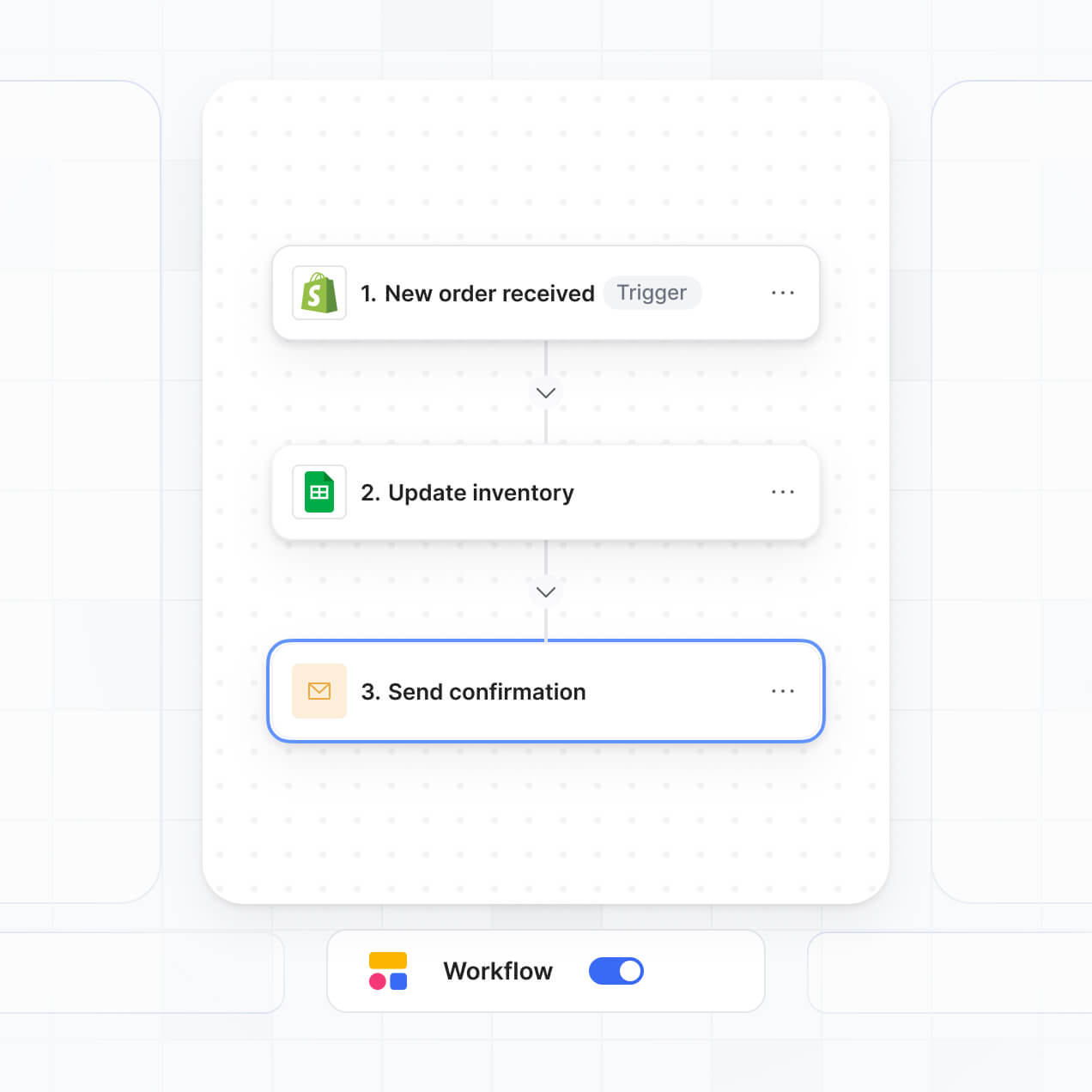
Trigger client notifications, status updates, and request follow-ups with Softr Workflows whenever records change.
Create separate client access groups and personalized dashboards so each client sees the requests, files, and updates that matter.
Control which client users can view files, submit requests, or change statuses with permissions down to the field and action level.
Protect client records and shared files with encrypted data, secure access controls, and Softr Databases' SOC 2 Type II compliance.
No more one-size-fits-all tools or costly custom builds. Softr is easy to use and fully customizable, so you can launch faster, adapt as you grow, and skip the complexity of traditional software.

Describe your client portal, and generate access requests, file exchange, and status tracking in minutes.

Add client views, request workflows, and update steps as your portal process changes.

Bring client requests, shared files, answers, and updates into one secure portal.
Co-build with AI
Simply describe what you need. Let Softr handle everything - Interface, database, workflows.
Iterate with AI or visually
Control most critical parts of your app yourself - roles, permissions, security.
Ship the same day
Invite team members or external clients and partners right away. No developer handover.
Use drag-and-drop blocks to build a portal that looks sleek and modern out of the box. Add only the features you need, and iterate as your workflows evolve.




A client portal is a secure space where clients log in to find the records, files, updates, and project timelines relevant to them. A consulting firm might use one for proposals, deliverables, invoices, and approval requests, while an agency could share campaign assets, review notes, and launch milestones. Instead of managing scattered email threads and spreadsheets, teams centralize client work in one place with clear access for every account.
For client-facing teams, the biggest benefit is giving every account a clear place to review work, exchange files, and track next steps. Softr is an AI app builder for business software. Describe the portal you need, and AI generates the database, pages, and logic, already connected and secure, with no code at any point. You can also start from a template or build from scratch, then move between AI generation and visual editing whenever you want. Store client profiles, project records, invoices, and documents in Softr Databases, or connect tools such as Airtable, Google Sheets, or HubSpot. You control the layout, each client's access, and the branding, so the portal matches your service process rather than forcing clients into a generic workspace.
A client portal can bring together the conversations, documents, approvals, and project status that clients usually chase by email. With Softr, you can add:
- **AI inside the app:** Ask AI can answer questions about a client's project status or unpaid invoices, while Database AI Agents can classify incoming support requests or flag documents that need review.
- **Custom interface elements:** A Vibe Coding block can create a branded project milestone timeline or an interactive approval panel when standard blocks are not enough.
- **Automations:** Softr Workflows can notify an account manager when a client submits an approval form or uploads a revised brief.
- **Access controls:** Clients, account managers, and finance staff can sign in and see only the records assigned to them.
- **Client intake:** Forms support file uploads and conditional logic for onboarding questionnaires and change requests.
- **Reporting and browsing:** Build dashboards and charts from live project data, plus filtered lists, tables, kanban boards, and detail views for deliverables and tickets.
Everything uses drag-and-drop blocks and remains editable later.
Describe the client experience you want in plain language, such as a portal where customers can review project milestones, approve deliverables, and download invoices, and Softr generates the app. It handles the often-overlooked foundation, including authentication, database logic, and security, instead of leaving you with raw code to maintain. That matters on Day Two, when a fragile portal could expose the wrong client folder, lose an approval status, or break an invoice workflow after a small change. The result is production-ready on a stable foundation. When a Vibe Coding block is involved, every prompt and edit is versioned, so you can roll back a failed change rather than repeatedly re-prompting until the portal works again.
Yes. One client portal can serve many accounts while keeping each company's projects, contracts, invoices, and files separate. A client contact sees their own deliverables and support requests, while an account manager can access the assigned client portfolio. Login and user roles determine which records each person can view or edit, so multiple clients share one system without sharing private account information.
You do not need an existing database to start. If your client list, project tracker, or invoice spreadsheet is still being assembled, Softr Databases gives you a built-in place to structure clients, contacts, deliverables, files, and approval statuses. You can also connect data you already keep in Airtable, Google Sheets, HubSpot, Notion, Coda, monday.com, Supabase, or SQL. The REST API connector covers other systems. Whether you begin with a blank database or an existing spreadsheet, you decide how records are organized and how clients see them in the portal.
Softr Databases is the recommended starting point for a client portal. It is a native relational database built for business apps, so client records, projects, deliverables, and approval statuses run with high performance and can trigger automations instantly without a third-party API in the way. Softr also connects to 21+ external sources, including Airtable, Google Sheets, HubSpot, SmartSuite, and BigQuery. One portal can draw on several sources at once, such as client profiles in HubSpot and project files tracked elsewhere. Most supported sources provide real-time two-way sync, so updates to account details or project statuses can stay current.
Client portals can show different workspaces to clients, account managers, and finance staff. For example, a client contact may view their own project milestones, deliverables, invoices, and approval requests, but not internal margin notes or another company's records. An account manager can update assigned projects and respond to support requests, while finance staff can manage invoices without changing project briefs. Softr lets you control navigation, page and block visibility, view and edit rights, and filters based on the logged-in user. Before publishing, the built-in preview lets you open the portal as each user group, so you can confirm access without creating test accounts.
Your clients can see a portal branded entirely as your service. Add your logo, brand colors, fonts, and custom domain, then remove Softr branding. This keeps project updates, document libraries, and approval pages consistent with the identity clients already associate with your agency or consultancy.
You can adjust colors, fonts, spacing, page structure, and the blocks each client sees after login. A typical client portal might use:
- **Table:** Show invoice numbers, payment status, or a list of open support requests.
- **List or Card:** Present active projects, assigned contacts, or recently uploaded deliverables.
- **Detail View:** Give a client the full brief, milestone history, and approval status for one project.
- **Forms:** Collect onboarding information, revision requests, and deliverable approvals, including file uploads and conditional fields.
- **Charts:** Display project hours, campaign results, or task completion for clients who need a progress summary.
- **Calendar:** Share consultation dates, review meetings, and delivery deadlines.
You choose where each block appears and can revise the layout later in the visual builder as your client process changes.
Client portals often contain sensitive records such as contracts, financial details, project files, and support conversations, so access control matters as much as the interface. Softr encrypts data in transit with TLS and at rest on secure infrastructure. User groups, data-source permissions, visibility rules, and global restrictions can limit which clients, account managers, and finance users see each record. With Softr Databases, data stays in Softr's secure environment, hosted in Europe in Germany, and the database is SOC 2 Type II compliant. When you use an external source, Softr stores nothing and displays live data according to your access settings. Authentication, access control, and monitoring follow industry best practices, helping prevent one client's documents or invoices from appearing in another client's workspace.
An AI-generated client portal can be production-ready for real clients, project records, approvals, and documents. Softr builds on a stable business-grade foundation rather than generating fragile custom code that is difficult to secure or maintain. Authentication, secure hosting, and granular permissions are handled natively, which reduces the Day Two risk of broken client access or exposed deliverables. You can refine the generated portal visually before launch, then keep using the same foundation as account managers and customers work in it every day. The platform is used by more than 1 million builders, giving the foundation practical evidence beyond a one-off prototype.
Pure vibe coding tools can produce fragile code that leaves authentication, client permissions, and maintenance to your team. Traditional no-code tools avoid code but often require extensive manual configuration before a project tracker or document portal is usable. Softr combines both paths: describe the client portal in plain language, generate the database, pages, and logic, then refine project views, approval forms, and account access visually. Business infrastructure for authentication, roles, permissions, and hosting is already there, so non-technical teams can move from an initial portal to production without rebuilding the foundation. Softr apps are also agent-ready through MCP. A logged-in client can operate the portal through an AI assistant exactly as the interface allows, with the same user groups and data restrictions, so there is no second permission model to build or audit.
A useful first automation is notifying an account manager as soon as a client approves a deliverable or submits a support request. Softr Workflows can trigger tasks when a project record changes or a client clicks a button, helping move approvals, onboarding forms, and invoice follow-ups forward inside the portal. Softr also syncs with tools such as Stripe and Intercom, while REST API connections and webhooks cover advanced cases. You can send a client approval to another system, trigger an internal automation from a form submission, or display account details from an external tool. These workflows require no code.
Give clients a secure place for files, requests, answers, and updates, with no dev work required.