Organize documentation, manage articles, and share guides in an AI-powered system built with AI to fit your team's specific workflow.
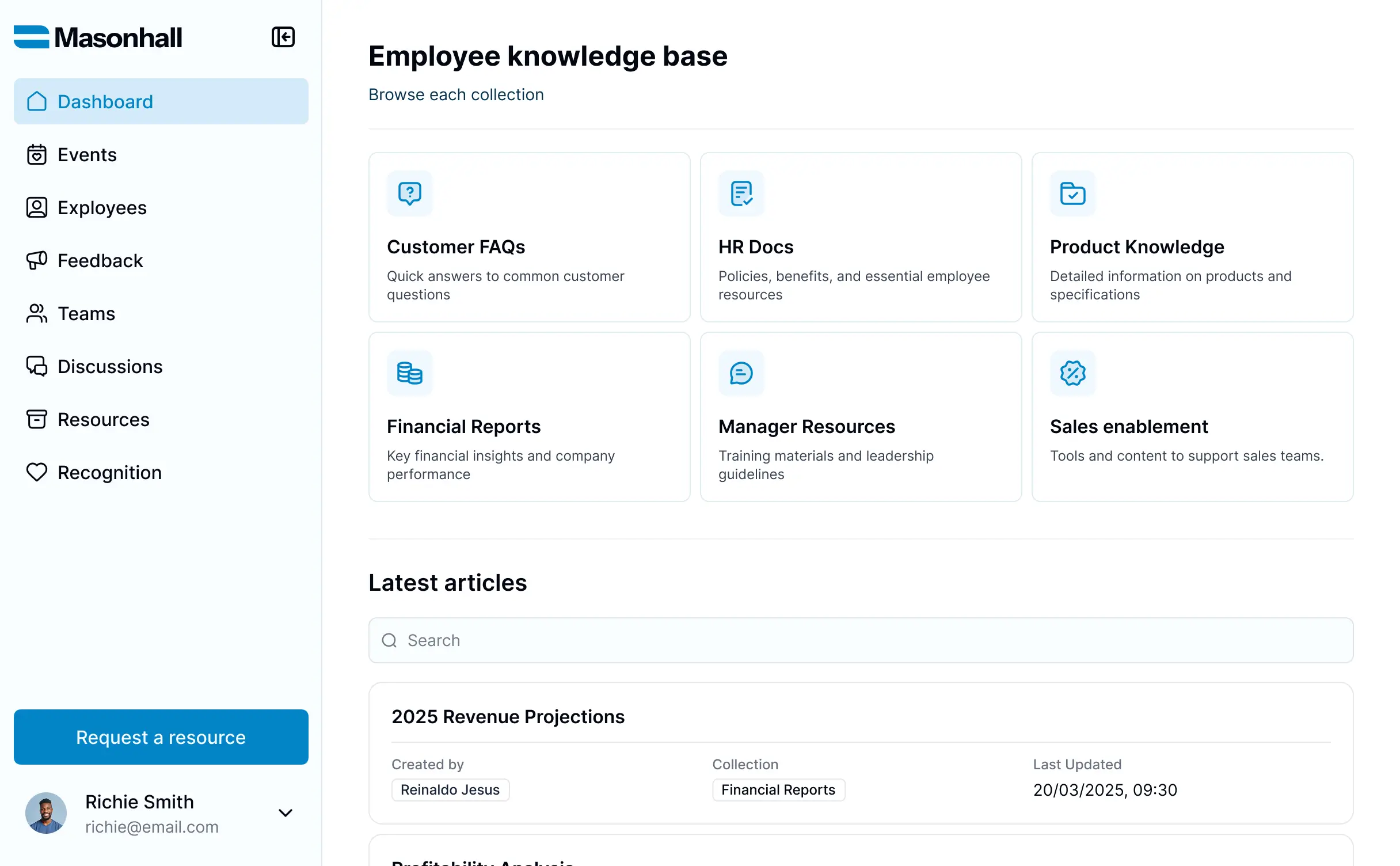



Customize your knowledge base setup with the exact steps and views your team needs. Add features as processes evolve—no code needed at all.


Connect spreadsheets, CRMs, and other systems with real-time sync—or manage everything in Softr Databases. Create a single source of truth for your business documentation.
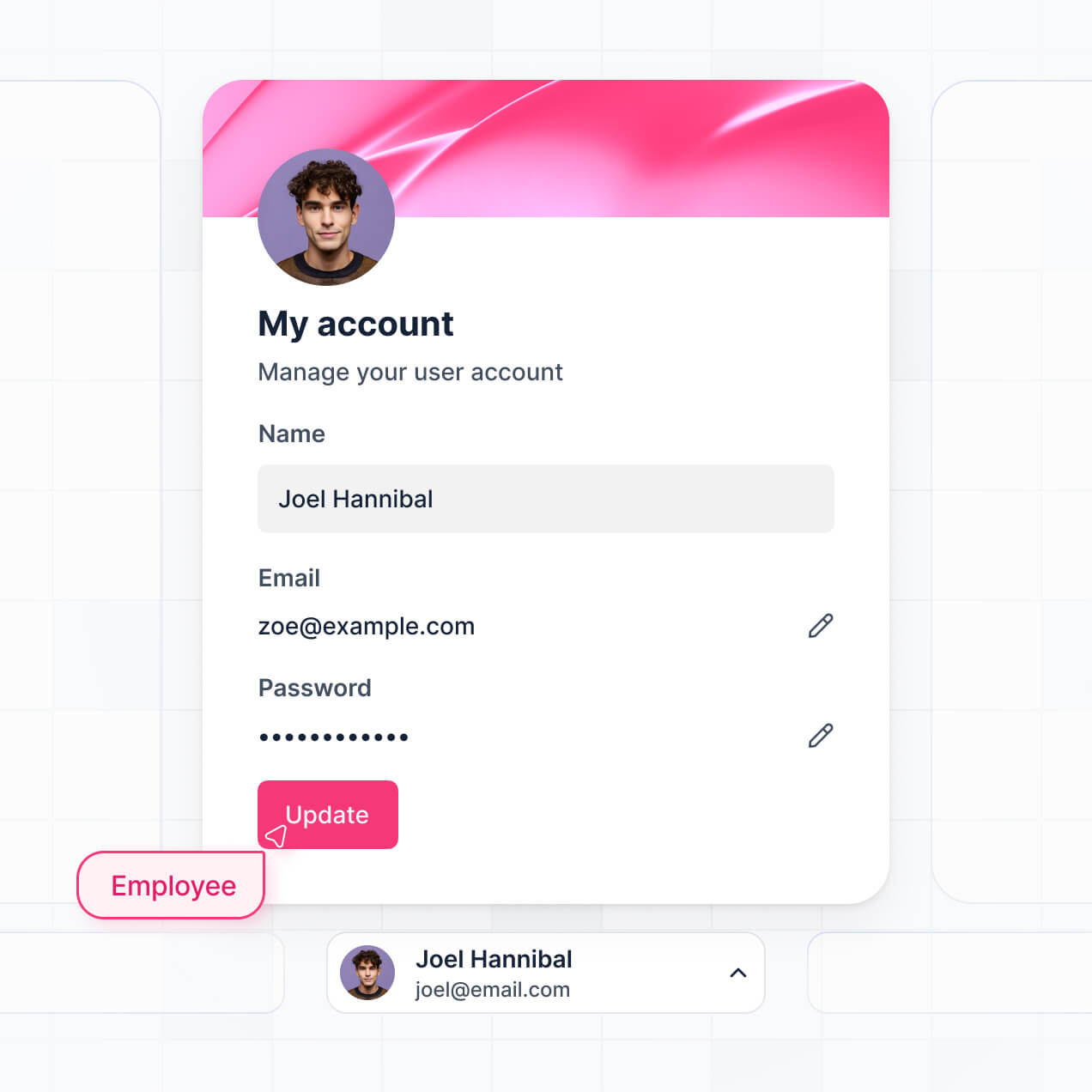
Give each teammate the right tools and access. Set up secure logins, user groups, and granular permissions—no IT support or dev work needed.
Give different departments tailored access to specific libraries, so every role sees just the documentation relevant to them.
Streamline content updates with Softr Workflows. Trigger native notifications or status changes automatically when an article is updated.
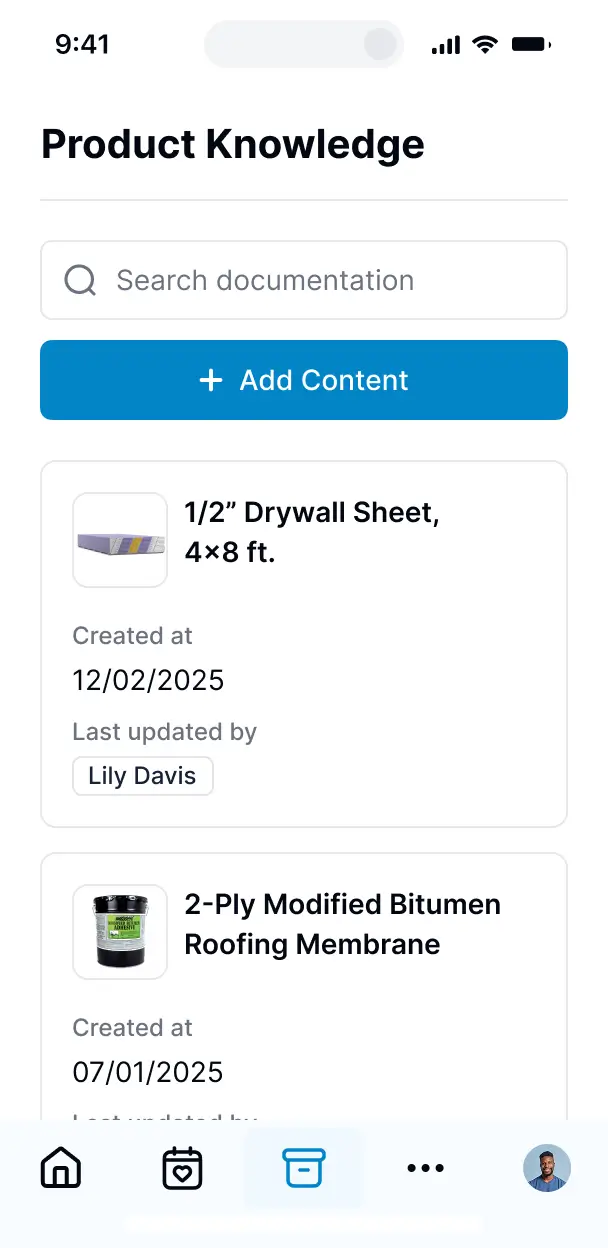
Access your knowledge base on the go. Guides and documentation are mobile-ready out of the box for your entire team.
Use Google, email, or SSO logins to give your team fast, secure access to your internal wiki—no IT tickets needed.
Keep sensitive internal documentation safe with SOC2 and GDPR compliance, plus fine-tuned access control for every article.
No more one-size-fits-all tools or costly custom builds. Softr is easy to use and fully customizable, so you can launch faster, adapt as you grow, and skip the complexity of traditional software.

Build your knowledge base free in minutes with AI—no manual setup or complex configuration needed.

Add features like article approval workflows or advanced search as your documentation grows—no rebuild needed.

Start with a knowledge base, then add internal tools, dashboards, or forms—all in one place with no extra tools.
Co-build with AI
Simply describe what you need. Let Softr handle everything - Interface, database, workflows.
Iterate with AI or visually
Control most critical parts of your app yourself - roles, permissions, security.
Ship the same day
Invite team members or external clients and partners right away. No developer handover.
Use drag-and-drop blocks to build a portal that looks sleek and modern out of the box. Add only the features you need, and iterate as your workflows evolve.




A free-to-build knowledge base is a secure digital library where your team or customers can log in to access vital information, such as help articles, company policies, training videos, and FAQ documentation. It centralizes all your organization’s collective intelligence in one searchable place, so you don't have to rely on scattered PDFs or repetitive Slack messages. This makes it easier for employees to self-serve and provides a more professional support experience for your users.
Softr is the first AI-native platform for building business software, allowing you to launch a high-quality knowledge base without any upfront development costs. It makes it easy to build a documentation hub that fits your specific content structure. You can describe your documentation needs to the AI Co-Builder to instantly generate your database, search pages, and category logic—already connected and secure.
You don't need to code anything. You can start by generating with AI, using a pre-made template, or building from scratch. Everything runs on Softr Databases, the native, relational database built into the platform, or you can connect existing tools like Airtable or Google Sheets where your help docs might currently live. You have full control to adjust the layout visually, decide which user groups see technical vs. non-technical docs, and brand it to match your company’s identity. It's quick to get up and running, simple for editors to update, and flexible enough to scale as your documentation grows.
You can include a wide range of features in your knowledge base, depending on how your team consumes information. A great documentation app usually mixes classic functional blocks with AI-powered intelligence:
- AI-Powered Intelligence – Use Ask AI to let users query your entire document library conversationally, or set up Database AI Agents to automatically summarize long technical guides into executive summaries.
- Vibe Coding Blocks – Build custom UI elements—like an interactive glossary or a collapsible table of contents—using the AI Code block to "vibe code" exactly what you need.
- Softr Workflows – Build native automations (like an approval workflow for new articles) that trigger notifications to editors whenever a draft is submitted for review.
- User Portals & Logins – Securely manage access so internal employees see private SOPs while external customers only see public help guides.
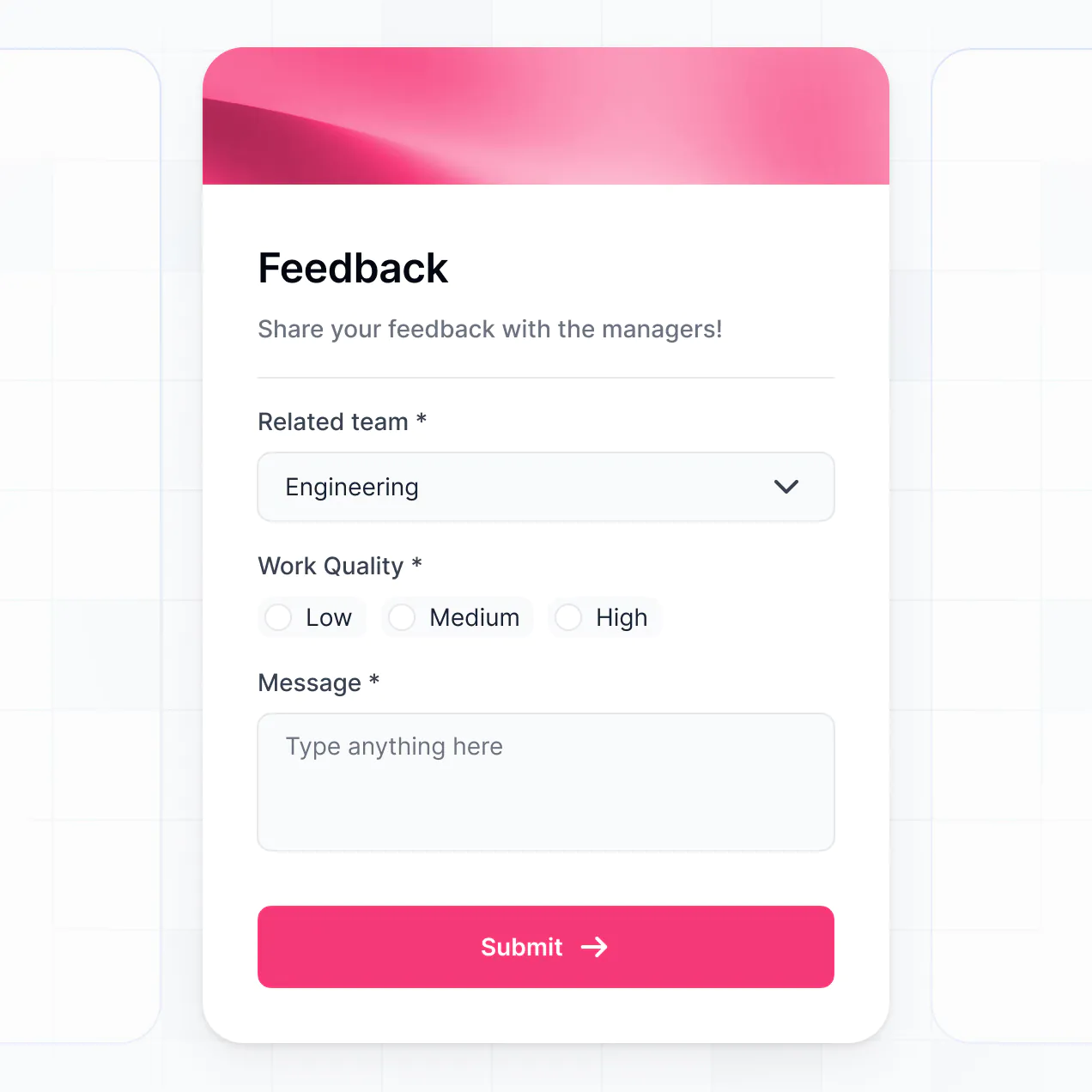
- Forms & Data Collection – Capture feedback with article rating forms, file uploads for user-submitted bugs, and contact forms.
- Dashboards & Charts – Visualize your knowledge base performance, such as most-read articles and search trends, with real-time charts.
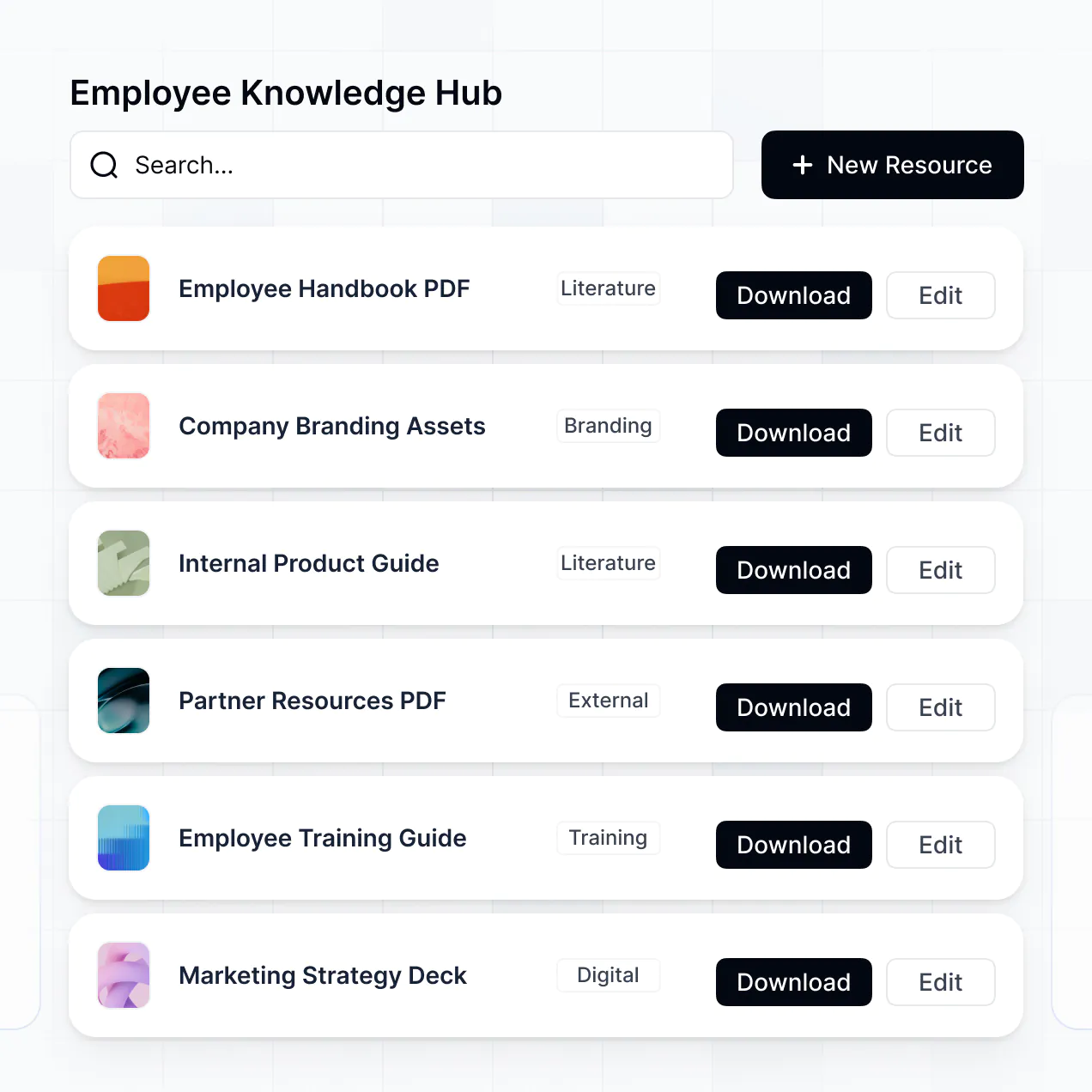
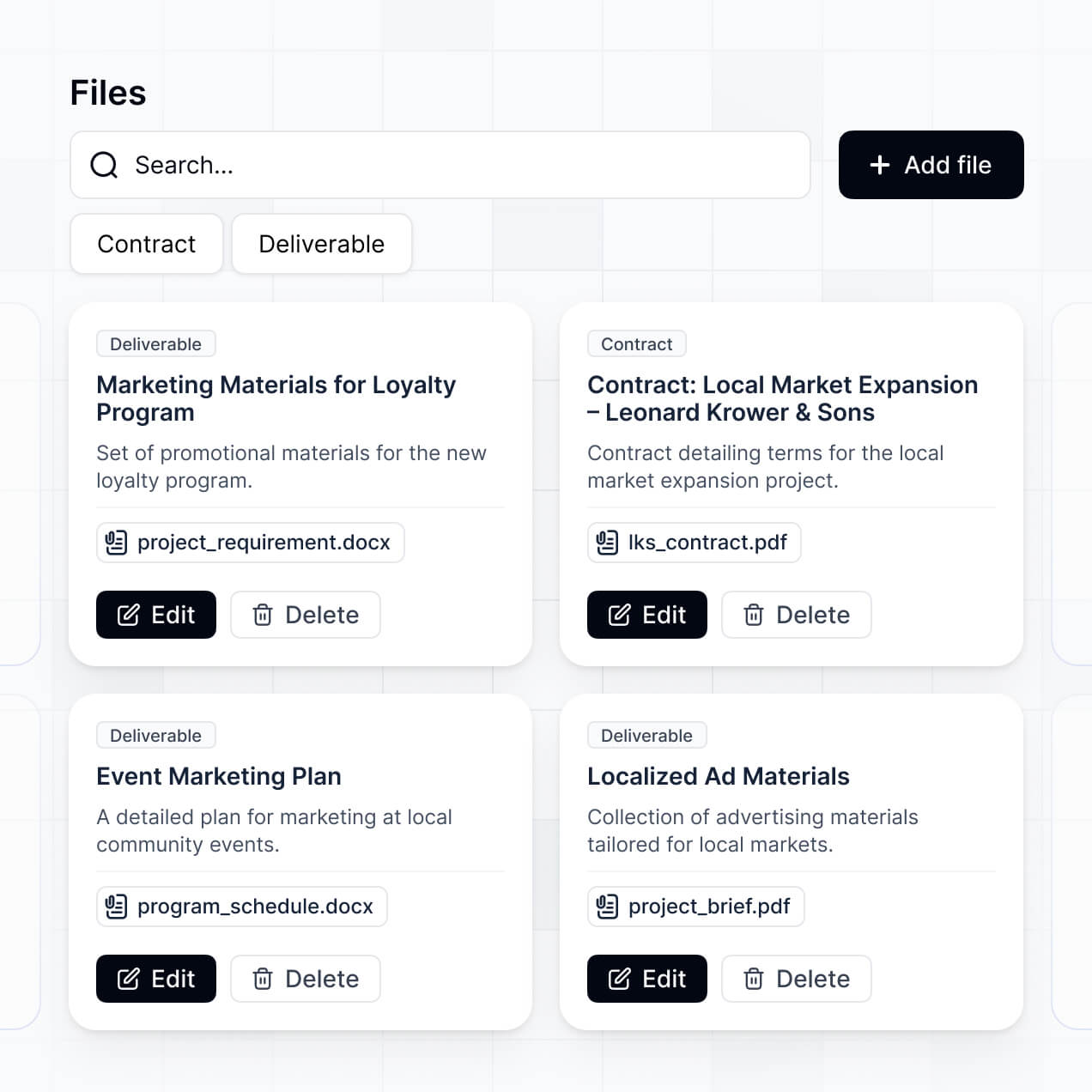
- Lists & Advanced Filtering – Display your content with searchable tables, category tags, and detailed article views.
Everything is built using Softr's drag-and-drop blocks, so you can create these features without writing code. Need something more custom? Use the Vibe Coding block to generate a tailored component with AI. And if your documentation structure changes, it's easy to update the portal later.
Vibe coding is all about moving fast and using AI to build the exact documentation structure you need. You can "vibe code" a knowledge base in Softr by simply describing your content hierarchy and search requirements to the AI Co-Builder. Softr then generates a production-ready documentation site on top of a stable, secure foundation.
Unlike other tools that just generate raw, fragile code for a wiki, Softr handles the "boring 80%"—like user authentication, article database logic, and permissions—natively. This means you get the speed of vibe coding without the "Day Two" headaches of managing raw code. You describe your help center, Softr builds it, and it’s ready for your users or customers instantly.
Yes. You can manage multiple departments (like HR, Sales, and IT) or multi-language versions in a single portal. Each user only sees the articles and categories assigned to them, based on their login and role. This is useful for large organizations or global companies working with multiple internal and external stakeholders.
Yes, you can. You don't need archival data to start building with Softr. If you're starting a knowledge base from scratch, you can use Softr Databases, which is built into the platform and allows authors to draft and publish articles directly within your application.
But if you already have documentation in tools like Airtable, Google Sheets, HubSpot, or Notion, you can connect those too. You can also use the REST API connector to bring in documentation from other CMS sources. Either way, you have full control over how your articles are structured, categorized, and displayed.
Softr Databases is the recommended native, relational data source for Softr. It is built explicitly for business apps like knowledge bases, offering high performance, instant search results, and a lightning-fast experience because the article data is native to the platform.
If you already have your documentation elsewhere, Softr also connects to 17+ external data sources. You can connect to Airtable, Google Sheets, HubSpot, SmartSuite, and more. You can even integrate multiple data sources into the same app—so your portal could pull in technical specs from Softr Databases and customer contact records from HubSpot at once. Most sources support real-time, two-way sync, so any edits to an article in your app or data source stay in sync automatically.
Yes, Softr gives you full control over how users experience your knowledge base. You can customize the layout, navigation, and sidebar content to match your brand and documentation workflow. Each category or help article can be shown or hidden based on who's logged in, so employees only see data relevant to their department.
You can also set up different user roles, such as Contributor, Editor, or Viewer—and define exactly what each role can do. For example, Viewers can only read content, while Editors can manage and update article records. You can also create personalized reading lists by filtering data based on the logged-in user.
This level of customization is especially useful when you're managing sensitive internal SOPs alongside public-facing help docs in the same app. It helps keep the experience clean, secure, and tailored to each user.
Yes, you can fully white-label your knowledge base in Softr. You can use your own logo, brand colors, typography, and custom domain to make the documentation feel like a natural extension of your company website or product. You can also remove all Softr branding, so your users only see your company's identity throughout their learning experience.
Yes, you can. Softr gives you a lot of flexibility to control both the design and layout of your knowledge base. You can adjust colors, fonts, spacing, and page structure to match your brand style guide. You can also choose how each page is laid out, decide where the search bar goes, and set what navigation links different users see.
To display your articles, you can add different types of blocks depending on your content:
- Table blocks – to show a summary list of all technical specifications or policy changes.
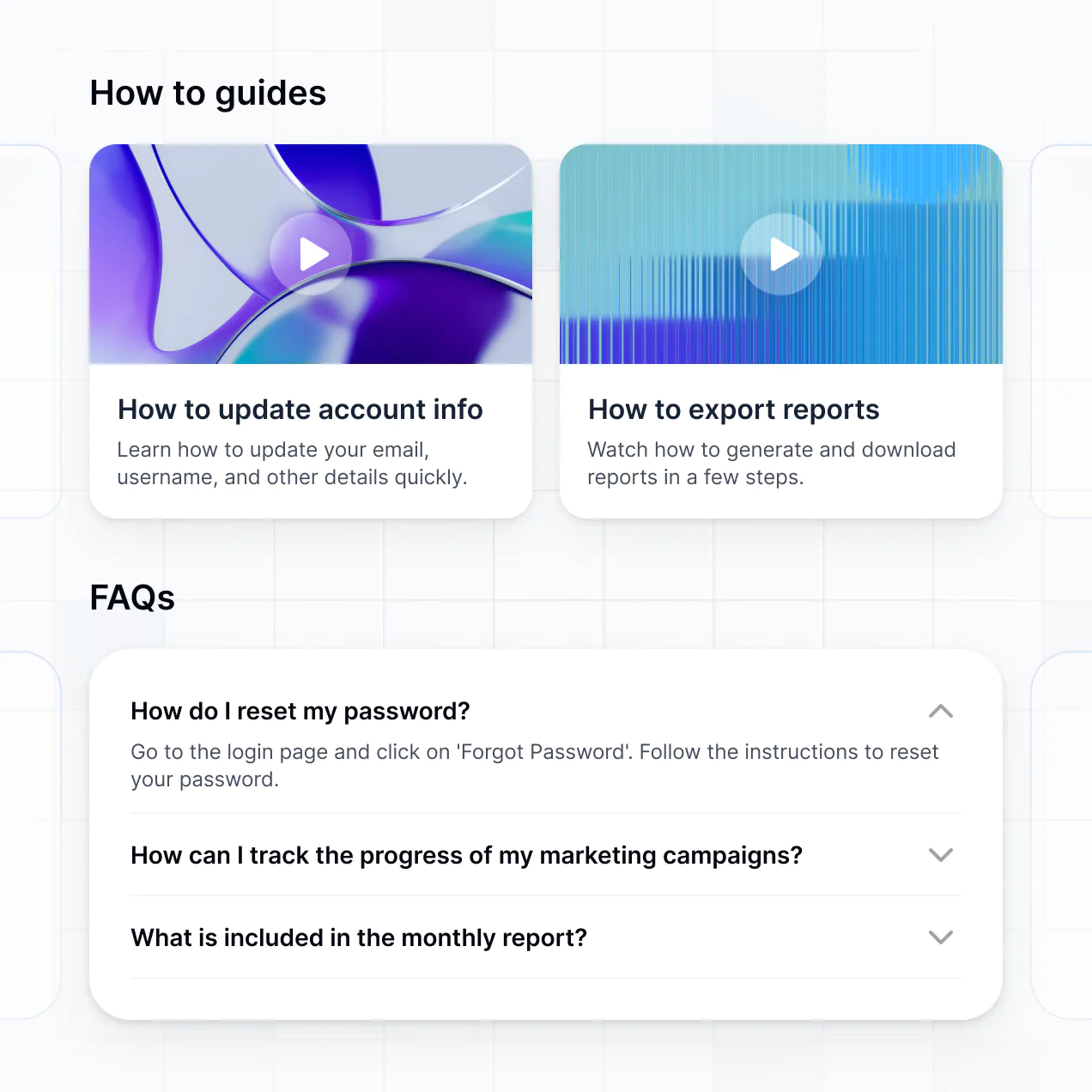
- List or Card blocks – to highlight featured articles, popular categories, or newly published guides.
- Detail View – to provide an immersive reading experience for individual articles.
- Forms – for users to submit requests for new documentation.
- Charts – to show article popularity or team completion rates.
- Calendar blocks – to display scheduled maintenance windows or release dates.
If your informational needs change later, it's easy to go back and make updates right in the visual builder.
Softr is built with security in mind. All documentation data is encrypted in transit (TLS) and at rest, and your knowledge base is hosted on secure, reliable infrastructure. Softr apps also give you full control over who can view and edit sensitive articles. You can set up role-based permissions, manage authors directly within your data source, set visibility rules for private categories, and apply global restrictions to protect proprietary information across your entire app.
For knowledge bases using Softr Databases, your content is stored in Softr's secure environment, with SOC 2 Type II compliance. For apps connected to external sources like Airtable or SQL, Softr doesn't store your sensitive files—it just displays them in real time based on your secure access settings. You're always in control of your data and who can view or edit it.
Softr also follows industry best practices for authentication and platform monitoring to help keep your company’s collective intelligence safe.
It is fully production-ready. Unlike many AI tools that just "vibe code" simple wikis that are hard to maintain, Softr builds your knowledge base on top of a stable, business-grade foundation.
We handle the "boring 80%" (like article search logic, secure hosting, and granular permissions) natively, so you don't have to worry about broken code. This solves the "Day Two" problem of AI: you get the speed of instant generation without the headache of managing raw, unreliable code. Your knowledge base is secure, searchable, and ready for your employees or customers to use from day one.
Softr is the first AI-native platform for building business software. Unlike pure "vibe coding" tools that generate fragile documentation scripts, or traditional no-code tools that require hours of manual configuration, Softr's AI Co-Builder creates knowledge bases on top of a secure, production-ready foundation.
What sets it apart is the hybrid advantage: you can use AI to generate your article database and search logic in minutes, then use visual controls for precise design editing. You get the speed of AI with the reliability of business-grade infrastructure (auth, roles, and hosting) already built-in. It's designed for support and HR teams who want to move from a content outline to a production site on day one.
Yes. Softr supports powerful native workflows and a wide range of integrations so you can connect your knowledge base to your existing tech stack. You can automate tasks using Softr Workflows, such as notifying your team on Slack when a new article is published, or syncing user data with Intercom. Softr also supports REST API and webhooks for more advanced developer documentation workflows.
Whether you need to trigger a page update based on a Jira ticket or display release notes pulled from another system, you can build it into your knowledge base without writing code.
Describe what you need. Softr's AI builds your documentation system in minutes without code.