The best Appian alternatives in 2026, from enterprise BPM to business apps


Since 2019, when Appian began offering no-code capabilities, it's earned its reputation as an enterprise platform for building business apps and automating complex processes. Government agencies and enterprises alike have been able to handle process automation and case management for complex claims and applications with ease. Their platform even has FedRAMP and HIPAA compliance.
But that depth comes with a price. Between seat minimums that contribute to high costs and needing professional developers to navigate Appian’s own SAIL language, you may find yourself wondering if there's something…lighter.
If that’s the case, you’ve come to the right place.
Appian alternatives at a glance
Why teams look beyond Appian
Three main things send IT leads searching for Appian alternatives:
- Quote-only pricing with seat minimums: Appian doesn’t publish clear pricing on its website. You have to request quotes. And for these Reddit users, they either find those prices too high because of the minimum user requirements (100) or can’t get a quote after submitting an interest form.
- Needs SAIL and Java expertise: Most business users hit a wall once complex process or automation logic is involved. Appian uses its own framework, the Self-Assembling Interface Layer (SAIL), and Java for integration and backend work. And, per the same Reddit thread above, users dislike the hefty developer-skill requirements.
- Dependence on implementation partners: Appian has a massive partner ecosystem of resellers and consultants. And that’s fine if you have the budget and patience to work with them. But Reddit users often cite wanting autonomy and being able to create their own apps and workflows without waiting on professional services.
Enterprise BPM and low-code alternatives
These products compete head-to-head with Appian. They’re enterprise-focused for serious process and app development work; more powerful but with heavy implementation requirements.
Pega
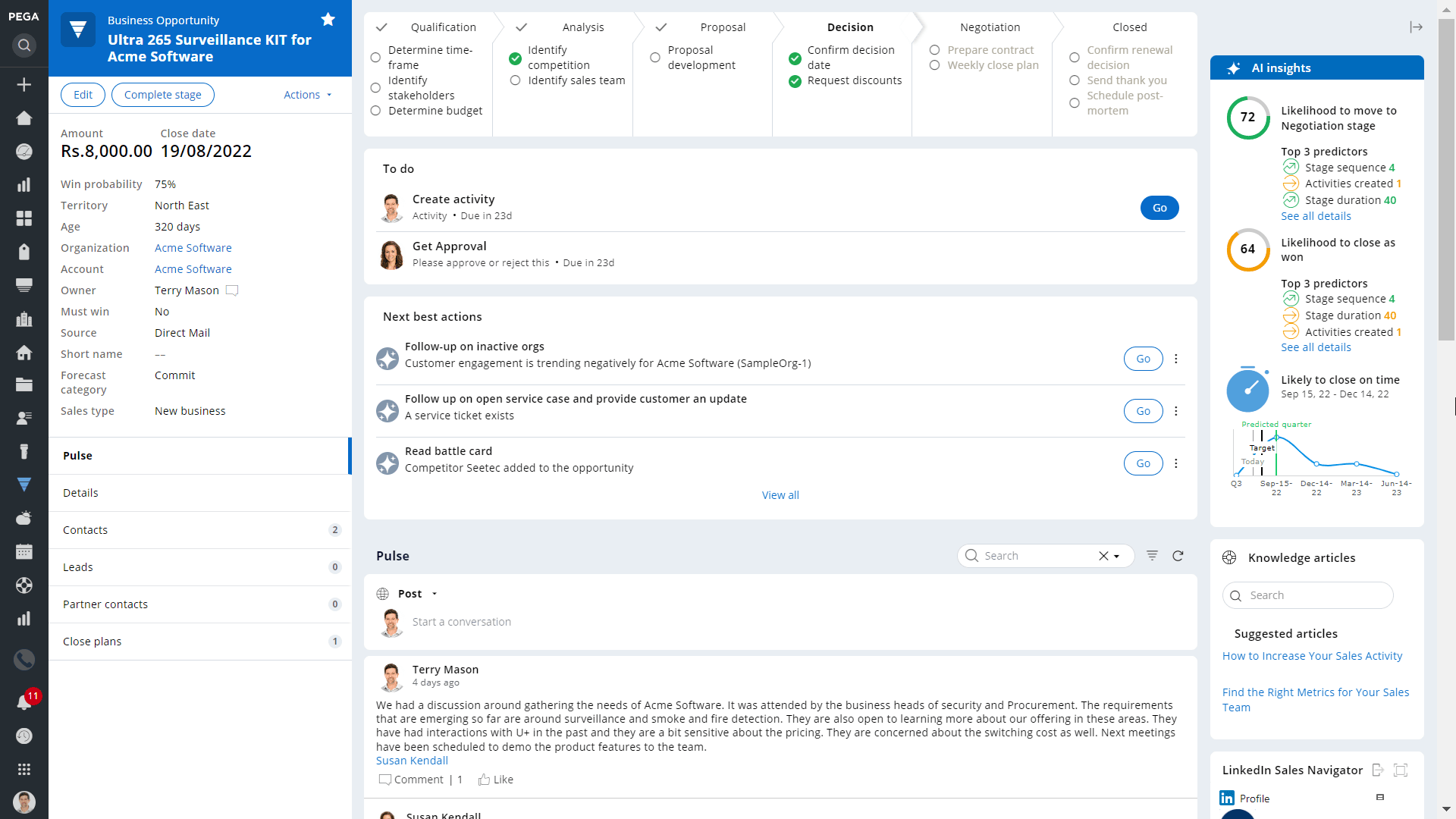
The Pega Platform delivers enterprise automation through AI. It's especially useful for building apps with complex case management requirements (think insurance claims or healthcare patient management). You can do a lot of routine case work through Agentic AI, and developers don’t need to wire every step.
Best for: Heavily regulated industries needing robust case management
Notable attributes
- Agentic AI is built into the case development cycle (not a separate tool)
- Consumption-based pricing; you can scale as your caseload or business volume grows
- Renowned for intelligent automation in case management and service support
Where it feels like Appian: Unfortunately, Pega uses the same quote-only requirements as Appian. And you better have your own implementation resources ready.
OutSystems
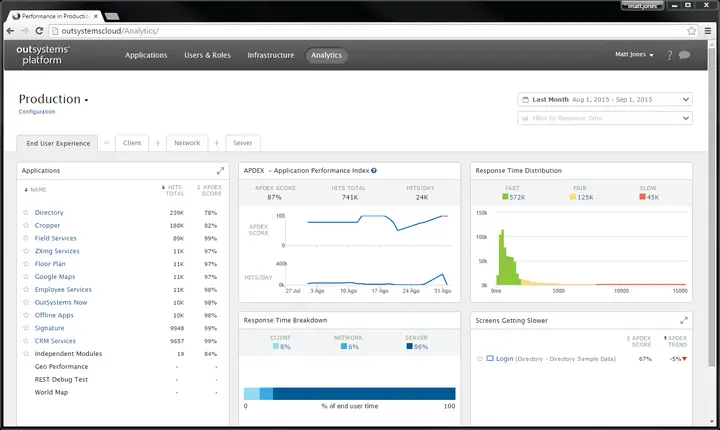
OutSystems is big on speed-to-market. It offers extensive visual app development and automated DevOps capabilities. So teams can work fast. The best part? It allows deep control since you can create with both no-code and compiled code, letting teams create custom components and enforce more modular governance.
Best for: Development speed and enterprise governance control
Notable attributes
- Free plan for individual users; one developer can test it out before committing the organization
- Supports mobile, PWAs, and web applications
- Generates standard, open code you can extend elsewhere and integrate with other systems
Where it feels like Appian: OutSystems also relies on quote-only pricing (assuming you move past the free tier). So you'll need a conversation and to run your own numbers to calculate your true costs.
Mendix
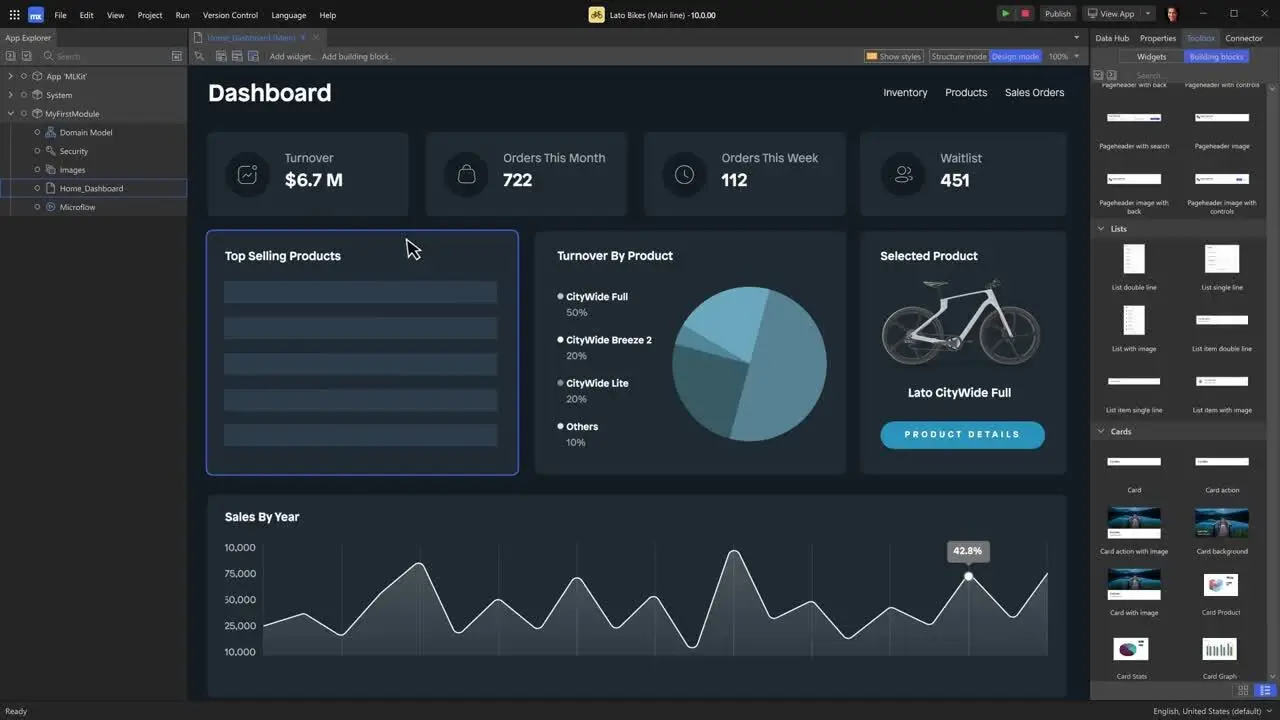
Mendix is Siemens' low-code platform. Because it has a visual development environment for business users and IT, it is particularly suited for situations where business analysts and professional developers need to collaborate. It’s also a fairly scalable enterprise option. There’s a free plan for prototyping and piloting small apps, plus higher tiers for full production deployment.
Best for: Scalable enterprise low-code that can grow with your needs
Notable attributes
- Shared workspace for business, developers, and IT experts to create and modify apps visually
- Relatively cost-friendly to enterprises; free and starting plans at $1,090 per month
- Includes Java and Scala languages and open APIs for more in-depth development
Where it feels like Appian: Mission-critical systems and core apps require Premium pricing, which requires a quote from the provider.
Microsoft Power Apps
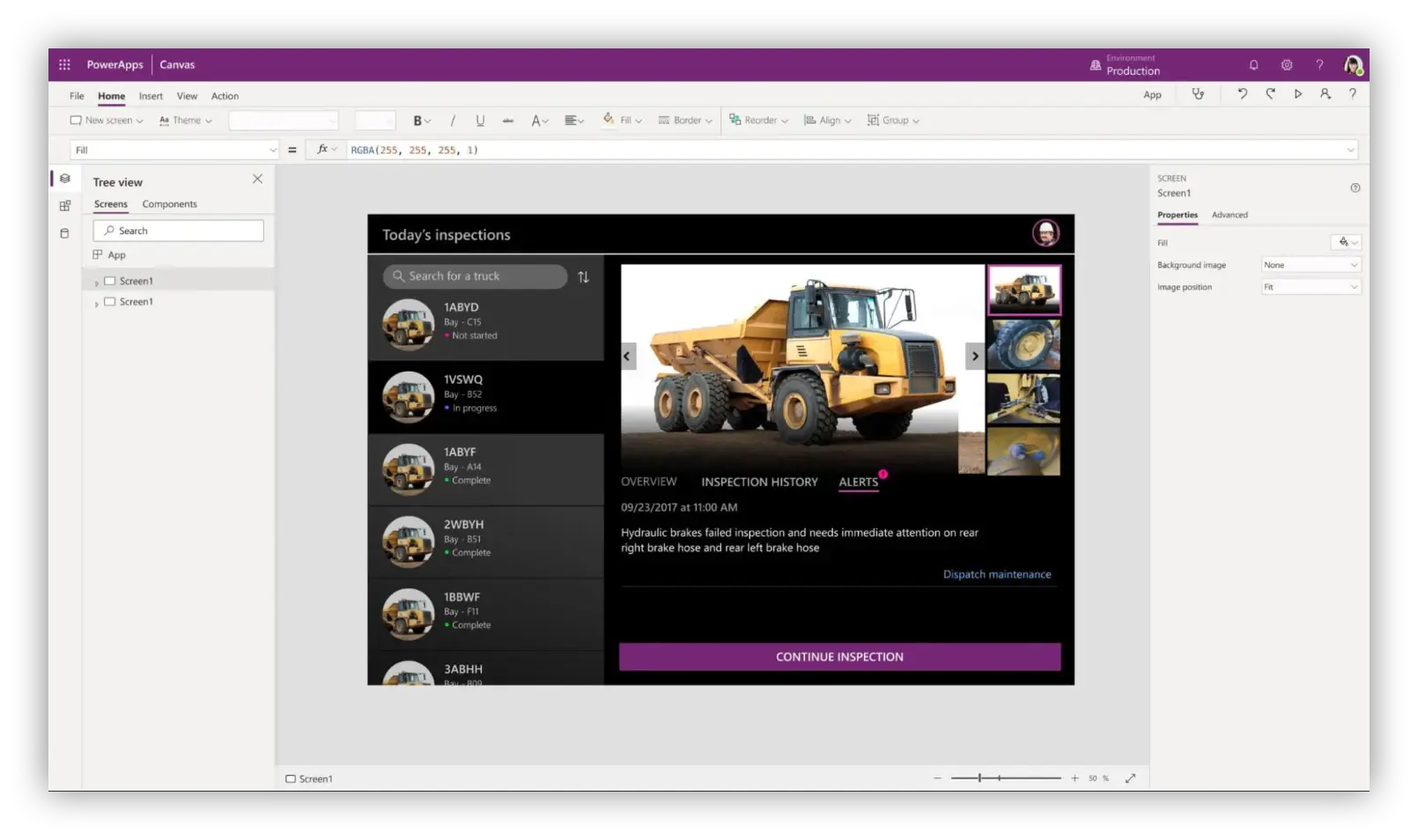
Microsoft’s low-code option, Power Apps, is an obvious move if you already use (and like) Microsoft’s ecosystem. Whether it's Dataverse brokering the data that feeds your apps, or native integration with Microsoft 365, Power Apps lets you build approval workflow apps and automations in tools you already live in. One caveat: The free developer plan is non-production. So you can’t actually share or run apps in the business.
Best for: Enterprises on a budget already integrated with Microsoft products
Notable attributes
- Pricing is clear and affordable
- Offers an AI Builder for support and has 1,000+ connectors for an easy integration process
- Integration with Dataverse offers enterprise-grade security and can support complex business logic in apps
Where it feels like Appian: While Power Apps, by no means, has the cost or minimum user requirements of Appian, some of the premium connectors can complicate pricing a bit. Also, the licensing boundary can be hard to see. Users often cross into upgraded plans without realizing it, which creates similar homework for Appian buyers.
Bizagi
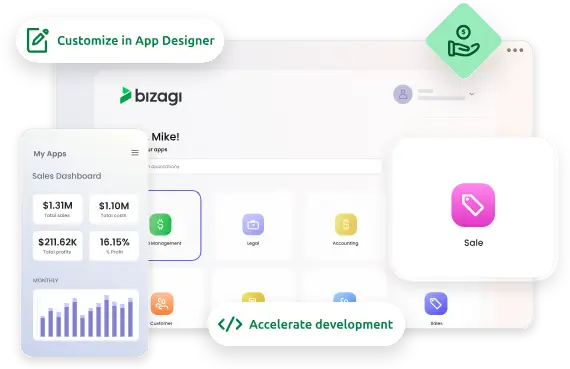
Bizagi specializes in business process automation. Its main takeaway is BPMN 2.0. This module lets analysts model, test, and execute prospective automations they want to apply to the business. The "modeling over programming" approach means business analysts don't need to write code to convert models into running applications. So the concept to deployment becomes way faster.
Best for: Business analyst teams in rapid process growth mode
Notable attributes
- Consumption pricing; you only pay for what you use
- Visual process modeling via BPMN 2.0, which makes it easy for business analysts to map and simulate potential automations
- AI orchestration and governance capabilities that can run on Azure and private integrations
Where it feels like Appian: Bizagi still requires a similar implementation mindset as Appian. You need process modeling expertise and a real rollout plan, not just the ability to plug and play. And though there’s a free option and consumption-based pricing, you’ll need a custom quote to know just how it works.
Creatio
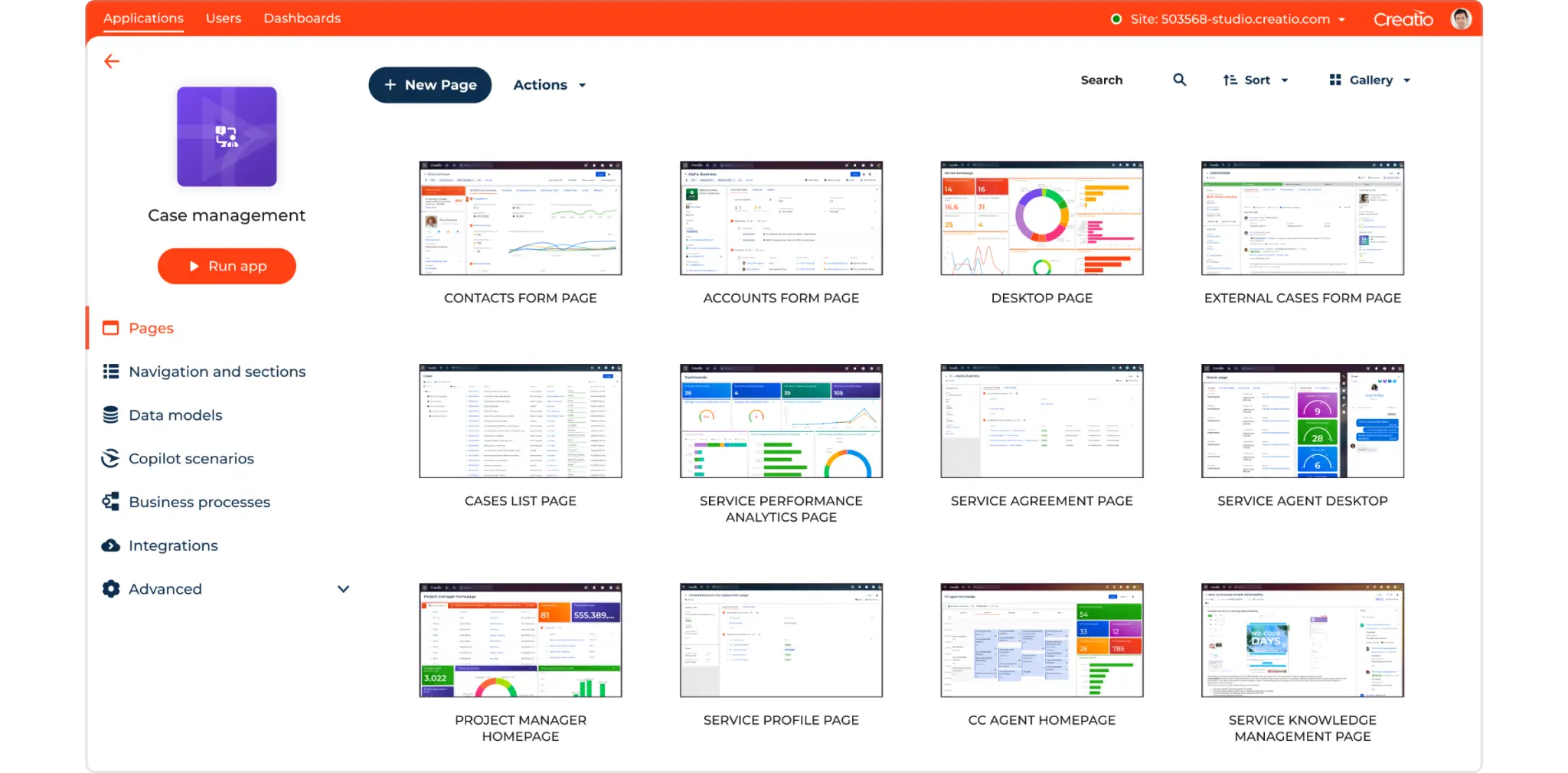
Creatio has both an AI-supported app development system and a CRM. If sales-specific automations were your priority, it’s an excellent choice. It's not particularly expensive and allows growth teams to spin up new workflows quickly without technical roadblocks.
Best for: CRM automation and enterprise sales teams
Notable attributes
- Unlimited users, apps, and workflows on the core plan
- Built-in CRM apps and native modules for automating sales, marketing, service, and RevOps
- Non-technical and offers Agentic AI with Natural Language Creation; users can describe what they want and watch it come to life
Where it feels like Appian: Candidly, Creatio and Appian are like comparing apples and oranges. One is cheaper, less technical, and meant for business users (mostly sales). The other is for larger, compliance-heavy teams trying to manage caseloads. That said, Creatio does carry ISO/IEC 27001 and SOC 2 Type II, so it's not out of its depth in regulated environments. It just doesn't match Appian's government-grade FedRAMP posture.
Lighter alternatives: Department apps, portals, and smaller businesses
These lighter alternatives skip the process-modeling overhead and focus on rapid app deployment. They make sense when you need a one-time client portal or new CRM rather than an entire process engine.
Softr
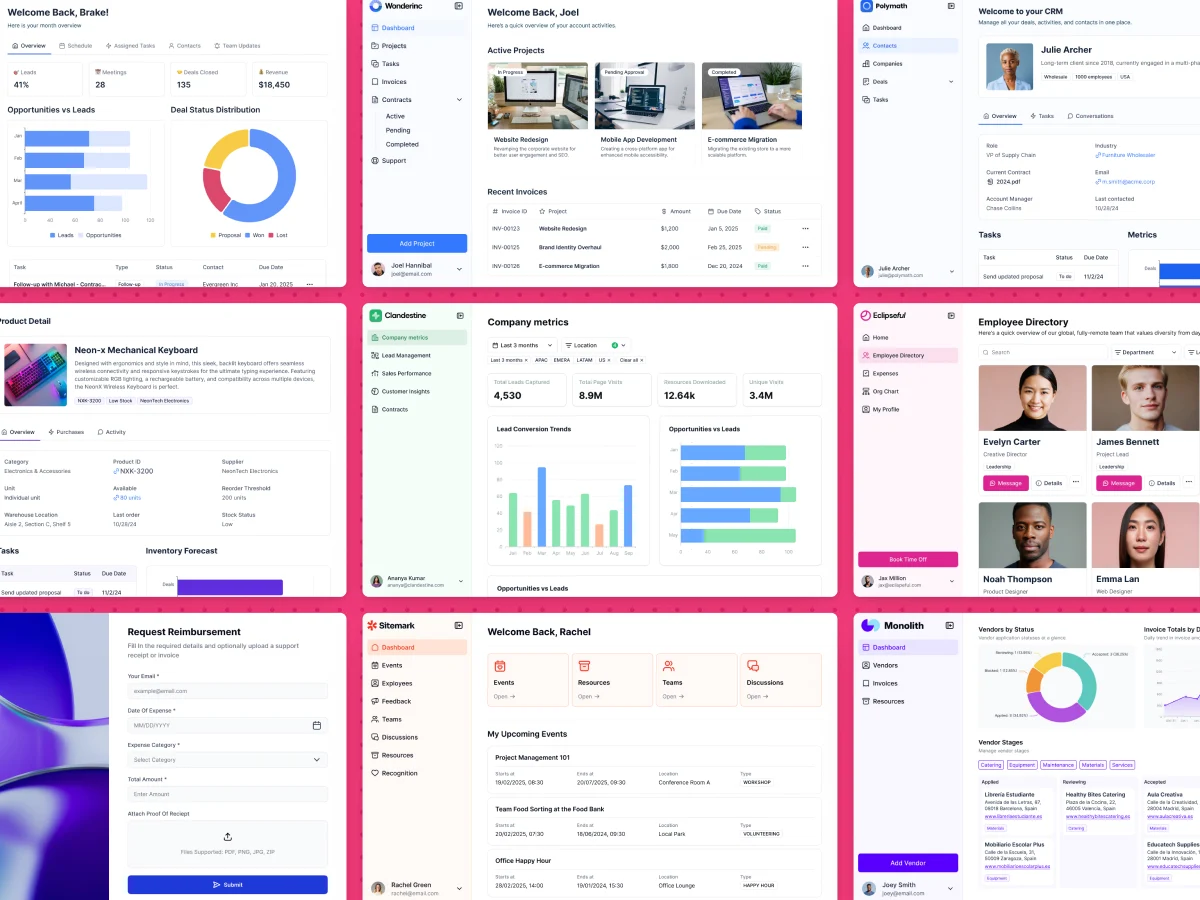
Softr lets business teams build and maintain their own apps using AI and visual tools, without relying on developers. It's particularly useful for IT teams that want to give departments more independence without losing control over security and company data. With enterprise features like workspace permissions, MFA, SSO, SCIM, and audit logs, IT can maintain oversight while teams build client portals, CRMs, internal tools, and workflows.
Best for: Building and maintaining department apps, client portals, and business workflows with centralized IT oversight.
Notable attributes
- Built-in hosting, databases, workflows, and integrations, so IT doesn't have to manage infrastructure for every app
- AI-powered app generation and visual editing let business users build and update tools without developer support
- Enterprise governance features, including workspace roles, SSO, SCIM, audit logs, and granular data permissions
Where it feels like Appian: Both platforms let organizations build business applications with centralized oversight. But Softr takes a lighter approach, helping business teams create and maintain everyday apps without the complexity of enterprise BPM.
Kissflow
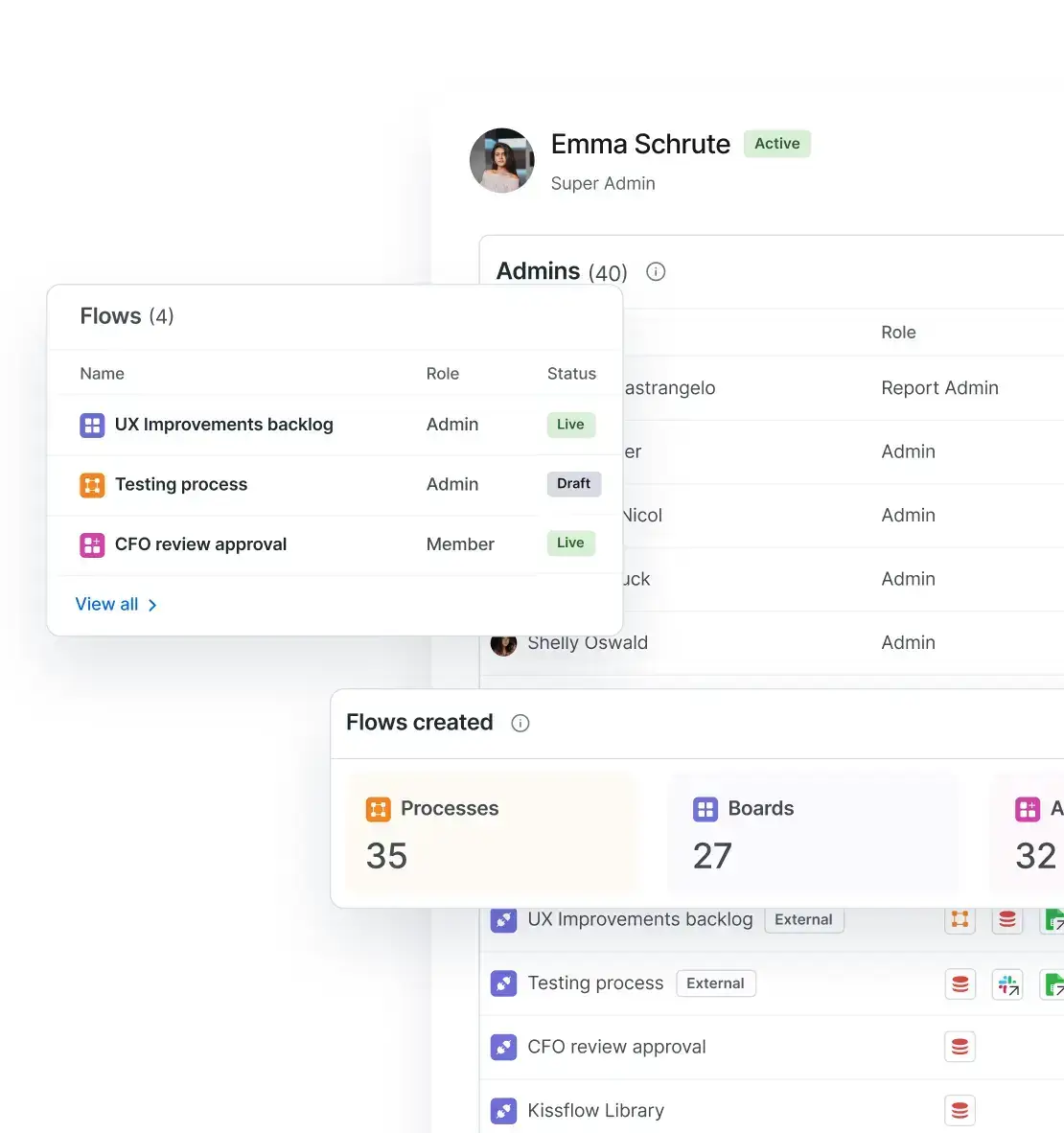
Kissflow is another no-code platform. Teams can build workflows, new apps, case management systems, and integrated processes quickly without code. It’s particularly useful for mid-market operations. Businesses at this stage often outgrow spreadsheets or repetitive processes but can’t justify investing in a full development team. That’s where Kissflow can come in. It digitizes those processes and gives IT clear oversight.
Best for: Mid-market BPM
Notable attributes
- No-code and visual designer (with templates) let business users and process owners take the gavel on app development
- Provides one workspace to create automations, project management systems, and case flows
- Admins can control what apps and automations go live, while every AI and process change tracks in the same audit log
Where it feels like Appian: Kissflow's pricing is quote-only. And like Appian, you really have to commit. Subscribers ultimately agree to fixed annual contracts with options to purchase additional services as needed.
Zoho Creator
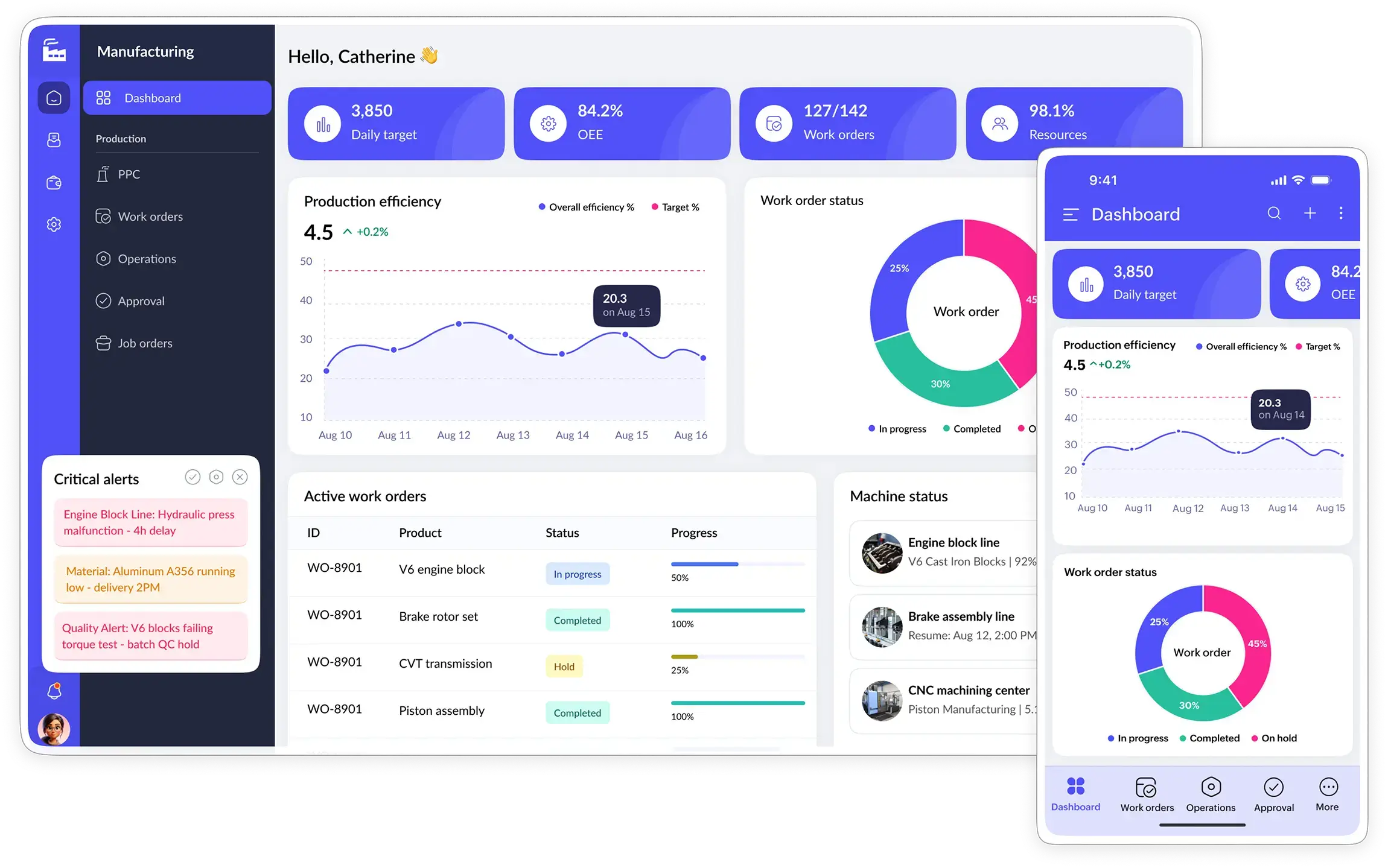
Like Microsoft, Zoho has an ecosystem of tools. There's a CRM, bookkeeping software, project tool, and a full collaboration suite. So it's an obvious choice if your small business already uses this stack. Whether it's new business apps, automations, client portals, or connections to outside tools, Zoho gives you low-code development accessible to anyone.
Best for: Low-cost app-building for SMBs already in Zoho
Notable attributes
- Inexpensive and easily integrates into the Zoho stack
- Deluge Scripting Language lets users add complex logic, automation, and APIs when visual building hits its limit
- Apps built in Zoho Creator auto-generate native iOS and Android mobile apps
Where it feels like Appian: Being in the “Lighter alternatives” section of the guide, there’s not much similarity between Appian and Zoho. If you’re evaluating Zoho at all, you’re probably a small business without complex compliance requirements that has no appetite for Appian.
Quickbase (Pave)
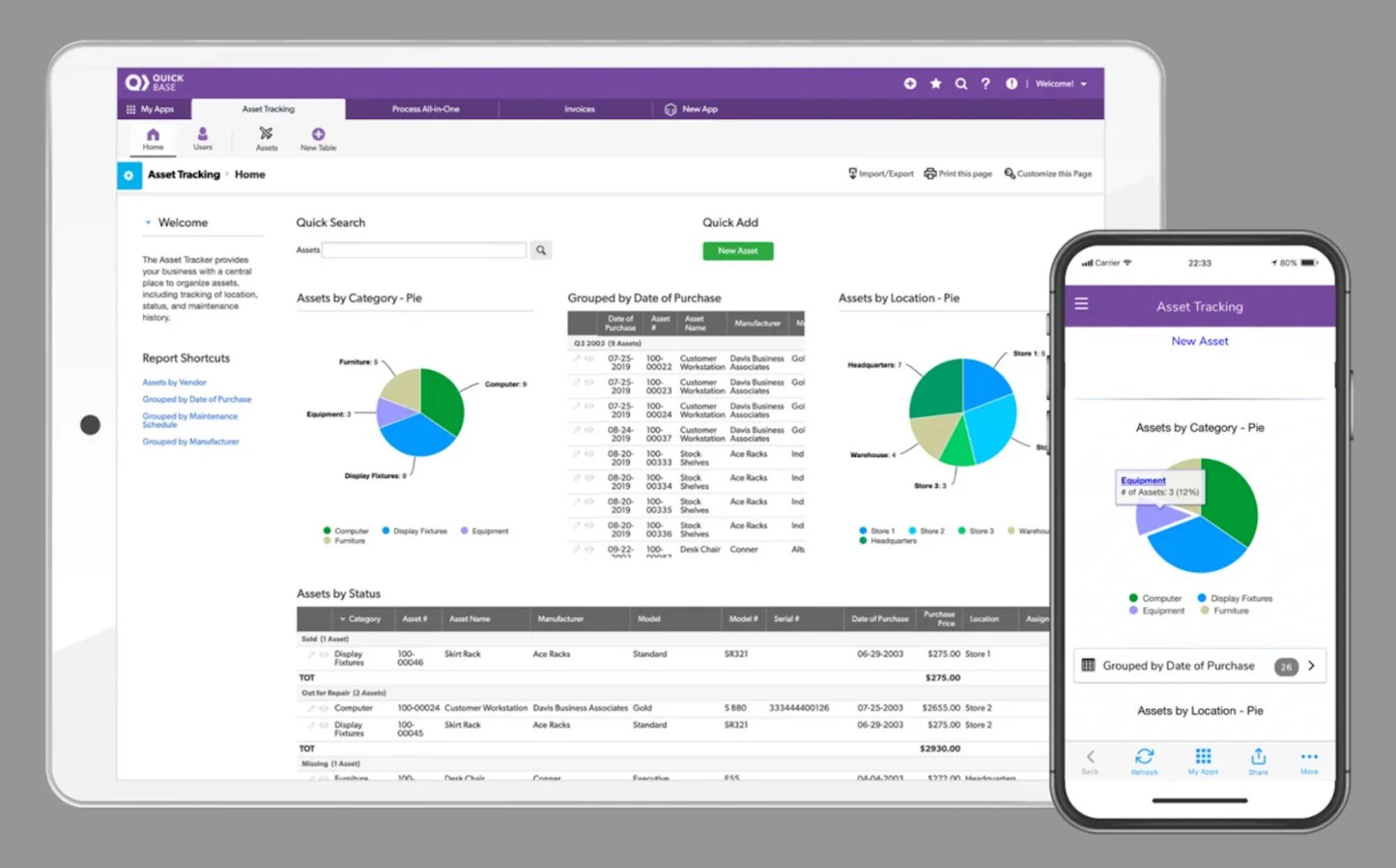
Pave by Quickbase brings a little of everything into its product. Like Softr, it has an intuitive AI app builder that creates based on what you tell it. And like Kissflow, it targets business users who need reliable apps without a developer, but with governance features that IT can live with. One standout: the visual schema and database layer. These are built-in, meaning you get a real relational data model with roles, permissions, and versioning rollback without separate steps.
Best for: Database app development
Notable attributes
- Scalable, accessible pricing with a free trial option
- AI building where you can tell it what app and conditions you need, and it generates it
- Data-focused tools like relational app building, visual schema, and fast conversion of spreadsheets to apps
Where it feels like Appian: Quickbase does offer transparent pricing until you hit the Enterprise tier. Also, some users find the initial setup and implementation complicated, echoing some of the same sentiment as Appian customers.
Comparison: who builds, cost, time to first app, governance
What only a BPM suite does
The lighter tools, while often more cost-effective and easier to use, cannot replace Appian or Pega. Here’s what you lose when you step down from a BPM suite:
- Compliance-heavy case management: Handling complex case processes (like insurance claims, healthcare patients, or credit card investigations), SLAs, and audits across multiple systems. The lighter apps can mostly handle low-stakes, simple case processing.
- RPA at scale: Appian includes RPA bots that can run hundreds or thousands of unattended tasks at once. These bots can automate repetitive case loads and data tasks, even inside systems that don’t have modern APIs.
- FedRAMP-grade processes. If you're a government agency or contractor handling sensitive data, FedRAMP authorization isn't optional. Appian has it. Most lighter tools don't.
If your needs fall into these categories, Appian or a comparable BPM suite is the right choice. If they don't, you're paying for depth you won't use.
Find the right Appian alternative for your team
The best Appian alternative depends on what you're trying to build. If you need complex case management, large-scale process automation, or strict compliance requirements, enterprise platforms like Pega, Mendix, and OutSystems are worth exploring.
But not every team needs the cost and complexity of an enterprise BPM suite. If you're looking to build internal tools, client portals, or approval workflows, a lighter platform may be a better fit.
With Softr, business teams can build and manage custom apps without relying on developers, while IT maintains control over access, permissions, and security. That means you can get the tools your team needs without paying for capabilities you won't use.
Frequently asked questions
Who are Appian's main competitors?
Are Appian and Pega the same?
Is Appian like ServiceNow?
Is Appian similar to Salesforce?
Does Appian require coding?