This Help Desk Database template tracks every customer request, interaction, and resolution in a single organized system. It eliminates the chaos of shared inboxes and manual data entry so your team can focus on solving true problems.
The template uses connected tables to link individual tickets to the requesters and their specific organizations. This relational structure means you can instantly view a client's entire support history without hunting across different tabs.
Built-in AI fields automatically route tickets to the right department, classify priority levels, and draft initial polite responses. These smart features help your support agents work faster and prioritize critical issues instantly.
Tracking customer issues in a help desk spreadsheet quickly becomes a nightmare as request volumes grow. Rows get accidentally deleted, long descriptions become impossible to read, and attaching error screenshots always breaks the layout.
A true system gives every piece of information a strict format, from dropdown statuses to dedicated attachment fields for system logs. You can link a support ticket directly to a company profile without relying on fragile VLOOKUP formulas.
This is exactly what Softr Databases are designed for. They provide a reliable foundation that scales with your support team, ensuring no customer request ever slips through the cracks.
You can centralize all client organizations, users, and ticket interactions into one reliable source of truth. Every time a new ticket is logged, the system keeps the assignee, priority, and status perfectly aligned and visible.
Because it includes Database AI agents, this template will actively perform work for you. It automatically researches client domains to tag their industry, gauges customer sentiment, and drafts replies based on the issue description.
Manage support agents and customers with contact info and ticket history
Store client company data with AI-powered industry research and SLA tiers
Track support requests using AI for priority, routing, and draft replies
Log communications with AI sentiment analysis to track ticket progress
This system is built for teams that need to streamline their support operations and improve response times.
Customize this database to match your exact support terminology and unique SLA tiers. You can easily add new custom columns or adjust the dropdown options for ticket statuses in seconds.
Bring your existing help desk spreadsheet or historical tickets right into the new system. You can bulk upload a CSV file so your team never loses important customer context from previous platforms.
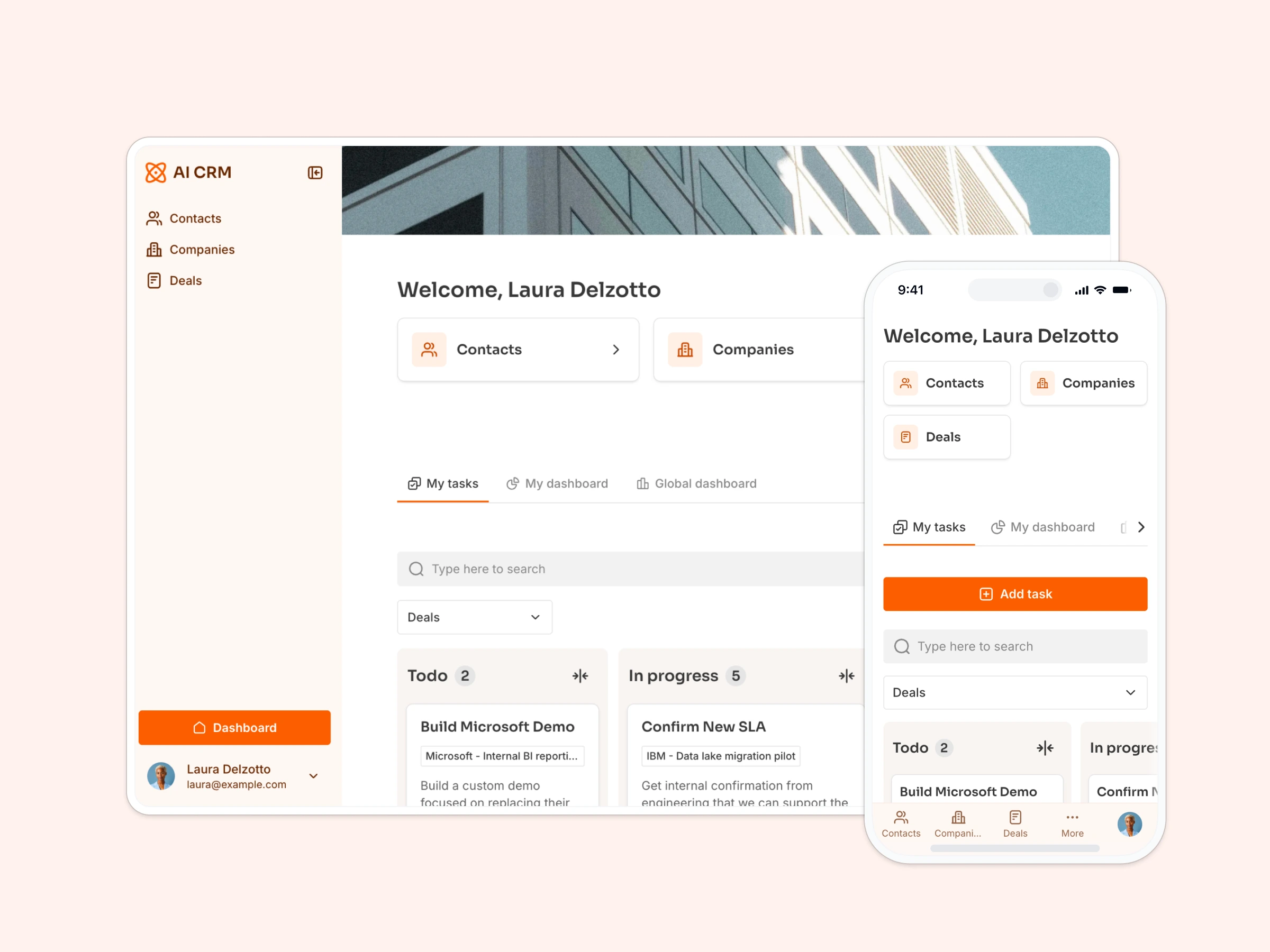
When you are ready to give customers a better experience, you can build an app directly on top of this data. This allows you to launch a self-serve client portal where users can officially log and track their own tickets in a polished, branded interface.
By leveraging native users and permissions, you can confidently ensure that clients only see their own company's requests. Starting with this well-structured database makes launching that professional portal completely effortless.
A help desk database is a structured system used to track, manage, and resolve customer support questions or internal IT requests. It centralizes tickets, user details, and communication logs so agents can organize their workload efficiently.
Using a no-code database allows you to launch a production-ready ticketing tool immediately without hiring developers. It gives your team complete autonomy to adjust workflows, add fields, and maintain the system as your support processes evolve.
AI can completely automate ticket triage by reading the request description to set the correct department and priority level. Configurable fields can also analyze the sentiment of user interactions and automatically draft initial response emails, acting as an instant assistant for your agents.
Yes, you can connect this data to an interface builder to create a fully functional customer portal or internal agent dashboard. You can enforce rules so that support agents see the entire queue while customers only have access to the specific tickets they submitted.
Yes, this template is entirely free to copy and start using right away. Databases are included in Softr's free plan, with higher-tier plans offering increased limits as your ticket volume naturally grows.
A spreadsheet quickly becomes messy when tracking complex interactions, multiple assignees, and paragraphs of text descriptions. A database enforces strict column types, allows safe file attachments, and natively connects related records—like clients and their entire ticket history—without breaking formulas.