Organize assets, manage access, and track usage in an AI-powered system built with AI to fit your team's specific content workflow.
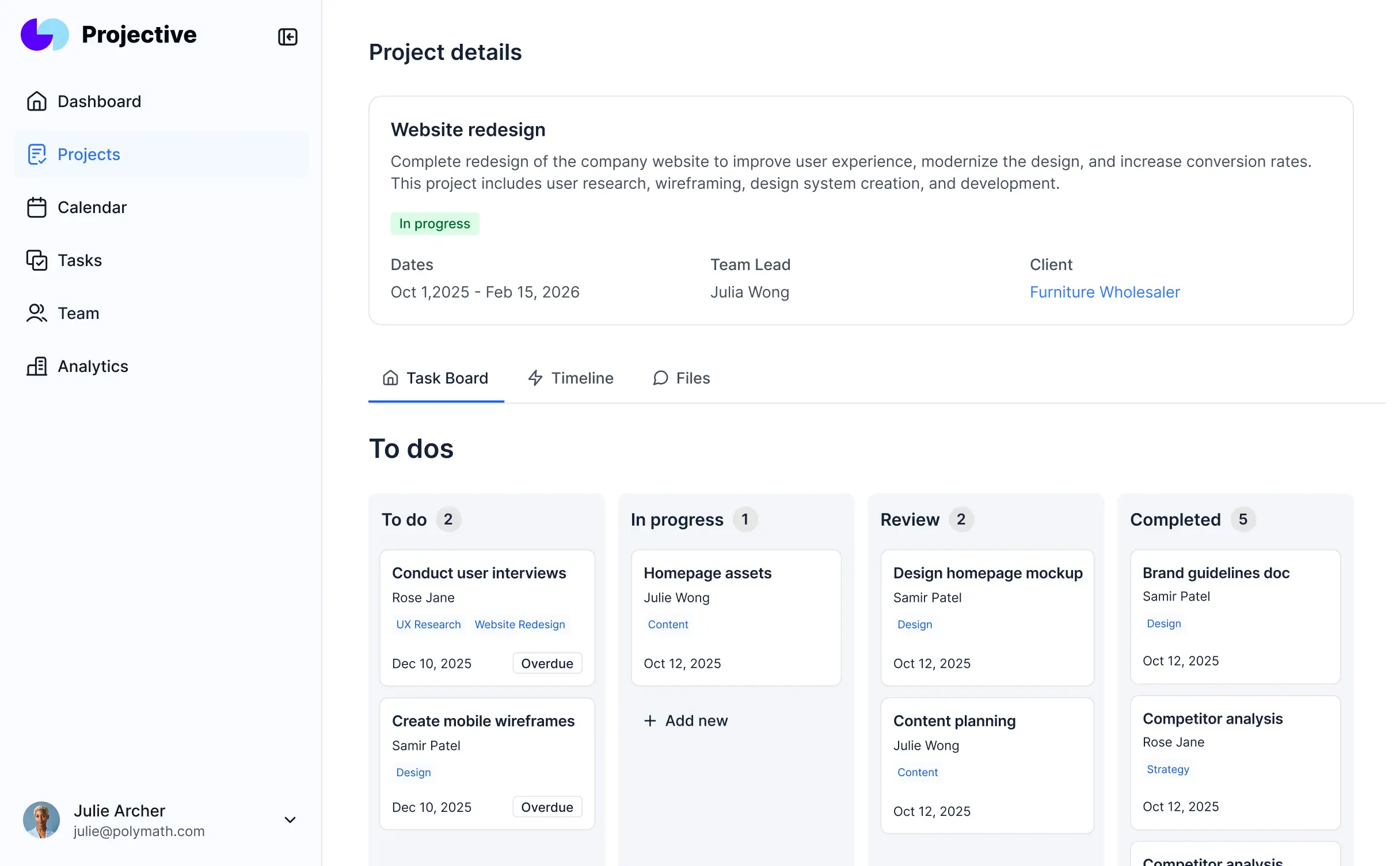



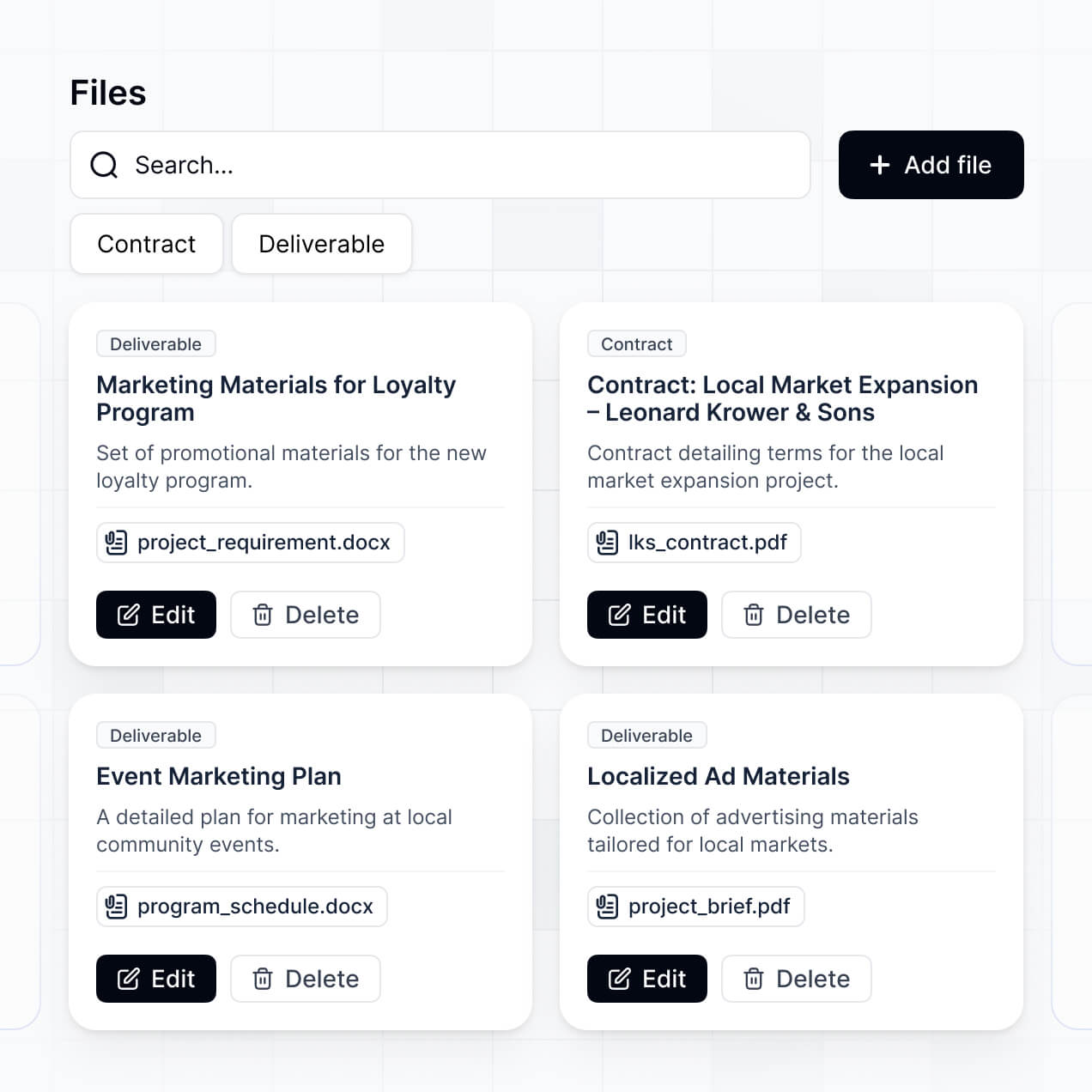
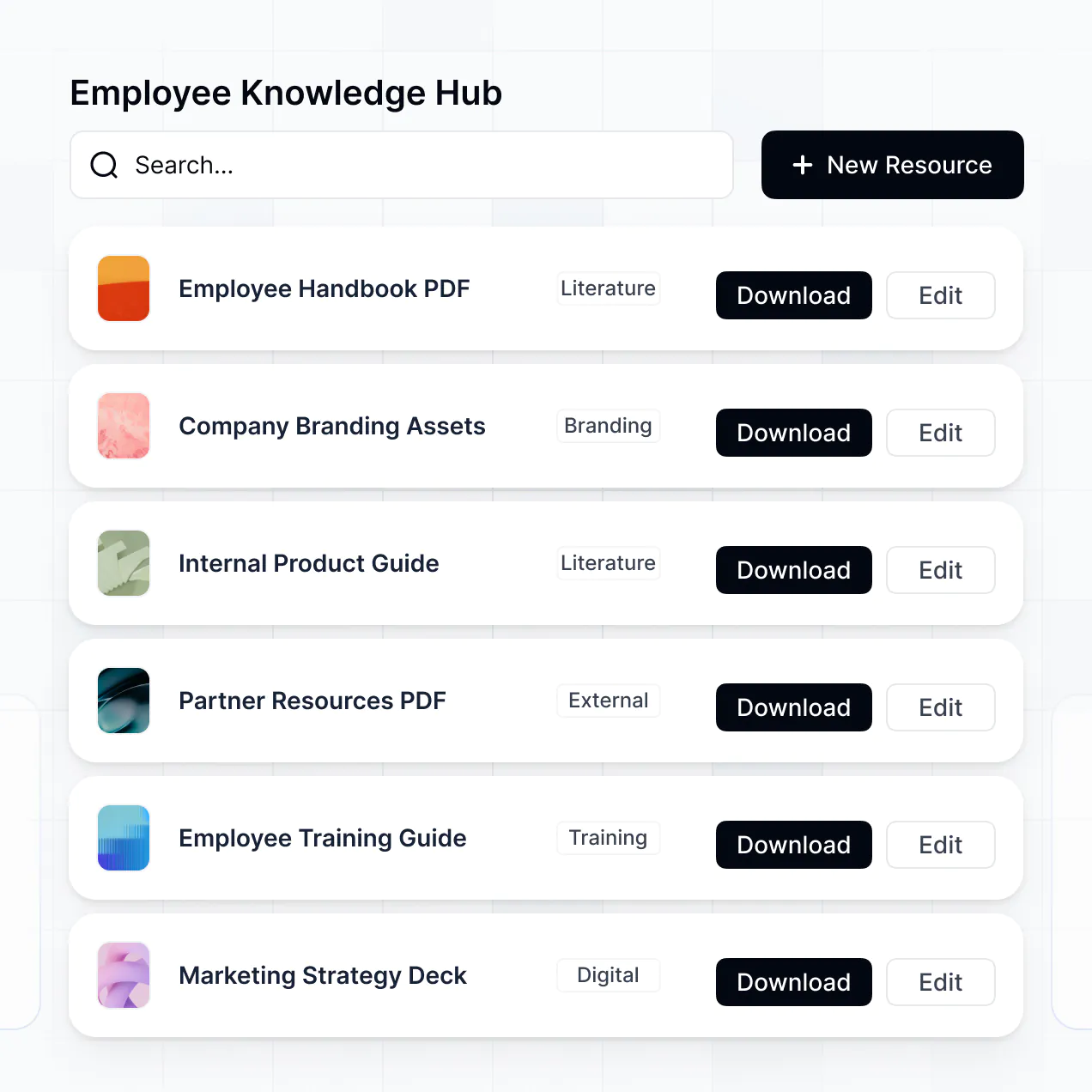
Customize a resource library organizer that looks sleek and modern. Add only the filtering and asset views you need, and iterate as your team's workflows evolve.


Connect spreadsheets, asset lists, and databases with real-time sync—or manage everything in Softr Databases. Create a single source of truth for your business library.
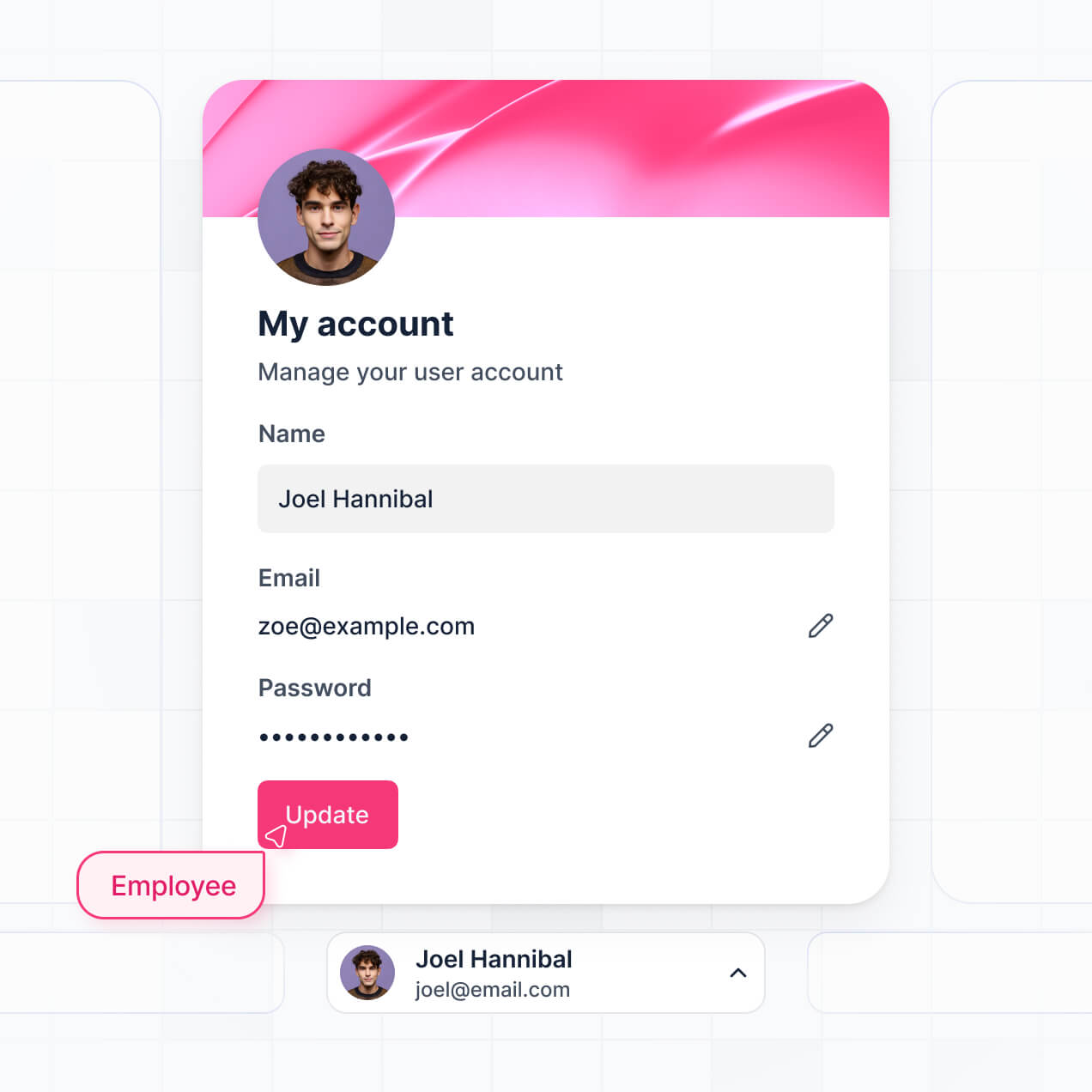
Give each teammate the right tools and access. Set up secure logins, user groups, and granular permissions—no IT support or dev work needed.
Give different team members tailored access to specific folders and dashboards, so each role sees just the resources they need.
Streamline operations with Softr Workflows. Trigger native notifications or status changes automatically whenever new assets are uploaded.
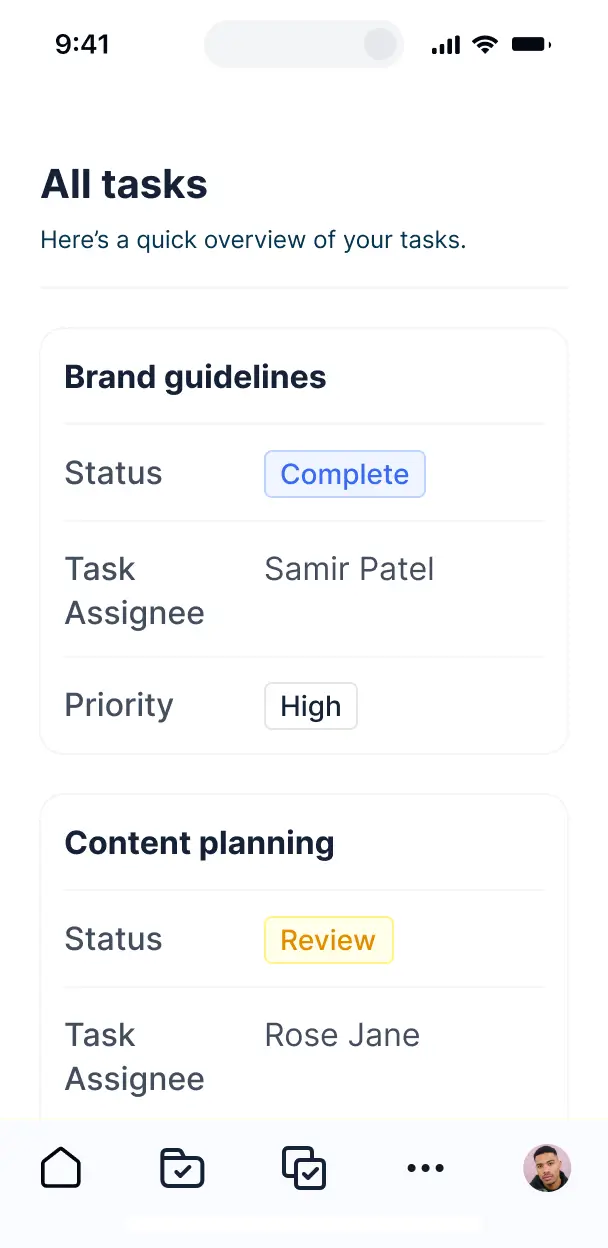
Access and update your resource library on the go. All library apps are mobile-ready and fully responsive out of the box.
Use Google, email, or SSO logins to give your team fast, secure access to your asset library—no IT tickets needed.
Keep internal documents and media safe with SOC2 and GDPR compliance, plus fine-tuned access control at every library level.
No more one-size-fits-all tools or costly custom builds. Softr is easy to use and fully customizable, so you can launch faster, adapt as you grow, and skip the complexity of traditional software.

Build your resource library organizer in minutes with AI—no manual configuration or setup required.

Add features like usage analytics, role-based access, or automated summaries as your content library grows.

Start with a library, then add training portals, internal dashboards, or request forms—all in one place.
Co-build with AI
Simply describe what you need. Let Softr handle everything - Interface, database, workflows.
Iterate with AI or visually
Control most critical parts of your app yourself - roles, permissions, security.
Ship the same day
Invite team members or external clients and partners right away. No developer handover.
Use drag-and-drop blocks to build a portal that looks sleek and modern out of the box. Add only the features you need, and iterate as your workflows evolve.




A resource library organizer is a centralized, digital repository where your team or community can store, search, and access important assets like whitepapers, brand guidelines, training videos, and templates. It replaces fragmented storage systems like scattered folders and drive links, ensuring that everyone can find the exact file or link they need through structured categories and tags. This makes it easier to manage knowledge and provides a professional, branded interface for your internal staff or external partners.
Softr is the first AI-native platform for building business software, making it the ideal choice for creating a resource library organizer that fits your specific content structure. You can describe your specific needs—such as categorizing media files or managing academic research—to the AI Co-Builder to instantly generate your database, library pages, and filtering logic already connected and secure.
You don't need to code anything. You can start by generating with AI, using a curated library template, or building from scratch. Everything runs on Softr Databases, or you can sync your existing asset lists from Airtable, Google Sheets, HubSpot, and more. You have full control to adjust the catalog layout visually, decide which user groups can download specific assets, and brand the library to match your organization. It's quick to launch, simple to update as your collection grows, and flexible enough to scale with thousands of resources.
You can include a wide range of features in your resource library organizer tailored to how your users consume content. A great resource management app usually mixes functional asset blocks with AI-powered intelligence:
- AI-Powered Intelligence – Use Ask AI to let users query your library for specific topics conversationally, or set up Database AI Agents to automatically generate summaries or extract keywords from uploaded PDFs and articles.
- Vibe Coding Blocks – Build custom UI elements—like a dynamic interactive video player or a custom document previewer—using the AI Code block to "vibe code" exactly what your library needs.
- Softr Workflows – Build native automations (like an automatic email notification when a new resource is added to a followed category) that trigger whenever a record is updated.
- User Portals & Logins – Securely manage access so premium members see different assets than free users, or employees see internal-only documentation.
- Forms & Data Collection – Enable contributors to submit new resources through custom upload forms with automated review cycles.
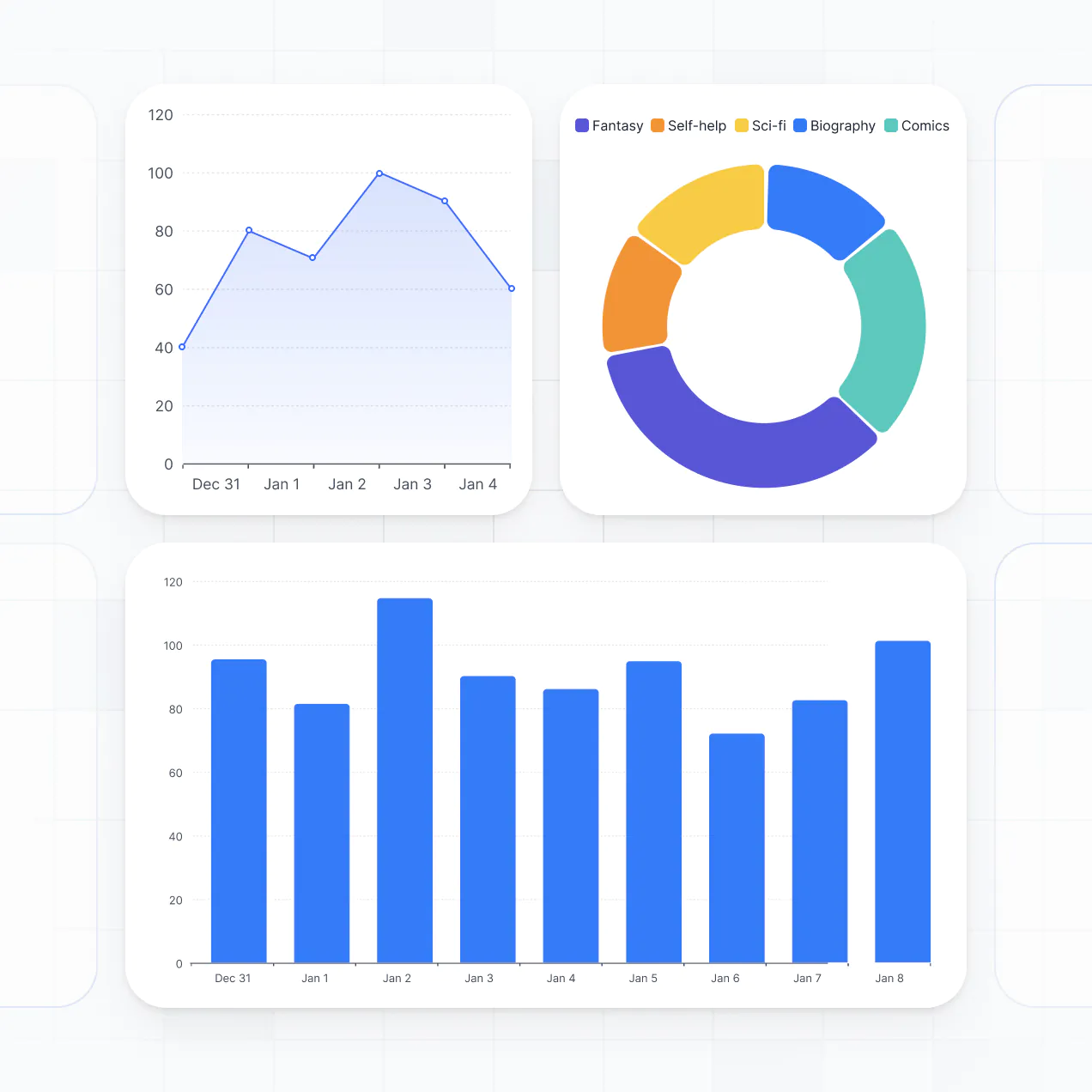
- Dashboards & Charts – Visualize your library's performance, such as most-downloaded assets or common search terms, with real-time analytics.
- Lists & Advanced Filtering – Organize assets with searchable tables, grid view galleries, and multi-select filters for categories, formats, and tags.
Everything is built using Softr's drag-and-drop blocks, so you can create these features without writing code. Need something specific like a custom rating system? Use the Vibe Coding block to generate it with AI.
Vibe coding is all about moving fast and using AI to build the exact asset management experience you need. You can "vibe code" a resource library organizer in Softr by simply describing your requirements—like "an educational hub with video sorting and student progress tracking"—to the AI Co-Builder. Softr then generates a production-ready library on top of a stable, secure foundation.
Unlike other tools that just generate raw, fragile code that breaks when you add files, Softr handles the "boring 80%"—like file storage logic, user authentication, and permission-based access—natively. This means you get the speed of vibe coding without the headache of managing custom code for every new resource category. You describe the library structure, Softr builds it, and it’s ready for your users to start searching instantly.
Yes. You can manage multiple departments, client groups, or membership tiers in a single resource library. Each user only sees the specific resources, folders, and assets assigned to their role or permission level. This is perfect for organizations that need a universal hub where Marketing sees brand assets, Sales sees pitch decks, and HR sees policy documents—all without cross-contaminating data.
Yes, you can. You don't need an existing database to start building with Softr. If you're starting from scratch, you can use Softr Databases to store your resource titles, file attachments, and metadata, which integrates perfectly with the library application you build.
But if you already have your list of assets in tools like Airtable, Google Sheets, HubSpot, Notion, or SQL, you can connect those as your live data source. You can even use the REST API to pull in resources from external DAM or CMS systems. Either way, you have full control over how your resources are categorized and displayed for the end-user.
Softr Databases is the recommended native, relational data source for your resource library organizer. It is built explicitly for business apps, offering the highest performance for loading large catalogs and instant triggers for when new files are uploaded.
If your resources are stored elsewhere, Softr also connects to 17+ external data sources. You can link to Airtable for complex tagging, Google Sheets for simple lists, or use BigQuery for massive data sets. You can even combine sources—storing the main library in Softr Databases while pulling user-specific notes from HubSpot. Most sources support real-time, two-way sync, so adding a resource to your sheet update the library automatically.
Yes, Softr gives you full control over how users navigate your resource library organizer. You can customize the layout, sidebar navigation, and search filters to match your exact content hierarchy. Each category or asset block can be shown or hidden based on who's logged in, ensuring users only see materials relevant to their specialized role.
You can also set up different user roles—such as Contributor, Moderator, or Reader—and define who can upload files, edit metadata, or simply view links. For example, guests might see only public webinars, while logged-in members see the full technical documentation. You can also create "My Favorites" views by filtering the data based on the logged-in user's interactions.
This level of customization is especially useful when managing a high volume of diverse resources, keeping the interface clean and secure for every stakeholder.
Yes, you can fully white-label your resource library organizer in Softr. You can use your own logo, brand typography, and custom domain (e.g., library.yourcompany.com) to ensure the experience feels like a native part of your brand. You can also remove all Softr branding so that members or employees only interact with your organization's unique visual identity.
Yes, you can. Softr gives you extensive flexibility to control the visual flow of your resource hub. You can adjust colors, spacing, and grid structures to ensure your assets are easy to browse. You can choose different layouts for different types of content and set specific visibility rules for each section.
To organize your assets, you can use specialized blocks:
- Table blocks – for technical specifications or file inventories
- List or Card blocks – to show resource previews, thumbnails, and descriptions visually
- Detail View – to provide a dedicated page for a single resource with download links and long-form descriptions
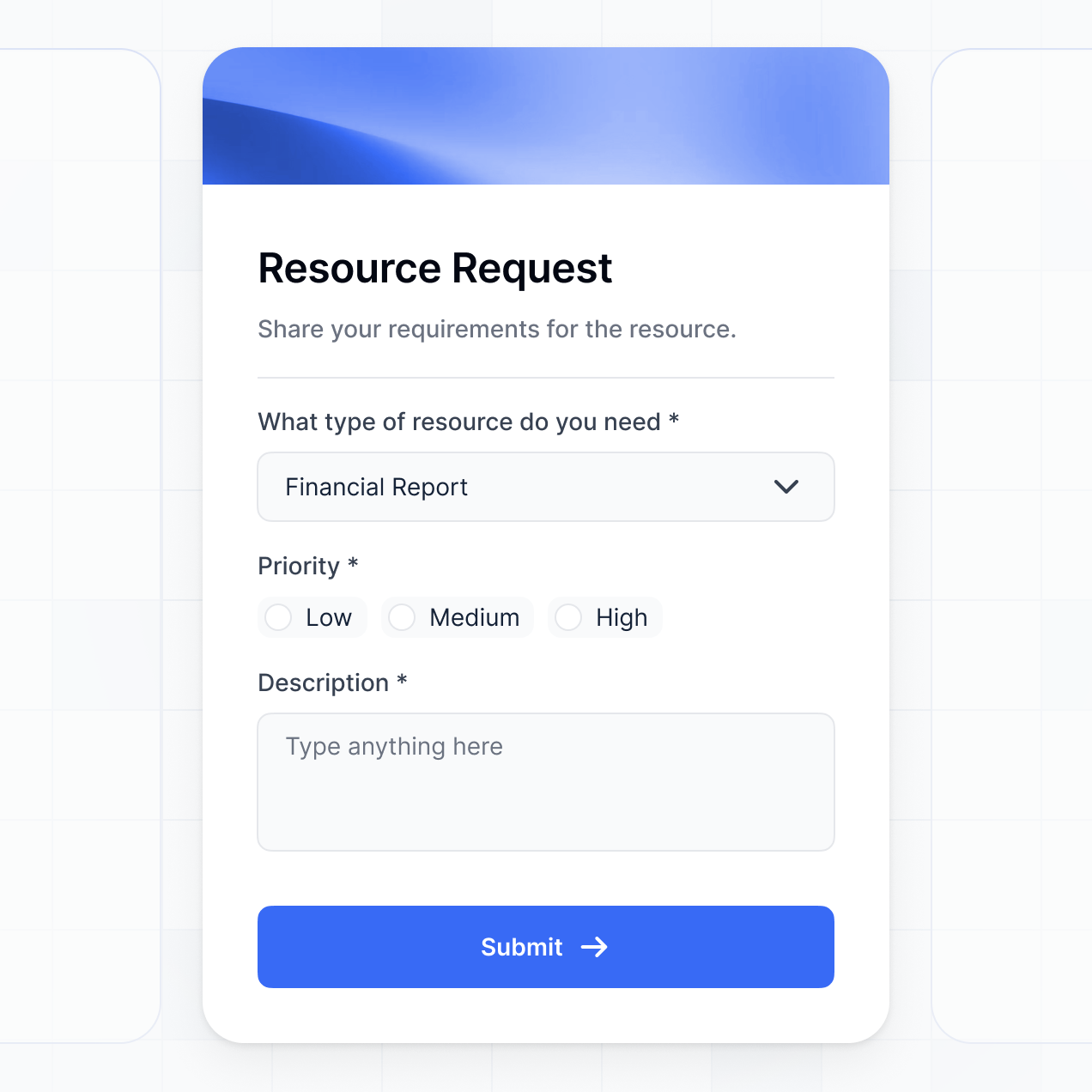
- Forms – to allow users to submit requests or upload new content
- Charts – to show the growth of the library or popular categories
- Calendar blocks – to display scheduled content releases or training dates
Updates are simple to make in the visual builder whenever your content strategy evolves.
Softr is built with enterprise-grade security to protect your intellectual property. All resource data is encrypted in transit and at rest. Your library gives you granular control over asset access; you can set role-based permissions at the record level, ensuring that internal documents aren't accessible to external users.
For libraries using Softr Databases, your data is stored in a secure environment with SOC 2 Type II compliance and hosting in Europe. If you connect external tools like Airtable or SQL, Softr serves as a secure presentation layer and does not store your files on its own servers beyond caching for performance. You manage the source of truth, and Softr ensures only authenticated users with the right permissions can view or edit it.
It is fully production-ready. Unlike many AI tools that strictly "vibe code" fragile web pages, Softr builds your resource library organizer on a stable, scalable business foundation.
We handle the critical infrastructure—like secure file hosting, user authentication for your members, and complex relational data linking—natively. This prevents the "Day Two" maintenance trap: you get the speed of an AI-generated prototype with the durability of a professional software application. Your resource library is ready to handle real users and large file volumes from day one.
Softr is the first AI-native platform for building business software, differentiating it from traditional site builders that lack database depth. Unlike pure code generation tools that create hard-to-fix assets, Softr's AI Co-Builder creates your library on a managed, secure foundation.
The hybrid advantage is key: you can use AI to build the library structure and categorization logic in minutes, then use the visual drag-and-drop editor for fine-tuning. You benefit from built-in business features like advanced user roles and permissions that simple website builders don't offer. It’s designed for teams who need a professional resource management system without the overhead of a custom-coded DAM.
Yes. Softr supports powerful native workflows and integrations to connect your resource library organizer to your existing tech stack. You can automate processes using Softr Workflows—for example, automatically archiving a resource when it hits an expiration date—or sync with tools like Stripe for paid access to content. Softr also supports webhooks and the REST API for advanced automation.
Whether you need to notify a Slack channel when new training material is added or trigger a document signature workflow via an external integration, you can build these actions directly into your library interface without writing code.
Describe what you need. Softr's AI builds it in minutes. Get started free—no setup time, no dev needed.