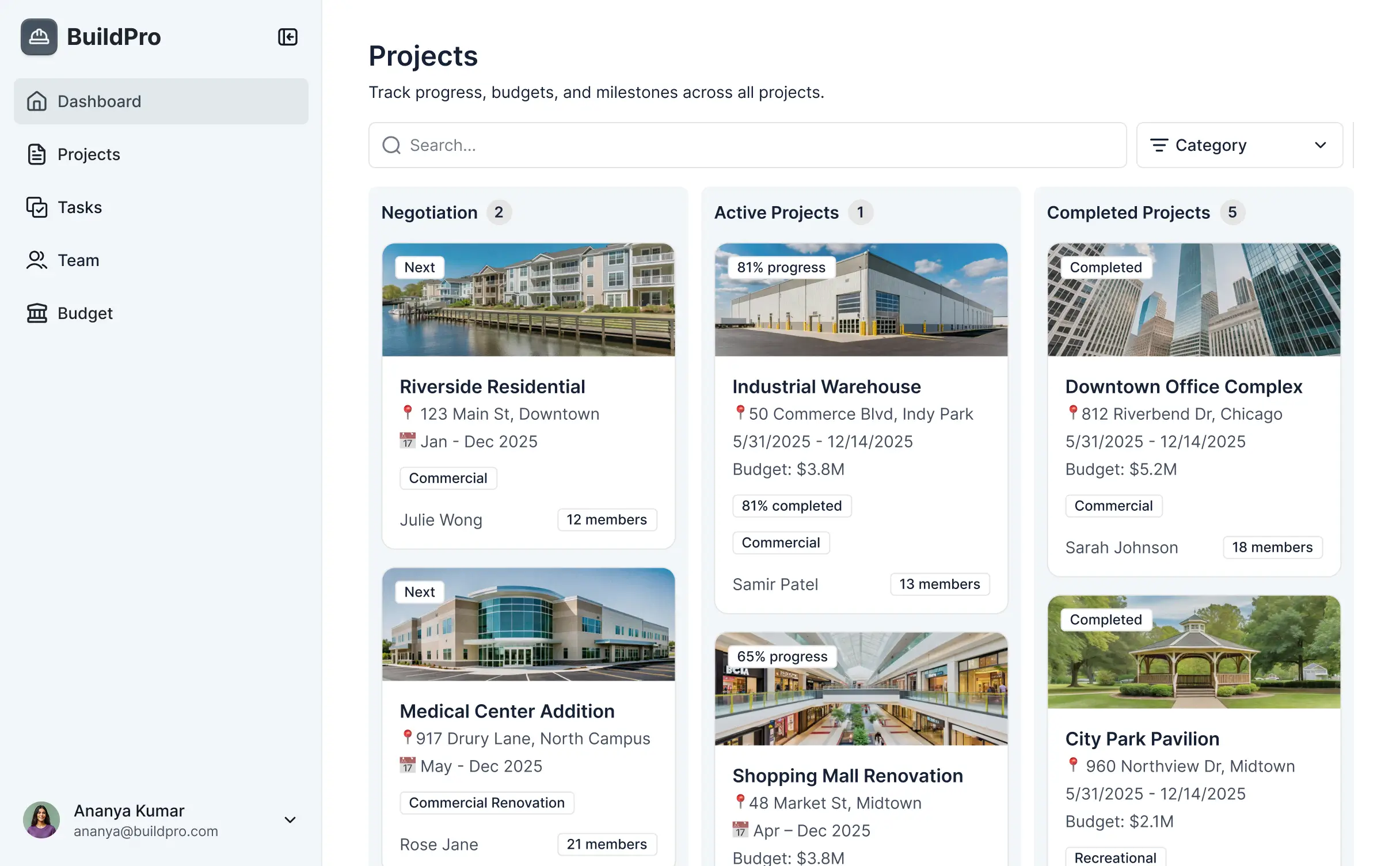
Streamline project management, resource allocation, and team collaboration with a custom ERP tailored to your architecture practice.


Design an ERP that matches the way your architecture team works. Add only the features and views you need, and adapt as your projects evolve.
Connect spreadsheets, design software, and project management tools with real-time sync—or manage everything in Softr Databases. Create a single source of truth for your architecture projects.
Empower your architecture team with tailored access and tools. Set secure logins, user groups, and permissions for project management—no IT help needed.
Give team members custom dashboards—let designers, engineers, and management see only their relevant information.
Integrate your ERP with tools like Make or Zapier to automate project updates, resource planning, and reporting.
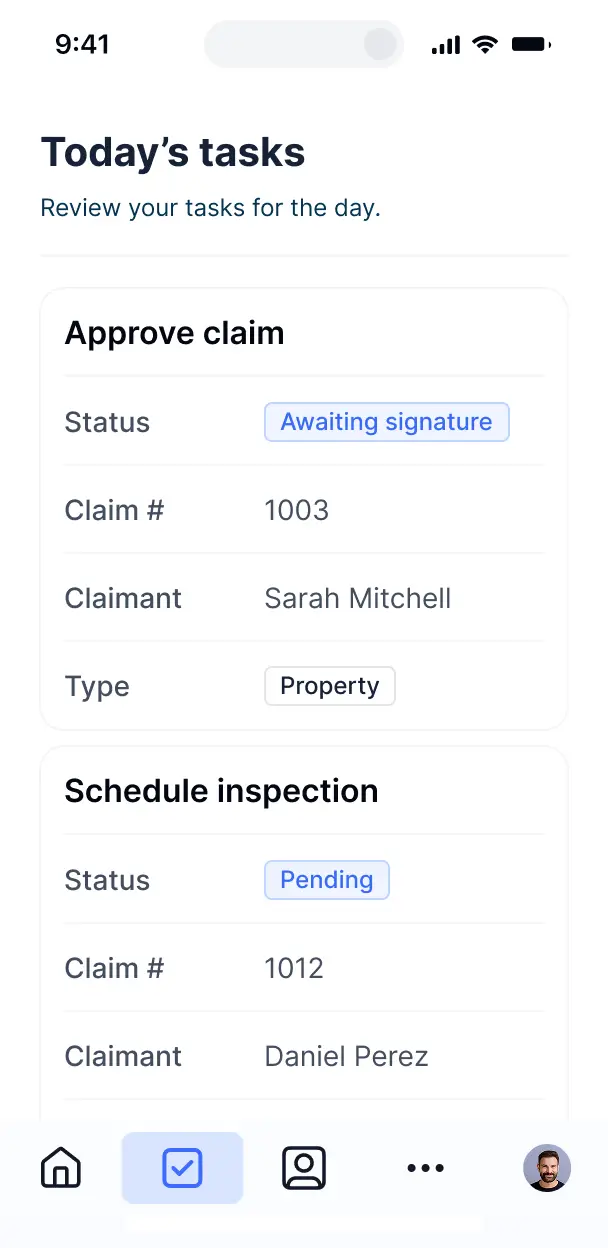
Your ERP works seamlessly on any device. Update project details or review blueprints from the office or job site.
Enable secure access for your team using Google, email, or SSO logins—no extra IT resources required.
Protect sensitive architectural project data with SOC2 and GDPR compliance and robust access controls.
Architects can ask AI about projects, resources, or finances—getting quick answers right inside your ERP system from Softr.
No more one-size-fits-all tools or costly custom builds. Softr is easy to use and fully customizable, so you can launch faster, adapt as you grow, and skip the complexity of traditional software.
Set up your architecture ERP in minutes with drag-and-drop blocks and project-ready templates.
Add modules for resource planning, timesheets, or project tracking as your firm evolves.
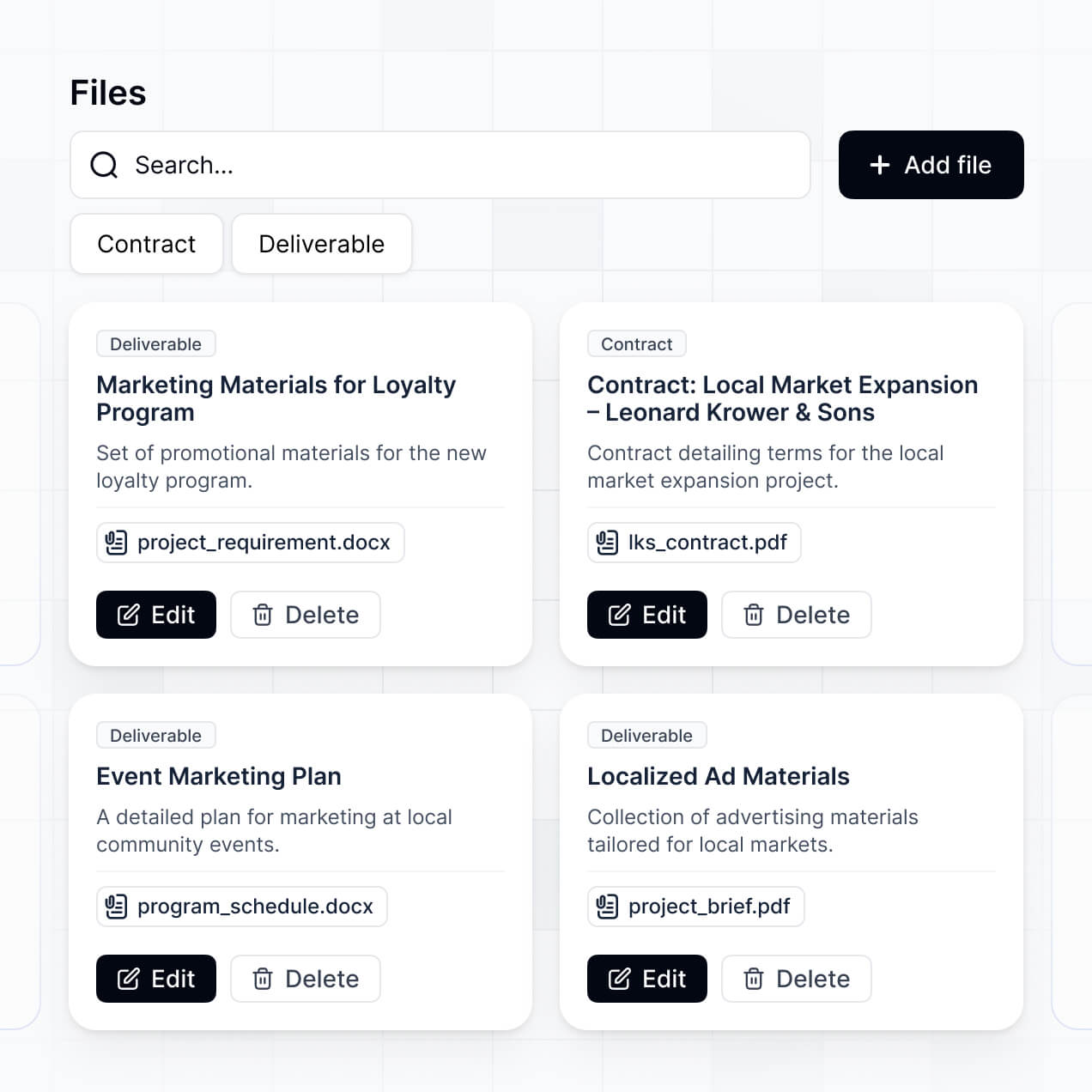
Manage projects, clients, and documents in one place—no extra tools or licenses needed.
Integrate with your spreadsheets and databases, including Airtable, SQL, Hubspot, Google Sheets, Supabase, BigQuery, and more—in just a few clicks. Your data is always secure and in sync.
Drag and drop customizable building blocks with various views and functionalities. Granular permissions allow you to control what data each user can access, and which actions they can take.
Ship applications that your team will love in minutes or hours, instead of days or weeks. Deploy on both desktop and mobile.


An ERP for architects is a centralized system designed specifically for architecture firms to manage projects, resources, clients, and documents all in one place. It streamlines workflows by enabling your team to track project progress, manage finances, assign resources, and communicate with clients—all from a single platform. This helps keep your architectural projects organized, on schedule, and ensures nothing falls through the cracks.
Softr makes it easy to build an ERP tailored to how your architecture firm operates. You can connect your existing project data from sources like Airtable, Hubspot, Notion, or monday.com, and create a platform where your team can manage project details, timelines, budgets, resource assignments, and client communications, all in one place.
You don’t need to code anything. You can start with a template or build your ERP from scratch, customize layouts, set up permissions for different team members and clients, and brand it to match your firm’s identity. It’s quick to launch, easy to maintain, and flexible enough to adapt as your firm grows or your processes change.
You can include a wide range of features in your ERP for architects, depending on how your firm works. Some popular options are:
\- User logins – so each architect, project manager, or client can access their own dashboards
\- Custom dashboards – to show project status, deadlines, budgets, and resource allocation
\- Forms – for submitting project briefs, change requests, or client feedback
\- File sharing – for uploading and downloading architectural drawings, contracts, or project documents
\- Search and filters – to help your team quickly find project files, contacts, or tasks
\- Tables, lists, and detail views – to track project milestones, tasks, or client communications
\- Comments or status updates – to keep all discussions around a project in one place
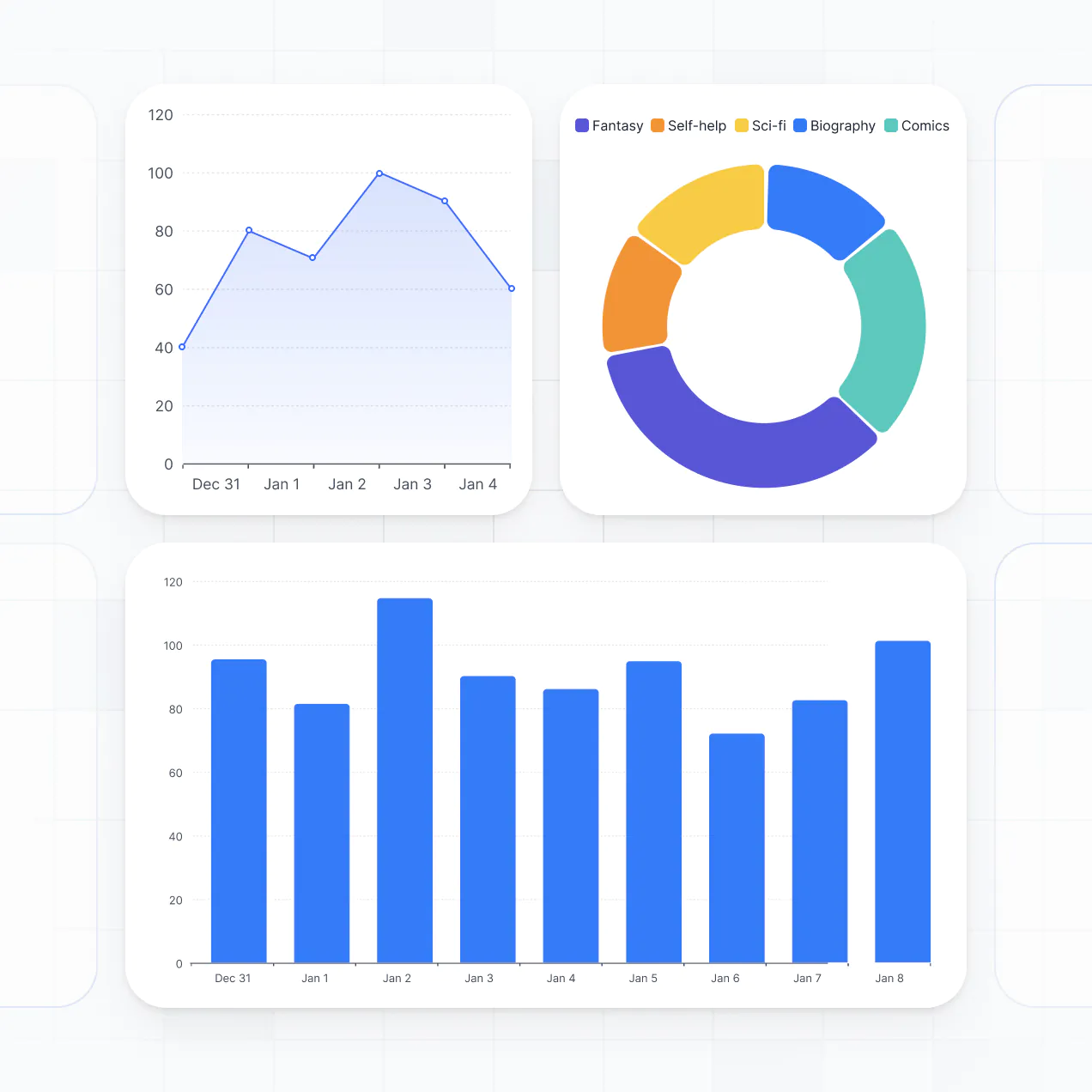
\- Charts – to visualize project timelines, resource usage, or financials
\- Calendar view – for project deadlines, meetings, or key events
\- Permissions and roles – so team members and clients only see relevant information
You can set all this up using Softr’s drag-and-drop tools—no coding needed. And if your process changes, you can easily update your ERP later.
No coding is required. You can build your ERP for architects entirely with Softr’s visual editor. Everything from the layout to user permissions can be customized without writing a single line of code.
Yes. You can manage multiple clients or project teams in a single ERP for architects portal. Each user only sees the projects, documents, and data assigned to them, based on their login and role. This is especially useful for architecture firms handling several clients, consultants, or internal teams at once.
Softr supports a wide range of data sources. For your ERP for architects, you can connect to Airtable, Google Sheets, Notion, Coda, monday.com, HubSpot, Clickup, Xano, Supabase, PostgreSQL, MySQL, SQL Server, MariaDB, BigQuery, and more. You can also bring in architectural project data from other sources using the REST API.
You can integrate multiple data sources into the same ERP application, allowing you to display and manage projects, clients, and resources from different platforms in one place. Most sources support real-time, two-way sync, so updates in your ERP or the data source stay in sync automatically.
Yes, Softr gives you full control over how users experience your ERP for architects. You can customize the layout, navigation, and content to match your firm’s branding and workflow processes. Each page or section can be shown or hidden based on the role or project assignment of the logged-in user, so every architect, project manager, or client only sees information relevant to them.
You can also set up different user roles, such as architect, project manager, client, or admin—and define exactly what each role can view or edit. For example, clients can see only their own project progress, while internal staff can manage all project records. You can create personalized dashboards or project views by filtering data based on the user’s role or assignments.
This level of customization is especially valuable when managing multiple projects, clients, or teams within your ERP for architects, keeping everything organized, secure, and tailored to each user’s needs.
Yes, you can. You don’t need to have your project or client data in another system to start building your ERP for architects with Softr. If you’re starting from scratch, you can use Softr Databases, which is built into the platform and integrates seamlessly with your architectural workflows.
If you already have project data in tools like Airtable, Google Sheets, HubSpot, Notion, Coda, monday.com, Supabase, or SQL, you can connect those as well. Softr also supports REST API connectors for bringing data from other sources. Either way, you have full control over how your architectural project data is organized and displayed.
Yes, you can fully white-label your erp for architects in Softr. You can use your own logo, firm colors, fonts, and custom domain to make the ERP feel like a seamless extension of your architectural practice. You can also remove all Softr branding, so your team and project stakeholders only see your firm’s identity throughout the experience.
Yes, you can. Softr gives you a lot of flexibility to control both the design and layout of your erp for architects. You can adjust colors, fonts, spacing, and page structure to match your firm’s brand. You can also configure how each dashboard or module is organized, decide which blocks to display, and set what different user roles (like architects, project managers, or clients) see when they log in.
To organize your project data, you can add different types of blocks depending on your workflow:
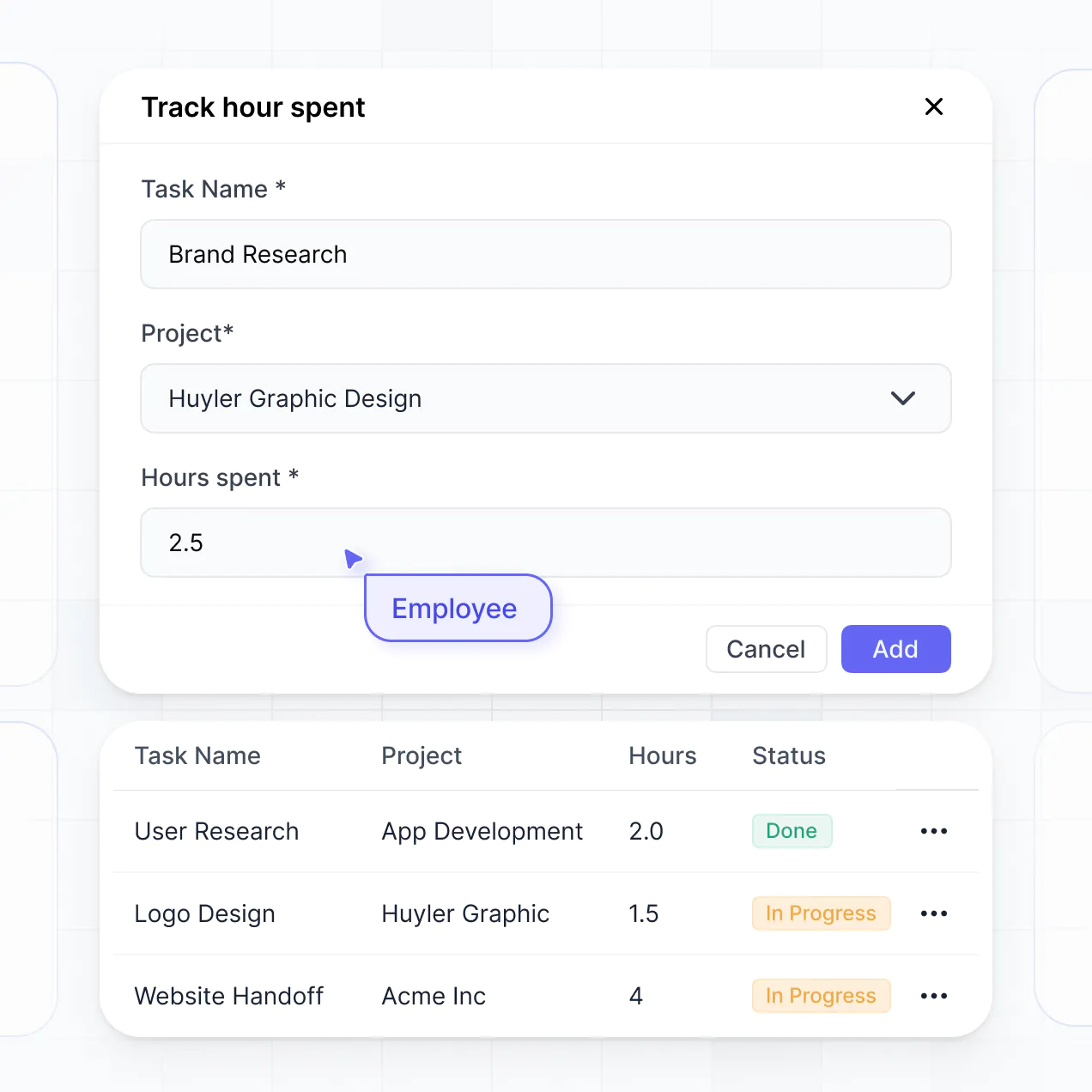
\- Table blocks – for project lists, timesheets, budgets, or resource schedules
\- List or Card blocks – to showcase project phases, team members, or contacts
\- Detail View – to focus on one project or task at a time
\- Forms – for submitting RFIs, timesheets, or change requests
\- Charts – to visualize budgets, timelines, or resource allocation
\- Calendar blocks – for tracking key project milestones or meetings
If your needs change, you can easily update your ERP’s layout and content using Softr’s visual builder.
Softr is built with security in mind. All data is encrypted in transit (TLS) and at rest, and your erp for architects is hosted on secure, reliable infrastructure. Softr also gives you full control over who can view or edit each part of your ERP. You can set up role-based permissions for your team, external collaborators, and clients; manage users directly within your data source; set visibility rules; and apply global restrictions to protect confidential project data across your entire system.
For ERPs connected to external data sources like Airtable, Notion, or SQL, Softr doesn’t store your architectural data—it just displays it in real time based on your access settings. You remain in control of your data and access at all times.
Softr follows industry best practices for authentication, access control, and platform monitoring to help keep your information secure.
You can get started for free. Softr’s Free plan lets you publish one app with up to 10 users and 2 user groups, and includes support for all standard data sources like Softr Databases, Airtable, Google Sheets, and more.
If your erp for architects needs to support more users, additional modules, or advanced features, you can explore their paid plans for more flexibility and scalability: <http://softr.io/pricing>
Softr is built to make it easy for teams to create fully functional, user-facing apps—like erp systems for architects, project management platforms, and collaboration tools—without needing to write code or hire developers. What sets Softr apart is how quickly you can turn your architecture firm’s requirements into a working ERP, and how seamlessly it integrates with your existing data sources.
Unlike some no-code tools that focus on mobile apps (like Glide) or are more dev-focused (like Retool), Softr is designed for non-technical teams who want full control over their system’s structure, user experience, and permissions. You can build on top of real-time data from Airtable, Google Sheets, Softr Databases, or SQL, and create secure, branded ERPs that your architects, project managers, and clients can access.
Everything is customizable visually—from design and modules to user access. And since Softr includes user roles, forms, logic, and API support out of the box, you won’t need to manage multiple platforms to build a polished ERP for your firm.
Yes. Softr supports a wide range of integrations, so you can connect your erp for architects with the rest of your software stack. You can sync with tools like Stripe for payments, send notifications or updates through Slack, and automate routine tasks using Zapier, Make, or N8N. Softr also supports REST API and webhooks for more advanced automation.
Whether you need to send project data to accounting systems, trigger workflows when tasks are completed, or display information from other architectural tools, you can build these automations right into your ERP—no coding required.