



Softr vs. Base44
Is Base44 giving you unreliable results? Try Softr, the fastest way to build production-ready business apps without code.
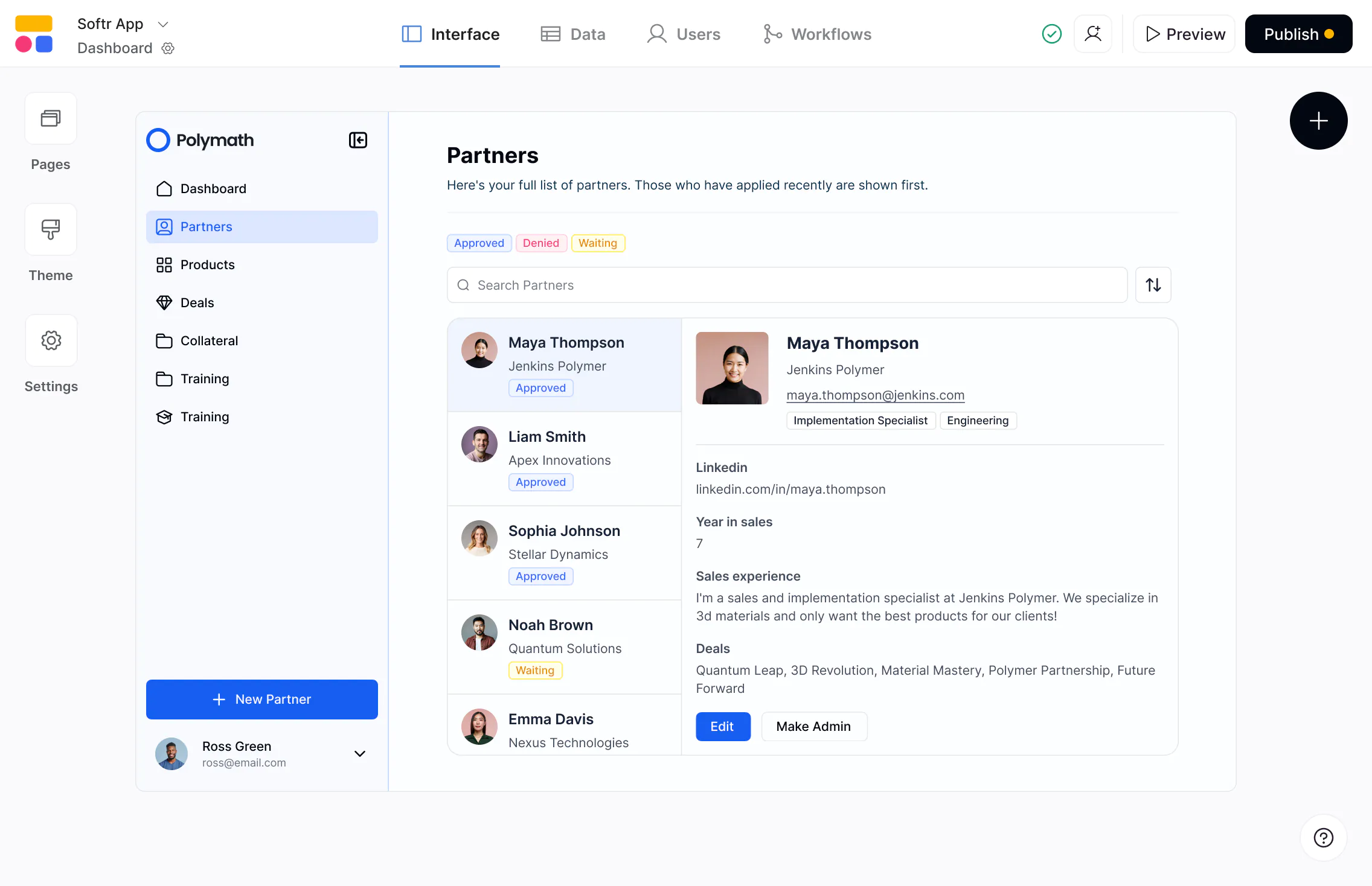










The #1 Base44 alternative for production-ready apps
Build business apps with built-in databases, workflows, and AI—all easy to maintain and iterate on as your business grows.

A proven, full-stack platform for business apps.
Base44 is best for quick apps with simple logic. Softr pairs AI app building with user authentication, permissions, workflows, and structured data—so teams can build and run apps that power real business operations, not just prototypes.

Flexible data integrations to fit your business.
Base44 locks your data into its managed database with limited integration flexibility. Softr offers a native relational database plus 17+ integrations, so apps work smoothly with your existing systems.

Predictable pricing with more control.
Base44’s credit system can make costs hard to forecast as teams iterate or troubleshoot. Softr offers flat, transparent pricing—so teams can ship, refine, and scale apps without worrying about credit burn.

Why businesses are choosing Softr over Base44
Generate full apps and customize every detail visually. Add only the features you need, and iterate as your workflows evolve.
An AI app builder teams can rely on
Base44 is optimized for fast generation, but apps can become harder to trust as complexity grows. Softr combines AI app building with security and structured data—so teams can run apps that support daily operations, not just prototyping.
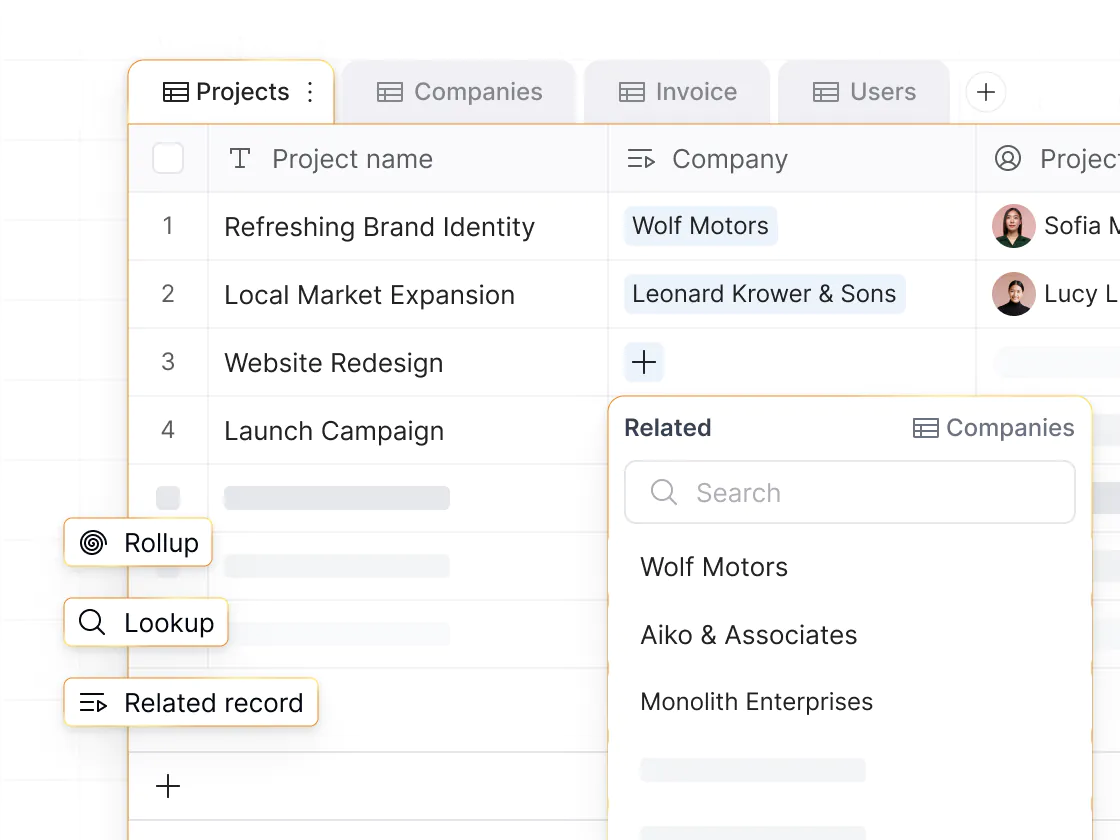
Ultimate data flexibility
Base44 includes a database, but its model can limit how data evolves as apps grow. Softr offers a native relational database and connects to 17+ external data sources—so your apps work with your existing stack instead of locking you into one system.
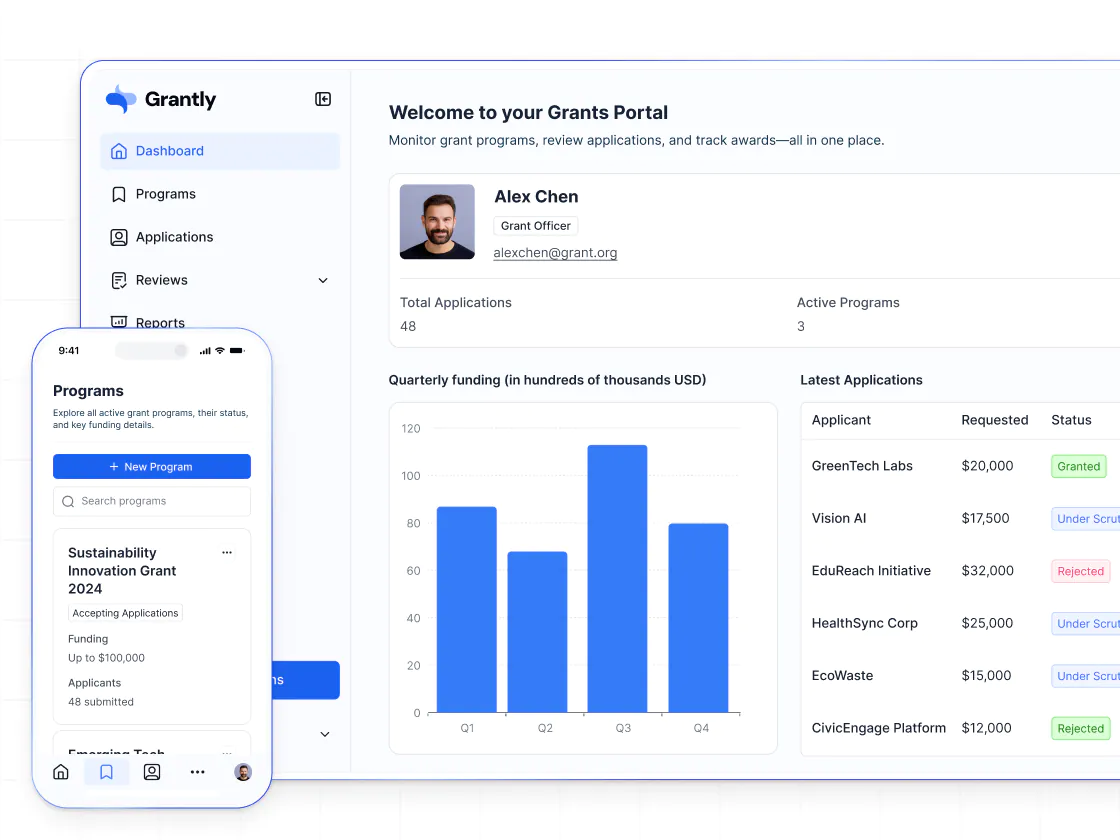
Built-in logins and user management
Base44 apps often require additional setup to support real users. Softr includes built-in authentication and utility pages out of the box — so your apps are safe, shareable, and ready for internal teams, clients, and partners from day one.
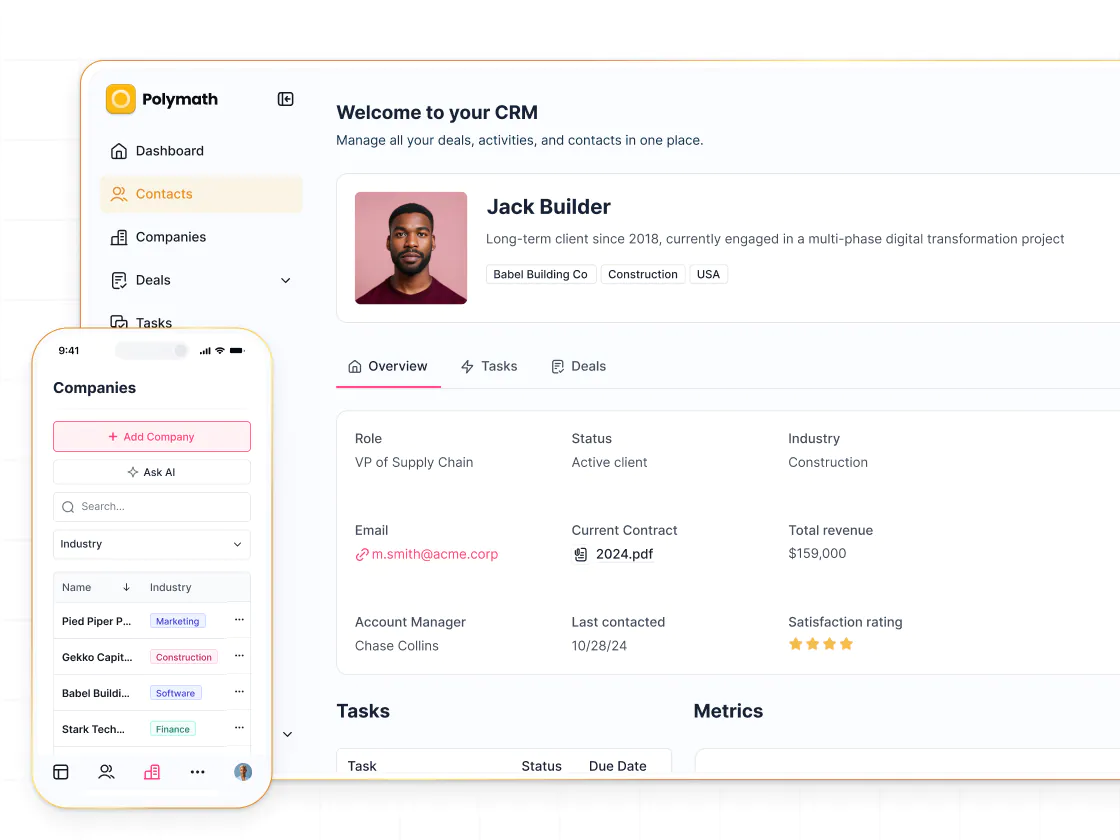
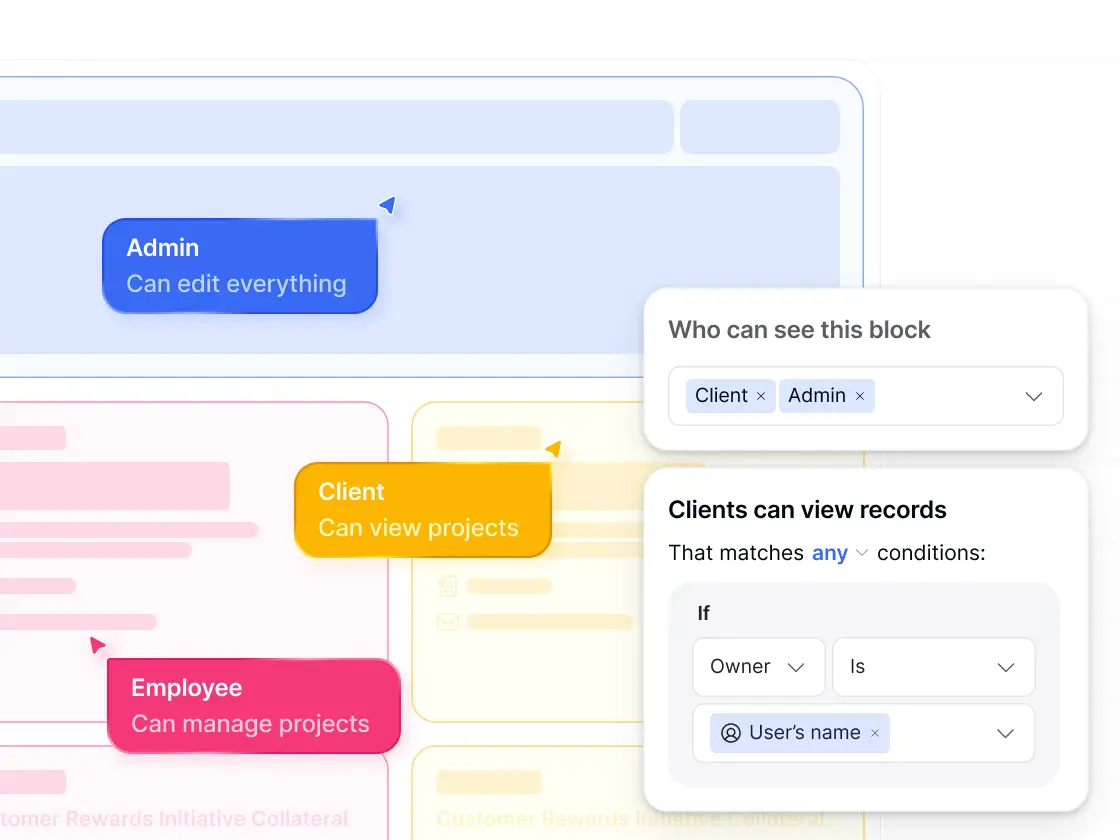
Granular user permissions
Base44 supports basic roles, but complex access control is limited. Softr lets you define custom user groups and granular permissions—so every user sees exactly what they should, down to the page, block, or record level.
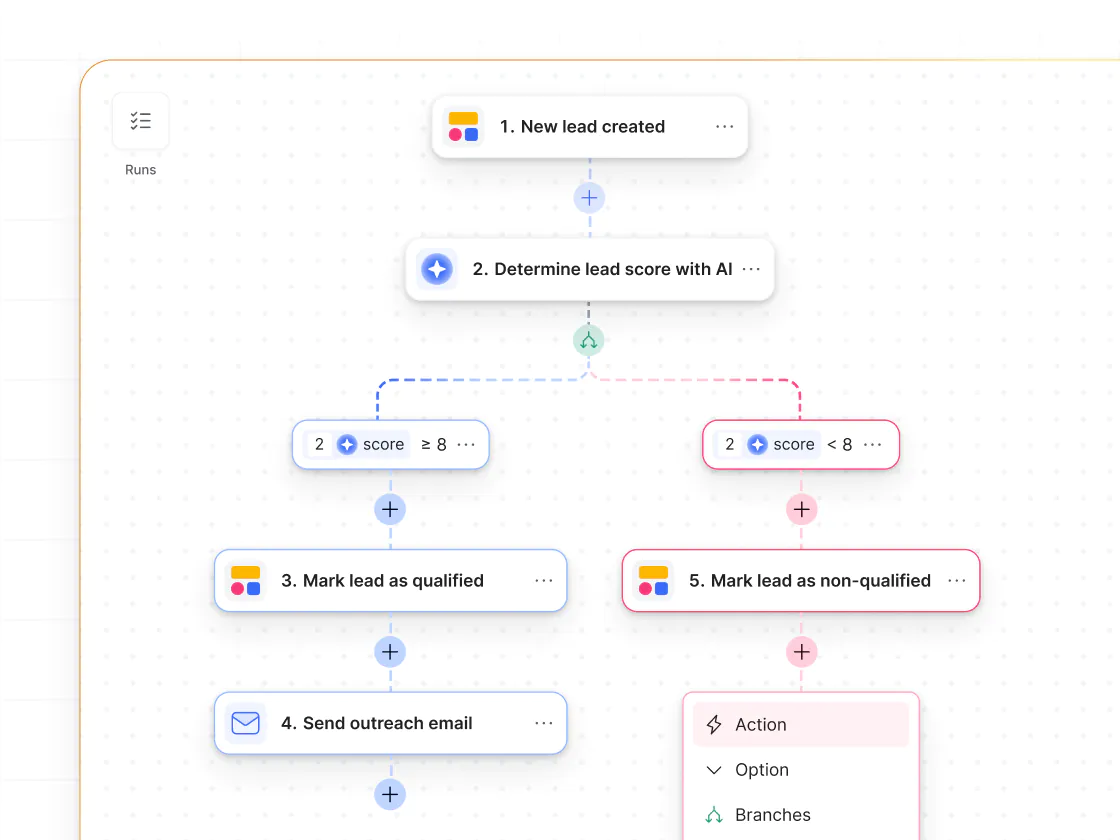
Visual workflows you can trust
Base44 relies on AI-generated logic to define how your app behaves, which can be hard to audit or change. Softr offers a visual workflow builder with clear triggers, actions, and run history — so teams always know what runs, when, and why.
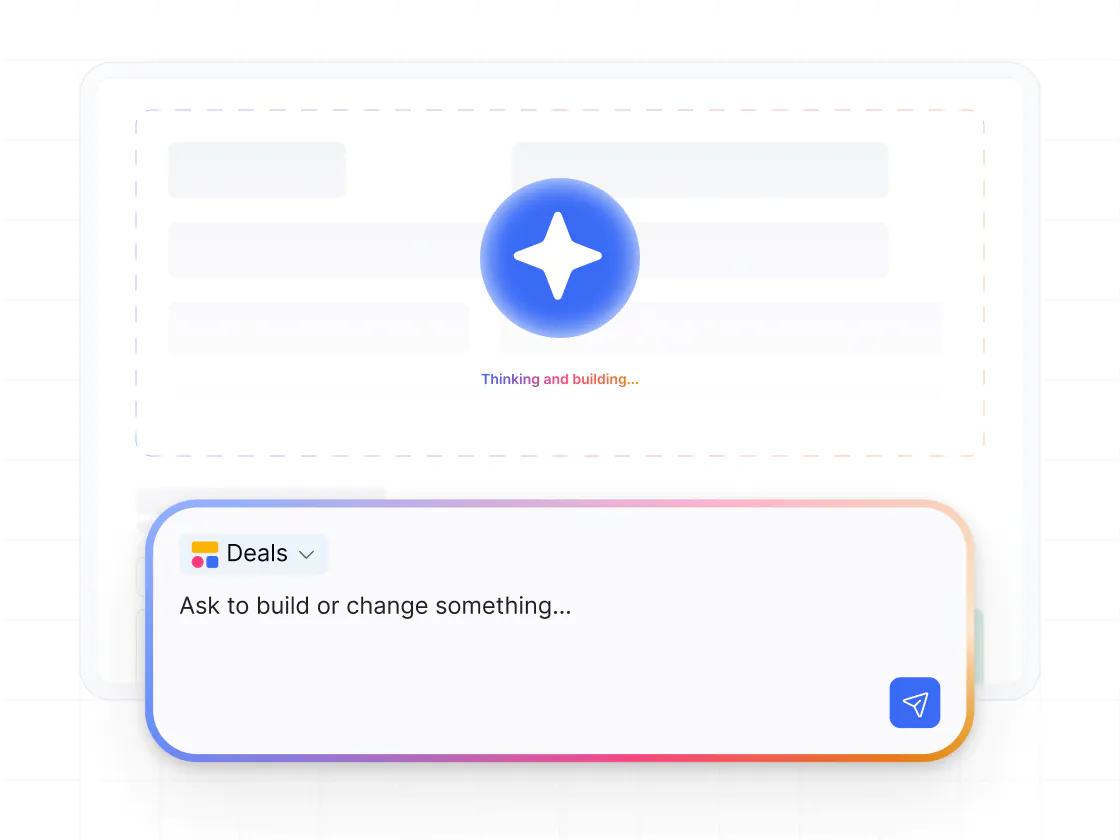
Business-ready vibe coding
Need something custom? Vibe code it instantly without changing your app infrastructure. Vibe-coded blocks connect to live data, respect your permissions, support CRUD actions, and include version history.
.svg)
See how Softr compares to Base44
Deciding between Base44 and Softr? With Softr, you get vibe coding with more control—and production-ready apps for your business.
Functionalities | | Base44 |
|---|---|---|
Core focus | Full-stack AI app builder with native databases and workflows | Prompt-driven app generation |
Vibe coding | Prompt-based app and UI generation (connected to data, CRUD actions) | AI-generated UI and app scaffolding |
Data flexibility | Native databases, plus build on top of 15+ external data sources | Managed database generated by AI with limited integration flexibility |
Database model | First-class relational databases you build and query directly | Data model abstracted behind AI-generated logic |
Design flexibility | Fully customizable layouts & branding | Flexible, but depends on generated output |
Permissions & access | Custom user groups, granular permissions, and global data restrictions | Basic roles with limited configuration |
External users | Supports secure access for external users | External user flows require custom implementation |
Forms | Multi-step forms with conditional logic | AI-generated forms with limited logic |
Workflow automation | Built-in workflows (includes app UI triggers) | No native workflow builder |
AI Agents | AI Agents for databases and workflows | Agentic logic generated per app, not centrally managed |
Mobile experience | Responsive web apps with PWA support | Depends on generated code |
Pricing model | Pricing with clear usage limits | Credit-based pricing tied to generation and iteration |

Go from zero to app, incredibly fast
Co-build with AI
Simply describe what you need. Let Softr handle everything - Interface, database, workflows.
Iterate with AI or visually
Control most critical parts of your app yourself, including: roles, permissions, and security.
Ship the same day
Invite team members or external clients and partners right away. Build AI apps with no developer handover.



Frequently asked questions
What’s the difference between Softr and Base44?
Is Softr suitable for production apps, or mainly for MVPs?
How does Softr handle data compared to Base44?
Does Softr include user authentication and onboarding?
What types of apps can I build with Softr?
How does Softr handle permissions and multi-user access?
How do workflows in Softr compare to Base44’s AI-driven logic?
What is vibe coding in Softr and how does it work?
How does pricing compare between Softr and Base44?
Who is Softr best suited for compared to Base44?
Can I migrate from Base44 to Softr?
Join 1M companies building apps with Softr
See how easy it is to automate and run your business.