


Softr vs. Adalo
Need to go beyond simple mobile apps? Try Softr, the fastest way to build databases, apps, and workflows for your business.










The #1 Adalo alternative for business apps
Build scalable, full-stack apps on real business data—with predictable pricing and full control as you grow.

Built for more than just mobile apps.
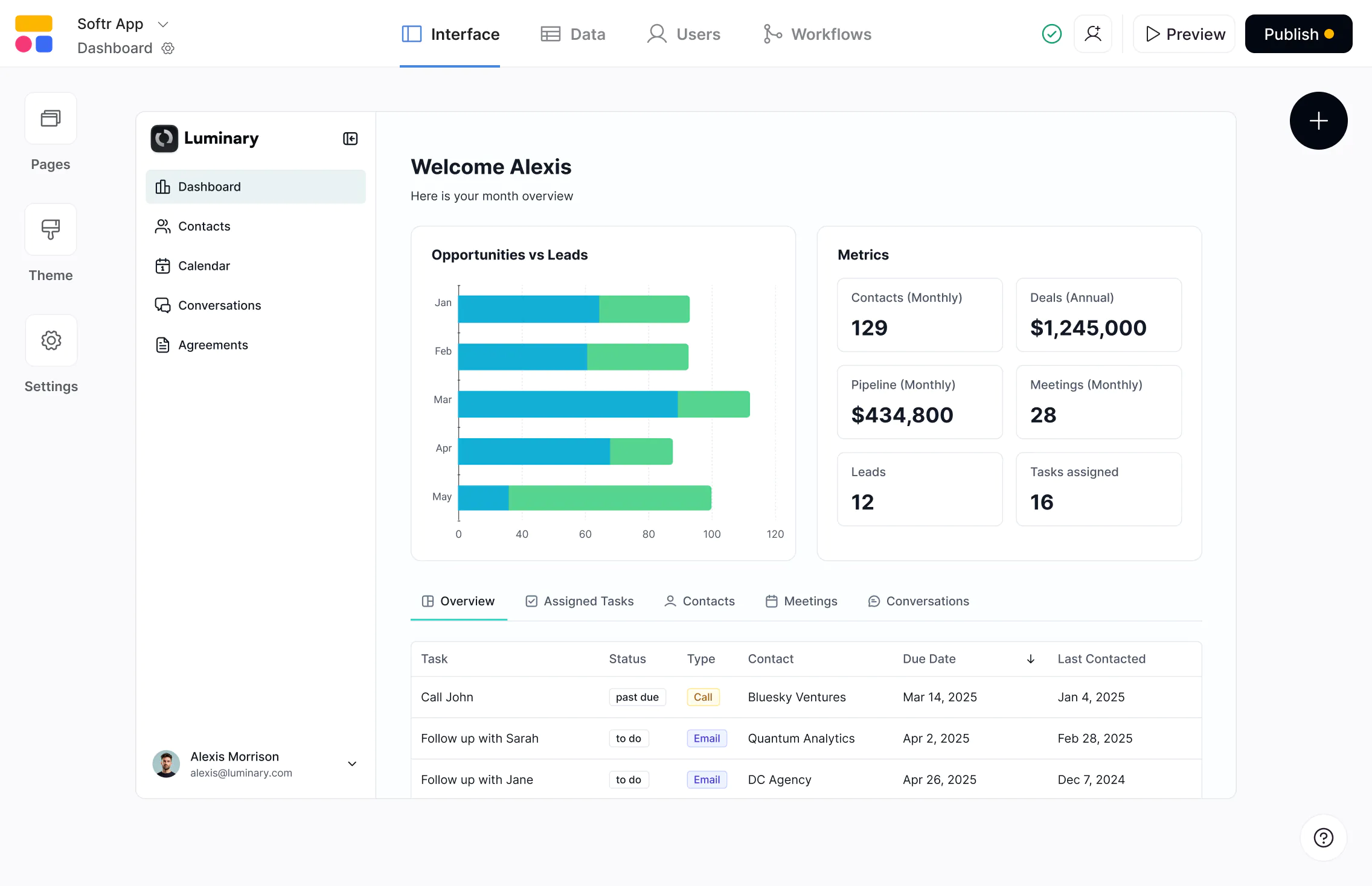
Adalo focuses on mobile app creation, while Softr is designed for full-stack business apps like CRMs, dashboards, and client portals with custom design, logic, workflows, and AI built in.

Works with your existing business data.
Adalo relies primarily on its internal database, while Softr connects natively to Airtable, HubSpot, Google Sheets, Notion, SQL, and more with two-way, real-time sync. You can also use Softr Databases to power your apps.

Predictable pricing as apps grow.
Adalo pricing increases with app complexity and mobile publishing requirements. Softr offers a free plan and predictable pricing designed to scale as apps, users, and workflows expand.

Why businesses are choosing Softr over Adalo
Built for production-ready apps
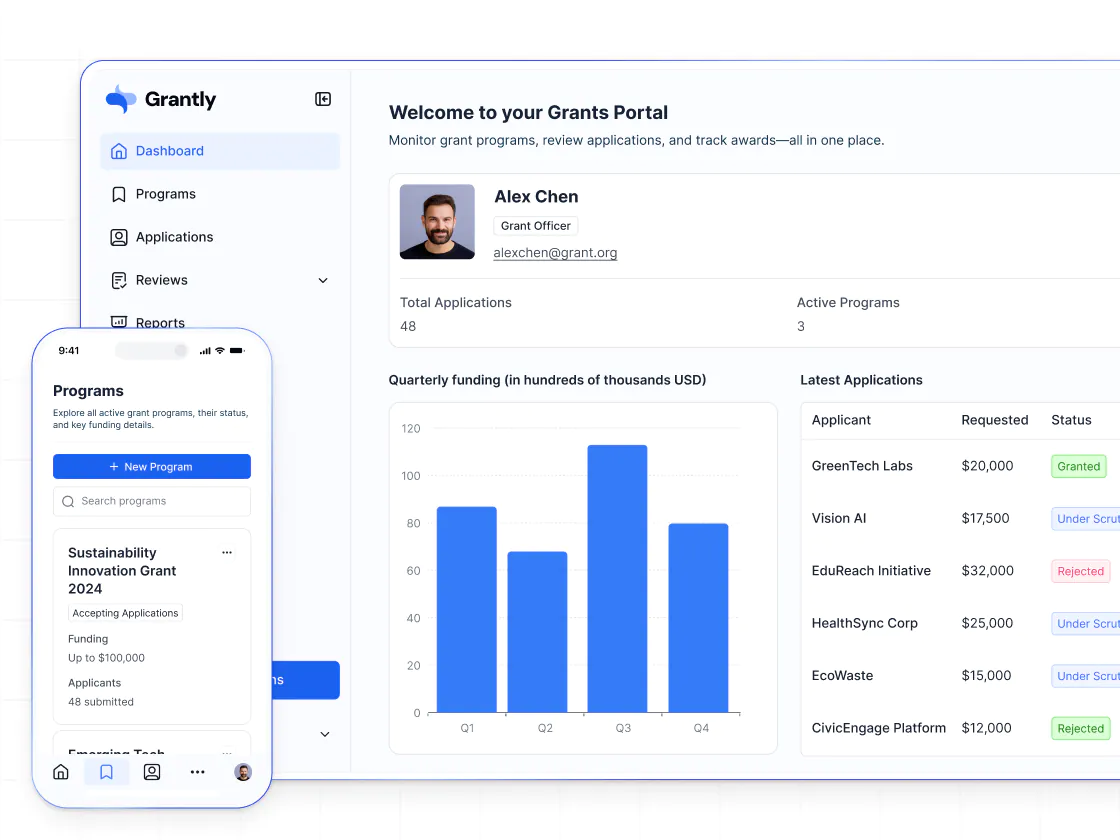
Adalo works well for simple mobile apps, MVPs, and early prototypes. Softr is designed for production-ready business apps like CRMs, client portals, inventory systems, and dashboards—where structure, permissions, and long-term scalability matter.
Granular user permissions
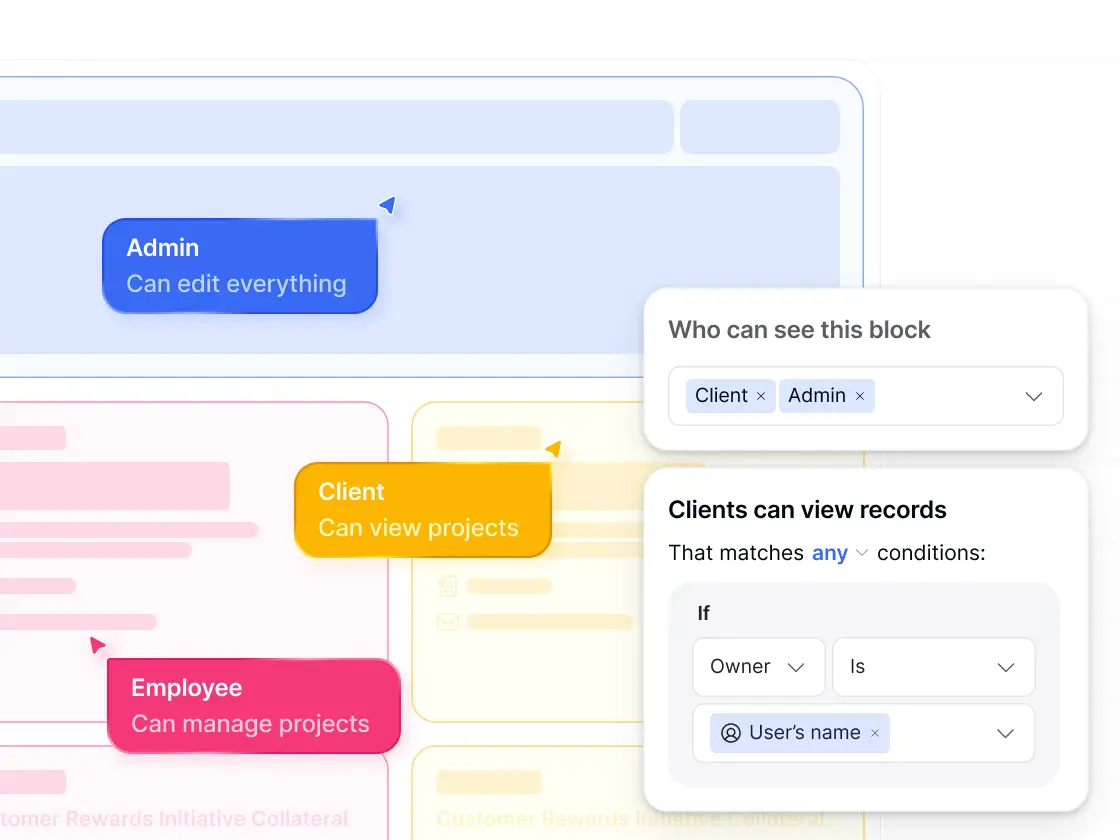
Adalo offers limited user roles and access control. Softr supports user authentication, role-based access, and app-level permissions so you have full control over who can see and edit what.
Complete data flexiblity
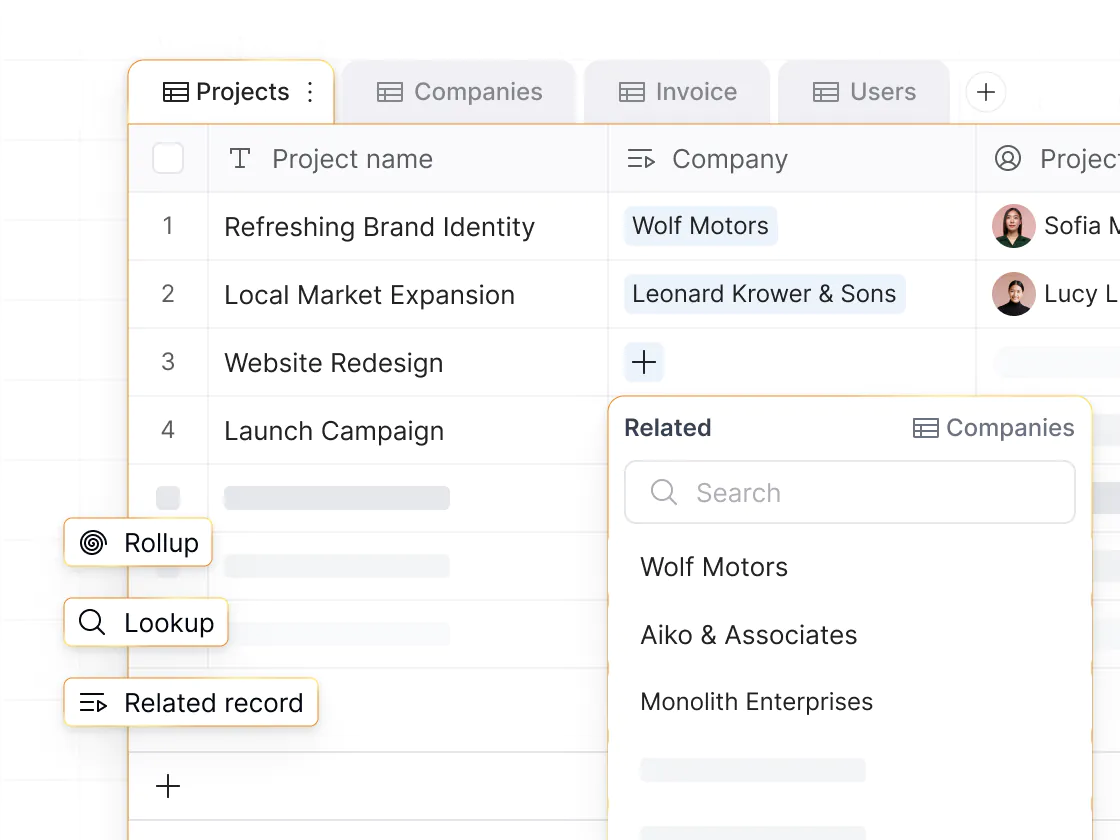
Adalo relies on an internal database that can become limiting as apps grow. Softr includes native relational databases built for larger datasets, linked records, and consistent performance as usage increases. Or, connect to 15+ data sources to power your apps.
Advanced forms and workflows
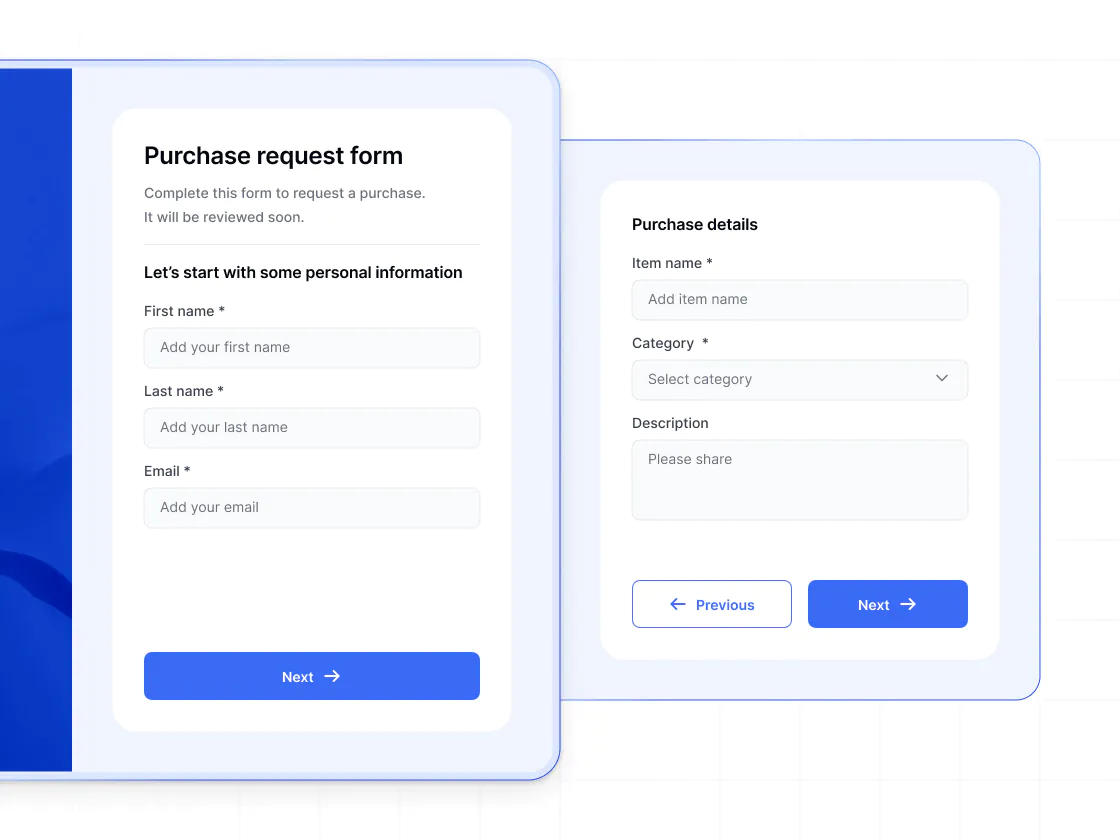
Adalo supports basic interactions, but complex automation is harder to manage. Softr combines conditional, multi-step forms with built-in workflows to automate requests, approvals, and more.
Stronger support for external users
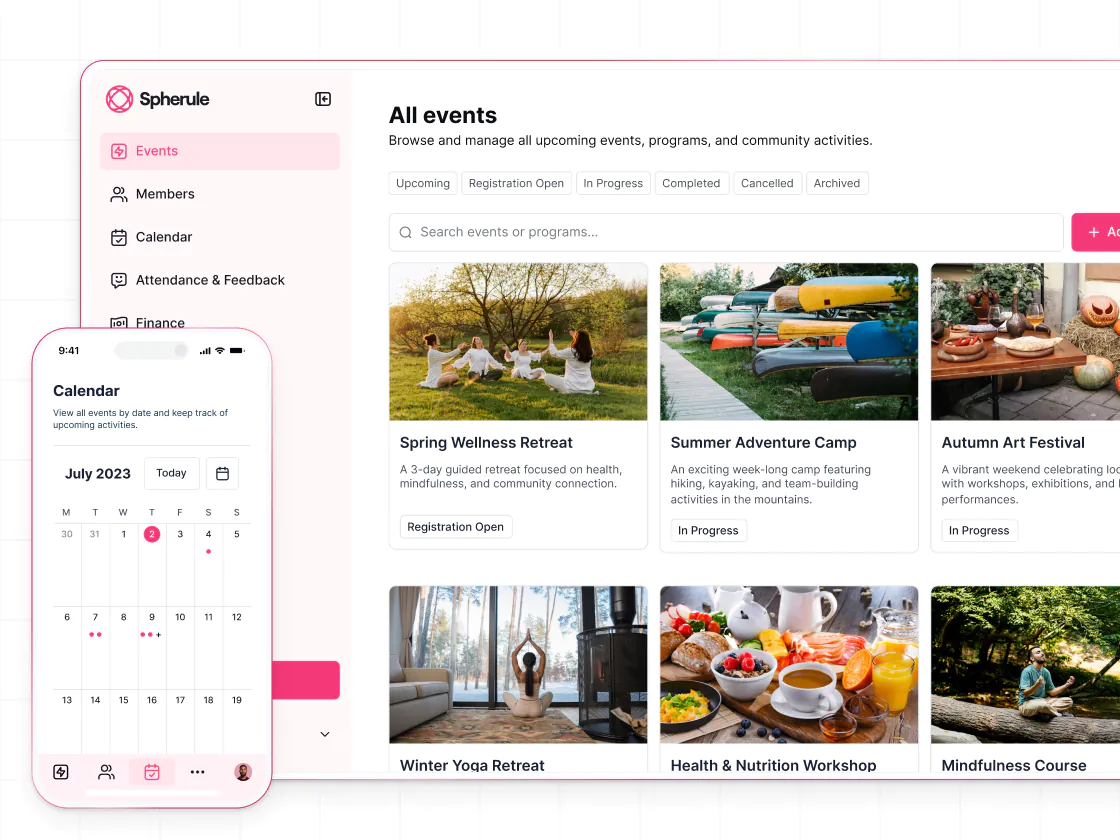
Adalo’s user model is limited for multi-role or external access. Softr is designed for internal and external-facing apps, making it easier to build secure client and partner portals with personalized user experiences.
Vibe coding for custom tools and UI
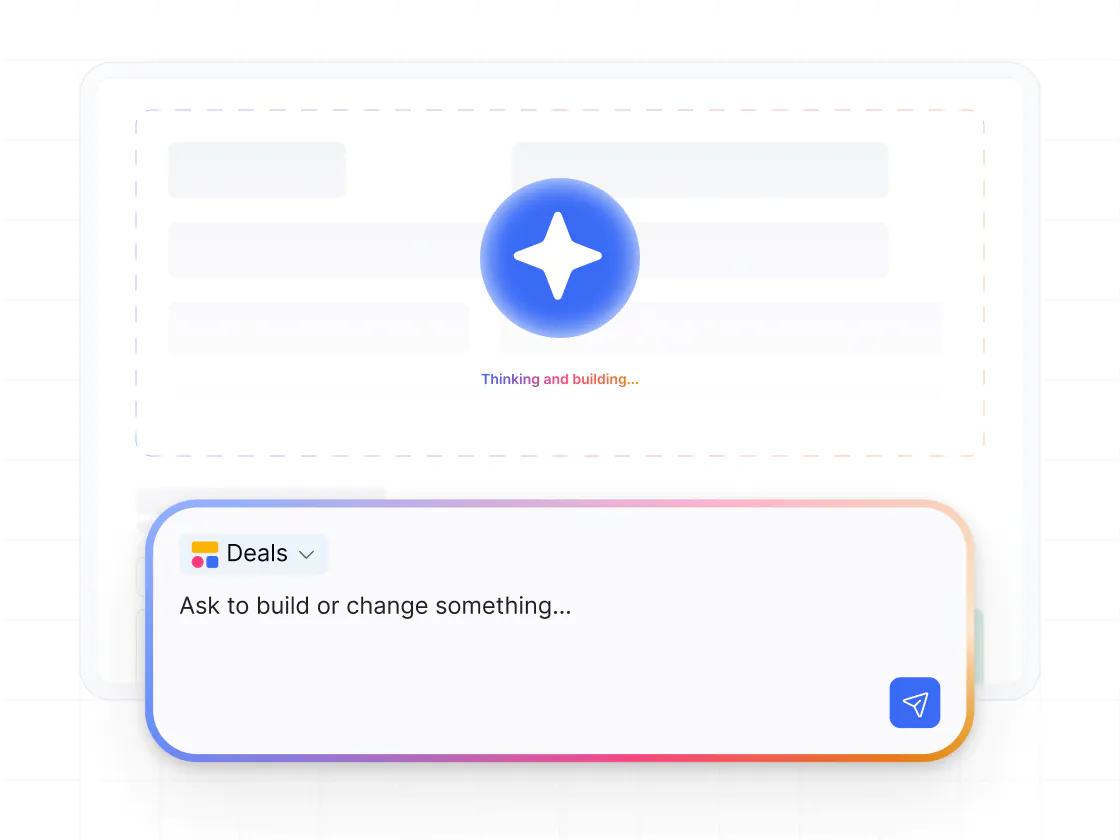
Vibe coding in Softr lets you generate custom tools and UIs from a prompt—inside a real app. Vibe-coded blocks connect to live data, support CRUD actions, follow data permissions, and include version history.

Go from zero to app, incredibly fast
Co-build with AI
Simply describe what you need. Let Softr handle everything - Interface, database, workflows.
Iterate with AI or visually
Control most critical parts of your app yourself, including: roles, permissions, and security.
Ship the same day
Invite team members or external clients and partners right away. Build AI apps with no developer handover.


Frequently asked questions
What’s the difference between Softr and Adalo?
Is Softr harder to use than Adalo?
How do data and databases compare between Softr and Adalo?
Which platform is better for client portals or external users?
Does Softr support mobile apps like Adalo?
What types of apps are better suited for Softr than Adalo?
Join 1M companies building apps with Softr
See how easy it is to automate and run your business.