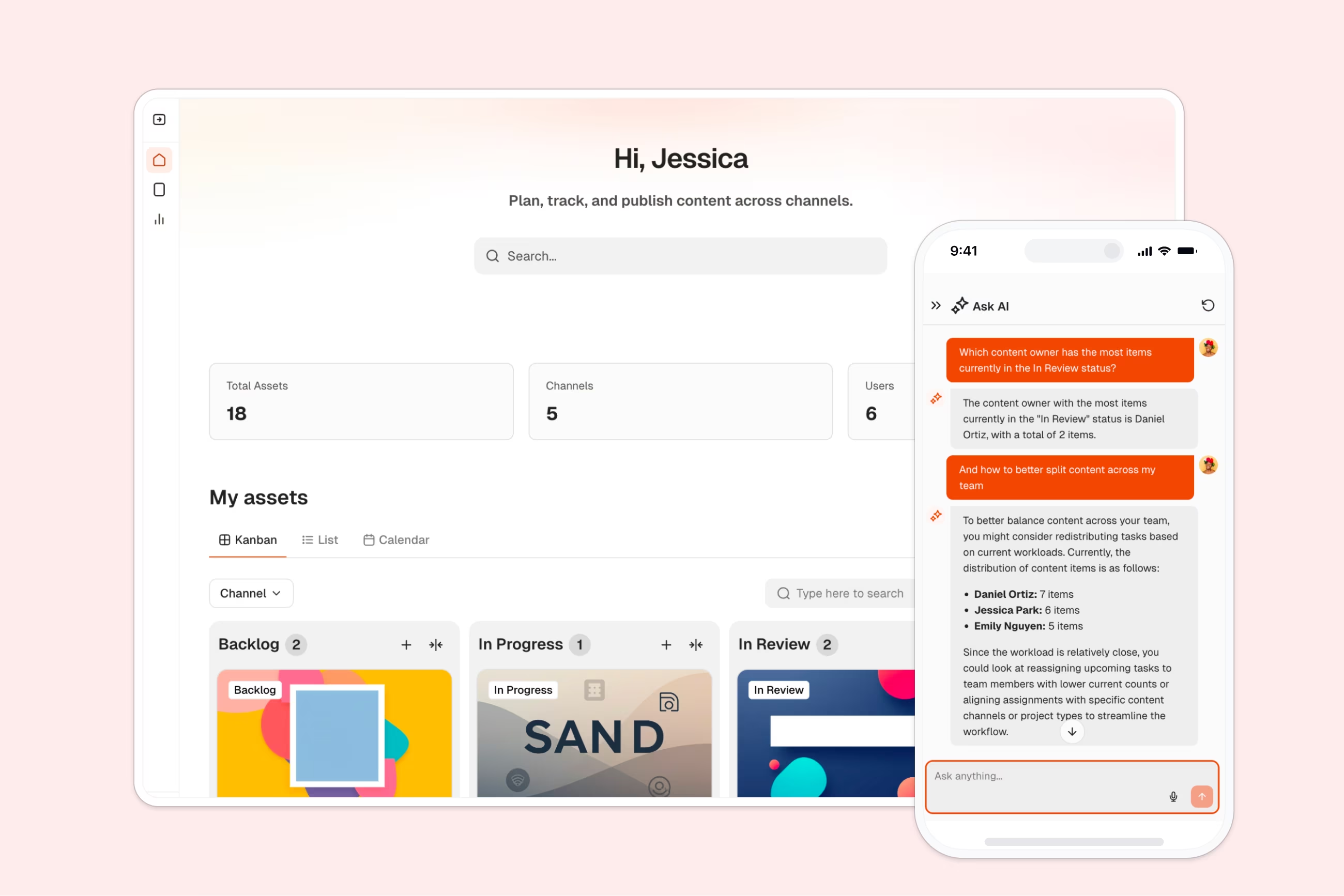
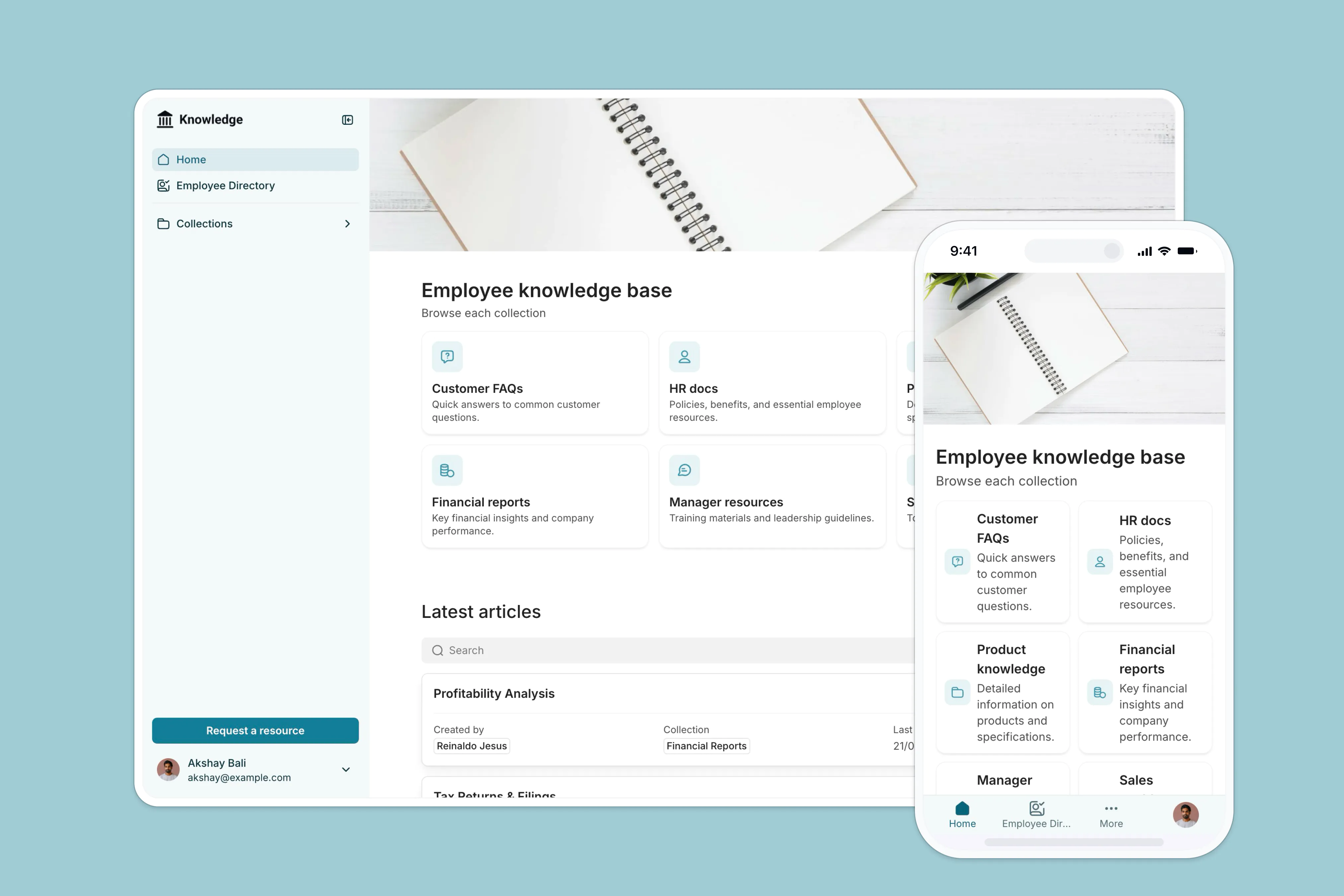
Give students a single, secure access point to manage coursework, schedules, assignments, and resources.
Data sources supported




.svg)


Resources


Overview
This free template lets you build a custom student portal on top of your existing data, so students and faculty can stay organized without relying on clunky email chains or scattered files.
It comes with a sample database that shows how to structure your data for a student portal use case, but you can connect to any Softr-supported data source — including Airtable, Google Sheets, Notion, monday.com, and more.
Why use this student portal template
- Centralize student tools and communication: Keep course materials, schedules, and assignments in one place — no more jumping between systems.
- Give different users personalized access: Set up permission-based views so students, faculty, and staff only see what’s relevant to them.
- Adaptable for schools of any size: Whether you're a small cohort or large institution, you can customize and scale the portal as your needs evolve.
Template features:
- Role-based access
- Course & schedule management
- Document sharing
- Student and professor directories
- Search and filter
- Works on any device
Who is this student portal template for?
This template is ideal for schools, training programs, or any learning community that wants to organize student resources and improve communication.
- Universities & colleges: Centralize faculty directories, course materials, and student portals by department.
- Tutoring & test prep programs: Share schedules, study guides, and instructor info with each student group.
- Vocational & adult education: Give learners easy access to job training materials, workshop schedules, and support services.


“What we love most about Softr is the instantaneous, customizable power a no-code platform allows.”

- 1
- 2
- 3
- 4
Frequently asked questions
Can I use this if I’m not a developer or designer?
Do I need a Softr account to get started?
Can students access the portal from their phones?
Can I control who sees what information?
Is the student portal customizable for my school?