1,000+ block pages dynamically populated in the platform
~2 weeks to build a proof of concept (no devs required)
5+ tools replaced by moving to Softr
{{first-testimonial}}
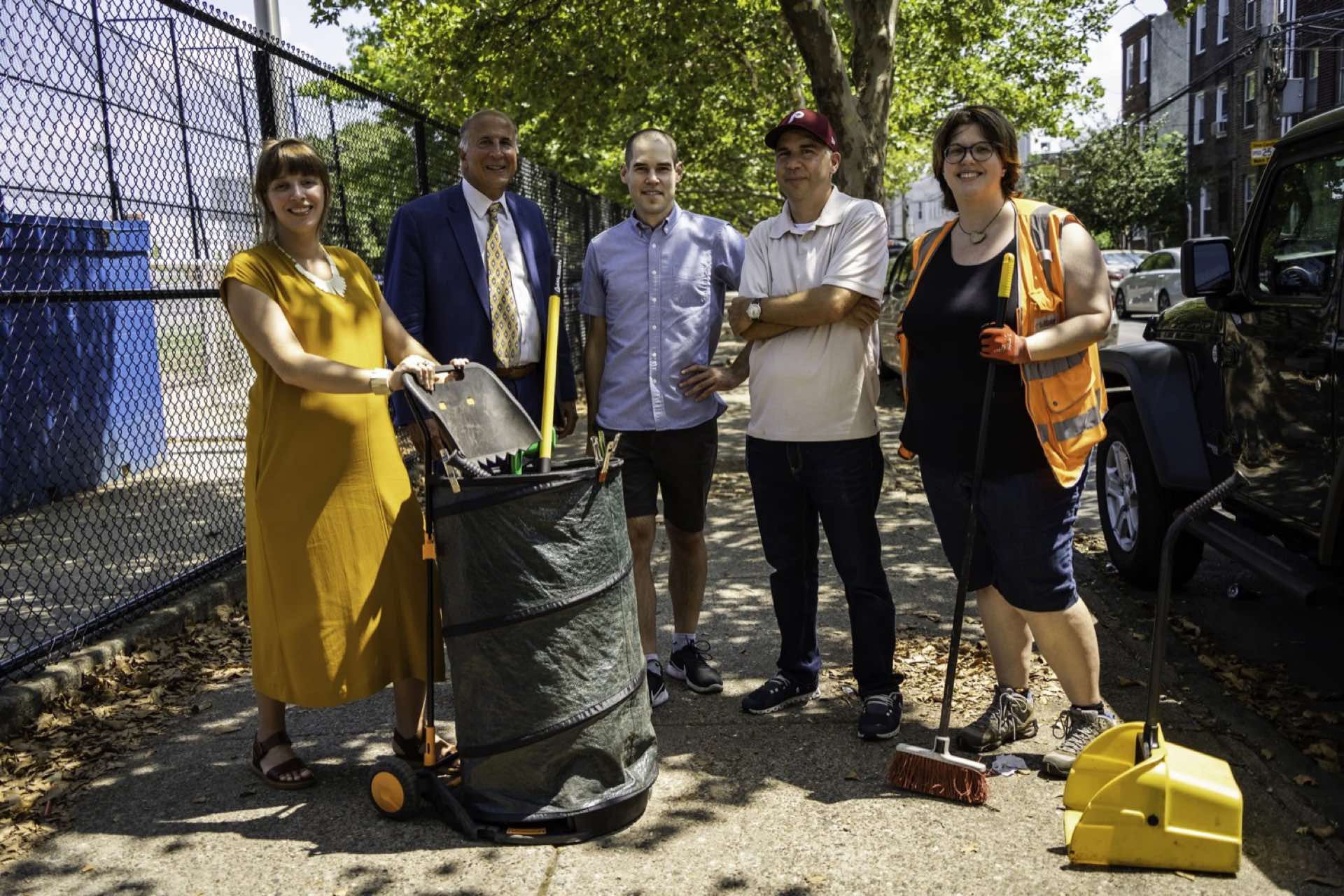
Philadelphia-based Glitter started with a simple idea: help neighbors take ownership of keeping their streets clean.
Founder Morgan Berman, then president of her local civic association, had been organizing volunteer cleanups—but she knew the approach wasn’t sustainable or scalable. Her vision was a model where residents could pledge to fund block cleanings, and local workers would be paid fairly and held accountable to do the job.
The model quickly gained traction, but the system behind it proved challenging. Adding a new city block to Glitter’s website meant manually collecting pledges, creating a new page, uploading images, and managing updates by hand. It took hours each week just to keep the site current, and the lack of visibility made it harder to build trust and onboard new neighbors.
“There was no good way to present data to people in an interactive way,” said Tim LaRosee, Glitter’s program manager. “It was all static. Customers had to email us to update anything. We were buried in support requests, and we couldn’t focus on the product.”
The team migrated to Airtable to centralize their subscriber and block data, but they still lacked a frontend that felt modern and easy for residents to use. Airtable Interface Designer didn’t offer the branding or interactivity they needed, and custom development was too slow and expensive.
They needed a tool that could:
The Glitter team discovered Softr through online creators. Within days of testing it themselves, they had a working proof of concept—and over the next six months, they launched a fully functional platform without custom code.
At the heart of the system is the Glitter Members Hub, where neighbors can see who else has pledged on their block, check cleaning status, and manage their own contributions.
The platform includes:
Because the backend (Airtable) and frontend (Softr) were built in parallel, the team could move fast and adapt quickly. Any changes to the data instantly updated the frontend, creating a smooth experience for both users and staff.
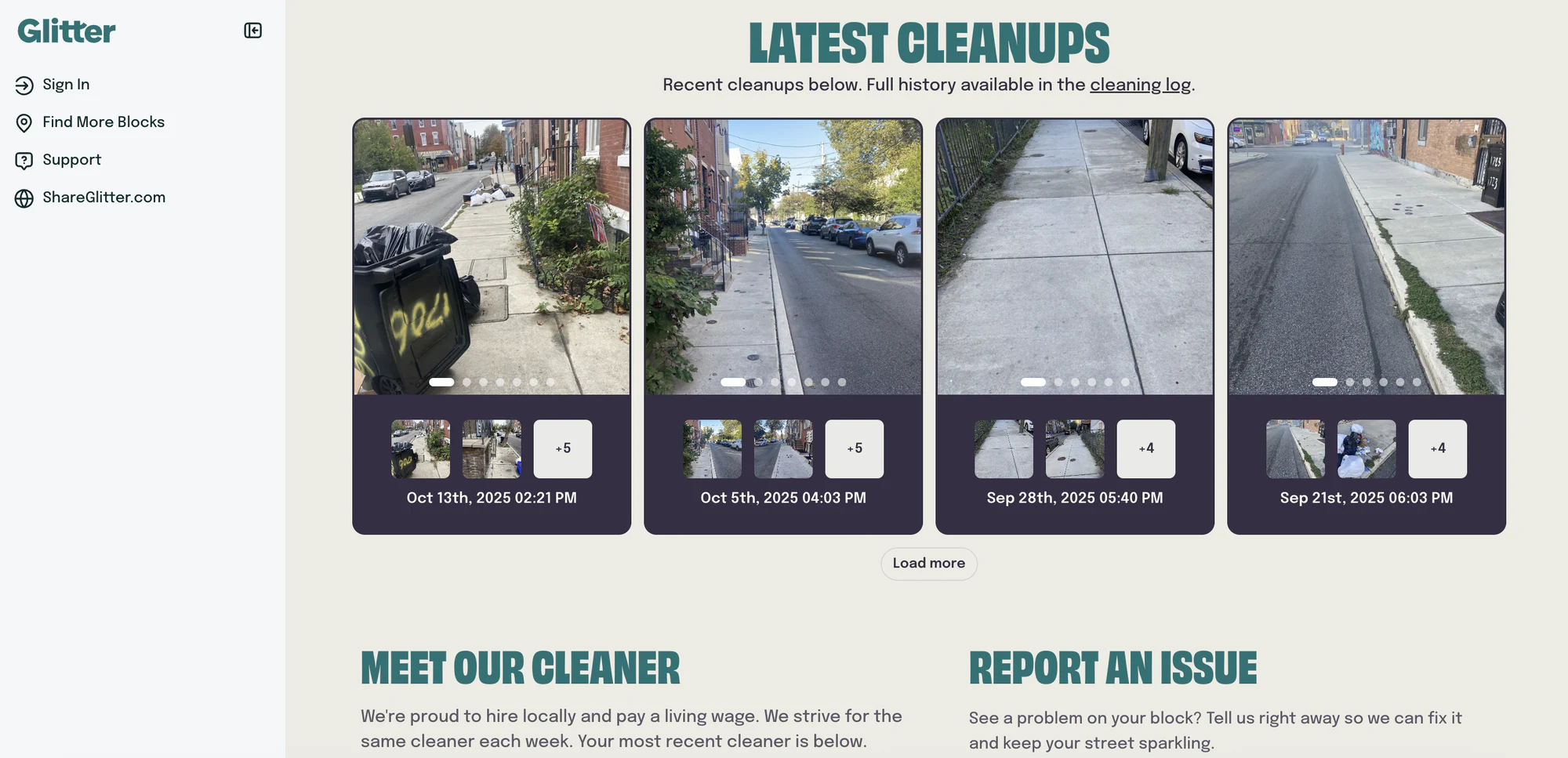
Since launching in 2021, Glitter has grown from cleaning 30 city blocks in its first quarter to over 1,000, including neighbor and grant-funded blocks.
This growth wouldn’t have been possible without the operational gains Softr enabled:
The improved user experience has also helped drive word-of-mouth growth.
“A lot of folks are remarking on how intuitive the platform is, how easy it is, how attractive it is,” said Brandon Pousley, Glitter's CEO. “People see the real-time status of their blocks and feel more confident sharing the platform with others.”
Glitter plans to expand its neighbor-funded model beyond cleanups into services like sidewalk repair, food distribution, lighting, and tree planting.
“People were giving up on the city,” Morgan said. “We wanted to build something that made them feel like their block was worth fighting for—and Softr helped us do that.”

“We had no dev team, but within days of trying Softr, we had a working prototype. It let us move faster than we ever thought possible."






.webp)