Client management software for successful businesses (all sizes)

[.blog-callout]
TL;DR
- Client management software centralizes client communication, tasks, and data so growing teams don't lose track of relationships.
- This guide compares six options: Softr for full customization, plus dedicated CRMs like Close, HubSpot, Salesforce, Nimble, and HoneyBook.
- Before choosing, prioritize secure permissions, automation, flexible integrations, and dashboards you can actually read at a glance.
- Softr lets you build a CRM or client portal around your own workflows, backed by native Softr Databases and an AI Co-Builder, starting on a free plan. [.blog-callout]
The best business strategy is to prioritize customer happiness. That means the key to any successful business is maintaining strong relationships with your clients.
But as your client base grows, it becomes increasingly challenging to manage those relationships effectively. That's where client management software comes in, and there are plenty of options on the market to choose from.
In this article, we'll break down what client management software actually does and help you pick the right one for your business.
What is client management software?
Client management software helps you automate and keep track of your interactions with clients, making it easier to manage relationships, stay on top of communications and tasks, and work more productively overall.
For example, a SaaS company might use client management software to track support tickets, feature requests, and billing information. An e-commerce brand selling custom scrub caps online could use it to store purchase history and contact details, then send automated order follow-ups and shipping confirmations.
The goal of client management software is to help you understand your clients and manage relationships so it's easier to work with them and deliver a better experience. Done well, this leads to more loyal customers and more repeat business.
6 best client management software
There are many solid client management software options on the market, and the right choice depends on your specific needs. To help you decide, we've compiled a list of the six best client management software tools.
1. Softr: Best for DIY

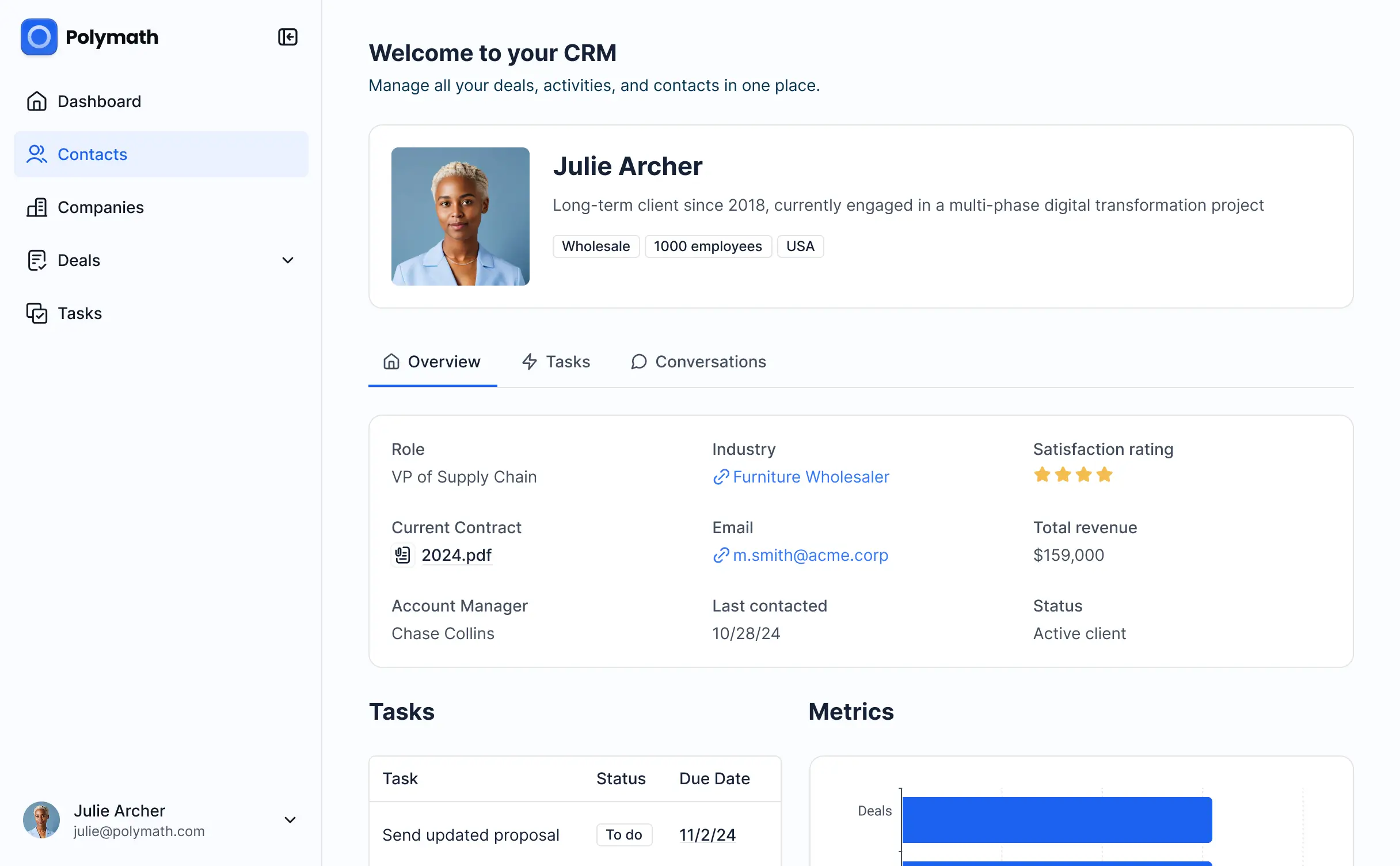
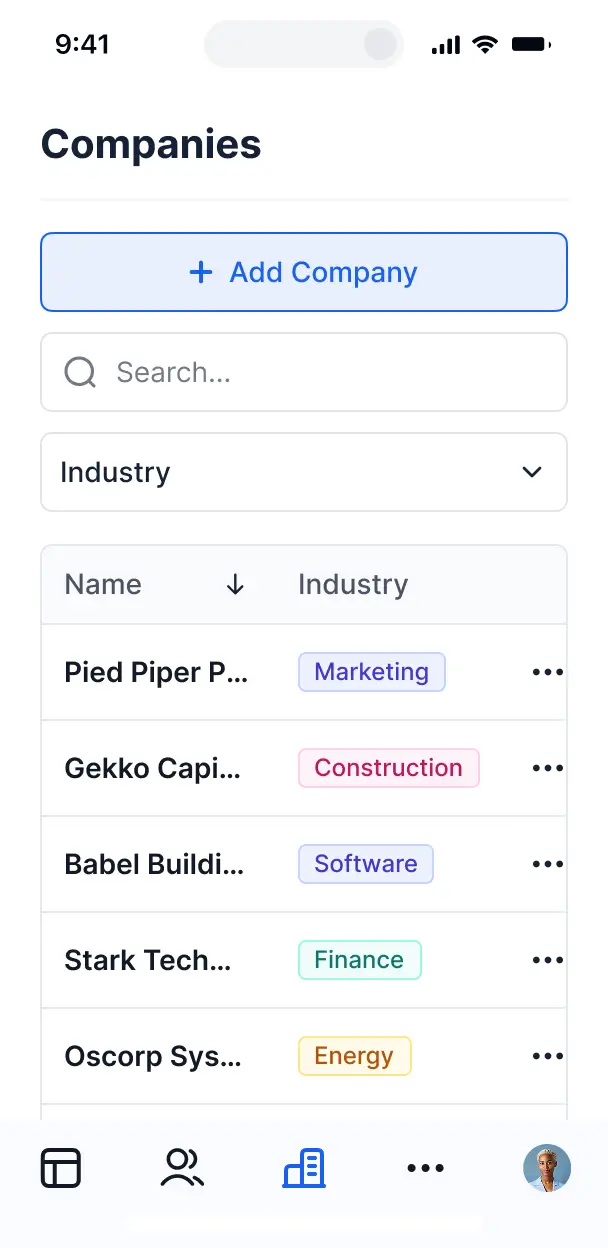
If you want full control over your software, Softr is the strongest fit. Describe what you need and Softr's AI Co-Builder generates the database, pages, and permissions for your CRM or client portal already connected and ready for real users, or start from a template or build it manually if you prefer hands-on control from the first click. Because it's fully customizable, you can shape a client management tool that's built around your exact workflow, not someone else's.

Main features:
- AI Co-Builder generates your CRM's database, pages, and permissions from a plain-language description, and you can keep fine-tuning everything by hand afterward
- Native Softr Databases give you a fast, built-in relational database, plus connections to 17+ external data sources, including Airtable, Google Sheets, HubSpot, and a REST API
- Role and permission-based access, so admins, sales reps, and clients each see only the data relevant to them
- Pre-built blocks cover most of the interface out of the box, and the Vibe Coding block handles any custom feature the templates don't
- Free plan includes unlimited apps and collaborators, with paid plans that scale affordably as your user base grows
Drawbacks:
- Best suited for teams willing to spend a little time structuring their own data, rather than relying on out-of-the-box CRM logic
- AI credits are limited on the Free and Basic plans, so heavy use of the AI Co-Builder or database AI agents may require a paid plan
2. Close: Best for sales

Close is a solid pick if you want to follow up with new leads quickly, close deals, or manage a sales team efficiently. It offers intuitive dashboards, analytics, and tracking features to help you make informed decisions as you grow.
Main features:
- Stores up to 2,500 leads on the basic plan and unlimited leads on paid plans
- Tools for email marketing campaigns like scheduling, bulk sending, automatic follow-up reminders, and an undo-send feature
- Unified communications across phone calls, email, and SMS in one inbox
- Integrations with Slack, Mailchimp, Intercom, Zendesk, and Zapier
Drawbacks:
- SMS messaging is limited to the United States, Canada, the United Kingdom, and Australia
- No free trial
3. HubSpot CRM: Best for small to medium-sized businesses

One of the most popular CRMs on the market, HubSpot CRM lets you automate reminders, review metrics, and keep track of your sales pipeline. It also integrates with HubSpot Marketing, so you can track marketing and sales efforts in one place.
Main features:
- Ready-to-use email templates and sequencing tools
- Forms that capture data from your website, social media, or landing pages
- Live chat, dynamic lists, and email marketing tools built in
- A single customer view that tracks leads and customers across every stage
- Workflow automation and customizable dashboards and landing pages
Drawbacks:
- The free version caps you at 200 email tracking notifications per month, which gets maxed out quickly
- Costs rise fast as your needs grow
4. Salesforce: Best for eCommerce

Salesforce is a robust CRM platform for managing sales, marketing, and customer service in one place. It works well for businesses of most sizes, but it's especially well-suited for eCommerce.
Main features:
- Customer service features including self-serve portals
- Integrations with external systems like DMS, ERP, ITSM, and other platforms, including social media and e-commerce tools
- Forecasting that shows sales and budget predictions with real-time insights
- Customization options to build apps, widgets, and custom objects without coding
- Automated messaging and workflows for tracking customer service and relationships
Drawbacks:
- Paid add-ons are often required to get the most out of the software
- Configuration and setup can be complex and time-consuming
5. Nimble: Best for small SaaS companies and startups

Nimble is an affordable CRM that helps you track your sales pipeline, social media activity, and client communications in one place.
Main features:
- Auto setup based on your requirements
- An intuitive dashboard for an overview of your sales pipeline
- A smart contacts app that makes it easy to add new contacts
- Integrations with Mailchimp, Zapier, HubSpot, Pabbly, and more
Drawbacks:
- Capped at 25,000 contacts in storage
- No email tracking or Facebook message integration
6. HoneyBook: Best for creatives

HoneyBook offers tools for everything from onboarding and offboarding to project management and client communication. It's a good fit for entrepreneurs and small business owners working on a per-project basis.
Main features:
- Customizable, ready-to-use templates for emails, brochures, invoices, contracts, and more
- Pipelines that show where each client stands in their journey
- Integrations with Google, Zapier, and QuickBooks
- Embeddable lead capture forms for your website
- Automations for reminders, notifications, invoices, contracts, and proposals
Drawbacks:
- Limited integrations compared to dedicated CRMs
- Gets expensive for larger teams
Benefits of using client management software
If you're still on the fence, here are a few benefits that may help you decide.
1. Better serve your customers
With a 360-degree view of each client, you can provide better service without wasting time digging through old emails or scattered files. All the information you need lives in one place.
2. Stay organized and avoid letting things fall through the cracks
Set up custom alerts and reminders for yourself and your team, so you always know when a client meeting is coming up or a project is due. Centralizing communications also means everyone can see what's been done and what's still outstanding at a glance.
3. Make data-driven decisions
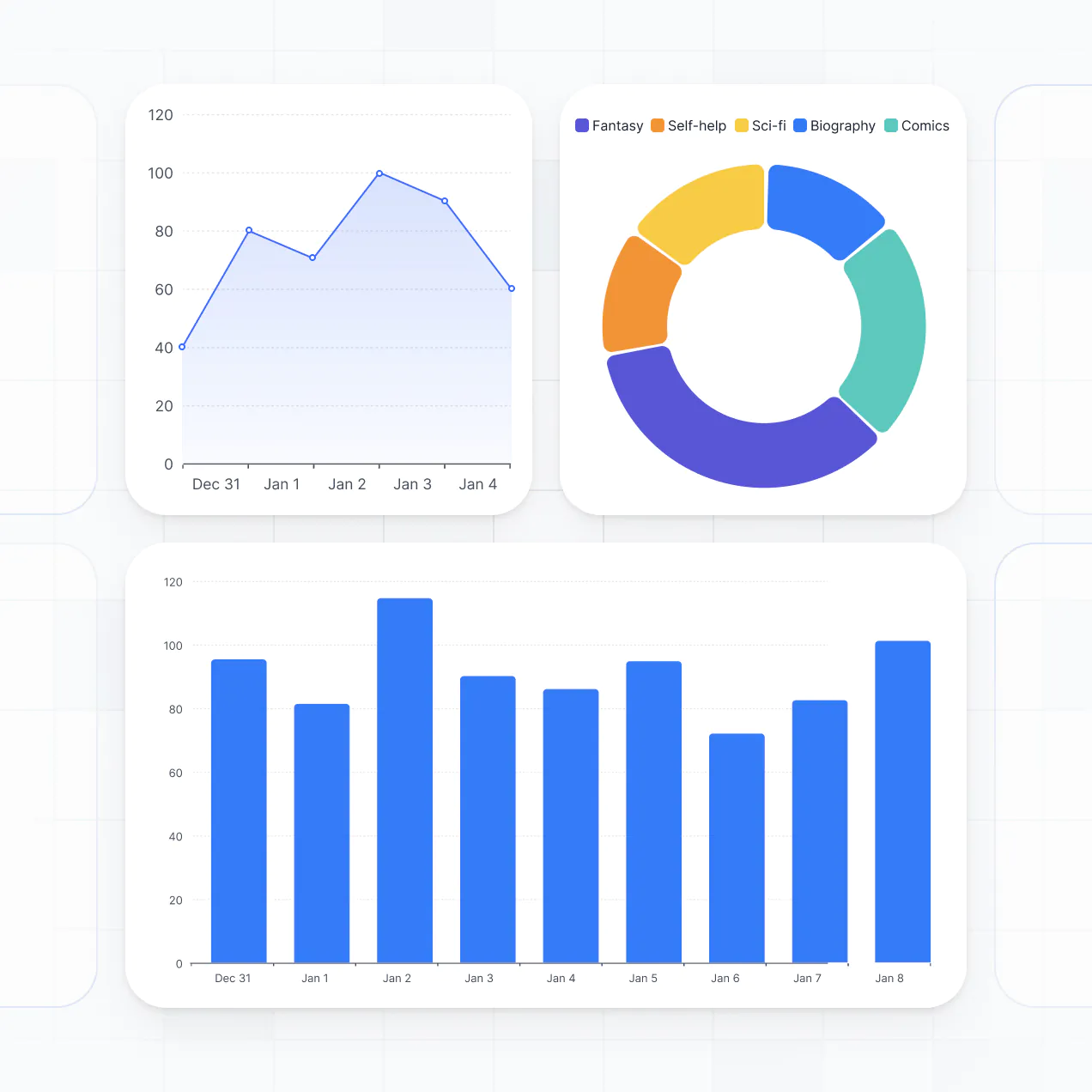
Most client management software includes reporting and analytics. Use these insights to identify which marketing campaigns are working, what needs to change in your sales process, and where to focus your efforts.
4. Save money and boost sales
With the right client management software, you can automate repetitive tasks like invoicing and follow-up emails. That frees up time for selling, delivering a better customer experience, and expanding your network.
"In roofing, there weren't many good CRM options, except for one that cost thousands of dollars a month. Instead, I used Softr to build our own CRM that rivals the expensive ones. I don't pay for features I won't use, and I simply build the ones I want, exactly how I want them." - Verified user, Construction (Small Business), G2 review
Must-have features in client management software
Not all client management software is created equal. Here are some features and capabilities to look for.
Secure and easy to access
Safe, seamless accessibility is crucial. You'll be storing sensitive customer data, so your software needs to be secure and accessible only to authorized users, from any device, in the office or on the go.

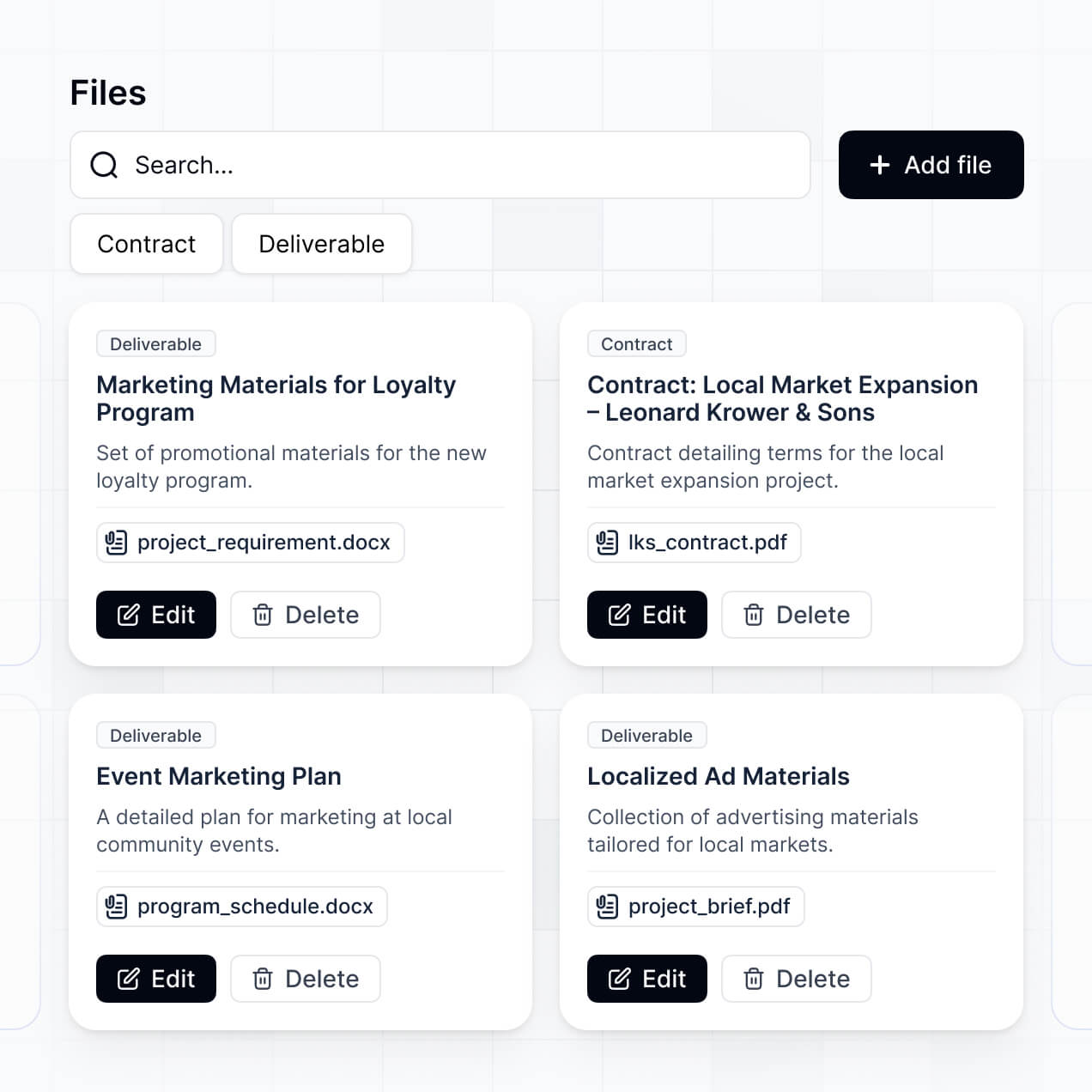
A client management tool like Softr lets you set permissions and conditional filters so the right people have access to the right data. Since it's cloud-based, you can access it anywhere, on any device. You can also build a document portal with Softr to store files and essential records in one accessible place.
Powerful automations
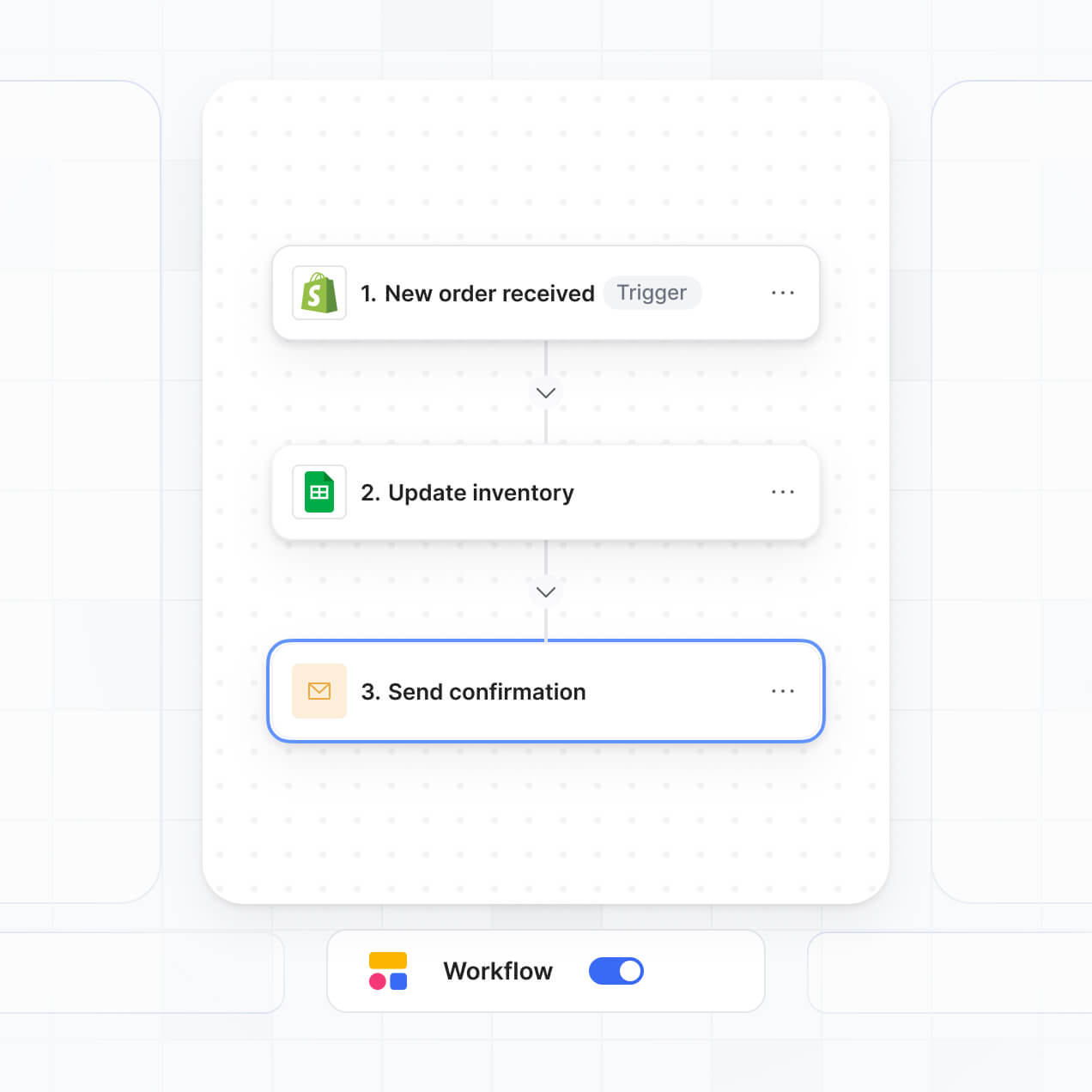
Automation helps you manage client relationships more effectively by freeing up time you'd otherwise spend on manual tasks. For example, a SaaS company would otherwise have to send billing emails to each client manually every month. With automation, that happens on its own, so you can focus on higher-value work.
Softr Workflows run natively on your Softr Database and can also connect to Zapier, Stripe, Mailchimp, and other business tools, so you can automate payment follow-ups and status updates instead of managing paperwork by hand. One partner-portal builder used this combination to launch custom CRMs and portals in hours instead of weeks, scaling to 140+ users across multiple active client projects.
A wide variety of integrations
You likely have a tech stack full of tools you already rely on, and you probably don't want to give some of them up. Flexible software like Softr connects to your data sources of choice through its own native database first, and 17+ external sources beyond that, giving you a connected stack without forcing a full migration.
Different ways to view your data
Data is only useful if you can understand it and act on it. Segmenting and filtering by industry, company size, location, and other attributes helps you understand your clients' needs so you can target them more effectively.
Softr lets you turn your database, whether it's a native Softr Database or connected Airtable data, into a visual dashboard with custom user groups and advanced access permissions. Role-based filtering ensures each user only sees the data that's relevant to them.
Easy-to-interpret dashboard
Real-time insights matter for understanding what's working and what isn't in your client relationships. A dashboard that's easy to read at a glance helps you spot opportunities and make changes quickly, without digging through raw data first.
Great customization capabilities

Custom fields and workflows give you the power to make your client management solution work exactly the way you want it to. Softr's platform makes it easy to customize your B2B portal without coding or specialized knowledge. If pre-built blocks don't cover a specific need, the Vibe Coding block lets you generate a custom component from a plain-language prompt, and it inherits your app's theme and permissions automatically.
Handy client communication features
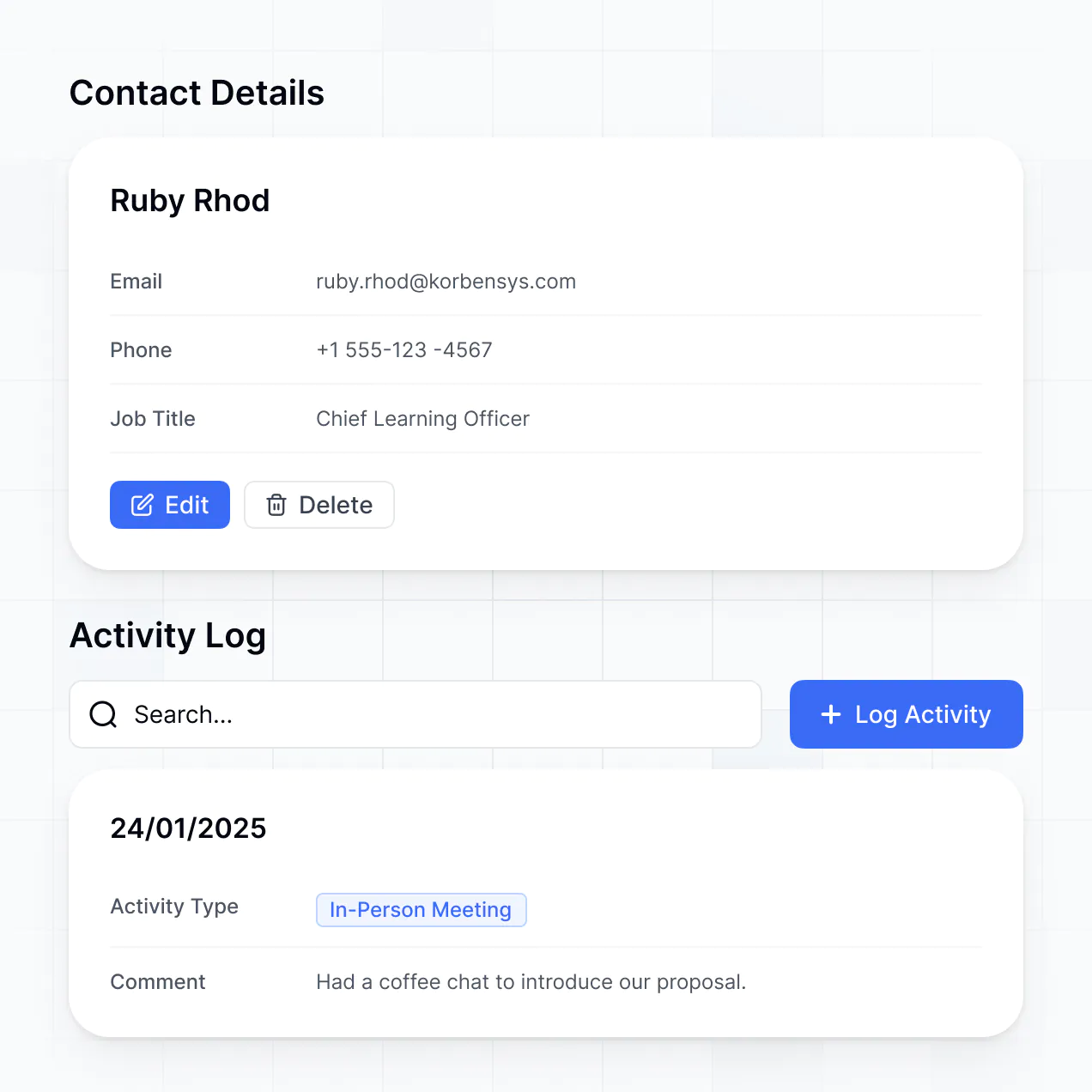
Features like in-app chat or a chatbot, email templates, and activity logging help you stay in touch with clients and nurture stronger relationships. They also make it easy to pick up a conversation quickly and resolve issues in real time.
So, which client management software should you choose?
Client management software is essential if you want to build and maintain strong relationships with your customers. When choosing one, weigh your specific business needs against your budget. The right tool depends on the size of your business, the type of clients you serve, and which features matter most to you.
Softr is a strong option if you want a customizable solution you can shape yourself, whether that means describing your CRM to the AI Co-Builder, starting from a template, or building it from scratch. It's no-code, beginner-friendly, and gets your client management software running fast.
Frequently asked questions
- What is the difference between a CRM and a CMS?
A CRM (customer relationship management system) is built to manage your interactions and relationships with clients, tracking contacts, deals, and communication history. A CMS (content management system) is built to create, organize, and publish digital content like web pages or blog posts. Client management software falls into the CRM category. The two serve different purposes, but some platforms, like Softr, let you build both a CRM and a website in the same place.
- What features should I look for in client management software?
Look for secure, role-based access so the right people see the right data, automation for repetitive tasks like invoices and follow-ups, flexible integrations with the tools you already use, clear dashboards for tracking your pipeline, and enough customization to match how your team actually works. If your needs change often, prioritize a tool you can adjust yourself instead of one that requires a developer for every update.
- Which client management software is best for a small business?
Some of the best client management tools for small businesses include:
- Softr, for teams that want a fully customizable CRM or client portal without hiring a developer
- HubSpot, for an established CRM with strong marketing alignment
- Close, for sales teams focused on high call volume
- Salesforce, for eCommerce businesses that need deep integrations
- Nimble, for small SaaS companies and startups
- HoneyBook, for creatives managing client work on a per-project basis
- What are the benefits of client management software?
Client management software gives you a single, organized view of every client, so you can respond faster and stop digging through old emails. It helps you stay on top of tasks and deadlines with reminders and centralized communication, and it gives you the reporting you need to see which campaigns and processes are actually working. Automating repetitive tasks like invoicing and follow-ups also frees up time for the work that actually grows the business, and better-organized data tends to translate directly into stronger client retention.
- How much does client management software cost?
Cost depends on the size of your business, the number of users, and the features you need. Dedicated CRMs typically range from around $10 to $12 per user per month for small businesses, up to $50 to $150 per user for larger enterprises, and some charge separate implementation fees on top. Build-your-own platforms like Softr work differently: Softr's free plan supports 10 app users at no cost, and paid plans start at $49 a month with pricing based on usage rather than a strict per-seat model.