



Softr vs. WordPress
Need to build secure apps? Try Softr, the fastest way to build portals and internal tools to power your operations.
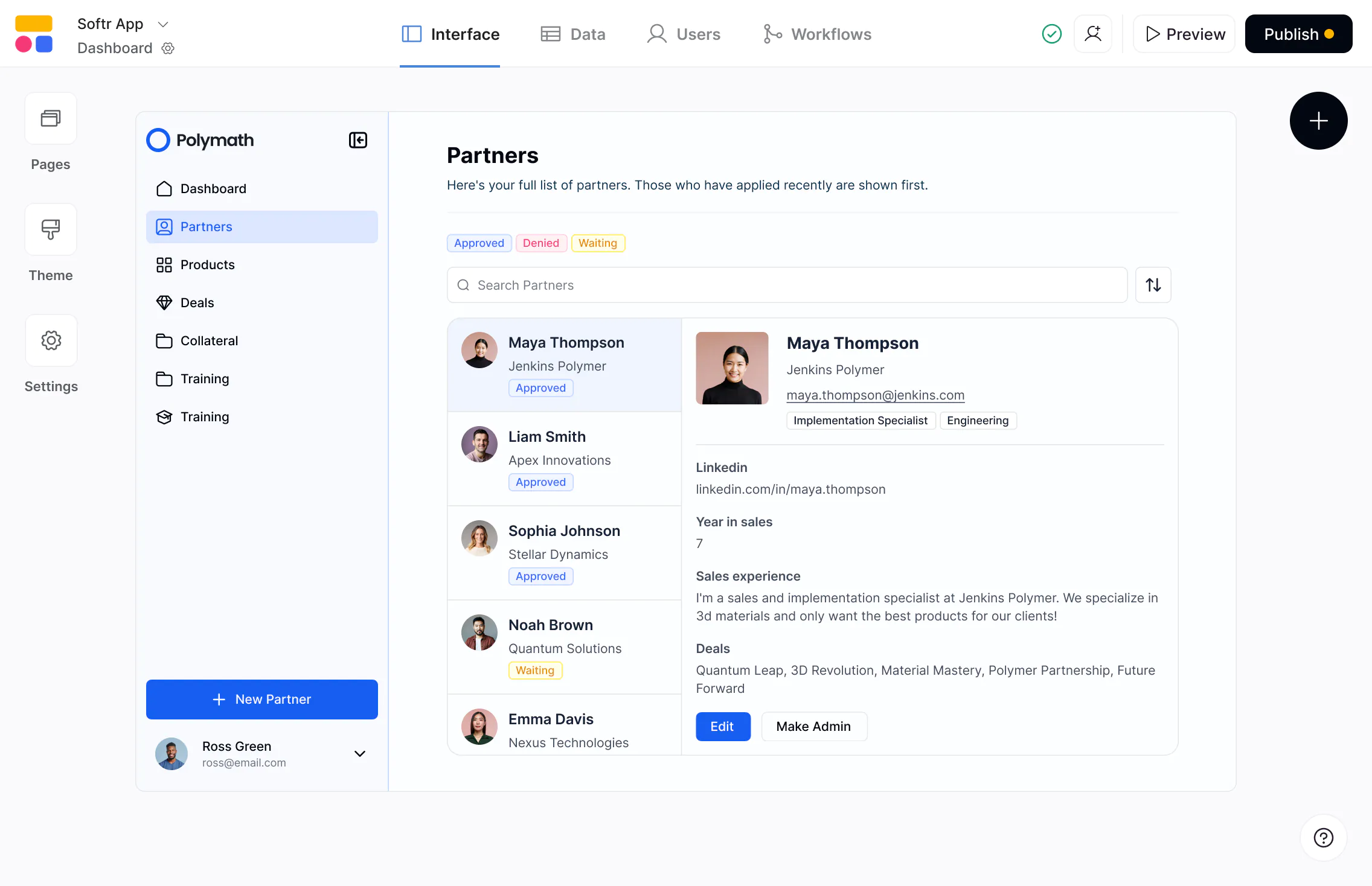










The #1 WordPress alternative for business apps
Build scalable, full-stack apps on real business data—with predictable pricing and full control as you grow.

Built for logged-in, data-powered experiences.
WordPress excels at public content, but building apps with logins, permissions, and live data requires plugins and custom setup. Softr is designed for portals and internal tools where users interact with live business data.

Fewer plugins, more built-in functionality.
WordPress relies on plugins for authentication, forms, permissions, and automation. Softr includes these capabilities natively, reducing setup complexity and ongoing maintenance.

Build simple sites without a separate subscription.
Softr isn’t a replacement for WordPress for content-heavy sites, but it lets you build simple websites and landing pages alongside apps like client portals and intranets—without requiring a separate subscription.

Why businesses choose Softr over WordPress
Designed for portals and internal apps
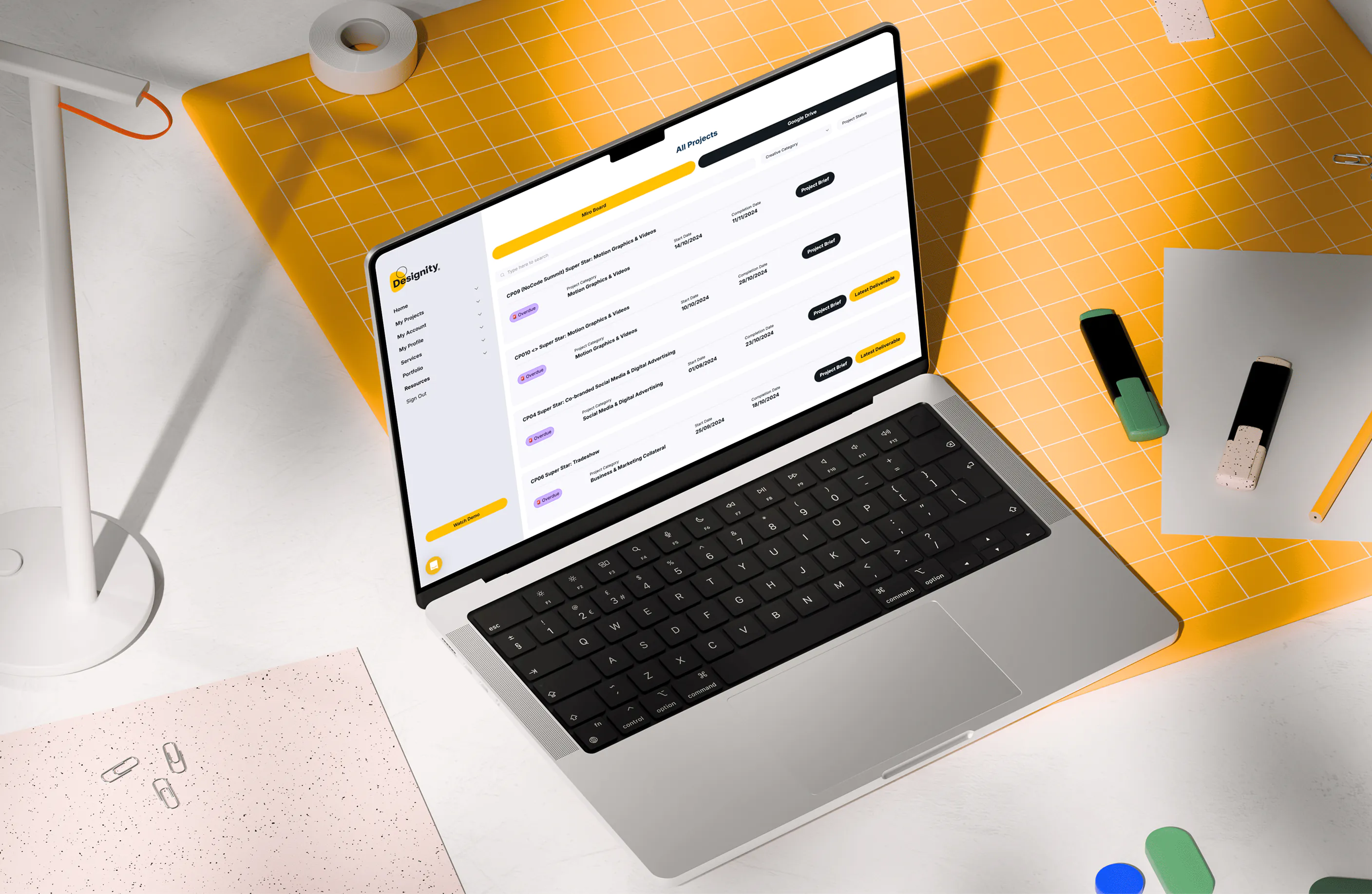
WordPress is optimized for blogs and public websites. Softr is built for logged-in experiences like client portals, CRMs, dashboards, and internal tools where authentication and permissions are core requirements.
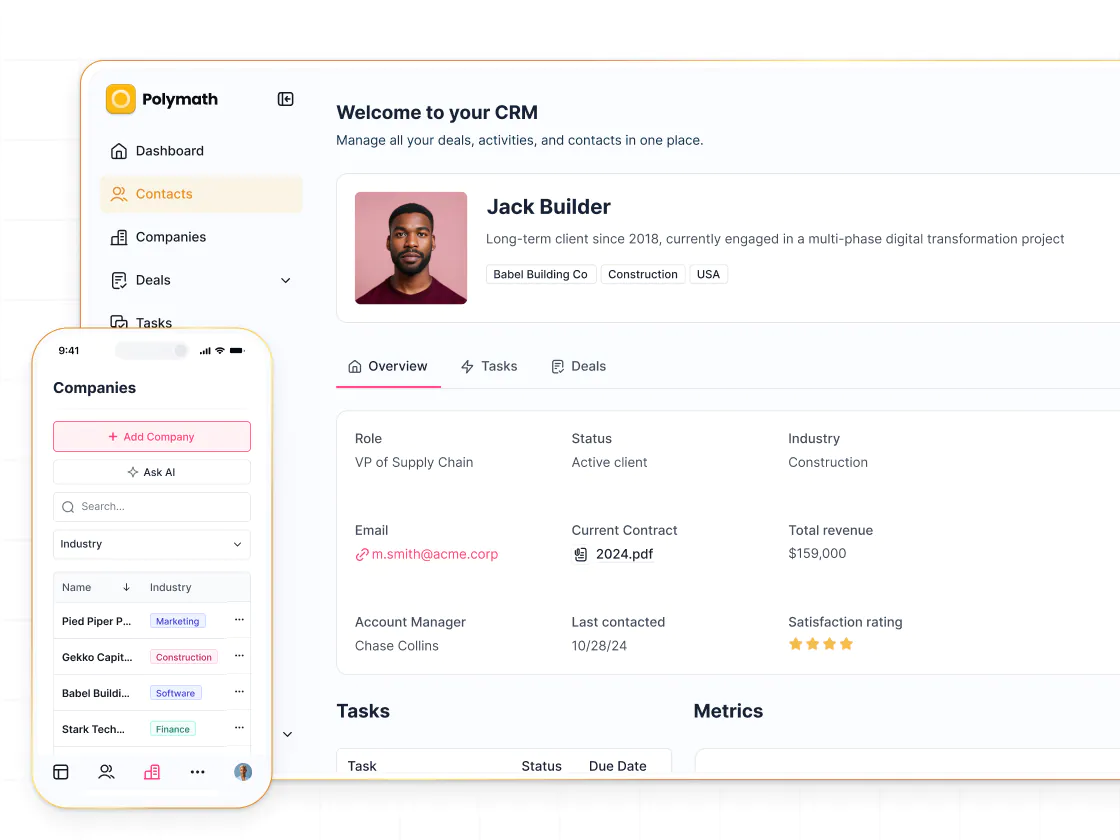
Works with real business data
WordPress content lives in its CMS and often needs syncing to external systems. Softr connects directly to Airtable, HubSpot, Google Sheets, SQL, and Softr Databases—so dynamic data in your apps stays automatically in sync.
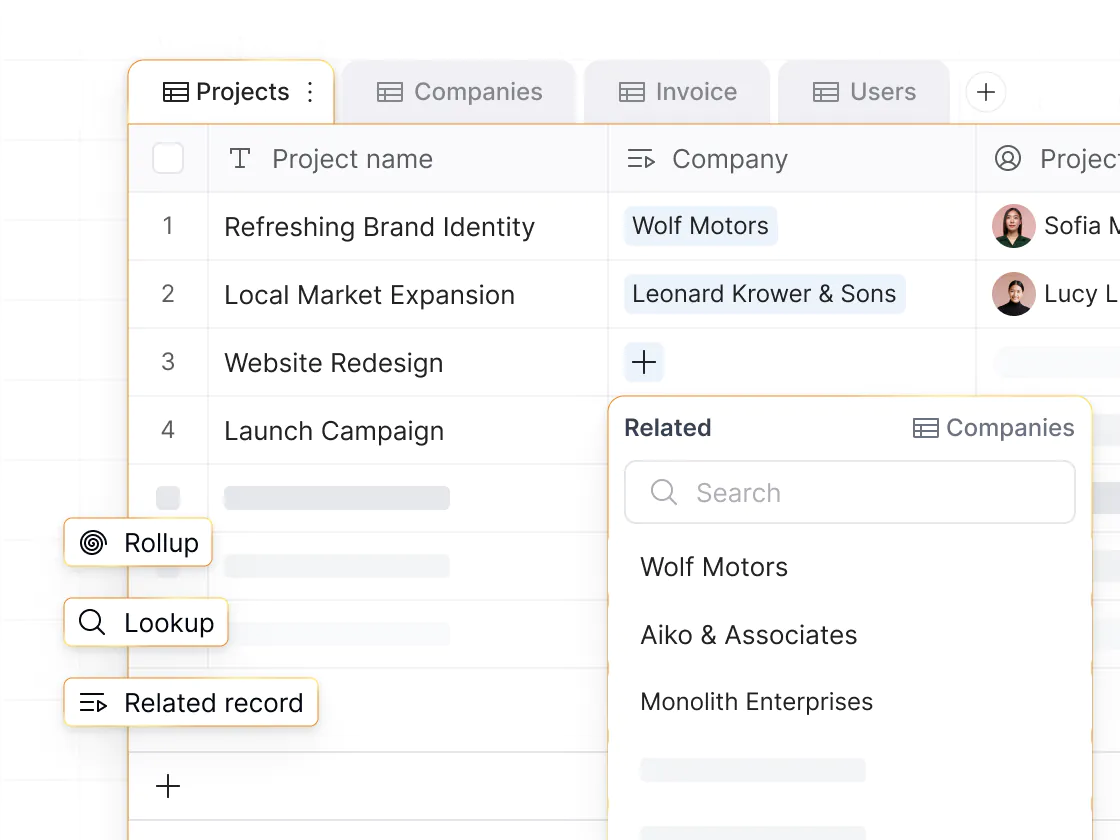
Built-in authentication and permissions
Adding secure logins, roles, and access control in WordPress typically requires multiple plugins. Softr includes authentication, user groups, and granular permissions out of the box.
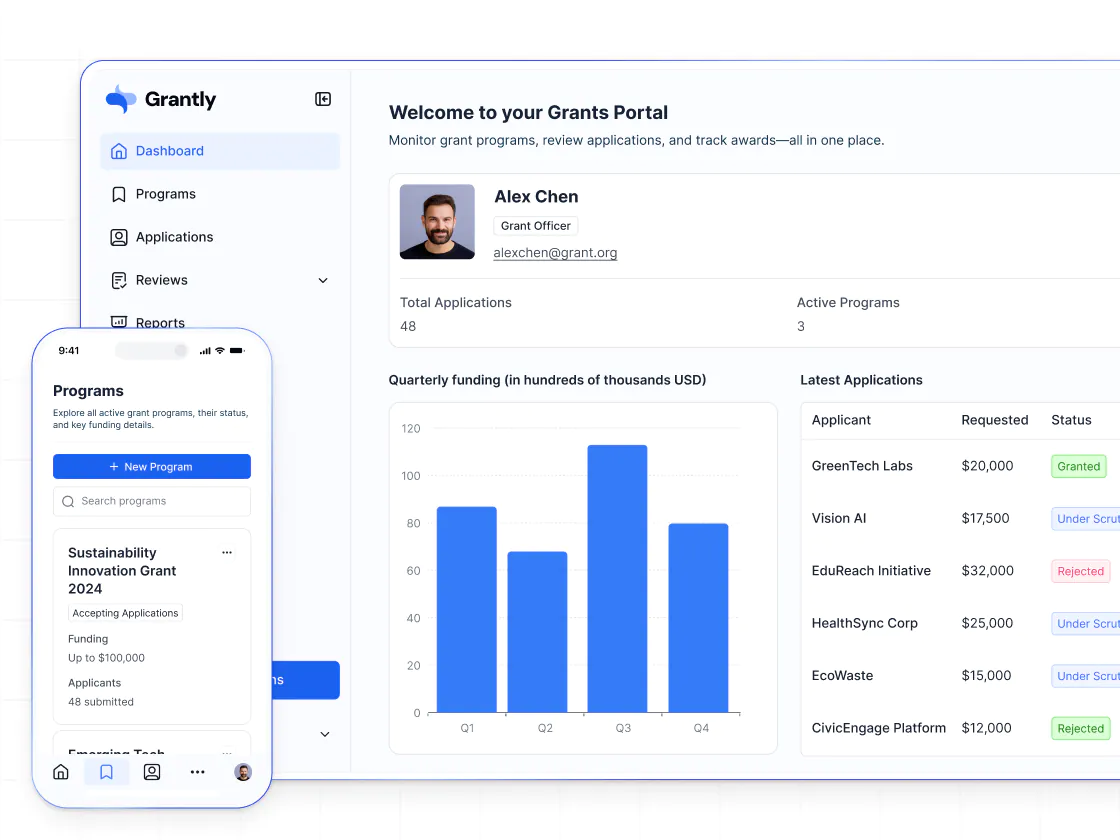
Native workflow automation
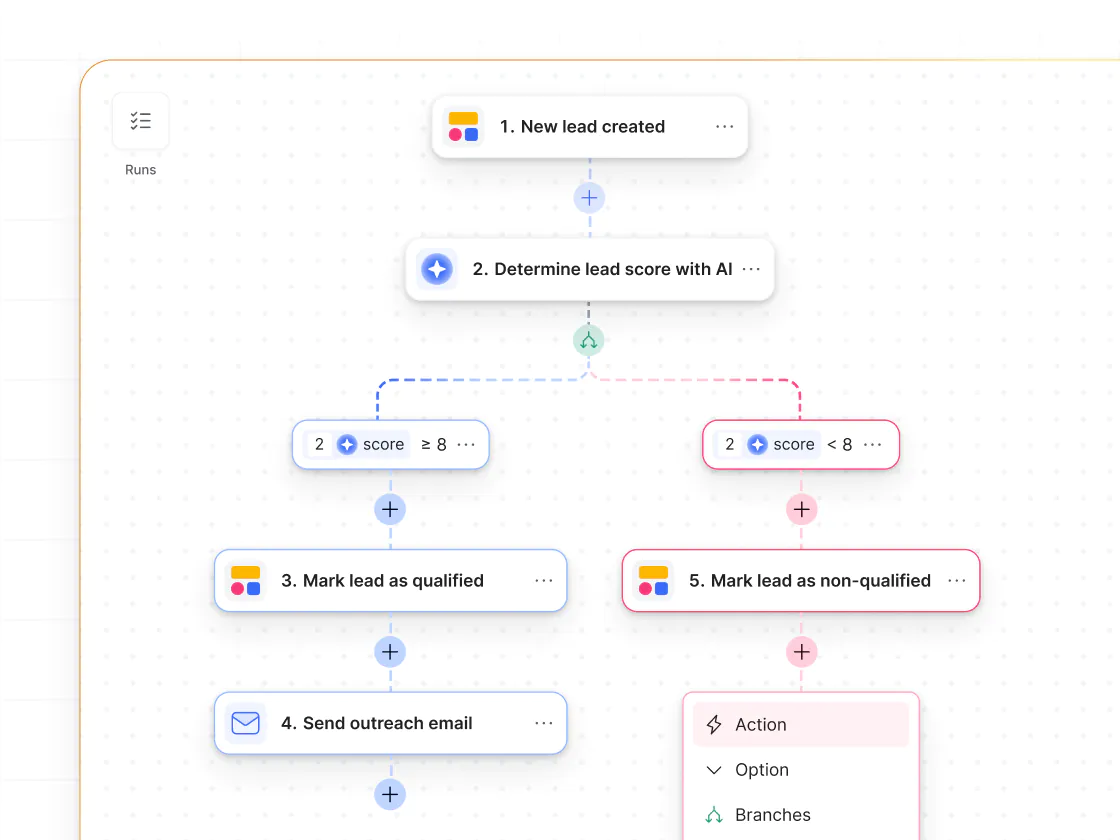
WordPress workflows are usually handled through third-party plugins. Softr Workflows offer a clean visual builder with triggers, actions, and AI Agents—plus, an AI Co-builder that can generate workflow steps for you.
Simple websites connected to apps
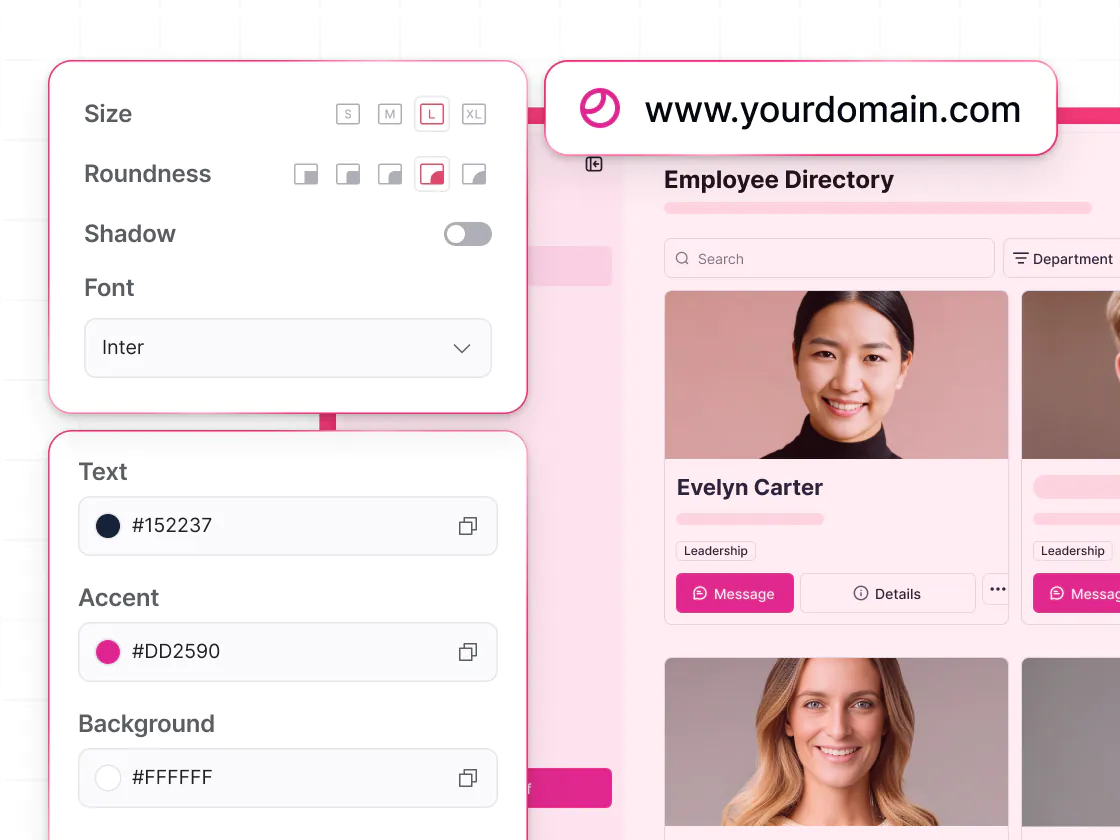
Softr isn’t a full CMS replacement, but it works well for simple marketing pages, service listings, public directories, and landing pages that connect directly to your data in Airtable, Google Sheets, Notion, Coda, and more.
Vibe coding for custom tools and UI
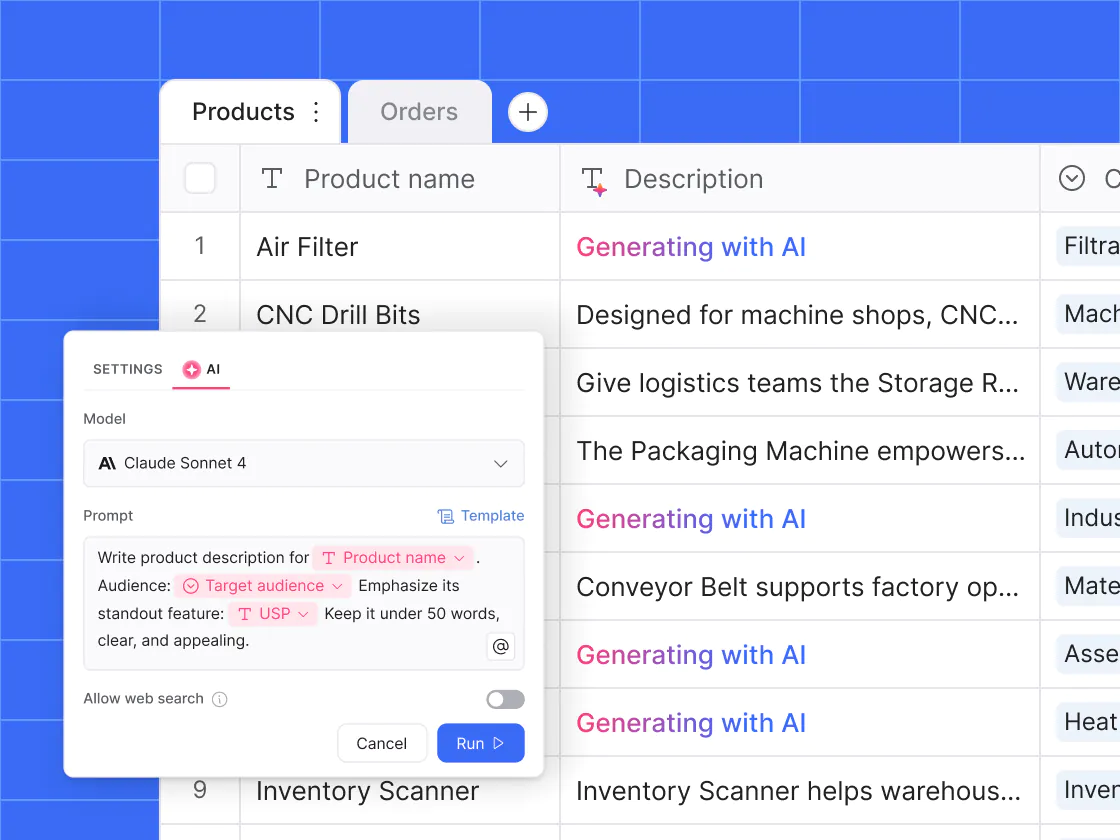
Vibe coding in Softr lets you generate custom tools and UIs from a prompt—inside a real app. Vibe-coded blocks connect to live data, support CRUD actions, follow data permissions, and include version history.
.svg)
See how Softr compares to WordPress
Deciding between WordPress and Softr? With Softr, you get more ease of use and flexibility, with faster performance—and a better price.
Functionalities | | WordPress |
|---|---|---|
Core focus | Full-stack AI app builder for portals and internal tools | Website & content platform |
Ease of use | Visual, no-code builder | Easy for content; complex for apps |
Data flexibility | Native databases, plus build on top of 15+ external data sources | Depends on plugins and custom setup |
Native databases | Built-in relational databases | No app-native database |
Logged-in users and authentication | Built-in core feature | Requires plugins or custom development |
Permissions & access | Custom user groups and granular permissions | Role-based, limited for app use cases |
Client portals | Core use case | Requires plugins and custom logic |
Forms & workflows | Built-in forms and workflows | Plugin-based |
Design flexibility | Customizable layouts, branding, and nav for apps | Highly flexible with themes/builders for websites and content pages |

Go from zero to app, incredibly fast
Co-build with AI
Simply describe what you need. Let Softr handle everything - Interface, database, workflows.
Iterate with AI or visually
Control most critical parts of your app yourself, including: roles, permissions, and security.
Ship the same day
Invite team members or external clients and partners right away. Build AI apps with no developer handover.


Frequently asked questions
Is Softr a WordPress alternative?
Can I build a website with Softr?
Why choose Softr over WordPress for clients portals?
Does Softr require plugins or custom maintenance?
Can Softr work alongside WordPress?
When can Softr replace WordPress?
How do forms compare in WordPress vs. Softr?
What kinds of apps can I build with Softr?
Join 1M companies building apps with Softr
See how easy it is to automate and run your business.